
Build Your Restaurant Brand on Google in 2026
Master local SEO, optimize your digital menu, and dominate search results with these essential strategies for restaurant owners in 2026.
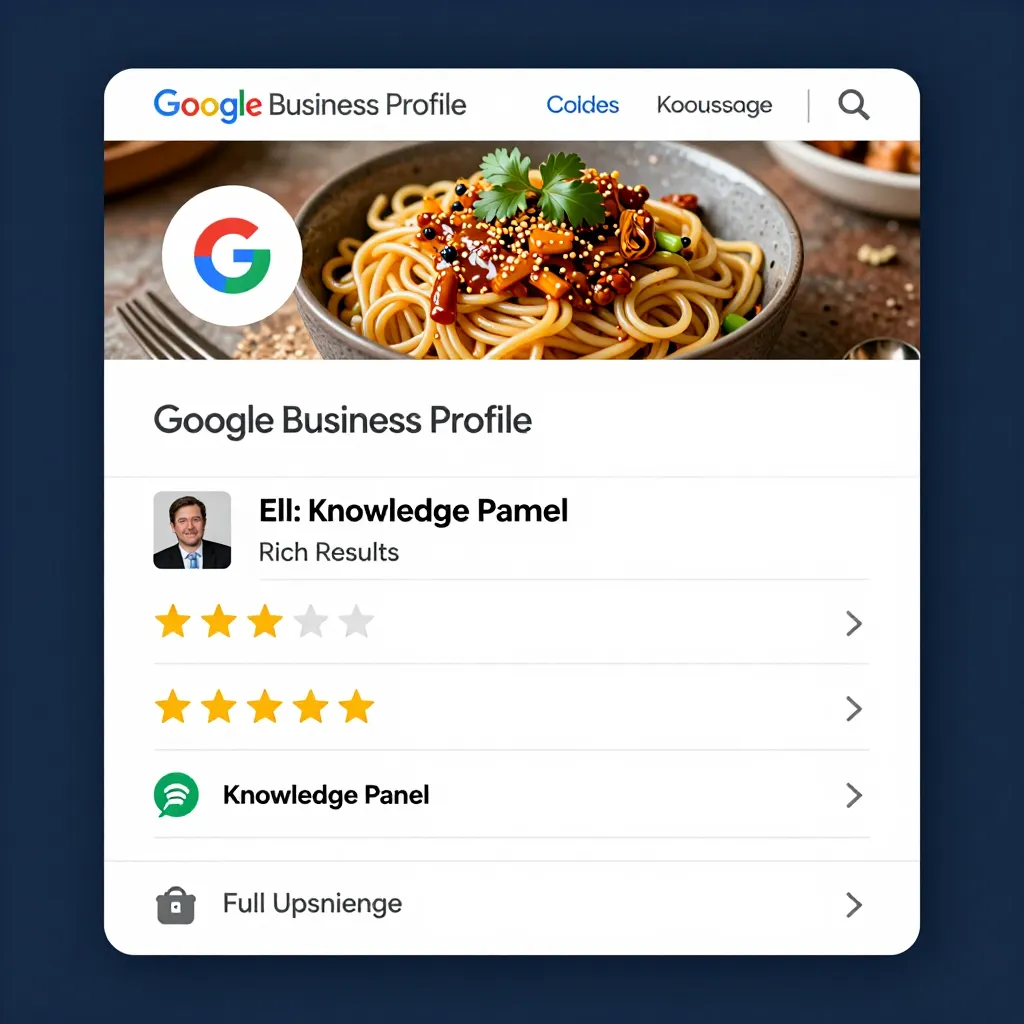
Why Google Dominates Local Restaurant Discovery
In 2026, the digital landscape for food service has evolved beyond simple websites and social media profiles. Google has cemented its position as the primary gateway for diners seeking meals, with over 80% of local searches leading to an offline visit within 24 hours. For restaurant owners and cafe managers, visibility on Google is no longer optional; it is the foundation of sustainable growth. The platform's integration of AI and voice search means that customers expect immediate, accurate, and visually rich information before they even step foot in your establishment.
When a diner searches for "best pizza near me" or "vegan cafe," Google prioritizes businesses that demonstrate trust, relevance, and proximity. This is where your brand identity begins. It is not just about appearing on the first page of search results; it is about owning the entire user experience from the moment they click until they place their order. A strong Google presence signals to potential customers that you are a legitimate, high-quality establishment, while a weak or outdated presence can cost you loyal patrons and revenue.
The shift toward mobile-first indexing has accelerated, with the majority of food searches now occurring on smartphones while users are already at their destination or en route. This immediacy requires a seamless digital infrastructure that can handle high traffic, load quickly, and provide instant answers. Your Google Business Profile (GBP) acts as your digital storefront, and your website serves as your detailed brochure. Both must work in unison to convert a searcher into a customer. Understanding these dynamics is the first step toward building an unshakeable brand reputation that resonates with modern diners.
Optimizing Your Digital Menu for Maximum Visibility
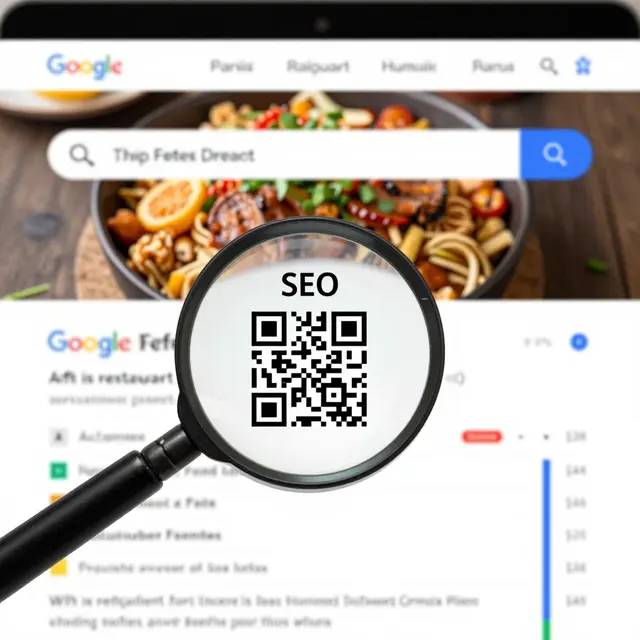
One of the most significant changes in the restaurant industry over the last few years is the move toward digital menus, and this trend is only accelerating in 2026. Traditional paper menus are not only wasteful but also difficult for search engines to crawl and index. A static image of a menu provides zero SEO value, whereas a dynamic, structured digital menu can significantly boost your search rankings and customer engagement. This is where platforms like upQR come into play, offering a solution that aligns perfectly with modern SEO best practices.
Digital menus hosted on platforms like upQR allow you to structure your content in a way that search engines love. Instead of a single, heavy PDF file, your menu is broken down into individual, crawlable pages for each section-starters, mains, desserts, and drinks. This structure allows Google to understand the specific ingredients, allergens, and pricing you offer. For instance, if a customer searches for "gluten-free pasta options," a well-structured digital menu can display this information directly in search results or on your knowledge panel, answering the query before the user even visits your site.
Furthermore, digital menus enable real-time updates without the need for reprinting. Imagine a scenario where a key ingredient becomes unavailable due to supply chain issues. With a paper menu, you must wait for a reprint, losing sales in the interim. With a digital menu, you can instantly swap out the item or highlight a substitute, maintaining transparency and trust with your customers. This capability also supports your environmental mission; by eliminating paper waste, you demonstrate a commitment to sustainability that resonates with eco-conscious diners who actively look for green businesses online.
The SEO benefits extend beyond just indexing. Digital menus improve user experience (UX), a critical ranking factor. Users can filter items by dietary needs, such as "nut-free" or "spicy," directly within the menu interface. This interactivity keeps users engaged on your site longer, reducing bounce rates and signaling to Google that your content is valuable. Additionally, rich snippets and schema markup can be implemented to display star ratings, price ranges, and availability directly in search results, making your listing stand out among competitors who still rely on outdated methods.
Mastering Local SEO and Google Business Profile
Your Google Business Profile (GBP) is the heartbeat of your local SEO strategy. In 2026, the algorithm places immense weight on the accuracy, completeness, and activity level of your GBP. Start by claiming and verifying your profile, ensuring that every detail is up to date. Your business name, address, and phone number (NAP) must be consistent across the entire internet. Inconsistencies here can confuse search engines and lower your ranking. Regularly post updates, special offers, and new menu items to keep your profile active. Google favors businesses that engage with their audience, so respond to every review-both positive and negative-promptly and professionally.
Generating and managing reviews is another cornerstone of your local SEO efforts. A restaurant with a 4.8-star rating based on 500 reviews will almost always outrank a competitor with a 4.2-star rating based on 10 reviews. Encourage satisfied customers to leave feedback, but do not incentivize them in a way that violates Google's policies. When responding to reviews, use this opportunity to showcase your brand voice. If a customer praises your "honest ingredients" or "sustainable sourcing," acknowledge that specifically. This reinforces your brand values and helps potential customers understand what makes your establishment unique.
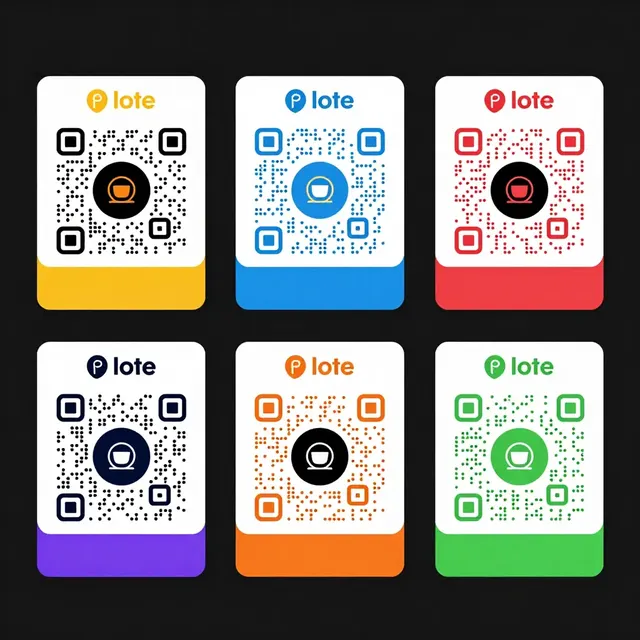
Local citations-mentions of your business name, address, and website on other directories like Yelp, TripAdvisor, and industry-specific sites-are also vital. These citations act as votes of confidence for your business, validating your existence to Google. Ensure that your upQR QR codes are placed strategically throughout your dining area, perhaps on tables or near the entrance, inviting customers to scan, view the menu, and leave a review. This creates a seamless loop between the physical dining experience and your digital presence, driving more traffic to your online properties and strengthening your local authority.
Leveraging User-Generated Content and Visual Storytelling
In the age of social media, user-generated content (UGC) is a powerful asset for your restaurant brand. Photos and videos of your food, taken by real customers, are far more trustworthy than professionally staged shots. Encourage diners to share their experiences on Instagram or TikTok and tag your location. Repost this content on your own channels and even embed it into your digital menu or website. This not only builds social proof but also generates fresh, relevant content that search engines can index.
Visual storytelling is crucial for food brands. High-quality images of your dishes, interior design, and team members help build an emotional connection with potential customers. However, in 2026, authenticity trumps perfection. Avoid over-editing photos to the point where they misrepresent the actual product. Google and users are increasingly skeptical of deceptive imagery. Instead, aim for a style that reflects your values: natural lighting, real people enjoying the food, and a focus on the ingredients. This approach aligns with the principle of honesty and accuracy, ensuring that what customers see online matches what they get when they arrive.
Implementing a strategy for UGC also involves managing your reputation effectively. Negative reviews are inevitable, but how you handle them defines your brand. Address concerns with empathy and offer solutions. If a customer mentions a dietary issue, use it as an opportunity to highlight your commitment to transparency and safety. By turning a negative situation into a positive demonstration of your values, you can actually strengthen your brand reputation. Remember, potential customers read reviews to gauge how a business handles adversity. Showing that you care about every guest's experience is a powerful differentiator.
Adapting to AI Search and Voice Optimization
The rise of AI-powered search assistants like Google's SGE (Search Generative Experience) and voice search capabilities has changed how people find restaurants. Queries are becoming more conversational and complex. Instead of typing "best burger," a user might ask, "Where can I find a place with a burger made from locally sourced beef and served with a side of sweet potato fries?" To rank for these types of queries, your content must be structured to answer specific questions directly.
Optimize your website and digital menu content to include long-tail keywords and FAQ sections. Answer common questions about your menu, such as "What are your allergen-friendly options?" or "Do you have vegan desserts?" in a clear, concise manner. Structure your data using schema markup so that AI can easily parse and present your information. For example, mark up your menu items with specific attributes like price, calories, and ingredients. This data-rich approach ensures that when an AI assistant summarizes local options, your restaurant is included in the results.
Voice search optimization also relies on natural language. Write your content as if you are speaking to a friend, rather than using stiff, formal language. This makes it easier for voice search algorithms to understand and recommend your business. Additionally, ensure that your digital menu loads instantly on mobile devices, as voice search is predominantly used on smartphones. Slow loading times can lead to frustration and abandonment, especially when users are asking voice queries while on the move. A fast, responsive digital menu hosted on a platform like upQR ensures that you capture these voice search opportunities effectively.
Conclusion: Building a Future-Proof Brand
Building a restaurant brand on Google in 2026 requires a holistic approach that combines technical SEO, engaging content, and unwavering commitment to your core values. It is about creating a seamless journey for the diner, from the moment they search for food to the moment they enjoy their meal. By optimizing your digital menu, managing your Google Business Profile, leveraging user-generated content, and adapting to AI-driven search trends, you can establish a dominant presence in your local market.
At the heart of this strategy is the need for authenticity and transparency. Platforms like upQR provide the perfect infrastructure to support these goals, offering a digital menu solution that is not only SEO-friendly but also environmentally sustainable and easy to manage. With upQR, you can instantly update your offerings, showcase your ingredients with honesty, and provide a seamless experience for customers with diverse dietary needs. Embrace these tools and strategies to build a brand that resonates with diners, stands out in search results, and thrives in the competitive landscape of 2026 and beyond.
Related Posts
Ready to create your digital menu?
Create your QR menu in minutes and reach your customers in any language.