
Restaurant Content Marketing Guide 2026
Master digital menus, SEO, and storytelling to drive traffic. Discover upQR strategies for sustainable growth and customer loyalty.
Why Content Marketing is the New Digital Menu
In 2026, the line between a restaurant's physical space and its digital presence has completely blurred. For modern restaurant owners and cafe managers, content marketing is no longer a luxury add-on; it is the foundation of customer acquisition. The traditional static menu board is dead. It cannot update prices, showcase seasonal specials, or tell a brand story. Today, your digital menu is your most powerful content asset, serving as both a utility and a marketing funnel.
The shift is driven by a fundamental change in consumer behavior. Diners are no longer just looking for food; they are looking for an experience they can validate before they even walk through the door. They want to know about your sourcing, your sustainability practices, and your dietary inclusivity. This is where content marketing transforms a simple order into a brand connection. When a customer scans a QR code, they are engaging with your brand. If that experience is rich with high-quality images, clear ingredient lists, and an engaging narrative, they are more likely to convert into a loyal patron.
Furthermore, content marketing directly addresses the operational challenges of the modern dining industry. By integrating storytelling into your digital menu, you can justify premium pricing. Customers are willing to pay more for a dish they understand-knowing, for instance, that the coffee beans are ethically sourced or that the vegetables are grown locally. This transparency builds trust, and trust is the currency of 2026. It also reduces friction. Clear, well-written descriptions reduce the likelihood of returns and complaints, streamlining your kitchen operations by ensuring customers order exactly what they expect.
Leveraging QR Menus for Sustainable Storytelling
Sustainability is not just a buzzword; it is a core value that drives decision-making for a significant portion of today's food service professionals. In 2026, environmental consciousness is a primary driver for content strategy. Your digital menu is the perfect vehicle to communicate your commitment to the planet without the waste associated with paper menus. Every time a customer uses your QR code, you are actively reducing paper consumption. But beyond the waste reduction, you can use this platform to highlight your eco-friendly practices.
Imagine a menu that features a dedicated section on your zero-waste initiatives. You can display photos of your composting system, explain your partnership with local farms, or detail your water conservation efforts. This type of content resonates deeply with modern diners who feel guilty about their carbon footprint. When you provide this information, you empower customers to make ethical choices. They feel good about ordering from a business that aligns with their values. This psychological benefit often translates directly into higher average order values, as customers are less price-sensitive when they perceive a product as ethically superior.
To maximize this impact, your content must be authentic. Avoid greenwashing; ensure every claim about sustainability is backed by facts. Use your digital menu to show, not just tell. Include high-resolution images of your reusable packaging or your farm-to-table ingredients. This visual storytelling reinforces the message. By making sustainability a central theme of your content, you differentiate your brand from competitors who rely solely on price wars. You become a leader in the industry, attracting a demographic that values integrity over discount codes.
Building Universal Access Through Inclusive Content
Inclusivity is a non-negotiable standard in 2026. Your restaurant content must reflect the diversity of your community. This means more than just having a vegetarian option; it means ensuring that every customer, regardless of their language or dietary restrictions, feels welcome and informed. Digital menus offer a unique advantage here: they can be dynamic and inclusive by design. You can include translations, allergen warnings, and dietary symbols that go beyond the capabilities of a printed sheet.
Content marketing in this context involves creating barriers to entry that are as low as possible. A well-structured digital menu should automatically detect language preferences or allow users to toggle between different languages instantly. This universal access ensures that non-native speakers or tourists can navigate your offerings with confidence. It removes the anxiety of ordering something that might make them ill. For a cafe manager, this means expanding your potential customer base to include international visitors and diverse local populations who might otherwise feel excluded.
Furthermore, transparent allergen labeling is a critical component of responsible content marketing. In an era where food allergies are a major concern, hiding this information behind a "call the manager" note is a liability and a trust breaker. Your digital menu should clearly flag common allergens like gluten, nuts, and dairy with distinct icons. This transparency protects your customers and your business. It shows that you prioritize safety and honesty above all else. By providing this level of detail, you demonstrate that your brand cares about every individual who sits at your table, fostering a sense of community and safety that encourages repeat visits.
Optimizing for Search and Social Discovery
Visibility is the lifeblood of any content strategy. In 2026, most customers will find your restaurant through search engines or social media before they ever consider visiting. This makes SEO and social optimization critical components of your digital menu strategy. Your QR menu is not just a display; it is a webpage that needs to be optimized for search engines. This involves using relevant keywords in your dish descriptions, such as "best vegan burger in the city" or "organic coffee roasters." However, keyword stuffing is out. The content must be natural, engaging, and informative.
Local SEO is particularly vital. Your digital menu content should include your location, neighborhood, and unique selling points that are specific to your area. For example, if you are a farm-to-table cafe, your content should mention the specific local farms you partner with. This hyper-local focus helps search engines understand the relevance of your business to nearby queries. Additionally, integrating social media feeds directly into your menu design keeps your content fresh. When a customer scans your code, they should see your latest Instagram posts or TikTok videos, showing the vibrant atmosphere of your restaurant. This dynamic content keeps the digital menu feeling alive and encourages users to visit during peak hours to see the latest offerings.
Engagement metrics are also key. Analyze how users interact with your menu content. Do they spend more time on certain dishes? Which descriptions lead to more orders? Use these insights to refine your content. If a dish has a complex description that confuses users, simplify it. If an image fails to entice, replace it with a high-quality shot that highlights the texture and color of the food. Continuous optimization based on data ensures that your content marketing efforts yield the highest possible return on investment.
Creating Actionable Strategies for Growth
To successfully implement these strategies, restaurant owners must adopt a structured approach to content creation. Start by auditing your current digital presence. Does your QR menu load quickly on mobile devices? Are the images optimized for fast loading? Is the text readable and free of typos? These technical details impact user experience and, consequently, your conversion rates. A slow-loading menu can cause a customer to abandon the order and choose a competitor instead.
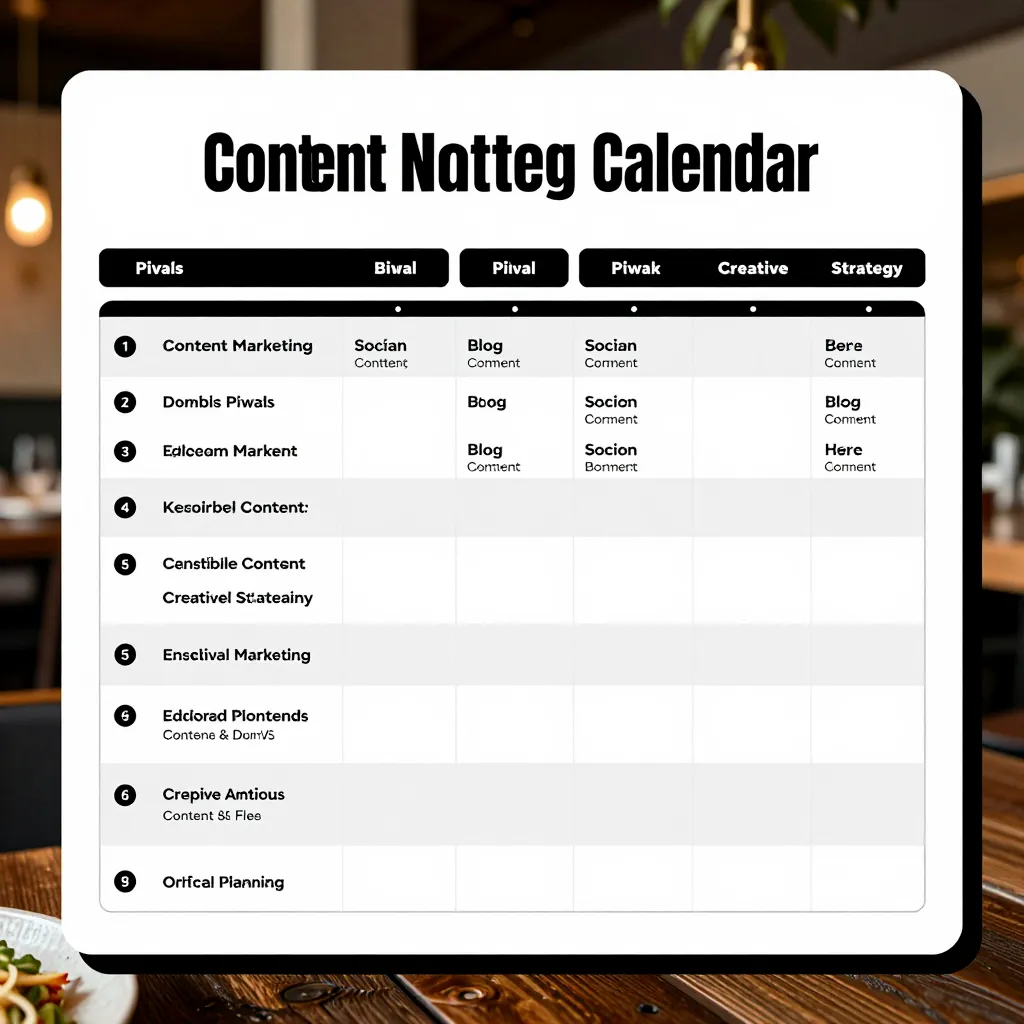
Next, develop a content calendar that aligns with your business goals. Plan for seasonal updates, holiday promotions, and new menu launches. Use your digital menu to tease upcoming events or limited-time offers. For instance, you could create a countdown timer for a special tasting menu or a flash sale on pastries. This creates a sense of urgency and encourages immediate action. It also keeps your content fresh, which is essential for maintaining relevance in search algorithms.
Finally, foster a two-way conversation. Encourage customers to leave reviews or feedback directly through the menu interface. This social proof is invaluable. When potential diners see positive reviews embedded in the menu, their trust in your establishment increases. You can also use the menu to respond to feedback publicly, showing that you value customer input and are committed to continuous improvement. This level of engagement transforms a static menu into a living part of your brand community, driving long-term loyalty and sustainable growth in the competitive landscape of 2026.
Related Posts


Ready to create your digital menu?
Create your QR menu in minutes and reach your customers in any language.