
Restaurant Influencer Partnerships Guide 2026
Master 2026 influencer marketing with our comprehensive guide. Learn how to leverage micro-influencers, manage costs, and integrate digital QR menus for seamless guest experiences.
Why Influencer Marketing Is Essential for Restaurants in 2026
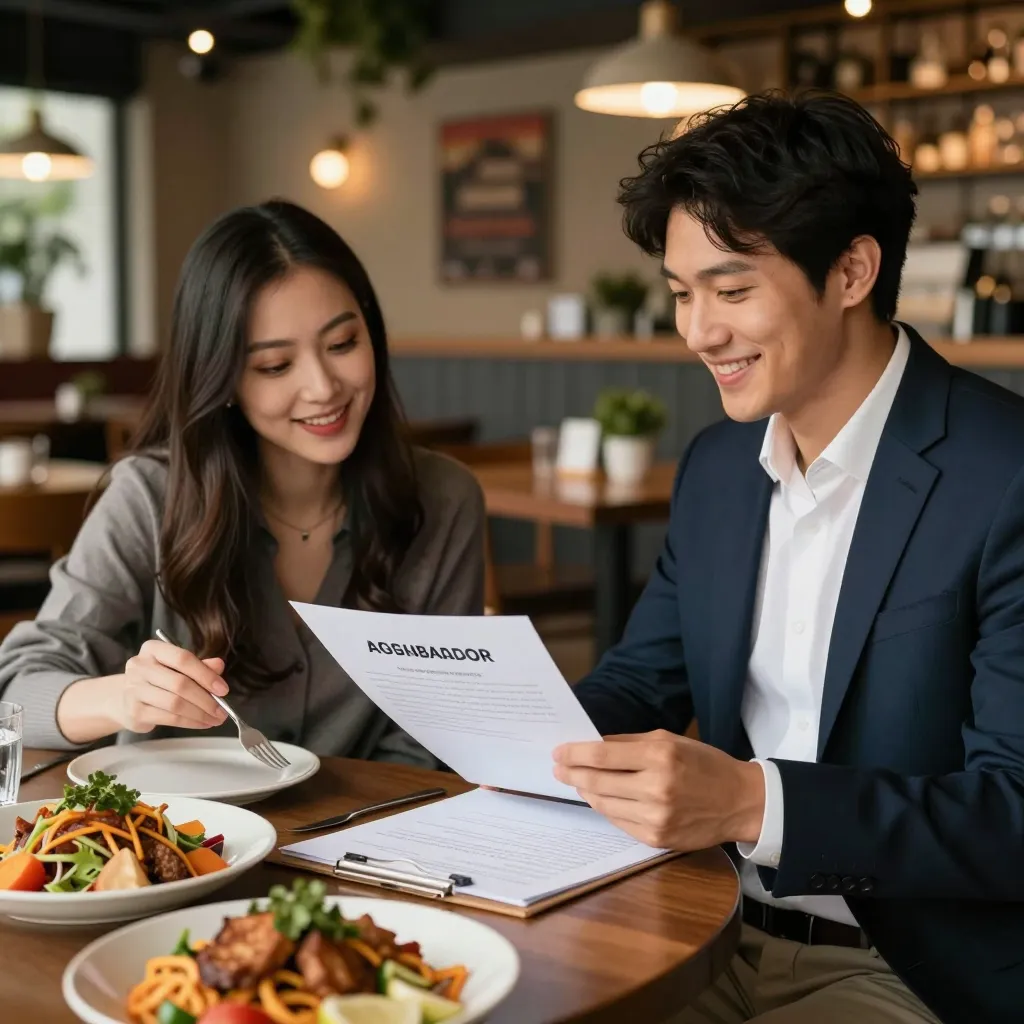
In the evolving landscape of 2026, influencer marketing has transitioned from a luxury tactic to a fundamental pillar of restaurant growth strategies. With the global food and beverage industry facing intense competition, securing visibility is no longer optional; it is a necessity for survival and expansion. Influencers provide the bridge between a physical location and the digital lives of millions, offering authenticity that traditional advertising cannot replicate.
According to recent industry reports, 57% of consumers trust influencer recommendations more than traditional advertising, making this channel a critical driver for dining decisions. For restaurant owners and cafe managers, partnering with the right voices means accessing a pre-qualified audience that is already interested in food, drink, and lifestyle. This is particularly vital in a post-pandemic world where discovery has shifted heavily toward digital-first platforms like TikTok, Instagram Reels, and YouTube.
However, the nature of these partnerships has matured. The era of simply paying for a shoutout is over. Today's successful campaigns require a deep understanding of content strategy, audience alignment, and measurable ROI. Restaurants that fail to adapt to these nuanced expectations risk being overshadowed by competitors who treat influencer relationships as long-term investments rather than one-off transactions. The goal is to build a narrative around your brand that resonates with your target demographic, turning casual scrollers into loyal diners.
Selecting the Right Influencers: Beyond Follower Counts
One of the most common misconceptions among restaurant owners is that a high follower count guarantees success. In 2026, this metric is becoming less relevant than ever. Macro-influencers with hundreds of thousands of followers often suffer from low engagement rates and high costs, making them an inefficient investment for local eateries. Instead, the focus should shift to micro-influencers and nano-influencers, who typically manage between 10,000 and 100,000 followers.
Micro-influencers often boast engagement rates ranging from 3% to 6%, significantly higher than their larger counterparts. Their audiences are more niche and deeply loyal, trusting their recommendations implicitly. For a local bistro or specialty coffee shop, a partnership with a micro-influencer who specializes in 'sustainable dining' or 'plant-based recipes' can be far more effective than a celebrity chef with a generic following. The key is relevance. If your restaurant serves artisanal sourdough, partner with a baker who documents their process. If you are a vegan cafe, collaborate with a wellness advocate.
When evaluating potential partners, look beyond vanity metrics. Analyze their engagement quality: do their followers comment meaningfully, or are the comments generic emojis? Review their past brand collaborations to ensure their tone aligns with your brand values. Authenticity is the currency of 2026. An influencer who has previously promoted a fast-food chain may not be the right fit for a farm-to-table restaurant, even if their follower counts match. You are seeking a storyteller who can highlight your unique selling points, such as your locally sourced ingredients or your commitment to ethical sourcing, in a way that feels organic to their content style.

Structuring Profitable and Authentic Partnerships
Navigating the financial and logistical aspects of influencer partnerships requires a clear strategy. The first step is defining your objectives. Are you looking to launch a new menu item, promote a seasonal event, or simply increase foot traffic? Your goals will dictate the scope of the collaboration. For instance, launching a new dessert line might warrant a dedicated unboxing video, while promoting a happy hour promotion could be achieved through a series of Stories.
Compensation models have evolved to include diverse forms of value exchange. While cash payments remain standard, many successful collaborations now involve product seeding, exclusive discounts for the influencer's followers, or cross-promotion opportunities. For example, you might offer a free meal for the influencer and their guest in exchange for a high-quality video, provided the restaurant covers the cost of the meal. This 'barter' model is common for smaller campaigns but should be structured carefully to ensure the influencer feels valued. Always provide a clear brief that outlines the key messages, required hashtags, and any specific dietary restrictions or allergens that must be mentioned, aligning with your commitment to transparency.
Transparency is non-negotiable in 2026. Influencers must clearly disclose sponsored content using tags like #ad or #sponsored. This not only complies with advertising regulations but also builds trust with their audience. Consumers are savvy and can detect inauthentic promotions. When an influencer is honest about the partnership, it enhances the credibility of the restaurant. Furthermore, ensure that the content created adheres to your brand guidelines without feeling overly scripted. The best content feels like a genuine discovery, not a commercial. Encourage influencers to share their honest first impressions, including any minor critiques, as this adds a layer of trustworthiness that polished ads lack.
Leveraging Digital Menus for Seamless Campaign Execution
Integrating your digital QR menu platform, such as upQR, into influencer campaigns can significantly amplify their impact. Influencers often visit a restaurant to capture content, but the experience doesn't end with the photo of the dish. By equipping influencers with access to your digital menu system, you can create a more comprehensive story. For example, an influencer can showcase not just the final plated dish, but the interactive digital menu experience that allows customers to see detailed ingredient lists, allergen information, and nutritional facts.
This is particularly powerful when promoting sustainability or transparency, two core values of modern dining. An influencer can film a segment demonstrating how a customer can scan a QR code to learn about the farm where the vegetables were grown or view the carbon footprint of a meal. This educates the audience on your restaurant's commitment to environmental consciousness and honest labeling. When an influencer highlights these features, they are effectively educating their entire follower base on the benefits of digital dining, reducing paper waste and enhancing the guest experience.
Furthermore, digital menus offer dynamic capabilities that static paper menus cannot match. Influencers can be encouraged to create time-sensitive content, such as a 'Flash Menu' available only for the next hour, which is displayed instantly on all digital screens. This creates a sense of urgency and exclusivity that drives immediate foot traffic. The influencer can announce, "Scan the QR code to see our secret menu available only for the next 30 minutes," driving a surge of visits while maintaining operational efficiency. This synergy between influencer marketing and digital infrastructure ensures that the campaign drives not just engagement, but actual revenue and operational data.
Measuring Success and Building Long-Term Relationships
The final step in any influencer partnership is rigorous measurement. In 2026, relying solely on vanity metrics like likes and views is insufficient. You need to track actionable data that correlates to business growth. Key performance indicators (KPIs) should include unique promo codes used by the influencer's followers, redemption rates of discount codes, and direct traffic driven to the restaurant's website or digital menu page. If the influencer shares a link to your digital menu, track the number of scans originating from their unique referral code or URL.
Utilizing tools provided by platforms like upQR can help automate this tracking. If your digital menu system allows for custom landing pages for specific campaigns, you can attribute every scan and order to a specific influencer. This data provides a clear picture of ROI. Did the influencer generate 50 new customers? Did they increase the average order value through upselling featured items? These insights are crucial for budgeting future campaigns. If an influencer consistently delivers high-quality content and drives tangible results, they should be considered for long-term ambassadorship programs rather than one-off posts.
Building long-term relationships is where the true value lies. Treat influencers as partners in your brand story, not just content creators. Invite them to special events, involve them in menu development, and keep them updated on your sustainability initiatives. When influencers feel invested in your success, they create more authentic and compelling content. This shift from transactional to relational marketing fosters a community around your brand. In 2026, the most successful restaurants are those that cultivate a network of advocates who genuinely believe in their mission, whether that mission is serving delicious food, protecting the environment, or ensuring every customer knows exactly what they are eating.
Conclusion
Influencer marketing in 2026 is about authenticity, data-driven decision-making, and strategic integration with your operational tools. By focusing on micro-influencers, prioritizing transparency, and leveraging digital solutions like upQR, restaurants can create campaigns that resonate deeply with their audience. The combination of high-engagement creators and a seamless digital experience ensures that every partnership drives both brand awareness and tangible business growth. Embrace these strategies to transform your restaurant's digital presence and build a loyal community of food lovers who trust your story.
Related Posts
Ready to create your digital menu?
Create your QR menu in minutes and reach your customers in any language.