
Restaurant SMS Marketing Guide Using QR Menu Data
Learn how to boost revenue with SMS campaigns using your digital QR menu. Discover tips, examples, and data-driven strategies for restaurants.
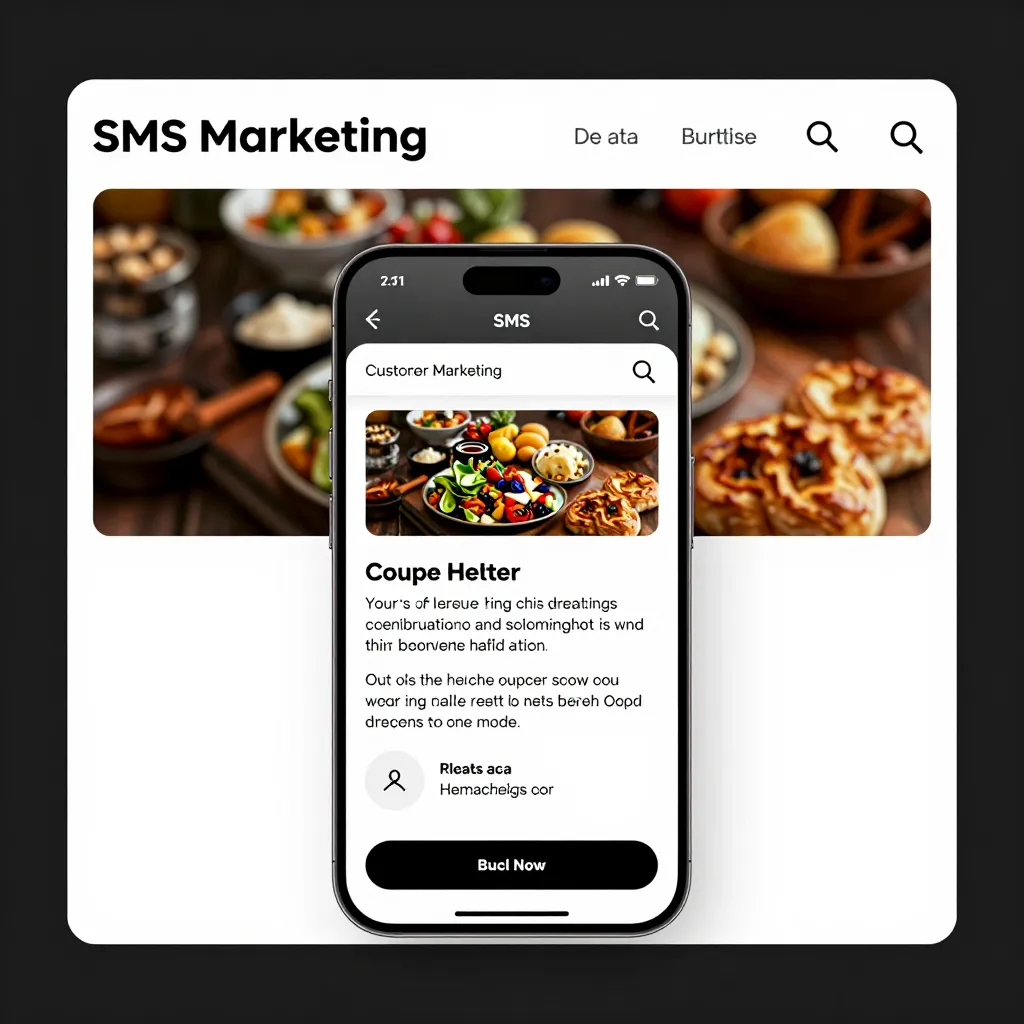
Transforming Your Digital Menu Into a Revenue Engine
For modern restaurant owners, the QR code on the table is no longer just a tool for displaying prices; it is a strategic asset for customer retention. When a guest scans a code to view a digital menu via upQR, they are engaging with a data point that, when utilized correctly, can significantly increase average order value and repeat visits. Unlike static paper menus, digital platforms allow you to track engagement, understand preferences, and trigger timely communications that feel personal rather than intrusive.
The transition from paper to digital menus offers a unique opportunity to bridge the gap between dining experience and post-dining engagement. By integrating SMS marketing with your upQR menu system, you can create a seamless loop where the act of ordering online leads directly to a personalized follow-up. This approach respects the customer's time while providing them with exclusive offers that a physical menu simply cannot deliver.
Consider the scenario of a customer finishing their meal and receiving a text message about a dessert discount or a reservation reminder for next week. This is not just marketing; it is service. It demonstrates that the restaurant values their patronage beyond the immediate transaction. With upQR, you have the infrastructure to make this happen without the need for expensive third-party hardware or complex software integrations. The digital menu becomes the gateway to a deeper relationship with your guests.
Leveraging Digital Menu Insights for Targeted Campaigns
The true power of SMS marketing lies in segmentation, and your digital menu provides the data necessary to execute sophisticated segmentation strategies. When a customer views your upQR menu, they interact with categories, ingredients, and allergen information. While privacy laws require careful handling of personal data, the context of their menu interactions can inform broad audience groups for promotional purposes.
For instance, if you notice a high volume of users viewing your "Vegan" or "Gluten-Free" sections, you can create a specific SMS list for those dietary groups. You can then send them a text message announcing a new plant-based dish or a special discount on gluten-free items. This level of personalization increases the likelihood of conversion because the offer is relevant to their specific needs. It aligns with the upQR mission of transparency and honesty; you are showing customers that you understand and cater to their dietary requirements.
Another powerful use of menu data is identifying high-engagement items. If specific dishes on your digital menu are viewed frequently but rarely ordered, an SMS blast highlighting a "Chef's Special of the Week" featuring that item can draw attention to it. Conversely, if a popular item is out of stock, you can automatically send a notification via SMS or in-app alert, maintaining trust and preventing customer frustration. This proactive communication reduces no-shows and complaints, fostering a reputation for reliability and accuracy.
Furthermore, the digital nature of the menu allows for A/B testing within your SMS campaigns. You can send different offers to different segments of your customer base to see which messaging resonates best. Perhaps one group responds better to a "Buy One Get One" offer on coffee, while another prefers a free pastry with any purchase. By analyzing the response rates to these SMS campaigns, you can refine your digital menu content and pricing strategies to better match customer demand.
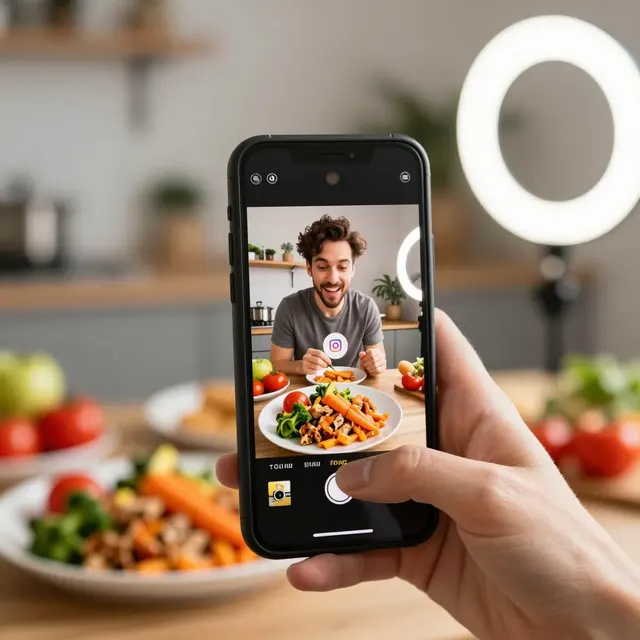
Building Loyalty Through Timely and Relevant Messages
Retention is often more cost-effective than acquisition. Sending an SMS message to a customer who has visited your restaurant once or twice is a low-cost way to remind them of your existence and value. The key to success here is timing and relevance. A generic "Happy Birthday" message is good, but a message that says "Happy Birthday! Come in for a free dessert on us, just mention this text" is transformative.
With upQR, you can integrate loyalty programs directly into the digital menu experience. When a customer scans the code to order, they might be prompted to sign up for a loyalty program or scan a QR code to join. Once enrolled, you can send them birthday rewards, anniversary discounts, or early access to new menu items. This creates a sense of exclusivity that encourages customers to choose your establishment over competitors.
Think about the experience of a regular customer who loves your spicy wings. If your digital menu allows for easy preference setting, you could send an SMS saying, "We noticed you love our spicy wings. Try our new spicy buffalo dip this week!" This shows attentiveness and care. It transforms a transactional relationship into a partnership. Customers feel seen and valued, which is the foundation of strong brand loyalty.
Timely reminders are also crucial for reducing wasted inventory and increasing revenue. A text message sent 24 hours before a popular event, like a weekend brunch or a live music night, can fill empty seats. "Don't forget! Our jazz night is tonight. Reserve your table now via the link in our bio or by calling us." This gentle nudge helps manage capacity and ensures that the kitchen is prepared for the expected volume, leading to a smoother service experience for everyone involved.
Navigating Compliance and Best Practices for SMS
While SMS marketing is a powerful tool, it must be used responsibly. Regulations like the TCPA in the US and GDPR in Europe mandate that customers must opt-in to receive marketing messages. Your upQR menu should include a clear, visible option for customers to subscribe to your newsletter or loyalty program during the ordering process. This ensures that your SMS list is built on a foundation of consent, protecting your restaurant from legal issues and maintaining trust.
Best practices for SMS content include keeping messages concise, providing a clear call to action, and including an easy opt-out mechanism. Every text should answer the question, "Why should I care?" If the message offers a tangible benefit, such as a discount or a sneak peek at a new menu item, customers are more likely to engage. Avoid sending excessive messages; quality over quantity is the golden rule. Sending five relevant messages a month is far better than sending five irrelevant messages a week.
Transparency is a core value of upQR, and this extends to your marketing efforts. Clearly state in your SMS messages who they are coming from. "Happy Hour is on!: [Restaurant Name]" helps customers recognize the sender immediately. Avoid using all-caps or excessive exclamation points that can appear spammy. Instead, adopt a friendly, conversational tone that reflects the personality of your restaurant. This approach humanizes the brand and makes the communication feel like a message from a friend rather than a corporate robot.
Measuring Success and Optimizing Your Strategy
To ensure your SMS marketing efforts are paying off, you must track key performance indicators (KPIs). The most important metric is the opt-in rate, which tells you how many customers are willing to engage with your brand. Next, look at the open rate and click-through rate (CTR). SMS messages have incredibly high open rates, often exceeding 98%, so the real challenge is getting them to act. Track how many customers redeem offers sent via SMS and how this impacts your overall revenue.
Use the data from your upQR dashboard to correlate digital menu usage with SMS engagement. Are customers who view the menu more frequently also responding to your texts? Are certain menu items driving more SMS interactions? This data can help you tailor your future campaigns. If a specific promotion yields a high return on investment, replicate it. If a message type consistently leads to opt-outs, revise your approach.
Regularly review your campaign performance to identify trends. Seasonal trends, such as higher engagement during holidays or back-to-school seasons, should be factored into your scheduling. Adjust your messaging to reflect current events or menu changes. For example, if you introduce a summer cocktail menu, send an SMS blast a few days before the season starts to generate buzz. Continuous optimization based on data ensures that your marketing spend is efficient and your messages are always relevant.
Conclusion
Integrating SMS marketing with your digital QR menu is a strategic move that can elevate your restaurant's performance. By leveraging the data collected through upQR, you can create personalized, timely, and relevant communications that build lasting relationships with your customers. This approach not only drives immediate sales through exclusive offers but also fosters a culture of transparency and honesty that resonates with modern diners.
Whether you are looking to increase average order value, reduce no-shows, or simply remind loyal customers of your existence, SMS marketing provides the tools you need. With upQR, you have a platform that supports these initiatives with ease, ensuring that your digital menu is more than just a list of food items-it is the cornerstone of a comprehensive customer engagement strategy. Embrace this technology to stay ahead of the competition and deliver an exceptional dining experience that keeps your guests coming back for more.
Related Posts
Ready to create your digital menu?
Create your QR menu in minutes and reach your customers in any language.