
Summer Menu Prep: Digital Strategy for Peak Season
Discover essential steps to prepare your restaurant's digital menu for summer. Boost sales, ensure sustainability, and handle high traffic with upQR.
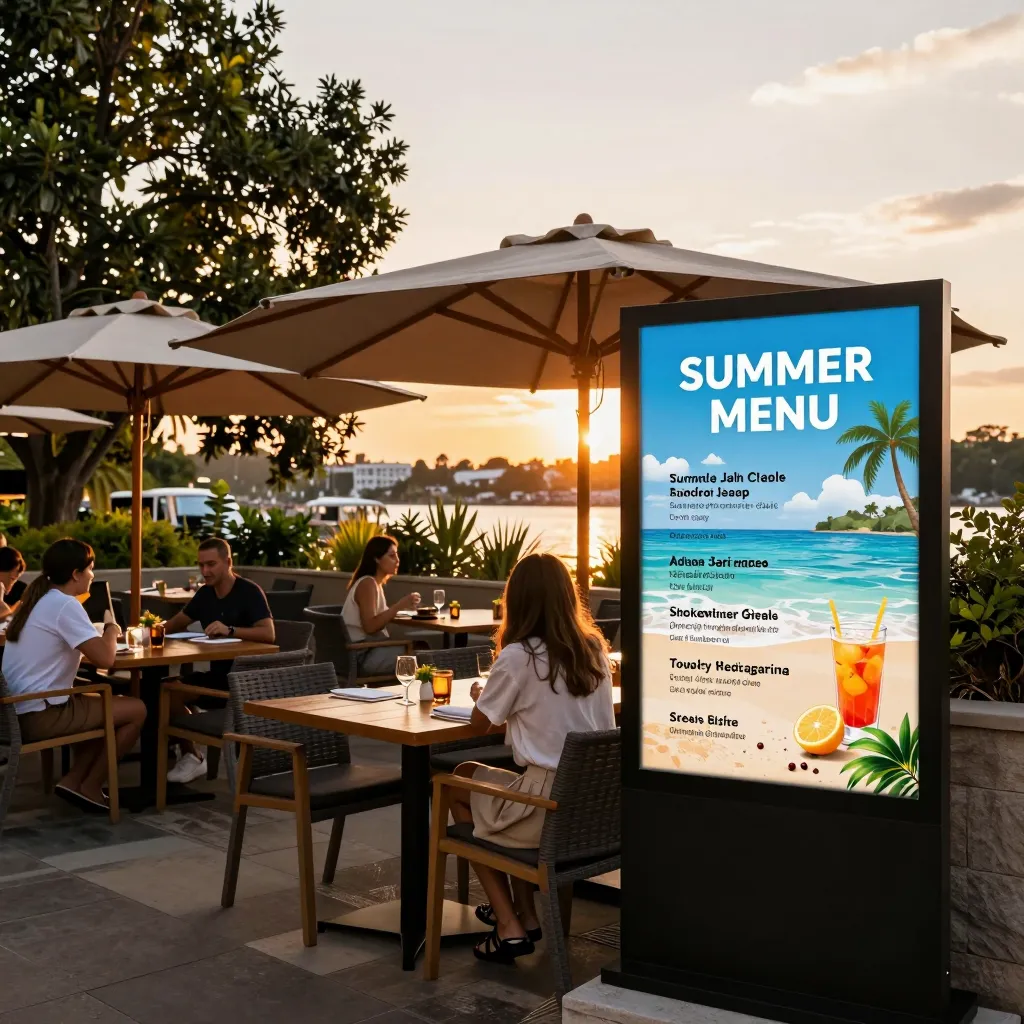
Embracing the Heat: Why Summer Demands a Digital Shift
As the mercury rises and the days grow longer, restaurants face a unique set of challenges. The traditional paper menu becomes a logistical nightmare. Waitstaff spend valuable time refilling trays of paper that customers rarely keep, leading to unnecessary waste. Furthermore, in the sweltering heat, customers are often in a rush, scanning their phones to find shade or head straight to the bar. A physical menu adds friction to this process.
This is where a robust digital menu system becomes not just a convenience, but a strategic necessity. According to industry data, over 60% of diners aged 18-34 prefer digital menus, and this preference is rising rapidly among older demographics as well. By switching to a digital format like upQR, you eliminate the paper waste associated with seasonal turnover. When summer ends and you swap out your spring specials for autumn classics, you avoid the environmental cost of printing and discarding hundreds of pounds of paper. This aligns perfectly with the growing consumer demand for sustainable dining practices.
Moreover, a digital interface allows for dynamic pricing and instant updates. If a popular summer cocktail runs out due to a heatwave affecting supply chains, you can remove it from the menu instantly, preventing customer frustration and kitchen errors. The transparency of a digital menu ensures that every customer, regardless of their location at the table, sees the exact same, up-to-date information, fostering trust and honesty in every transaction.
Optimizing for Speed: The Mobile-First Dining Experience
Summer evenings are bustling. Patrons are often standing in line, waiting for a table, or trying to find a spot under an umbrella before they even sit down. A well-optimized digital menu transforms this chaotic energy into an efficient workflow. The key to success here is mobile-first design. Most customers will access your menu via smartphones, not desktops. Your images must load quickly on 4G and 5G networks, even in areas with spotty connectivity.
Consider the experience of a customer scanning a QR code on their table. They should not have to wait for a page to load while the waiter is still bringing out the bread. A slow-loading digital menu can lead to a 20% increase in order abandonment. With upQR, you can ensure high-speed performance that keeps the dining flow smooth. Additionally, mobile optimization means large, tappable buttons for items and clear, legible text that doesn't require zooming. This is crucial for customers with visual impairments or those trying to read quickly in bright sunlight.
Practical tip: Conduct a speed test on your current digital menu using various devices. If you see a delay of more than two seconds, it is time to optimize your images or hosting. A seamless experience reduces the cognitive load on the customer. They can focus on enjoying the summer vibe rather than wrestling with a clunky interface. This efficiency allows your staff to focus on hospitality rather than taking orders, improving the overall service quality during peak hours.
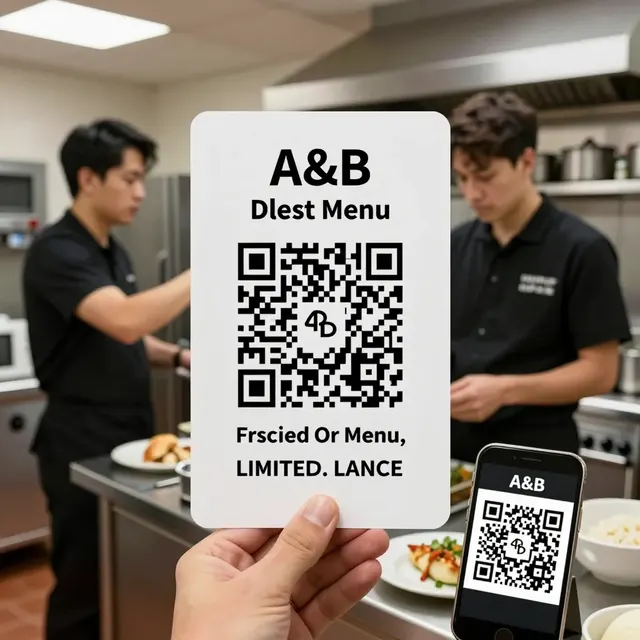
Curating the Summer Menu: Transparency and Dietary Needs
Summer is the season of fresh ingredients, but it is also the season of dietary restrictions becoming more visible. As people gather outdoors, they often bring friends with diverse needs. A digital menu shines here because of its ability to provide deep transparency. You can list every ingredient for a seasonal salad, clearly flagging allergens like nuts, gluten, or dairy, and even note potential cross-contamination risks. This honesty builds a loyal customer base that feels safe and respected.
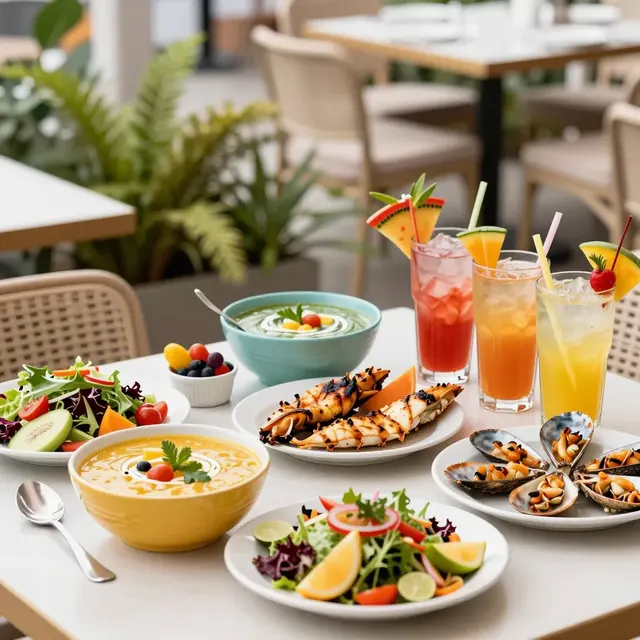
Imagine a customer with a severe nut allergy approaching the table. With a paper menu, they must ask the server, who might forget to check the ingredients later. With a digital menu, the customer can tap the allergen icon and instantly see a detailed breakdown. This removes the anxiety from the dining experience and prevents dangerous mistakes. Furthermore, you can highlight seasonal items like heirloom tomatoes, watermelon, or local berries with high-quality photography that entices customers to try new flavors. Research shows that high-quality images can increase menu item sales by up to 30%.
Another advantage is the ability to categorize items logically. Instead of a long, scrolling list, group your summer specials into sections like "Garden Fresh," "Cold Cocktails," and "Light Bites." This helps customers navigate the menu faster. You can also use the digital platform to add notes about sourcing, such as "Farm-to-Table Zucchini from Local Harvest," which adds value and tells a story about your commitment to sustainability. This narrative approach connects customers to the food they are eating, making the dining experience more meaningful.
Dynamic Content: Managing High Traffic and Weather Changes
Summer weather is unpredictable. A sudden storm can force a restaurant to move operations indoors or close the patio. With a static paper menu, you are stuck with the same prices and availability until you reprint. A digital menu solves this instantly. If a flash flood damages your outdoor seating, you can update the menu to reflect a limited indoor selection or adjust prices for indoor lighting costs. If a heatwave hits, you can promote cold, refreshing drinks and ice-cream based desserts with a banner at the top of the screen.
Dynamic content also allows for real-time inventory management. If your ice cream machine breaks down, you can remove the entire section from the menu within seconds. This prevents customers from ordering items that cannot be fulfilled, which is a common complaint during busy summer weekends. It also protects your reputation by showing that you care about accuracy. No more "Sorry, we sold out of those burgers" after a customer has already paid.
Additionally, you can run time-sensitive promotions. "Happy Hour" specials or "Sunset Sips" can be displayed automatically during specific hours. This encourages customers to stay longer or visit at different times, smoothing out the rush hour spikes that often plague summer restaurants. The ability to change the digital storefront as often as you like gives you the agility to react to market conditions that paper menus simply cannot match.
Staff Training and Operational Efficiency
Implementing a digital menu is not just a customer-facing change; it is an operational upgrade that requires staff training. Your waitstaff need to understand how to guide customers to the digital experience. Instead of handing out paper menus, they can simply say, "Scan the code on your table for our full summer menu and specials." This trains the staff to be more confident and efficient. They spend less time reading orders off a paper sheet and more time engaging with guests.
However, staff must also be trained on the limitations. If an item is truly out of stock, they should know how to communicate that via the digital backend or a quick message to the customer if they are still browsing. Consistency is key. If the digital menu says an item is available, it must be in the kitchen. This discipline ensures that the digital promise is always kept. Training should also cover how to handle technical issues calmly, ensuring that a glitch does not disrupt the flow of service.
From a management perspective, the digital menu provides valuable data. You can see which summer items are flying off the shelf and which are gathering dust. This insight helps in making informed decisions about inventory purchasing and menu engineering for the next season. If a specific cocktail is popular, you can increase its production. If a salad is underperforming, you can tweak the recipe or the description. This data-driven approach minimizes waste and maximizes profit margins, which is essential for maintaining healthy business operations during the high-cost summer season.
Conclusion: Ready for the Sun
Preparing your restaurant for summer is about more than just printing new recipes. It is about creating a resilient, transparent, and efficient dining environment that meets the evolving needs of modern customers. By leveraging a digital menu platform, you embrace sustainability, ensure dietary safety, and optimize your operations for the heat of the season.
upQR provides the tools to make this transition seamless. With upQR, you get a customizable, mobile-optimized menu that supports your mission of honesty and environmental responsibility. Whether you are a busy cafe or a fine-dining establishment, the platform scales with your needs. Don't let the summer rush overwhelm you; instead, use technology to streamline your service and delight your guests. Get ready to welcome the season with a menu that is as refreshing and reliable as the drinks you serve.
Related Posts
Ready to create your digital menu?
Create your QR menu in minutes and reach your customers in any language.