
Summer Menu Trends 2026: Top Food Ideas for Restaurants
Discover the hottest summer food trends for 2026. Learn how to update your menu with seasonal ingredients, sustainability, and digital tools to boost sales.
Embracing the Heat: The Rise of Hyper-Seasonal Ingredients
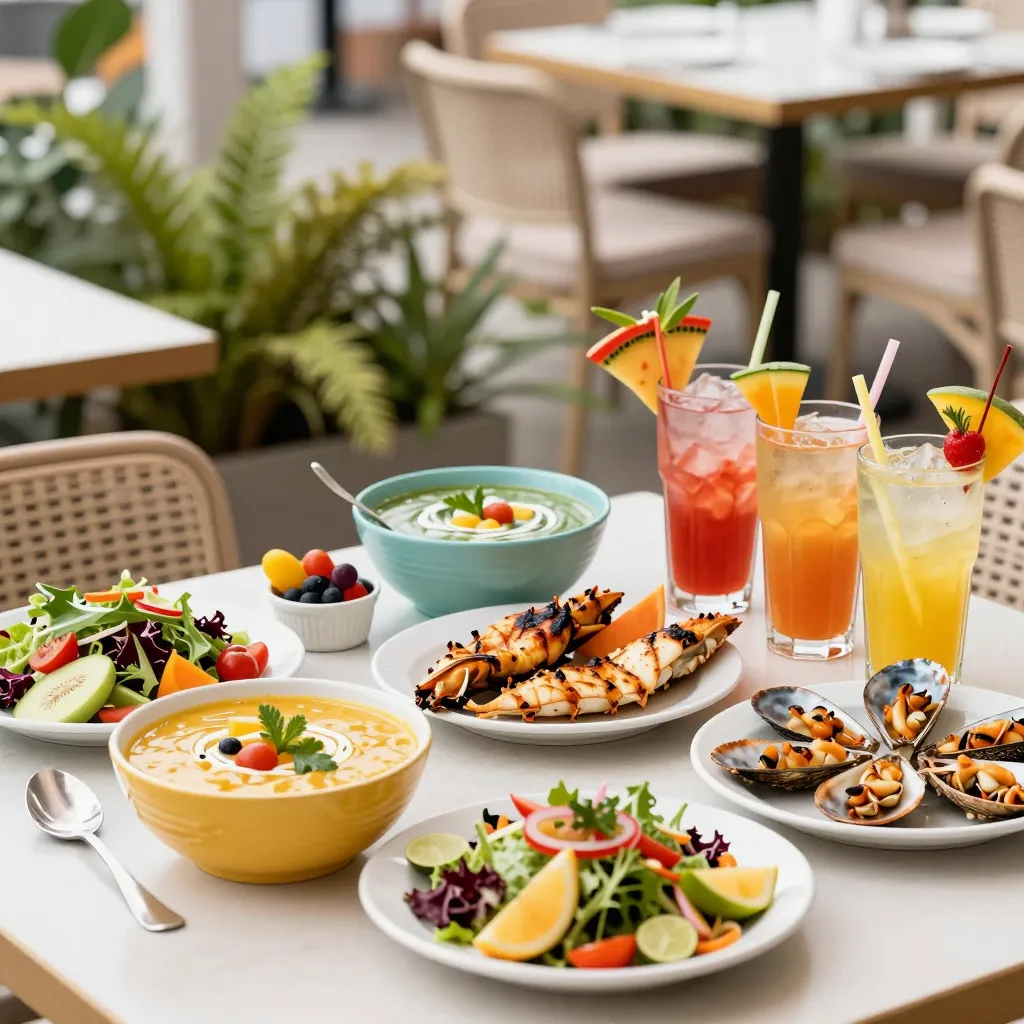
As we move into 2026, the definition of "seasonal" has evolved from simply using what is currently in season to hyper-localizing sourcing based on micro-climates and extreme weather resilience. Restaurant owners are being pushed to rethink their supply chains. The trend is no longer just about using fresh tomatoes in July; it is about utilizing heirloom varieties that thrive in specific local conditions to reduce water usage and carbon footprint. This approach aligns perfectly with the modern diner's desire for transparency. When a guest sees a menu item made from "locally grown, drought-resistant heirloom beets," they understand exactly the story behind their plate.
For 2026, the hottest ideas involve integrating ingredients that require less water and grow in heat. Think watermelon rinds transformed into savory chips, drought-tolerant herbs like oregano and thyme used as garnishes, and root vegetables that store well during hot spells. The key for restaurant managers is to communicate this effort to the customer. A digital menu powered by a platform like upQR allows you to add dynamic fields where you can highlight the specific farm the produce came from and the water-saving techniques used to grow it. This builds trust and educates the consumer, turning a simple meal into a statement of environmental responsibility.
Consider the example of a cafe in a dry region that switches its main protein source to legumes and beans during the hottest months of summer. These ingredients are not only sustainable but also naturally cooling for the body. By featuring these items prominently on a QR menu, you can pair them with descriptions that explain the nutritional benefits of staying hydrated and cool while dining. This practical insight helps customers make better choices for their health while supporting a sustainable business model.
Cooling Down: The Science of Low-Calorie Refreshment
With global temperatures rising and consumers becoming more health-conscious, the summer of 2026 is all about hydration without heaviness. The trend moving away from sugary sodas and heavy cream-based drinks is accelerating. Instead, the hottest food ideas for restaurants involve "functional refreshments." These are beverages and light bites that offer electrolyte balance and sustained energy. Think of menu items that combine cold-pressed juices with adaptogens like ashwagandha or reishi, designed to help customers manage stress while enjoying the summer sun.
Restaurants can capitalize on this by creating signature mocktails that are visually stunning but nutritionally dense. For instance, a "Mint & Electrolyte Spritz" made with coconut water, cucumber, and a pinch of sea salt offers a cooling effect without the crash of high sugar. When presenting these on a digital menu, you can include nutritional breakdowns that show the low calorie count and high hydration value. This transparency is crucial; customers want to know exactly what they are drinking. A QR code menu makes it easy to list ingredients clearly, ensuring there are no hidden sugars or allergens, which is a core value for the modern consumer.
Furthermore, the concept of "cooling foods" extends to the main course. Soups and salads are back, but in a new form. Cold noodle dishes, gazpachos, and chilled grain bowls are the stars. These dishes often feature high-protein plant-based options like quinoa or chickpeas, which keep diners full longer than carb-heavy pasta salads. By featuring these items on your upQR menu, you can use the layout to suggest pairings, such as a side of spicy salsa that adds heat to counteract the cold nature of the soup, creating a balanced dining experience.
Texture Play: The Return of Crunch and Contrast
In the sweltering heat of summer, the texture of food becomes paramount. The trend for 2026 is a deliberate focus on contrast. After a meal of soft, cold salads or smoothies, diners crave a burst of crispness. This is why the "crunch factor" is the hottest food idea for summer restaurants. Think of menu items that pair creamy bases with sharp, crunchy toppings. A cold avocado toast topped with crispy fried kale chips or a chilled gazpacho served with a side of toasted sourdough croutons and pickled onions.
Restaurants can elevate their summer offerings by focusing on house-made crackers, artisanal breads, and fresh herbs that add textural variety. For example, a summer burger might be served on a toasted brioche bun with a side of pickled vegetables to cut through the fat and add acidity. When you digitize your menu with upQR, you can use high-resolution photography to highlight these textural elements. A close-up shot of a crispy element on a soft base can entice a customer more effectively than a generic stock photo. This visual storytelling helps customers visualize the mouthfeel of the dish before they even order.
Another angle on texture is the use of frozen elements that melt in the mouth, providing a cooling sensation without making the dish soggy. Ice cream floats, sorbet scoops, and granita desserts are perfect for this. However, the trend is moving toward savory applications too. Think of a warm salad where the greens are wilted slightly at the table, contrasting with a cold, crisp vinaigrette. This interplay of hot and cold, soft and crunchy, keeps the dining experience exciting and engaging, even in high temperatures.
Sustainability in Action: Zero-Waste Menu Engineering
The summer of 2026 will see a massive push for zero-waste menu engineering. Customers are no longer just interested in the end product; they want to know that the restaurant cares about the planet. The hottest food ideas involve utilizing every part of the ingredient. This means making pesto from stems, stocks from bones, and garnishes from peels. By implementing a "root-to-stem" philosophy, restaurants can significantly reduce their environmental impact and often lower their food costs, a double win for business owners.
How does this translate to the customer experience? It starts with the menu description. Instead of a generic "vegetable stir-fry," a digital menu can list "stir-fry featuring stems from yesterday's harvest, upcycled into a nutrient-dense broth." This level of detail fosters a deep connection between the diner and the source of their food. Platforms like upQR allow for dynamic content updates, so if a specific ingredient is scarce or being upcycled, you can highlight it as a "Chef's Special of the Day." This creates a sense of urgency and exclusivity, encouraging customers to try items they might otherwise skip.
Transparency is key here. If a restaurant cannot source a specific ingredient sustainably, they should be honest about it on the menu. Digital menus make it easy to add notes like "Currently using imported avocados due to local drought conditions; please stay tuned for local updates." This honesty builds a loyal customer base that values integrity over convenience. It shows that the restaurant is actively managing its supply chain responsibly, adapting to climate challenges rather than ignoring them.
Personalization at Scale: The Digital Menu Advantage
One of the biggest challenges for restaurants in 2026 is catering to a diverse crowd without creating hundreds of physical menus. The solution lies in the power of digital QR menus. The hottest trend is not just in the food, but in how the menu adapts to the diner. With upQR, you can create dynamic fields that allow customers to filter by dietary needs instantly. A customer can select "Gluten-Free" or "Vegan" on the digital menu, and the system can highlight only the relevant items, or even suggest modifications to standard dishes.
This level of personalization was impossible with printed menus. In the past, a restaurant had to print a separate "Allergy Menu" that often sat gathering dust. Now, the menu can be tailored in real-time. If a customer selects a dietary filter, the system can also suggest pairings that complement their needs, such as suggesting a nut-free dressing for a salad. This proactive approach to service makes the customer feel understood and cared for.
Furthermore, digital menus can be updated instantly based on inventory levels. If a specific summer ingredient is running low, the manager can remove it from the digital menu before the customer even scans the code. This prevents the frustration of ordering an item that is no longer available. The ability to push notifications or updates directly to the customer's phone ensures that everyone is on the same page, reducing wait times and kitchen errors. This efficiency is a direct result of embracing technology that prioritizes the customer's time and experience.
Building a Resilient Summer Business
As you plan your summer menu for 2026, remember that the goal is to create a dining experience that is as refreshing as the weather. By focusing on hyper-seasonal ingredients, functional refreshments, textural contrasts, zero-waste practices, and digital personalization, you can set your restaurant apart from the competition. The food ideas that resonate most are those that tell a story of sustainability, honesty, and care.
Implementing these trends requires a strategic shift, but the tools are now available to make it seamless. A platform like upQR serves as the backbone for this transformation. It allows you to present your innovative summer dishes with clarity, ensuring that every customer knows exactly what they are ordering. From highlighting the farm where your tomatoes were grown to filtering out allergens for your guests, upQR empowers you to deliver the transparency and environmental consciousness that your customers demand.
Don't let the summer heat dictate your business; let it inspire your creativity. Use the trends of 2026 to craft a menu that is not only delicious but also responsible and inclusive. By adopting a digital-first approach, you ensure that your restaurant remains accessible to everyone, regardless of their dietary needs or language. Embrace the future of food service, where technology and sustainability work together to create a better dining experience for all.
Related Posts
Ready to create your digital menu?
Create your QR menu in minutes and reach your customers in any language.