
How Restaurant Chains Test New Menu Items with QR Menus
Learn how chains use digital QR menus for low-risk product testing, gathering real-time data, and refining recipes before a full-scale launch.
The Strategic Advantage of Digital Testing for Restaurant Chains
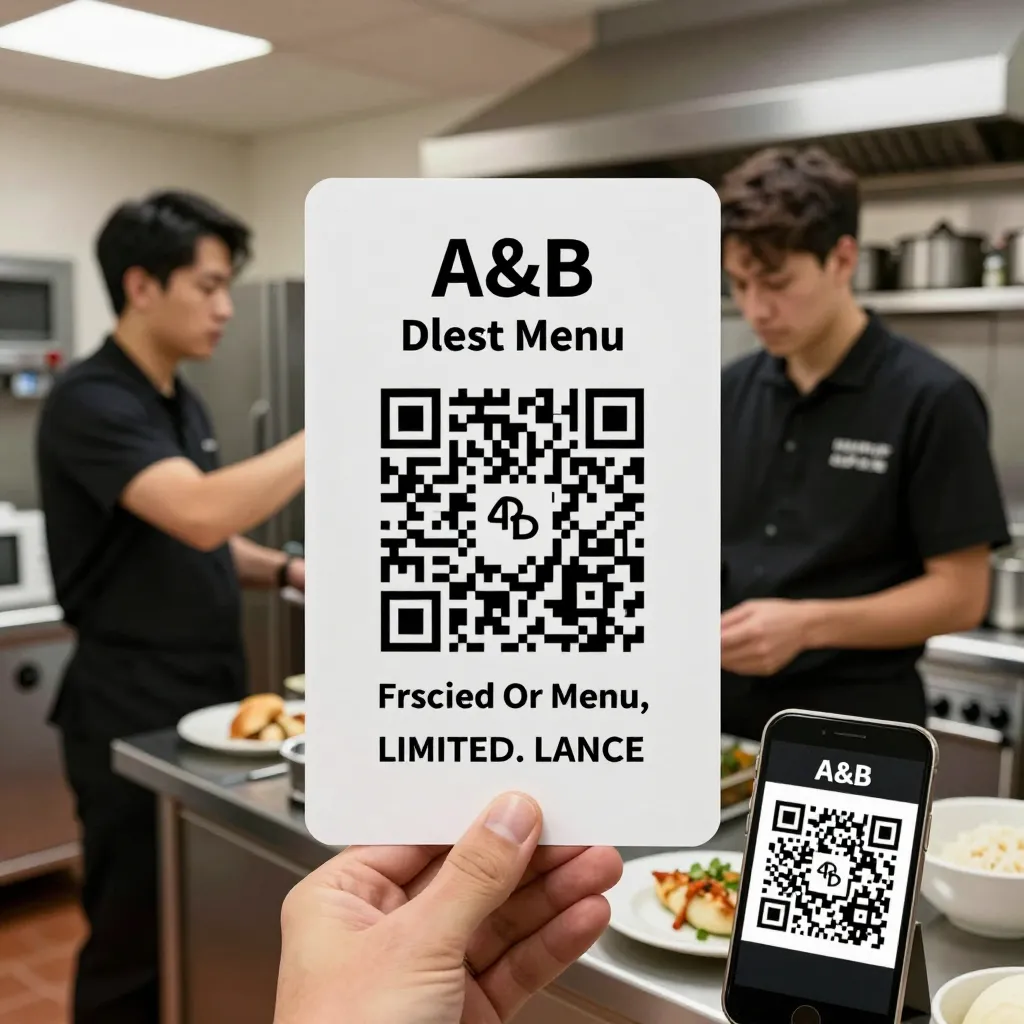
For restaurant chains and multi-location operators, innovation is the lifeblood of growth, but innovation carries significant financial risk. Introducing a new dish to every location simultaneously can lead to catastrophic waste if the recipe fails or if the market reception is poor. This is where digital QR menus, powered by platforms like upQR, become a strategic asset rather than just a convenience for customers.
Traditionally, testing a new item required a "soft launch" in a single physical location. While this reduced risk slightly, it still incurred full food costs, labor costs, and inventory management burdens for that specific dish. With a digital menu system, chains can effectively run A/B tests on new products across dozens of locations simultaneously without touching a single ingredient until they are ready for a full rollout.
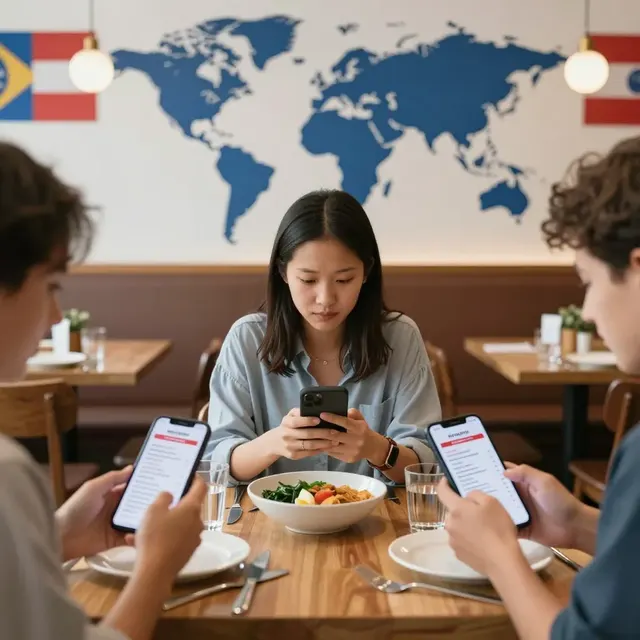
The shift to paperless dining has fundamentally changed the supply chain and menu engineering landscape. By moving the menu to a digital screen accessible via a smartphone, operators gain real-time control over what is visible to the customer. This allows for a "test and learn" phase that is faster, cheaper, and more data-rich than any traditional method. Instead of guessing which items will fly, chains can look at the data dashboard to see exactly how many times a new item is scanned, viewed, and ordered.
Minimizing Risk Through Phased Digital Rollouts
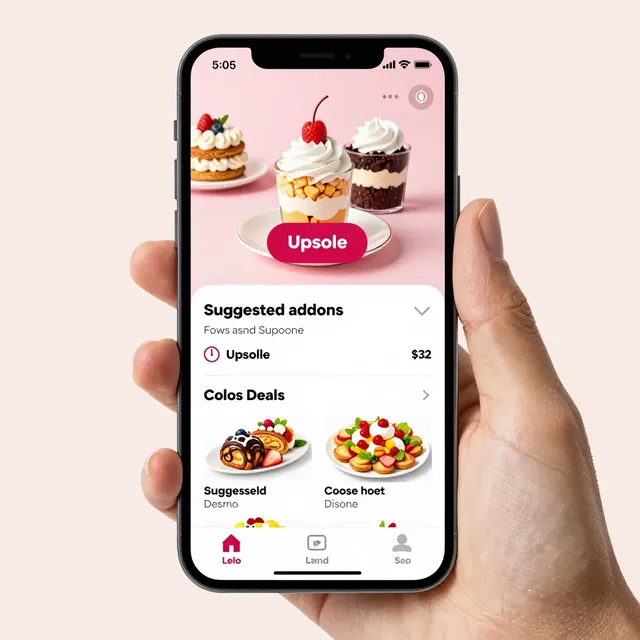
The most effective way to use a QR menu for product testing is through a phased rollout strategy. Imagine a chain wants to launch a new spicy curry. Instead of printing this item on paper menus for 50 locations, they upload it to the upQR platform with a specific "Beta Tester" tag or a limited-time offer badge.
During this phase, the item is only visible to customers who actively scan the QR code and are perhaps in a specific geographic region or are part of a loyalty program. The operator can monitor three critical metrics during this low-risk window:
- View-to-Order Ratio: How many people saw the item but didn't order it? A low conversion rate might indicate the description wasn't appealing, the photo was unappealing, or the price was too high.
- Preparation Time Data: The digital system can track how long it takes for the kitchen to fulfill the order. If the new item consistently causes delays, the kitchen can adjust workflows before the item hits the main menu permanently.
- Waste Reduction: If the item is not selling well during the test phase, the kitchen can simply remove it from the digital menu instantly. There is no need to throw away printed menus or deal with spoiled inventory that was prepared for a soft launch.
This agility is the primary benefit of upQR. In a physical restaurant, changing the menu takes hours or days. In a digital environment, a failing test item can be hidden within minutes, protecting the restaurant's bottom line. This capability allows chains to fail fast and cheaply, iterating on recipes until they hit the perfect formula before committing to a full-scale production run.
Leveraging Customer Feedback and Transparency for Recipe Refinement
One of the core values of upQR is transparency, which plays a crucial role in product testing. When a chain is testing a new item, they often face a challenge: customers are hesitant to try something new if they don't know exactly what is in it. Digital menus solve this by allowing operators to display detailed ingredient lists, allergen information, and sourcing stories directly on the screen.
By utilizing these transparency features, chains can gather high-quality feedback. For example, if a chain introduces a new plant-based burger, they can highlight the specific vegetables and proteins used. If the feedback indicates that customers are concerned about sodium content, the digital menu can be updated instantly to show the sodium count per serving or offer a "low-sodium" variation of the same item.
This level of detail transforms customer complaints into actionable data. Instead of a vague complaint like "I didn't like the texture," a customer might comment on the menu feedback form that "the bun was too soggy." The chain can then adjust the recipe and immediately update the digital menu description to reflect the change, such as adding "Now served on a toasted, crispier bun." This iterative process ensures that by the time the item is fully launched, the recipe is optimized based on real-world feedback, not just kitchen theory.
Furthermore, the ability to update photos instantly is a massive advantage. During a test phase, a dish might look different in the kitchen than it does in the lighting of a specific restaurant location. If the digital menu allows for location-specific photos, the chain can curate the best image for the specific lighting conditions of each location, ensuring the food looks as appetizing as possible. This visual optimization directly correlates with higher order rates, providing a clearer signal of whether the product is truly a winner.
Understanding Regional Preferences with Location-Specific Menus
Restaurant chains operate in diverse markets, and what works in a coastal city might not work in a mountain town. UpQR's platform allows for location-specific menu management, which is essential for regional product testing. A chain can upload the same new item to all locations but enable it only in regions where the flavor profile aligns with local tastes.
For instance, a new dessert with strong citrus notes might perform exceptionally well in Florida but struggle in Minnesota. By using the digital menu to restrict the item's availability to specific zip codes or regions, the chain can test the product's viability without alienating customers in other locations. If the item performs well in the initial test regions, the chain can then gradually roll it out to the rest of the network, adjusting the recipe or marketing copy based on the regional data they collected.
This granular control also helps in managing inventory logistics. If a new item requires a specific ingredient that is only available in certain parts of the supply chain, the digital menu can reflect this availability in real-time. Customers in areas where the ingredient is out of stock won't see the item, preventing frustration and negative reviews. As the supply chain stabilizes, the item can be made available everywhere. This seamless integration of inventory data into the customer-facing interface demonstrates the maturity of the digital menu system and builds trust with the consumer.
Measuring Success with Real-Time Analytics and ROI
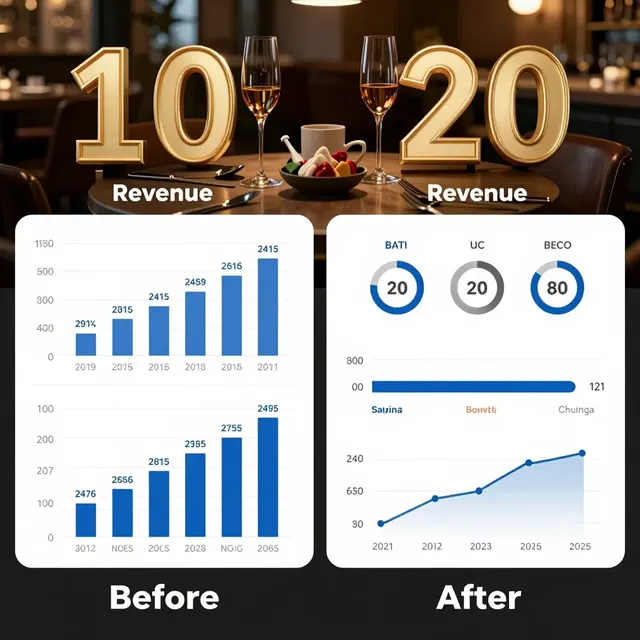
The ultimate goal of product testing is to determine if the new item is worth the investment. With a QR menu platform like upQR, the return on investment (ROI) for a new product can be calculated with precision. The analytics dashboard provides a clear picture of the item's performance over time, offering insights that go beyond simple sales numbers.
Chains can analyze the customer journey for new items. Do customers scan the menu, scroll past the new item, and order something else? Or do they pause, read the description, and order it? The time spent viewing an item is a strong indicator of interest. If customers are viewing a new item frequently but not ordering it, the issue is likely the price or the description. If they are ordering it but leaving negative reviews, the issue is likely the taste or quality.
Consider the case of a chain testing a new seasonal salad. The data shows that customers view the item 200 times a week but only order it 20 times. The analytics reveal that the price is perceived as too high compared to similar salads in the region. The chain can then adjust the price or modify the ingredient list to increase value perception. Once the metrics show a sustained increase in the view-to-order ratio over a two-week period, the chain can confidently launch the item as a permanent menu feature.
This data-driven approach eliminates the guesswork that often plagues the food industry. It allows restaurant owners and managers to make informed decisions about which products to keep, which to tweak, and which to discard. By treating every new menu item as a data experiment, chains can maintain a menu that is always fresh, relevant, and profitable, all while upholding their commitment to sustainability by reducing food waste through precise demand forecasting.
Conclusion
In the competitive landscape of modern dining, the ability to innovate without taking unnecessary risks is a decisive advantage. Restaurant chains are increasingly turning to digital QR menus not just for convenience, but as a sophisticated tool for product development and market research. Platforms like upQR enable a testing environment that is transparent, agile, and deeply insightful.
By leveraging location-specific menus, real-time analytics, and detailed ingredient transparency, operators can refine their recipes and marketing strategies before a full-scale launch. This approach minimizes food waste, respects the customer's time, and ensures that every new item on the menu is a winner. Whether you are a small cafe looking to test a new seasonal treat or a large chain expanding your portfolio, the digital menu is the key to unlocking a smarter, more sustainable, and more profitable future for your business.
Related Posts
Ready to create your digital menu?
Create your QR menu in minutes and reach your customers in any language.