
How Stadium Restaurants Use QR Ordering for Massive Crowds
Discover how stadium and arena operators leverage digital QR menus to handle thousands of simultaneous orders, reduce wait times, and enhance fan experiences during high-stakes events.
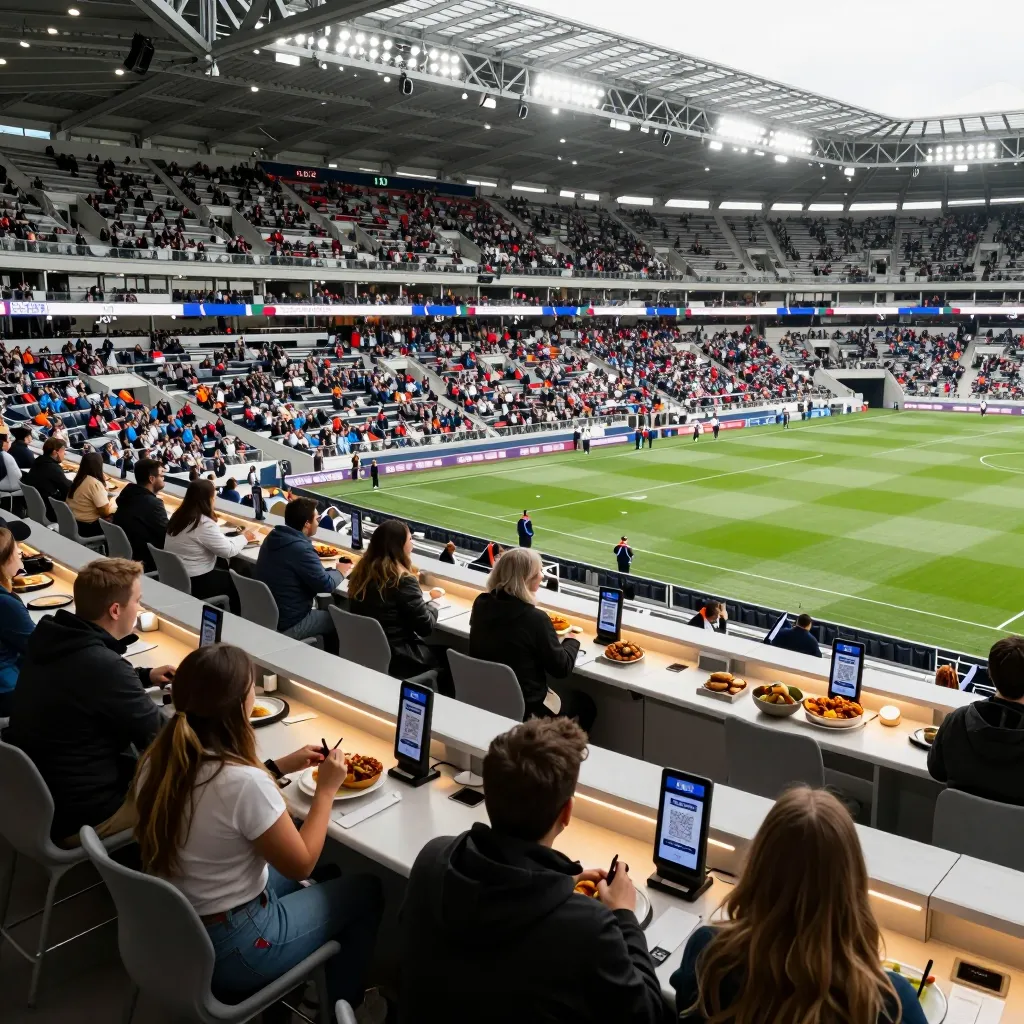
The High-Stakes Challenge of Stadium Food Service
Managing a food service operation inside a stadium or arena is one of the most complex challenges in the restaurant industry. Unlike a standard bistro where a guest orders one item and waits, stadium environments operate under unique constraints: massive foot traffic, strict timing windows, and the need to serve thousands of patrons simultaneously. The traditional paper menu model often fails here, creating bottlenecks that lead to long lines, overcrowded concourses, and frustrated fans who have paid premium prices for a subpar experience.
When 20,000 fans arrive for a championship game, the demand for food spikes exponentially. If every fan waits in line to order from a paper menu, the kitchen becomes overwhelmed, leading to delayed service and food quality degradation. This is where digital transformation becomes not just an option, but a necessity for operational survival.
The shift toward QR code ordering in these environments addresses three critical pain points: speed, accuracy, and capacity. By digitizing the menu, operators can streamline the ordering process, allowing fans to order from their seats or while walking through concourses without stopping at a single physical register. This decentralization of the ordering process is the key to handling the sheer volume of transactions required in major sports venues.
Scaling Operations: Handling Thousands of Simultaneous Orders
The primary advantage of implementing a digital QR menu system in a stadium setting is the ability to scale operations effortlessly. In a traditional setup, a single register can only process a limited number of transactions per minute. If a fan has to wait in line to order, the throughput of the entire venue is capped by the speed of that single point of sale.
With upQR's digital platform, every seat or concourse location can act as its own ordering terminal. When a fan scans a QR code, they are taken directly to the digital menu. They can customize their order, view nutritional information, and complete payment instantly. This capability allows the kitchen to receive orders in real-time, batched by category rather than a chaotic stream of individual requests. For example, if 50 fans in Section 104 want a specific burger, the kitchen receives a consolidated order, optimizing prep time and reducing waste.
Industry data supports this shift. According to recent studies on stadium food service, venues that adopted digital ordering systems reported a 30% increase in transaction speed during peak event hours. Furthermore, these systems reduce the physical footprint of ordering stations, freeing up valuable concourse space for more seating or better crowd flow. The ability to handle thousands of concurrent connections is built into the architecture of modern QR solutions, ensuring that even during the busiest moments of a game, the system remains responsive and reliable.
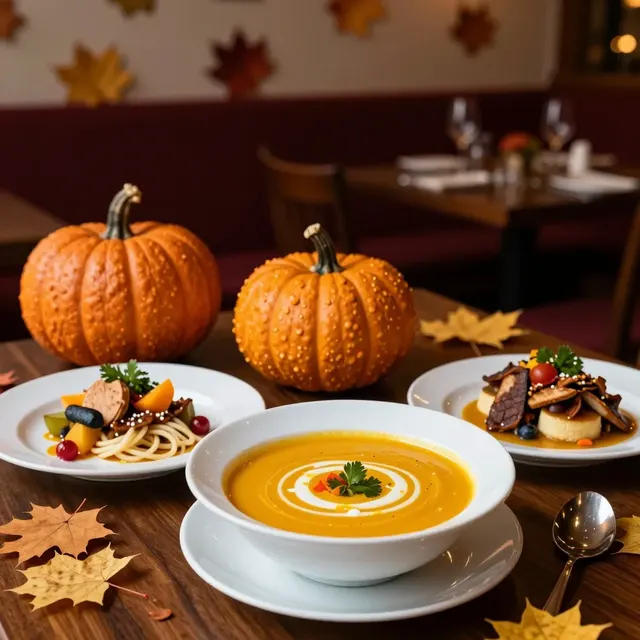
Enhancing the Fan Experience Through Transparency and Speed
Beyond operational efficiency, the fan experience is significantly improved through the transparency and speed offered by digital menus. Stadium fans are often hungry, tired, and in a hurry. A long line to order food can ruin the excitement of the event. Digital ordering eliminates the wait, allowing fans to grab a bite and return to their seats or continue watching the game without interruption.
Transparency is another crucial factor. In a noisy stadium environment, fans may not be able to read small print on paper menus. Digital menus allow for larger fonts, clear imagery, and detailed descriptions that can be easily read on any smartphone screen. More importantly, they provide access to essential information that paper menus cannot easily convey, such as allergen warnings, ingredient lists, and dietary labels. This level of honesty and accuracy builds trust with the customer.
Imagine a fan with a gluten intolerance or a specific dietary restriction. On a paper menu, they might miss a hidden ingredient or misread a description. With a digital menu powered by upQR, they can instantly filter options or see clear tags indicating "Contains Gluten" or "Vegetarian." This ensures that every fan knows exactly what they are ordering, preventing allergic reactions and dietary mistakes. For stadium operators, this commitment to safety and accuracy is a vital part of their brand reputation.
Operational Agility: Managing Dynamic Menus and Events
Stadiums often host diverse events beyond sports, including concerts, family shows, and corporate functions. Each event type may require a different menu strategy. Paper menus are static; once printed, they cannot be changed until the next reprint cycle, which is costly and time-consuming. Digital menus offer the agility needed to adapt to these changing circumstances instantly.
For instance, during a concert where alcohol consumption is higher, the digital menu can be updated to highlight craft beers and signature cocktails, while reducing the prominence of heavy appetizers. Conversely, for a family-friendly event, the menu can automatically surface kid-friendly options and adjust portion sizes or pricing. This dynamic capability allows food and beverage directors to react to real-time trends or specific event themes without logistical delays.
Furthermore, dynamic menus enable operators to manage inventory more effectively. If a specific ingredient is running low, the digital menu can temporarily hide that item or suggest an alternative, preventing kitchen waste and customer disappointment. This level of control is impossible with paper menus. The ability to push updates to thousands of devices simultaneously ensures that the information presented to the fan is always accurate, reflecting the current state of the kitchen and bar.
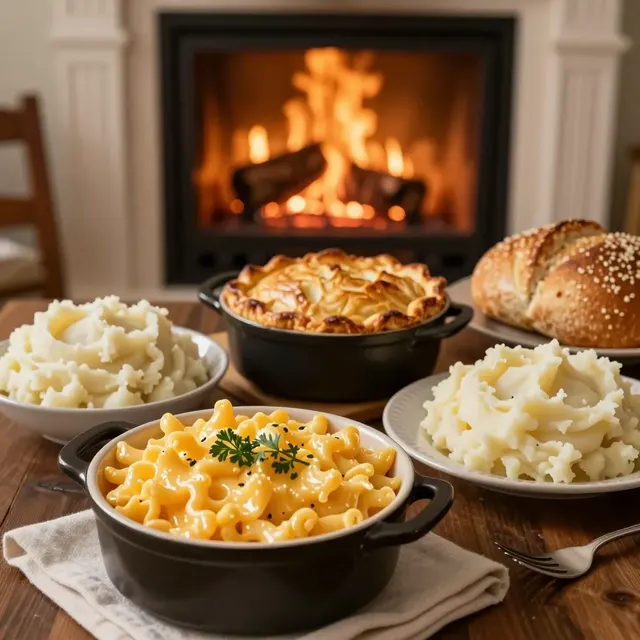
Maximizing Revenue Through Upselling and Data Insights
One of the most significant benefits of digital QR ordering is the opportunity to increase average order value through strategic upselling. Digital interfaces can be designed to suggest add-ons and upgrades at the point of decision. When a fan is selecting a burger, the system can prompt them to add a premium sauce, an extra cheese, or a side of fries with a single tap. These suggestions are often more effective than a server's verbal pitch because they appear directly on the screen the customer is using to make their choice.
Stadium operators can also leverage data insights to optimize their offerings. Digital ordering systems track exactly what fans order, what they skip, and what times of the day are busiest. This data helps operators make informed decisions about menu engineering, pricing strategies, and inventory procurement. For example, if data shows that a specific appetizer is consistently under-ordered, the operator can adjust the recipe, change the description, or reposition it on the digital menu to improve sales.
The revenue impact is substantial. Venues that implement digital ordering with built-in upselling features often see a 15-20% increase in food and beverage sales per head. This is because the friction of ordering is removed, and the customer is guided toward higher-margin items. Additionally, the seamless payment process reduces the likelihood of customers abandoning their orders due to payment failures or long lines at the register.
Building a Sustainable Future for Food Service
Finally, the adoption of QR ordering aligns with the growing consumer demand for sustainability. Stadiums and arenas are increasingly under scrutiny regarding their environmental impact. The traditional paper menu industry generates a massive amount of waste, with millions of menus printed and discarded after each event. By switching to digital menus, stadiums can significantly reduce their carbon footprint and eliminate paper waste.
upQR's platform is designed with environmental consciousness at its core. The digital menu lives on a server, accessible infinitely without the need for physical reprints. This not only saves trees but also reduces the logistical burden of printing and distributing materials for every event. For a venue hosting hundreds of events a year, this reduction in waste translates to a measurable positive impact on the planet.
Sustainability is also about transparency. Digital menus allow operators to highlight local sourcing, organic ingredients, and sustainable practices directly on the screen. Fans can see exactly where their food comes from, fostering a connection between the consumer and the producer. This honesty and commitment to the environment resonate with modern consumers who are increasingly conscious of their purchasing decisions. By choosing a digital solution, stadiums demonstrate their leadership in responsible business practices.
Conclusion
The transition to digital QR ordering is no longer a luxury for stadium and arena restaurants; it is a fundamental requirement for success in the modern food service landscape. By leveraging platforms like upQR, operators can handle thousands of simultaneous orders with ease, enhance the fan experience through speed and transparency, and adapt their menus to meet the unique demands of every event. The combination of operational efficiency, revenue growth, and environmental responsibility makes the digital QR menu the ideal solution for the high-pressure environment of professional sports venues.
Related Posts

Ready to create your digital menu?
Create your QR menu in minutes and reach your customers in any language.