
Sustainable Packaging & QR Codes: The Ultimate Guide
Discover how integrating QR codes with eco-friendly packaging reduces waste, lowers costs, and builds trust with modern diners who demand transparency.
Why Sustainable Packaging is No Longer Optional
For years, the restaurant industry relied heavily on single-use plastics, excessive cardboard, and non-recyclable materials. However, the tide is turning. A recent study by the World Economic Forum indicates that by 2050, plastics could outweigh fish in the world's oceans by weight. For restaurant owners and cafe managers, this is not just an environmental concern; it is a business imperative. Consumers are increasingly holding businesses accountable for their carbon footprint. According to a 2023 survey by Nielsen, 73% of global consumers say they would definitely or probably change their consumption habits to reduce their environmental impact.
Adopting sustainable packaging signals that your establishment cares about the planet and its community. But beyond the moral obligation, there are tangible financial benefits. Sustainable materials often come in smaller, more efficient designs that reduce shipping costs. Furthermore, customers are willing to pay a premium for brands that align with their values. When you switch to biodegradable containers or compostable cutlery, you are not just reducing waste; you are investing in your brand's reputation and future profitability.
The Power of Digital Integration in Reducing Physical Waste
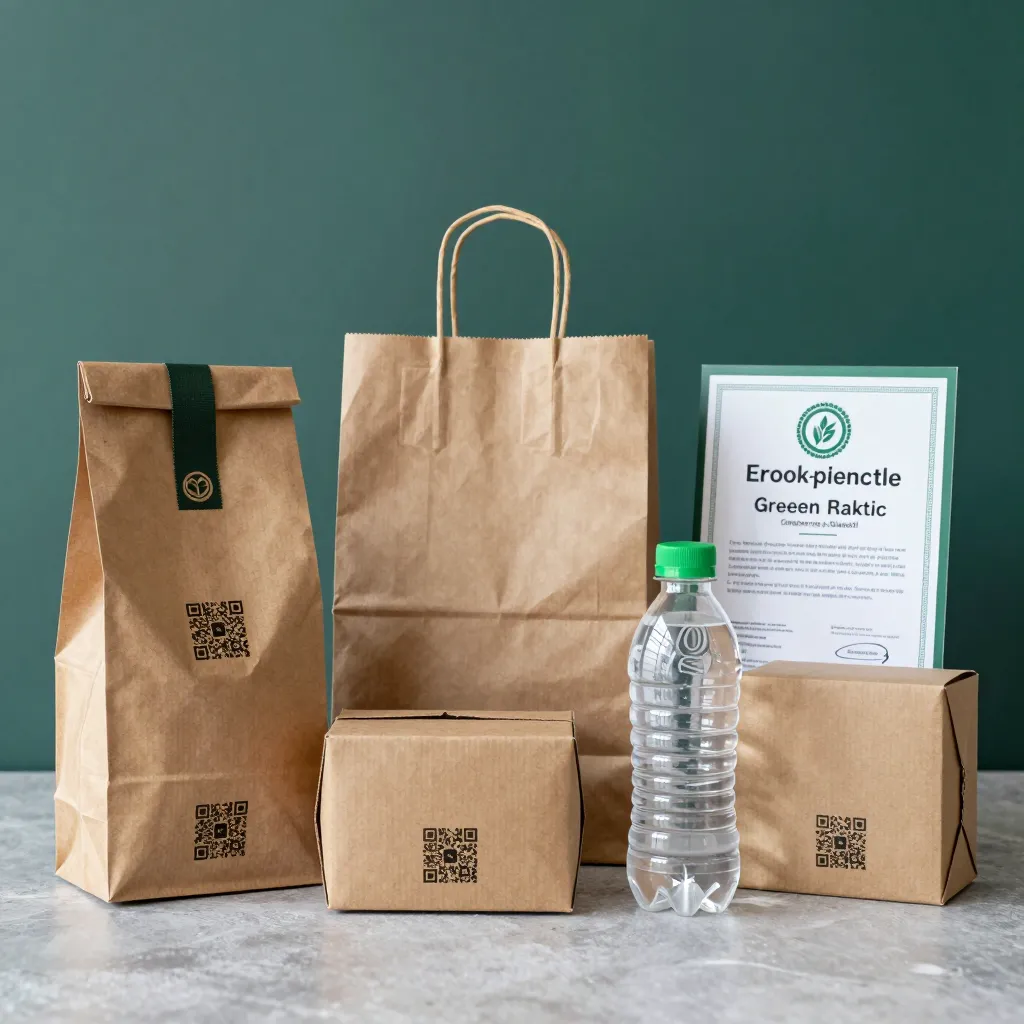
One of the most effective ways to slash waste generation is by reducing the amount of printed material that ends up in the trash. Traditional takeout boxes often come with printed menus, promotional flyers, and receipts that are immediately discarded. By integrating a digital QR code directly onto your sustainable packaging, you eliminate the need for these paper inserts entirely. This simple shift transforms your packaging from a waste generator into a digital touchpoint.
Imagine a customer receiving a beautifully designed, compostable meal box. Instead of finding a flimsy paper menu tucked inside, they see a QR code printed clearly on the lid. Scanning this code takes them instantly to your upQR digital menu. This approach serves multiple purposes: it keeps the packaging clean and uncluttered, it provides up-to-date pricing and allergen information instantly, and it allows you to push digital promotions without printing new flyers. Every scan represents a reduction in paper waste, contributing to your overall sustainability goals.
Building Trust Through Radical Transparency
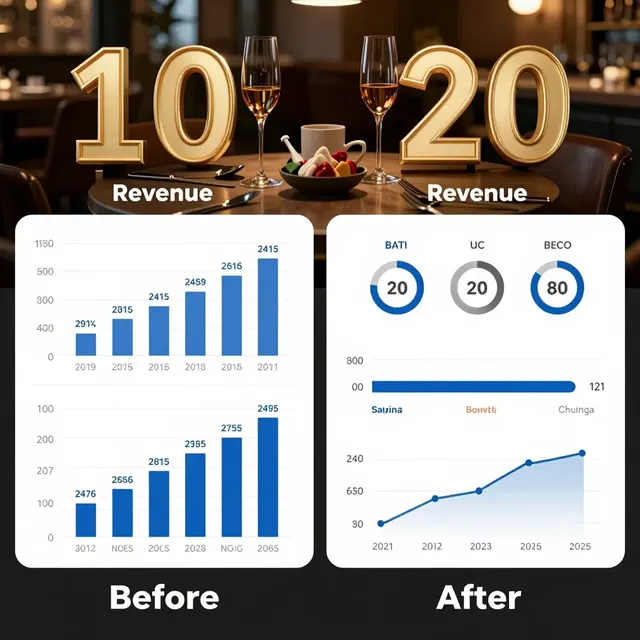
Sustainability is not just about the materials you use; it is about what you communicate. Many consumers today suffer from "greenwashing" fatigue. They are skeptical of vague claims like "eco-friendly" without proof. This is where the transparency values of upQR shine. A digital menu allows you to display detailed ingredient lists, sourcing information, and allergen warnings with absolute honesty. You can highlight that your packaging is made from 100% recycled materials or explain exactly how your compostable cutlery breaks down.
Consider the scenario where a customer has a severe nut allergy. With a printed menu, they might skim the page, miss the warning, and risk a dangerous reaction. With a QR code menu, they can instantly access a comprehensive allergen dashboard. This level of detail builds immense trust. When customers see that you are willing to be transparent about every aspect of their meal-from the source of the beef to the type of plastic-free wrap used-they feel safe and valued. This trust translates directly into loyalty and repeat business.
Universal Access: Serving Everyone, Every Time
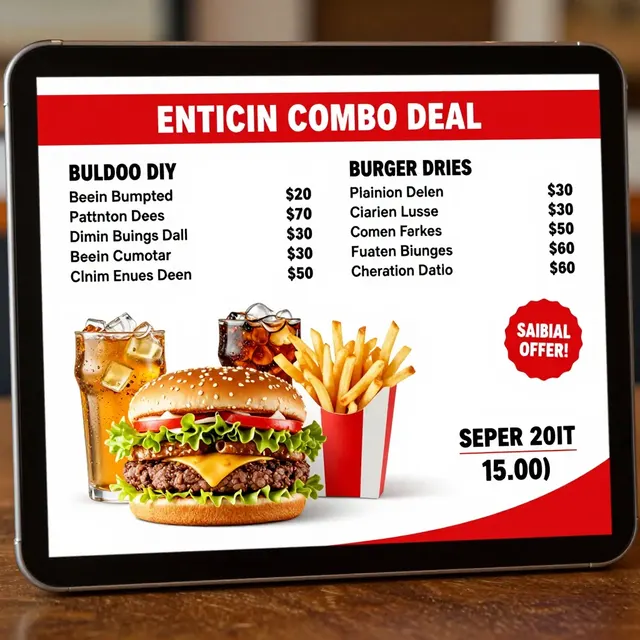
Sustainability also intersects with inclusivity. A truly green restaurant is one that serves everyone, regardless of their abilities or dietary needs. Traditional paper menus often fail to accommodate visually impaired customers or those with dyslexia. By integrating QR codes, you democratize access to your menu. The upQR platform can offer features like adjustable font sizes, high-contrast modes, and text-to-speech compatibility, ensuring that every customer can order comfortably.
Furthermore, language barriers are a common issue in diverse cities. A physical menu might only be available in one language, alienating potential customers. A digital QR menu can be easily translated into multiple languages instantly, ensuring that your sustainable efforts do not exclude anyone. This universal access aligns perfectly with the mission of providing honest, accurate information to everyone. It ensures that the transition to sustainable packaging does not come at the cost of accessibility. Instead, it enhances the dining experience for a wider audience, making your restaurant a welcoming hub for the entire community.
Optimizing Your Digital Menu for Maximum Impact
Integrating a QR code is only half the battle; the content behind the link must be optimized to support your sustainability narrative. Your upQR menu should be a storytelling tool that educates diners on your green initiatives. You can create dedicated sections for "Our Commitment to the Planet," detailing your switch to plant-based oils, local sourcing, and zero-waste kitchen practices.
Use the digital format to showcase the packaging itself. Include photos of your new biodegradable boxes or explain the lifecycle of your reusable containers. You can even implement a "scan to recycle" feature, where scanning the code provides step-by-step instructions on how to properly dispose of your packaging, ensuring it actually reaches a composting facility. Additionally, dynamic QR codes allow you to update content in real-time. If a new sustainable supplier is found, you can update the menu description instantly without reprinting anything. This agility keeps your information accurate and your operations efficient.
It is also wise to track engagement. upQR provides analytics that show you how many times your QR code is scanned, which menu items are most popular, and how long customers spend reading your sustainability stories. These insights can help you refine your strategy. For instance, if you notice high engagement with your "vegan options" section, you might consider expanding your plant-based offerings to further reduce your carbon footprint. Data-driven decisions ensure that your sustainability journey is continuous and impactful.
Conclusion: A Greener Future Starts with a Scan
The journey toward a sustainable restaurant industry requires a holistic approach that combines eco-friendly materials with smart technology. By adopting sustainable packaging and integrating it with a robust QR code system, you are addressing two of the biggest challenges facing modern hospitality: waste management and customer trust. You are eliminating paper waste, providing transparent information, and ensuring universal access for all your guests.
upQR is more than just a digital menu provider; it is a partner in your mission to create a better world. Our platform is built on the core values of environmental consciousness, transparency, and honesty. We help you eliminate hidden fees and misleading descriptions, ensuring that every interaction with your brand is authentic. When you choose upQR, you are choosing a future where technology and nature work together to serve delicious, responsible food. Start your transition today, scan the code, and join the movement of restaurants that are proving that business and sustainability can thrive together.
Related Posts
Ready to create your digital menu?
Create your QR menu in minutes and reach your customers in any language.