
Setting Up a QR Ordering System for Your Food Hall
Transform your food hall with a seamless QR ordering system. Learn how to eliminate lines, reduce costs, and boost sales with upQR.
Why Food Halls Need a Robust Digital Ordering System
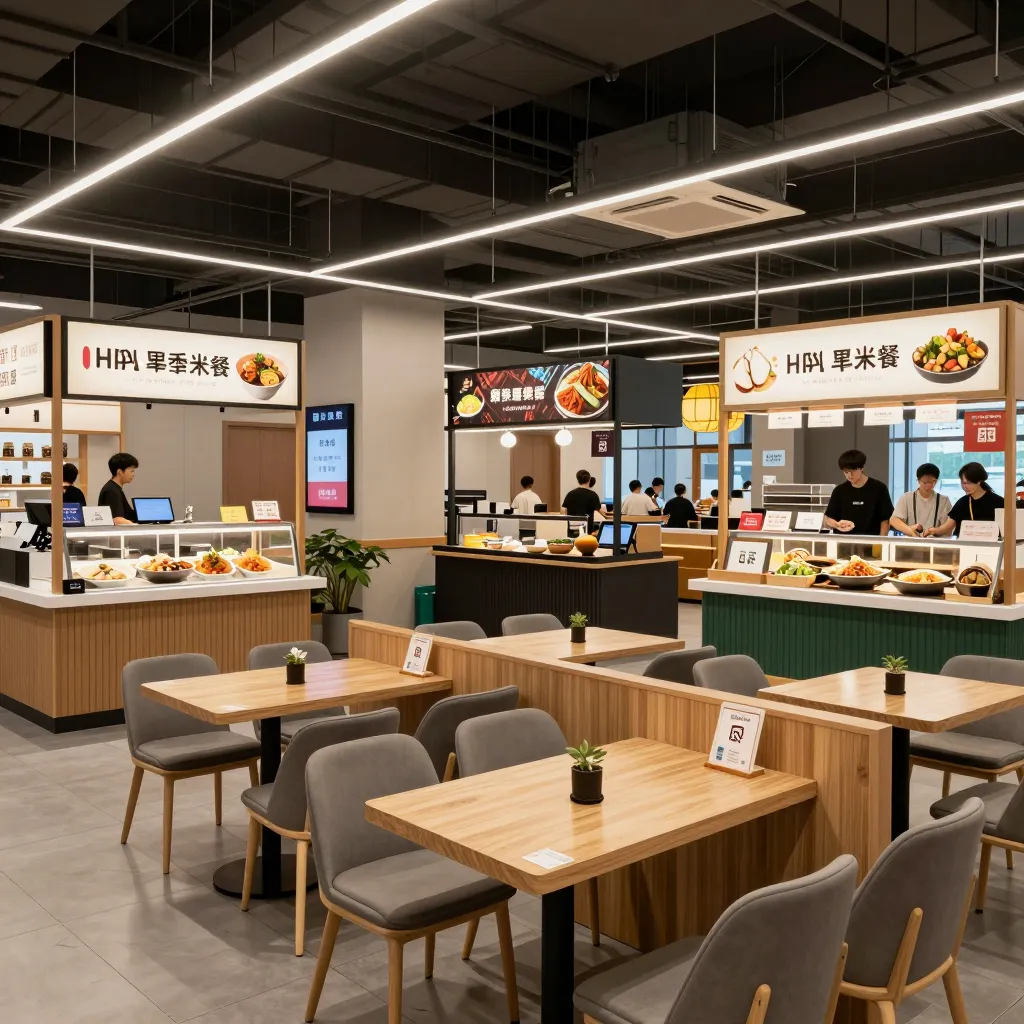
Food halls represent a unique challenge for restaurant operators. Unlike a traditional single-concept restaurant, a food hall houses multiple vendors in one location, each with their own menu, pricing, and branding. The traditional model relies heavily on a central point-of-sale (POS) system that aggregates orders from every stall, often resulting in long wait times, bottlenecks at the pickup counter, and significant labor costs for staff managing the queue. This congestion is the primary driver for customer dissatisfaction in food halls, leading to abandoned carts and negative reviews.
Implementing a dedicated QR ordering system solves these structural issues by decentralizing the ordering process. Instead of funneling every order through a single register, customers can order directly from the specific vendor they wish to support. This not only speeds up the transaction time but also empowers vendors to manage their own inventory and promotions without relying on a central manager. According to recent industry data, restaurants that adopt contactless ordering technologies report a 20% increase in average check size and a 15% reduction in customer wait times. For a food hall, this efficiency is not just a convenience; it is a necessity for maintaining high throughput during peak lunch rushes.
Furthermore, the environmental impact of food halls is often underestimated. These venues typically consume thousands of paper menus daily, contributing to significant waste. By transitioning to a digital-first approach, food halls can drastically reduce their carbon footprint. A digital menu allows for real-time updates on allergens, daily specials, and nutritional information, ensuring that customers always have access to accurate data without the need for reprinting physical materials. This aligns perfectly with the growing consumer demand for sustainable dining options, positioning the food hall as a forward-thinking destination.
Designing a Menu Structure That Works for Multiple Vendors
One of the most common mistakes food halls make when setting up a digital menu is creating a monolithic, confusing interface. Because a food hall contains dozens of different vendors, the menu structure must be intuitive enough to guide a customer from the moment they scan the code to the moment they place their order. The hierarchy should start with a clear directory of vendors, allowing users to filter by cuisine type, price range, or dietary restriction immediately.
Consider the experience of a customer entering a bustling food hall. They are likely hungry and in a hurry. If they have to scroll through a cluttered list of hundreds of items without clear categorization, they will abandon the process. An effective setup involves organizing the menu into distinct sections for each vendor, with a unified header that identifies the food hall's name and branding. Within each vendor section, items should be grouped logically-such as 'Starters,' 'Mains,' 'Sides,' and 'Beverages.' This mirrors the physical layout of the food hall, helping customers navigate the space digitally just as they would physically.
Transparency is another critical component of menu design. In a multi-vendor environment, customers may not know which vendor serves which dish. The digital menu must clearly attribute every item to its specific creator. For example, a 'Spicy Ramen' should be listed under 'Vendors: Asian Fusion,' while a 'Grilled Cheese' belongs under 'Vendors: Comfort Classics.' This clarity prevents order errors and ensures that customers feel confident in their choices. Additionally, high-quality photography is essential. Low-resolution images can make a food hall look unappealing, driving customers away. The platform should support high-definition images that showcase the texture and color of the food, making it difficult to resist clicking 'add to cart.'
Ensuring Universal Access and Dietary Clarity
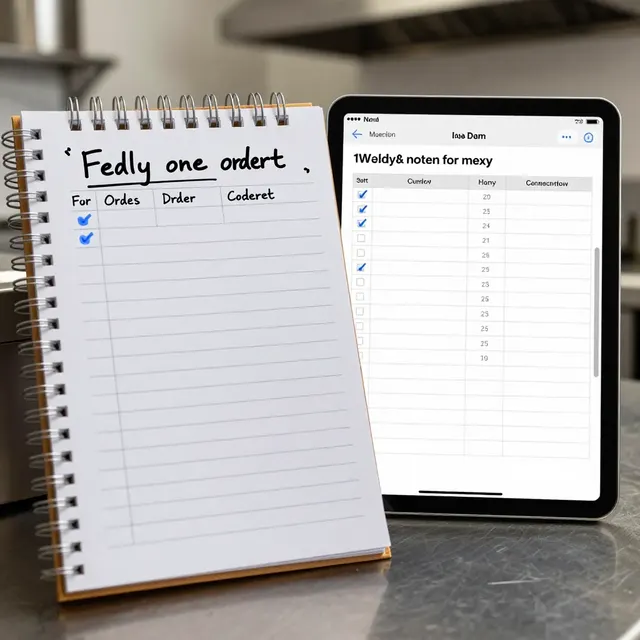
A food hall is often a melting pot of cultures, languages, and dietary needs. A digital ordering system offers a unique advantage here: the ability to provide universal access to information that transcends language barriers. Unlike a paper menu that might rely on small, indecipherable text or vague descriptions, a digital menu can include detailed ingredient lists, allergen warnings, and nutritional facts in multiple languages. This inclusivity ensures that individuals with gluten intolerance, nut allergies, or religious dietary restrictions can safely navigate the options available.
To achieve this, the setup process must include a rigorous tagging system. Every item in the digital catalog should be tagged with relevant metadata. For instance, a 'Quinoa Salad' might be tagged as 'Gluten-Free,' 'Vegan,' and 'Dairy-Free.' When a customer scans the QR code, they can filter the entire menu to show only items that meet their specific requirements. This feature is particularly powerful for customers who are dining alone or in groups with diverse needs; they can instantly find safe options without needing to ask the vendor verbally, which can be awkward in a busy environment.
Transparency also extends to pricing and sourcing. Customers today are increasingly conscious of where their food comes from. A well-configured QR menu can highlight local sourcing, fair-trade ingredients, or sustainable fishing practices directly next to the product description. This honesty builds trust between the vendor and the diner. If a vendor offers a seasonal special, they can update the menu instantly without waiting for a reprint, ensuring that customers are always aware of what is fresh and available. This dynamic capability prevents the confusion that often arises when a customer orders an item that is no longer on the physical menu.
Operational Efficiency: Managing Orders and Inventory
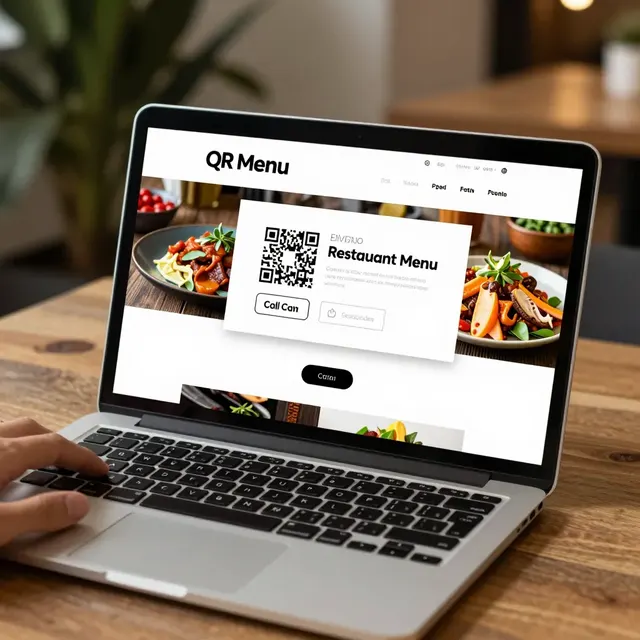
The backend of a QR ordering system is just as important as the customer-facing interface. For food hall operators, the ability to manage orders efficiently is key to preventing kitchen chaos. When a customer places an order via their phone, the system should automatically route that order to the specific vendor's station. This eliminates the need for a central runner to carry tickets around the hall, reducing labor costs and minimizing the risk of lost orders. Vendors can receive notifications on their tablets or smartphones, allowing them to prepare food in advance if they know a rush is coming, or to batch similar orders together for faster service.
Inventory management is another area where digital systems shine. In a food hall, stockouts can happen quickly, especially if multiple vendors rely on shared resources like ice or specific spices. The digital menu can be configured to disable items that are out of stock instantly. If a vendor runs out of a popular burger, they can toggle the item to 'unavailable' from their dashboard within seconds. This prevents customers from ordering items they cannot get, which leads to frustration and negative feedback. The system can also track sales velocity, providing vendors with data on which items sell best during different times of the day. This data-driven insight allows for smarter menu engineering, helping vendors optimize their offerings for maximum profitability.
Integration with the existing POS system is crucial for a seamless operation. The QR ordering platform should sync seamlessly with the food hall's central accounting software. When an order is completed via QR code, it should automatically update the vendor's sales report and inventory levels. This real-time synchronization ensures that financial records are accurate and that tax reporting is streamlined. It also allows the food hall management to monitor overall performance, seeing which vendors are driving the most traffic and revenue. This level of visibility is essential for making strategic decisions about lease agreements, vendor contracts, and marketing initiatives.
Marketing and Engagement Strategies for Digital Menus
A QR menu is not just a utility; it is a powerful marketing tool. Once the system is set up, food hall operators can leverage it to drive repeat business and increase average ticket sizes. One effective strategy is to use the digital menu to promote limited-time offers or flash sales. For example, a vendor could run a 'Happy Hour' promotion where drinks are 50% off between 2 PM and 4 PM. Because the digital menu is dynamic, this promotion can be activated and deactivated instantly, creating a sense of urgency that encourages customers to visit during off-peak hours.
Another engagement tactic is the inclusion of loyalty programs directly within the menu interface. Customers can sign up for a rewards program by scanning the QR code for the first time. Each order can earn points that redeem for free items or discounts on future visits. This gamification element encourages customers to return to the same food hall, fostering a sense of community and loyalty. Additionally, the menu can feature testimonials or reviews from other diners, building social proof and trust. Seeing that others enjoy a specific dish can be the tipping point for a customer to try something new.
Finally, the setup process should include a mobile optimization check. Most customers will scan the QR code using their smartphones, so the menu must load quickly on 4G and 5G networks and be fully responsive to touch interfaces. Slow loading times or a clunky interface can lead to cart abandonment. Regular testing on various devices and operating systems is essential to ensure a smooth experience. By prioritizing speed and usability, the food hall ensures that the technology enhances the dining experience rather than hindering it.
Conclusion
Setting up a QR ordering system for a food hall is more than just replacing paper with a QR code; it is a strategic transformation of how the venue operates and engages with its customers. By implementing a robust, transparent, and efficient digital menu, food hall operators can solve the chronic issues of congestion, waste, and menu confusion. The ability to provide universal access to dietary information, manage inventory in real-time, and run targeted marketing campaigns sets the standard for modern hospitality.
upQR provides the comprehensive platform needed to execute this vision. With its focus on sustainability, transparency, and universal access, upQR ensures that every vendor in the food hall can thrive in a digital environment. Whether you are a single stall owner looking to streamline your operations or a food hall manager seeking to modernize the entire venue, upQR offers the tools and insights necessary to succeed. Embrace the future of dining today and turn your food hall into a model of efficiency and excellence.
Related Posts
Ready to create your digital menu?
Create your QR menu in minutes and reach your customers in any language.