
Digital Menu ROI: Real Numbers for Restaurant Owners
Discover how digital menus boost sales, reduce costs, and save time. See real ROI stats and practical strategies to grow your restaurant profits today.
Understanding the Financial Impact of Digital Menus
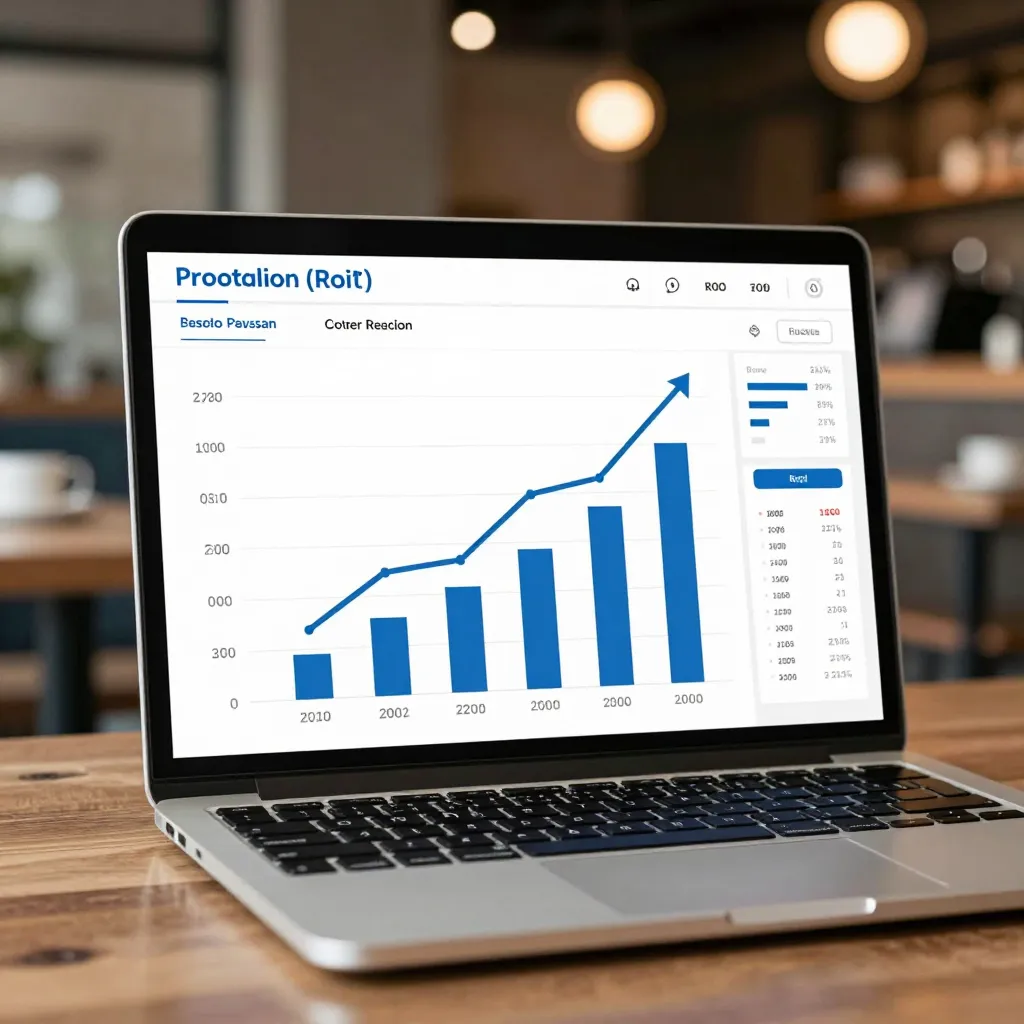
Many restaurant owners hesitate to switch to digital menus because they fear losing the personal touch of a printed paper menu. However, the data tells a different story. A digital menu is not just a replacement for paper; it is a strategic business tool that directly influences profitability. The Return on Investment (ROI) comes from three primary sources: increased average order value, operational efficiency, and reduced waste.
Industry analysis suggests that restaurants utilizing digital menus often see an increase in average check size ranging from 15% to 25%. This surge occurs because digital formats allow for dynamic upselling. Unlike a static paper menu where items are fixed, a digital display can highlight high-margin dishes, suggest pairings, and show real-time availability. For instance, if a steak is fresh and well-prepared, the digital menu can feature it with an appetizing photo and a 'Chef's Special' badge, prompting customers to choose it over a cheaper option they might have picked from a list.
Furthermore, the cost of production for printed menus is a significant, often overlooked drain on margins. A single printed menu costs between $1 and $5 depending on the material and printing method. For a busy cafe serving 200 guests a day, replacing paper menus with a digital solution can save thousands of dollars annually. This one-time investment in a platform like upQR pays for itself quickly through the elimination of reprinting costs caused by seasonal menu changes or price adjustments.
Operational Efficiency and Cost Savings
Beyond direct revenue generation, digital menus drastically improve operational efficiency, which indirectly boosts the bottom line. When a restaurant updates a menu item, a paper menu requires reprinting and distribution, a process that can take days and cost hundreds of dollars. With a digital solution, changes are instant. If a supplier raises the price of a key ingredient, you can adjust the price on your menu immediately without any logistical overhead.
Consider the scenario of a seasonal menu change. In the fall, a cafe might switch from summer salads to hearty soups. With paper menus, this involves ordering new prints, storing old ones, and training staff to explain the change to confused guests. With a digital menu, the transition happens with a single click. This agility allows restaurant owners to react faster to market trends and customer preferences, ensuring that the menu always reflects what is currently profitable and in demand.
Another critical area of savings is waste reduction. Paper menus end up in the trash after every service, contributing to environmental waste and disposal costs. Digital menus are 100% sustainable, reducing the restaurant's environmental footprint and potentially lowering waste management fees. Additionally, digital menus reduce the time waitstaff spend searching for items or explaining complex menus, allowing them to focus more on guest service and table turnover, which increases overall revenue capacity.

Enhancing Guest Experience to Drive Loyalty
The ROI of digital menus extends beyond hard numbers; it significantly impacts customer satisfaction and loyalty. Modern diners expect a seamless, tech-enabled experience. Studies show that 80% of consumers prefer digital menus over paper ones because they are easier to read, allow for zooming in on text, and include high-quality images. This ease of use reduces the time guests spend waiting for food, leading to higher satisfaction scores and better online reviews.
A positive guest experience is the foundation of repeat business. When a customer can easily navigate a menu on their smartphone, they feel in control and valued. Digital menus can also include video content, such as a chef preparing a signature dish, which builds an emotional connection and makes the food more desirable. This level of engagement is impossible with a piece of paper.
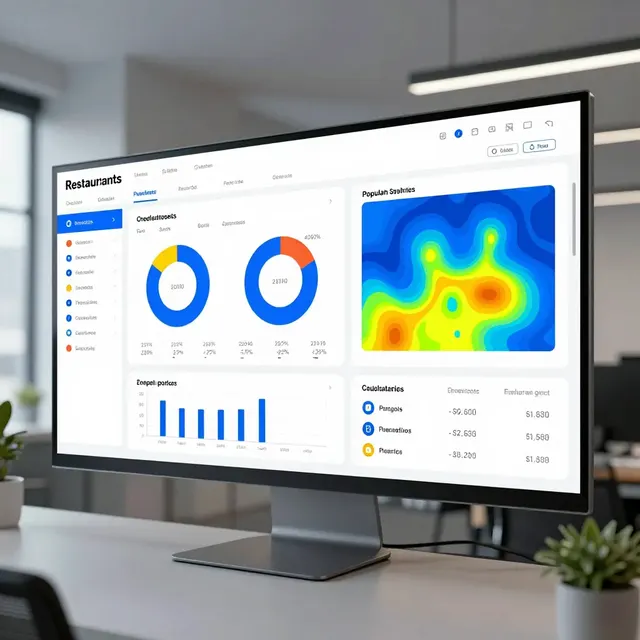
Furthermore, digital menus facilitate data collection. When guests order directly from the QR code, the restaurant gains insights into popular items, peak ordering times, and customer preferences. This data can be used to tailor marketing campaigns and optimize the menu for maximum profitability. For example, if data shows that a specific cocktail is frequently ordered by a certain demographic, the restaurant can stock more of that item or create a themed night around it, directly increasing sales.

Strategies to Maximize Digital Menu ROI
To truly maximize the ROI of a digital menu, owners must actively manage the platform rather than letting it sit idle. The first step is to optimize the content. This means investing in professional photography for every dish. High-resolution images increase the perceived value of the food and can lead to a 20% increase in orders for those specific items. Avoid using generic stock photos; instead, capture the unique texture and plating style of your actual food.
Secondly, implement a robust upselling strategy within the digital interface. Use features like 'Add-ons' and 'Pairings' to suggest extra cheese, crusts, or desserts. Set these suggestions to appear automatically or require a simple tap, making it easy for guests to say yes. Train your staff to verbally reinforce these digital suggestions, bridging the gap between the screen and the table.
Thirdly, leverage the mobile-first nature of the platform. Ensure that the menu loads instantly on 4G and 5G networks and is fully responsive on all screen sizes. A slow-loading menu frustrates guests and leads to abandoned orders. Use analytics to track which pages drop off the most and optimize the user journey to ensure a smooth experience from scanning the code to completing the order.
The Future of Restaurant Technology and upQR
The landscape of restaurant technology is evolving rapidly, and staying ahead of the curve is essential for long-term survival. The future belongs to platforms that offer flexibility, scalability, and deep integration with other business systems. Digital menus are no longer a luxury; they are a necessity for competitive survival. As consumer expectations rise, the gap between restaurants with digital solutions and those without will widen, favoring the former in customer acquisition and retention.
Platforms like upQR are designed to meet these future demands. They offer not just a static menu, but a dynamic ecosystem that grows with your business. Whether you are a small cafe looking to cut costs or a large chain needing centralized control, a digital solution provides the infrastructure to succeed. The initial setup is straightforward, but the potential for growth is limitless.
By embracing digital menus now, restaurant owners secure their financial future. The numbers are clear: higher order values, lower operational costs, and happier customers. It is time to stop viewing digital menus as an expense and start seeing them as the most effective marketing and sales tool in your arsenal. With upQR, you get a partner that helps you implement these strategies seamlessly, ensuring that your restaurant remains profitable and relevant in an increasingly digital world.
Related Posts
Ready to create your digital menu?
Create your QR menu in minutes and reach your customers in any language.