
Why Fast Food Chains Are Betting Big on QR Codes
Discover how major chains are replacing paper menus with QR codes to cut costs, speed up service, and gather valuable customer data for smarter growth.
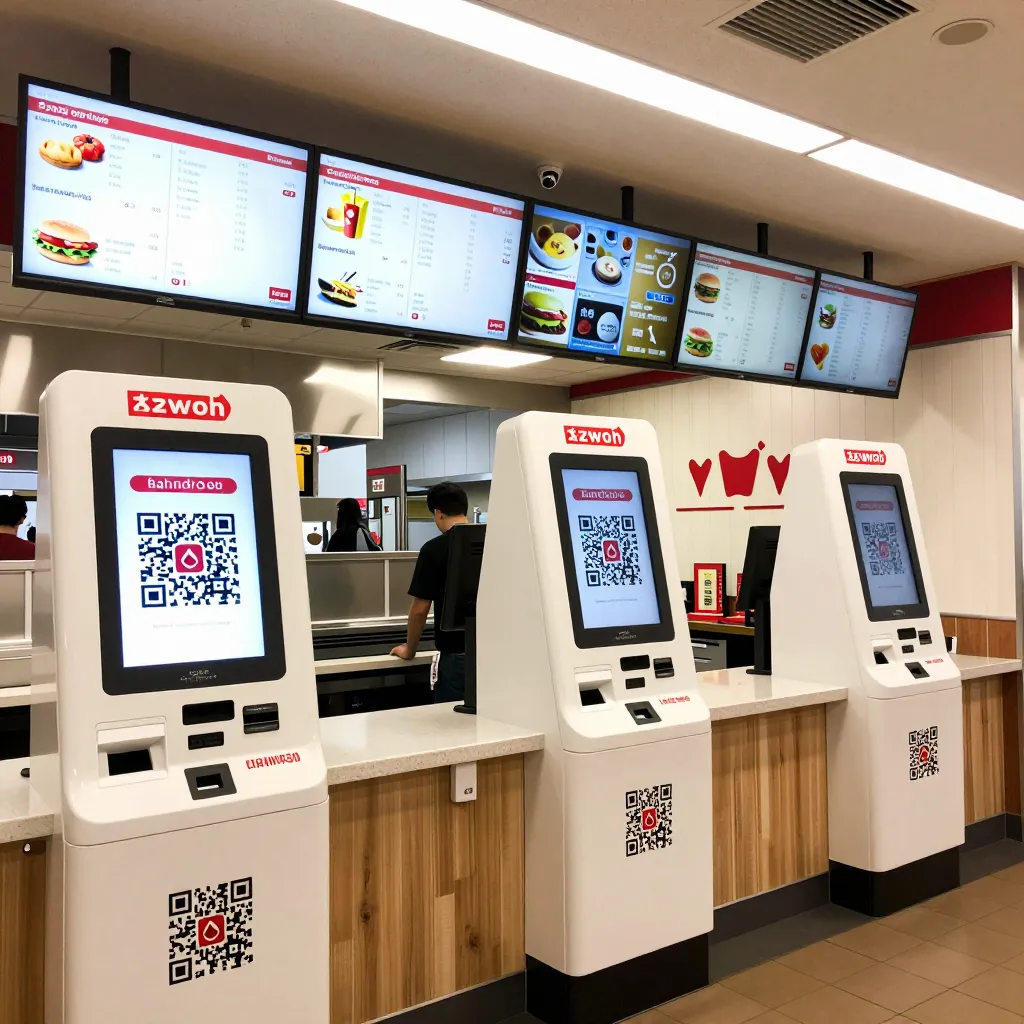
The Digital Shift: Why Chains Are Abandoning Paper Menus
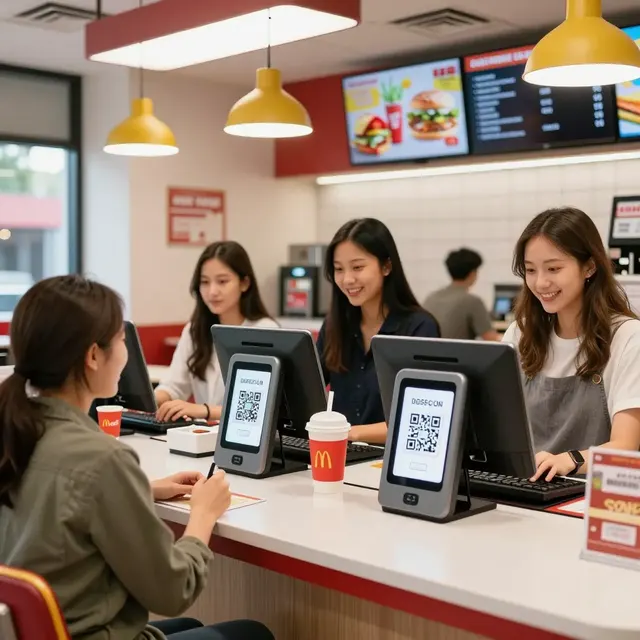
For decades, the fast-food model relied heavily on printed menus. These static documents were cheap to produce but expensive to update, leading to inefficiencies that modern chains can no longer afford. Today, industry leaders like McDonald's, Starbucks, and Burger King are rapidly transitioning to digital-first strategies, with QR codes serving as the primary gateway to their digital menus. This shift is not merely a trend; it is a strategic necessity driven by rising operational costs and changing consumer expectations.
According to recent data, over 70% of fast-food consumers now prefer ordering via mobile devices rather than waiting for table service. This preference has forced restaurants to adapt or risk losing market share. By implementing QR code technology, chains can eliminate the need for frequent reprinting of menus, which saves thousands of dollars annually. Furthermore, digital menus allow for real-time inventory management. If a specific ingredient is out of stock, the menu can be updated instantly, preventing customer disappointment and reducing food waste.
The environmental impact is another significant driver. The fast-food industry generates massive amounts of waste, and the reduction of paper usage aligns with the sustainability goals many brands have publicly committed to. By going digital, chains can claim a greener footprint, which appeals to the eco-conscious demographic that now makes up a large portion of their customer base. This is not just about cost savings; it is about brand image and operational agility in a competitive landscape.
Operational Efficiency and Cost Reduction Strategies
One of the most compelling reasons for fast-food chains to adopt QR code technology is the dramatic reduction in operational overhead. Traditional menu printing involves design fees, printing costs, and the logistics of distribution. For a chain with thousands of locations, these costs add up quickly. A single menu update across a franchise network could cost hundreds of thousands of dollars if done traditionally. With a digital system, updates are centralized and pushed to all locations simultaneously, often for free or at a minimal cost.
Speed of service is another critical metric. In a fast-food environment, every second counts. Digital menus load quickly on smartphones, allowing customers to browse items, customize orders, and place orders without the friction of reading small print or waiting for a server to take an order. This self-service model empowers customers to order at their own pace, reducing the workload on front-of-house staff. Staff can then focus on food preparation and customer engagement rather than taking orders, leading to higher overall efficiency.
Moreover, digital menus enable dynamic pricing and promotional strategies. Chains can run limited-time offers, change prices based on time of day, or highlight specific items to move inventory. This level of control is impossible with static paper menus. For example, a chain can promote a new breakfast item in the morning and automatically hide it once lunch service begins, ensuring that staff and customers are always aligned with current offerings. This flexibility is essential for maintaining high turnover rates and maximizing revenue per square foot.
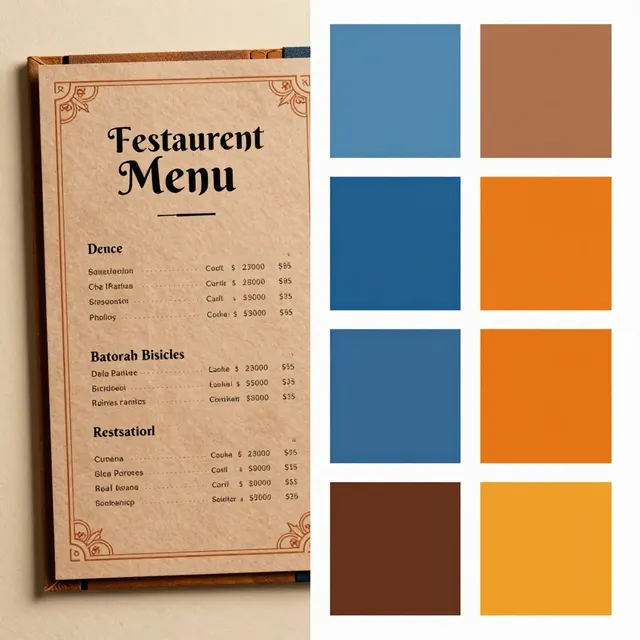
Enhancing the Customer Experience Through Personalization
The customer experience in the fast-food sector is evolving from a transactional interaction to a personalized journey. QR codes act as the bridge between the physical restaurant and a rich digital ecosystem. When a customer scans a QR code, they are not just seeing a list of food; they are entering an interface that can be tailored to their preferences, dietary restrictions, and past order history. This personalization increases satisfaction and encourages repeat visits.
Consider a customer with a gluten intolerance. On a paper menu, finding safe options requires scanning for symbols or asking a server, which can be intimidating. A well-designed digital menu can filter items by dietary needs, making the experience inclusive and stress-free. Additionally, digital menus can integrate with loyalty programs. Customers can earn points simply by browsing or ordering, and receive personalized coupons based on their favorite items. This seamless integration fosters a sense of loyalty and community around the brand.
Real-world examples abound. Some chains have integrated augmented reality (AR) into their QR menu experience, allowing customers to visualize how a burger looks or see the nutritional breakdown in 3D. While this might seem advanced, the underlying technology is accessible to smaller businesses as well. The key is providing a smooth, intuitive user interface that works on all devices, regardless of screen size or operating system. A fast-loading, mobile-optimized menu reduces friction and keeps customers engaged, turning a simple task into an enjoyable part of the dining experience.
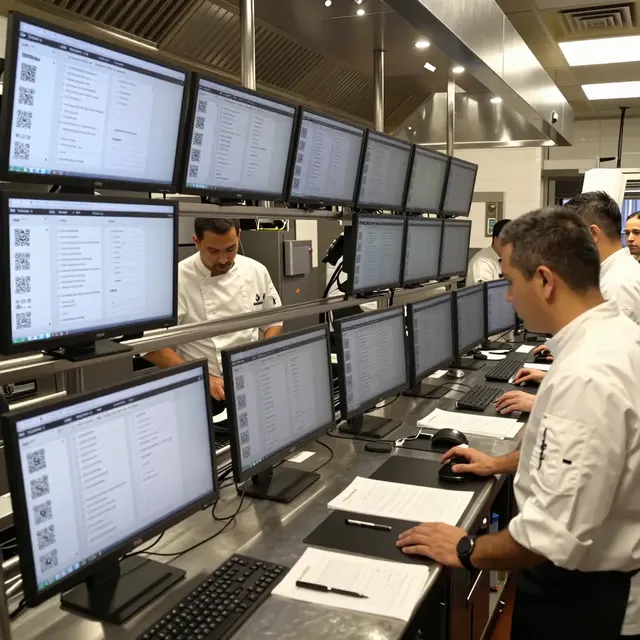
Data-Driven Insights for Smarter Business Decisions
Perhaps the most transformative aspect of QR code technology is the wealth of data it provides. Every scan, click, and order generates valuable insights that can inform business strategy. Chains can track which items are most popular, at what times of day, and in which locations. This data helps in optimizing the menu, identifying underperforming items, and adjusting inventory levels to reduce waste. If a specific sandwich is rarely ordered, the chain can investigate whether the recipe needs adjustment or if it should be removed from the menu entirely.
Customer behavior analysis also reveals patterns that are invisible to the human eye. For instance, data might show that customers are spending more time on certain pages, indicating interest in those items, or that they are abandoning the cart at a specific step in the checkout process. Armed with this information, businesses can make informed decisions to improve conversion rates and streamline the ordering process. This data-driven approach minimizes guesswork and maximizes ROI.
Furthermore, the ability to segment customer data allows for targeted marketing campaigns. If a chain knows that a specific demographic prefers spicy food, they can send targeted offers for their new hot sauce or spicy wings. This precision marketing is far more effective than blanket advertising, leading to higher engagement rates and better conversion. The insights gained from digital menus are a competitive advantage that paper menus simply cannot offer. In an industry where margins are often thin, leveraging data to optimize every aspect of the operation is crucial for long-term survival and growth.
Implementation Tips for Maximizing Your QR Menu ROI
For restaurant owners and cafe managers looking to follow the lead of major chains, the implementation of a QR code menu system requires careful planning. First, ensure that the chosen platform is mobile-responsive. The vast majority of scans will come from smartphones, so the menu must look and function perfectly on mobile devices. Test the menu on various screen sizes and operating systems to ensure compatibility. Speed is also critical; a slow-loading menu can frustrate customers and lead to abandoned orders.
Second, focus on user experience (UX). The navigation should be intuitive, with clear categories and easy-to-read fonts. Include high-quality images of the food to stimulate appetite and help customers make decisions. Don't forget to include essential information such as allergen warnings, nutritional facts, and delivery instructions. A well-structured menu reduces the cognitive load on the customer, making the ordering process smoother and faster.
Third, integrate the QR menu with your existing POS (Point of Sale) system. This integration ensures that orders placed via the QR code are reflected accurately in the kitchen and billing systems. It also enables features like table tracking and order status updates, which can enhance the overall dining experience. Finally, promote the QR code effectively. Place clear signage at tables and entrances, and encourage customers to scan for a small discount or to join a loyalty program. By following these tips, you can create a digital menu system that not only reduces costs but also enhances the customer experience and drives business growth.
Conclusion
The rapid adoption of QR code technology by fast-food giants is a clear signal of the industry's direction. It is no longer an option but a requirement for businesses that want to remain competitive, efficient, and relevant. The benefits are manifold: cost savings, operational efficiency, enhanced customer experiences, and access to valuable data. For restaurant owners and cafe managers, the question is not whether to adopt this technology, but how to implement it effectively.
At upQR, we understand the unique challenges faced by the food service industry. Our digital QR menu platform is designed to be easy to set up, highly customizable, and seamlessly integrated with your existing operations. Whether you are a single-location cafe or part of a larger franchise, upQR provides the tools you need to thrive in the digital age. By choosing upQR, you are not just adopting a new technology; you are investing in the future of your business, ensuring that you can meet the evolving demands of your customers while maintaining profitability and sustainability.
Related Posts
Ready to create your digital menu?
Create your QR menu in minutes and reach your customers in any language.