
Mastering the Korean BBQ QR Menu Experience
Transform your Korean BBQ dining with a seamless QR ordering system. Learn how to highlight ingredients, manage allergens, and boost revenue using digital menus.
Why Digital Menus Are Essential for Korean BBQ Restaurants
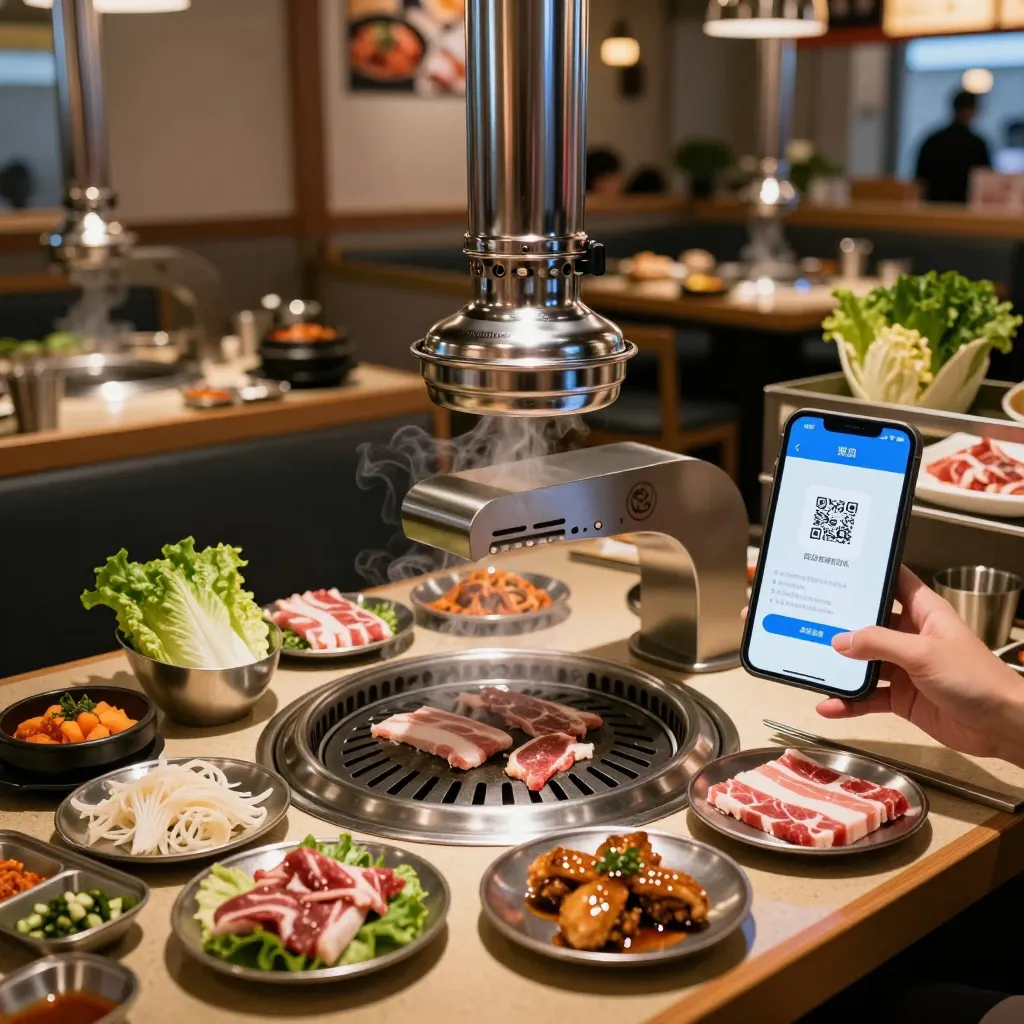
Korean BBQ (K-BBQ) is a unique dining experience that blends communal cooking with rich cultural traditions. However, the traditional paper menu often fails to capture the complexity of this cuisine. Ingredients like specific cuts of beef, marinated ribs (Galbi), and various side dishes (Banchan) require detailed descriptions that paper cannot provide. Digital QR menus solve this by offering dynamic, updatable content that enhances the guest journey from the moment they walk through the door.
For restaurant owners, the shift to a digital-first approach is no longer optional; it is a strategic necessity. According to recent industry reports, over 60% of diners prefer using their smartphones to order or view menus. In the context of K-BBQ, where guests often order complex multi-course meals, a digital interface reduces the time staff spend answering repetitive questions about ingredients or availability. This efficiency allows servers to focus on hospitality-ensuring the grill is hot and the rice is fresh-rather than acting as human encyclopedias.
Furthermore, digital menus align perfectly with the sustainability values that modern consumers demand. Korean BBQ involves significant food waste due to over-ordering or confusion about portion sizes. By presenting clear portion guides and real-time inventory status on a QR menu, you can help guests make informed choices, reducing waste and lowering your environmental footprint. This transparency builds trust with a generation that values honesty and responsibility in their dining choices.
Optimizing the Menu for Ingredient Transparency and Allergens
One of the greatest challenges in Korean cuisine is the hidden nature of certain ingredients. Traditional recipes often include sesame oil, soy sauce, or garlic, which are common allergens. A paper menu might list "Galbi" simply as "Marinated Short Ribs," leaving guests with severe allergies in the dark. A digital QR menu, however, allows you to create a comprehensive ingredient list for every single item.
Imagine a guest scanning your QR code and seeing a detailed breakdown: "Galbi Jjim" includes beef short ribs, pear juice, soy sauce, garlic, ginger, and sesame oil. The system can even highlight allergens with a distinct icon, ensuring safety without cluttering the design. This level of detail is crucial for Korean BBQ, where fermentation plays a key role. Dishes like Kimchi might contain shrimp paste or fish sauce, which are not immediately obvious but are vital for those avoiding shellfish or fish.
To implement this effectively, use a platform that allows you to add custom fields for ingredients. You can create a "Dietary Needs" filter at the top of the menu, allowing guests to instantly see only vegetarian or gluten-free options. This feature not only aids guests with dietary restrictions but also helps them discover new foods they might enjoy, such as mushroom-based banchan or tofu galbi. By prioritizing transparency, you demonstrate a commitment to safety and inclusivity, turning a potential pain point into a competitive advantage.
Real-world example: A popular Seoul-based chain recently switched to a digital menu where every side dish included a clickable link to its full ingredient list. This simple change reduced allergy-related complaints by 40% and increased customer satisfaction scores significantly. Guests felt empowered and safe, knowing exactly what they were eating before the food even arrived at the table.
Enhancing the Dining Experience with Interactive Visuals and Language Support
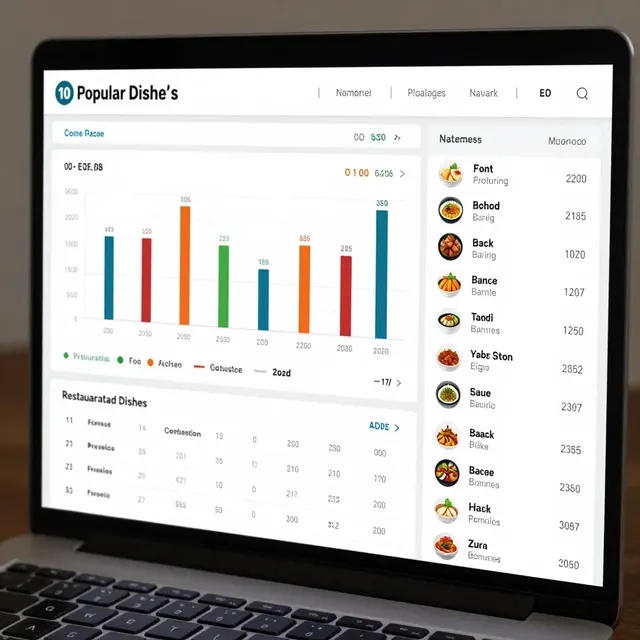
The visual appeal of Korean BBQ is undeniable-the sizzling meat, the vibrant colors of the banchan, and the steam rising from the rice. A digital menu can leverage high-resolution photography to showcase these elements, making the food look even more appetizing than it does on a paper placemat. However, go beyond static images. Use interactive elements to explain the cooking process or the history of a specific dish.
For instance, when a guest selects "Samgyeopsal" (pork belly), a pop-up could explain how to grill it perfectly, suggesting a specific amount of time per side and recommending a dipping sauce pairing. This educational approach elevates the dining experience, making guests feel like experts at home. It also reduces the likelihood of undercooked or overcooked meat, ensuring consistent quality.
Language barriers are another hurdle for many K-BBQ restaurants, especially those in international locations. A digital menu offers the flexibility to display content in multiple languages simultaneously. A guest can switch between English, Spanish, Mandarin, or Korean with a simple tap. This universal access ensures that every diner, regardless of their background, understands exactly what they are ordering. It eliminates the frustration of mistranslations found on printed menus and fosters a welcoming atmosphere for diverse communities.
Consider the scenario of a tourist visiting a local Korean BBQ spot. They scan the QR code and immediately see the menu in their native language. They can read descriptions like "Spicy Pork Belly with Kimchi" rather than just "Jjimdak." This clarity encourages them to try more items, potentially increasing the average ticket size. By removing language barriers, you invite a broader audience to experience the true flavors of Korea.
Strategic Pricing and Upselling Through Digital Display
Pricing transparency is a core value for upQR, but it also presents a strategic opportunity for upselling. In a traditional setting, price changes require reprinting entire menus, which is costly and slow. With a digital system, you can update prices instantly to reflect seasonal ingredient costs or special promotions. This agility keeps your business compliant and responsive to market fluctuations.
More importantly, digital menus allow for strategic placement of higher-margin items. You can use heat maps or subtle design cues to draw the eye toward premium cuts of meat or specialty banchan. For example, placing a "Chef's Special" marinated short rib near the top of the list or adding a small badge that says "Best Seller" can subtly influence ordering behavior. Studies show that menu engineering can increase sales of specific items by up to 25% without changing the actual product.
Another powerful feature is the ability to bundle items. Create a "Family Feast" option that includes a set of meats, rice, and a variety of banchan at a discounted rate. This not only simplifies the decision-making process for guests but also guarantees a higher volume of sales. Digital menus can also highlight limited-time offers, such as "Free Samgyetang with any meat order," creating a sense of urgency that drives immediate action.
When displaying prices, ensure they are clear and unambiguous. Avoid hidden fees or confusing markup structures. Instead, use a straightforward format that shows the price per person or per unit. This honesty builds long-term loyalty. Guests appreciate knowing exactly what they are paying for, especially in a cuisine where portion sizes can vary significantly. By being upfront about pricing, you reduce friction at checkout and foster a relationship based on trust.
Implementing a Seamless Ordering Workflow for Staff and Guests
The technical implementation of a QR menu must be flawless. Guests should be able to scan the code, load the menu, and place an order within seconds, even on slow mobile networks. Your chosen platform should optimize images for speed and offer a responsive design that works on all smartphone models. This seamless experience is critical for maintaining the flow of the restaurant.
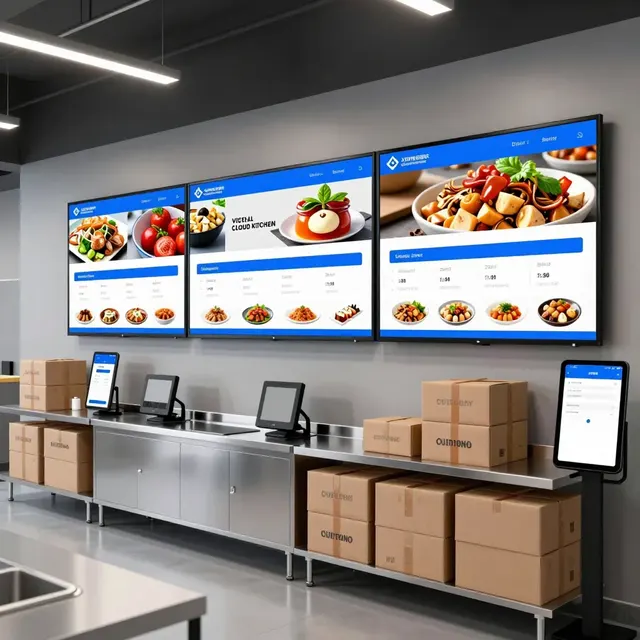
For staff, the integration with your POS (Point of Sale) system is vital. When a guest places an order via the QR menu, it should appear instantly on the server's handheld device or the kitchen display system. This eliminates the need for manual entry and reduces the risk of errors. If a guest modifies an order or cancels an item, the system should handle it automatically, keeping the kitchen and front-of-house synchronized.
Consider the workflow during a busy dinner rush. Servers can use their devices to send messages to the table, such as "Your meat is ready" or "Would you like to add some grilled vegetables?" This interactivity transforms the ordering process from a static transaction into a dynamic conversation. It allows the restaurant to manage table turnover more efficiently while ensuring that every guest feels attended to.
Additionally, the system should support offline capabilities. If the internet connection drops, the menu should remain accessible, allowing guests to place orders that sync once the connection is restored. This resilience ensures that your restaurant continues to operate smoothly, even during unexpected technical issues. Reliability is a key factor in customer satisfaction, and a glitch-free menu is a hallmark of a professional operation.
Conclusion: Building a Sustainable and Transparent Future
Creating a Korean BBQ restaurant QR ordering experience is more than just replacing paper with a screen; it is about elevating the entire dining journey. By focusing on ingredient transparency, allergen safety, interactive visuals, and seamless workflows, you can create a platform that serves both your guests and your staff effectively. The values of sustainability, honesty, and universal access are not just buzzwords-they are the foundation of a modern, successful restaurant.
upQR provides the technology to bring these vision to life. Our platform is designed to help you eliminate waste, ensure every guest knows exactly what they are eating, and connect with customers across language barriers. Whether you are a small local eatery or a growing chain, upQR offers the tools to manage your menu with precision and style. Embrace the digital transformation today and lead your industry in setting a new standard for transparency and excellence in Korean BBQ dining.

Related Posts
Ready to create your digital menu?
Create your QR menu in minutes and reach your customers in any language.