
How to Create a Digital Menu for a Greek & Middle Eastern Restaurant
Transform your dining experience with a digital menu. Learn practical tips for showcasing authentic flavors, managing allergens, and reducing waste for Greek and Middle Eastern eateries.
Why a Digital Menu is Essential for Authentic Greek and Middle Eastern Cuisine
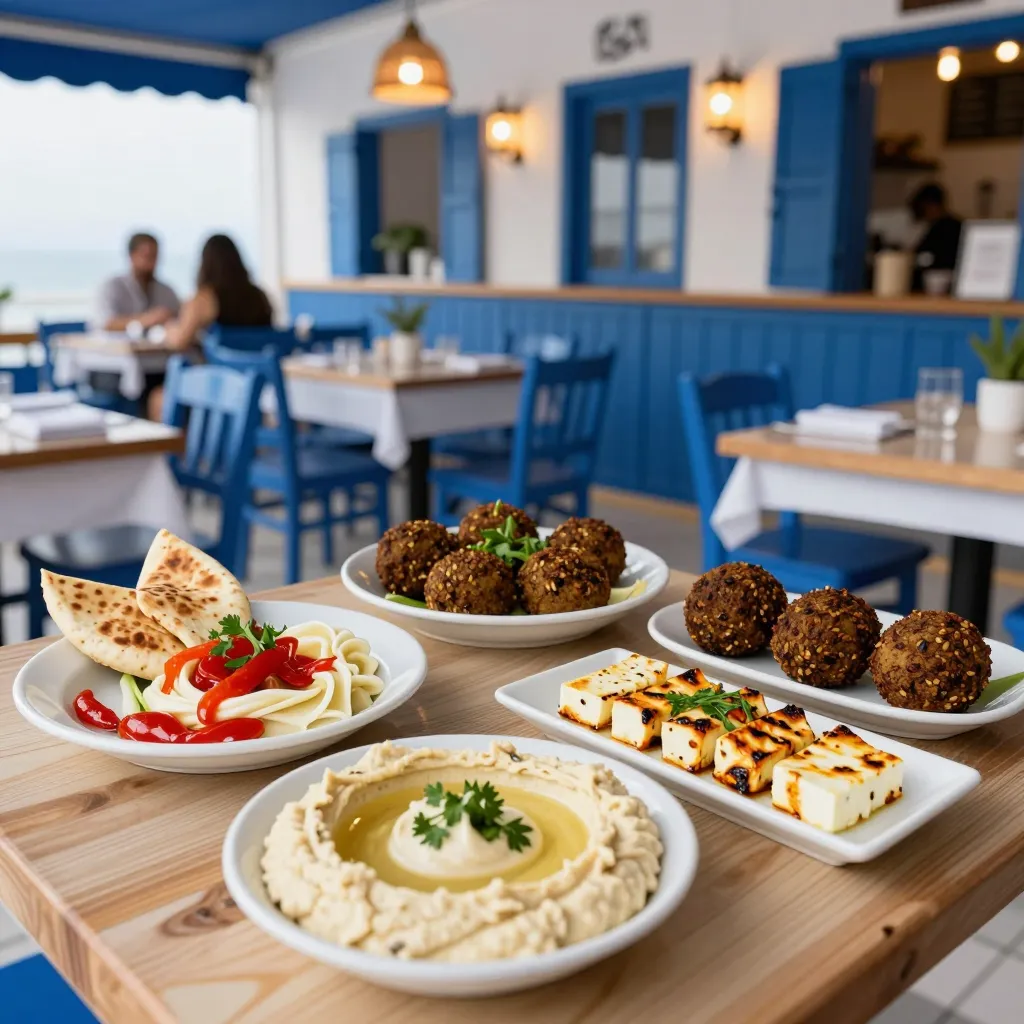
When it comes to Greek and Middle Eastern dining, the experience is as much about the atmosphere and the story of the ingredients as it is about the food itself. From the fresh herbs in a classic Greek salad to the complex spices in a Levantine baba ganoush, every element tells a tale of tradition. However, the way this story is presented to the customer has evolved significantly. Traditional paper menus are not only becoming an environmental liability but also a barrier to the transparency and accessibility that modern diners expect.
For a restaurant owner, transitioning to a digital format is not just about saving paper; it is about elevating the brand. A digital menu allows you to showcase high-resolution imagery of your meze platters and grilled meats without the limitations of printed ink. It enables you to update prices instantly, ensuring that your customers are always paying the correct amount without hidden surprises. This level of honesty and accuracy is crucial in an industry where trust is paramount.
Furthermore, the environmental impact of the hospitality sector is a growing concern. By switching to a digital solution, you align your business with sustainability values, reducing the thousands of sheets of paper wasted annually. This commitment to the planet resonates deeply with eco-conscious consumers who are increasingly choosing to support businesses that demonstrate a genuine care for the environment. It is a small change that sends a powerful message about your restaurant's values.
Designing a Menu That Honors Tradition and Accessibility
Creating a digital menu for a Greek or Middle Eastern restaurant requires a delicate balance between honoring culinary tradition and meeting modern accessibility standards. The visual design should reflect the warmth and vibrancy of the region. Think of rich colors like deep reds for roasted lamb, golden yellows for saffron rice, and vibrant greens for fresh herbs. However, aesthetics must never come at the expense of clarity.
One of the most critical aspects of a digital menu is accessibility. Not all guests can read English fluently, and many tourists visit these regions specifically to explore new cultures. A truly universal menu provides translations for major languages, ensuring that a guest from Tokyo, Berlin, or New York can confidently order a souvlaki or a falafel wrap. This inclusivity removes the fear of ordering incorrectly and makes every guest feel welcome.
Transparency is another pillar of this design philosophy. In Greek cuisine, ingredients like kalamata olives, feta cheese, and specific varieties of olive oil are sacred. In Middle Eastern cooking, the source of the lamb or the quality of the flatbread matters immensely. A digital platform allows you to list these specific details directly under each dish. You can explicitly state if a dish contains nuts, dairy, or gluten, which is essential for guests with allergies. This honesty builds a reputation for integrity that paper menus simply cannot match.
Consider the layout of your menu. It should be intuitive, with clear categories for starters, mezze, mains, and desserts. Use bold headings for dish names and include brief, appetizing descriptions that highlight the cooking method-whether it's oven-roasted, grilled over charcoal, or slow-simmered. Avoid clutter; let the photos and the descriptions breathe. This approach ensures that the focus remains on the delicious food, helping guests make decisions quickly and confidently.
Managing Allergens and Dietary Needs with Precision
Greek and Middle Eastern cuisines are naturally diverse, but they can also be complex regarding allergens. Dishes often share ingredients, and a single sauce might be used across several appetizers. A digital menu is the perfect tool to manage this complexity with precision. Unlike a printed menu where you might have to add small print that is hard to read, a digital interface allows for interactive filtering.
Guests can easily filter your menu to show only vegetarian, vegan, gluten-free, or nut-free options. This feature is particularly useful for those with celiac disease or severe allergies, as it empowers them to navigate your offerings safely. For example, you can clearly mark that your hummus is made with tahini (which contains sesame) but is served with gluten-free pita bread on request. You can also specify that certain meat dishes are prepared in a shared fryer, allowing guests to make an informed decision about cross-contamination risks.
Real-world implementation shows the power of this transparency. Imagine a guest with a dairy allergy. On a paper menu, they might accidentally order a gyros wrap without checking the cheese content. On a digital menu, they can toggle a 'Dairy-Free' filter and instantly see which options are safe. This reduces anxiety for the guest and reduces liability for the restaurant. It demonstrates that you care about the safety and well-being of every person who walks through your doors.
Additionally, you can provide detailed ingredient lists for each dish. For a classic Greek moussaka, you can list the specific type of eggplant used and confirm whether the béchamel sauce contains dairy. For a Middle Eastern shakshuka, you can specify the type of tomatoes and peppers used. This level of detail fosters a relationship of trust between the restaurant and its patrons. It shows that you are not hiding behind vague descriptions but are committed to providing accurate, honest information.
Optimizing Operations and Reducing Waste Through Technology
Behind the scenes, a digital menu offers operational benefits that go beyond the dining room. For restaurant managers, the ability to update the menu in real-time is a game-changer. If a supplier runs out of fresh feta cheese or if a specific cut of lamb is unavailable due to weather conditions, you can remove the item from the digital menu instantly. There is no need to reprint thousands of pages, saving both time and money.
This agility is also crucial for managing inventory and reducing food waste. If you notice that a specific vegetable is not selling well, you can adjust the menu or the recipe immediately. Conversely, if a new seasonal ingredient arrives, you can feature it prominently to boost sales. This dynamic approach ensures that your kitchen is always working with the best ingredients available, maximizing freshness and minimizing the risk of throwing away unsold food.
Data collection is another significant advantage. A digital menu can track which dishes are most popular and which are being overlooked. This data helps you make informed decisions about your menu engineering. Are your expensive grilled meats selling as well as your affordable mezze? If not, you might need to adjust your pricing or marketing. This insight allows you to optimize your menu for profitability without sacrificing quality.
Furthermore, digital menus streamline the ordering process. Guests can browse at their own pace without waiting for a server to bring a paper menu. This can lead to a faster turnover of tables, especially during peak lunch hours. For outdoor seating areas or busy sidewalk cafes, a QR code that leads directly to the menu is a seamless solution that enhances the guest experience while keeping the staff focused on service and hospitality.
Building a Sustainable Brand Identity
The decision to adopt a digital menu is also a statement about your brand's identity. In the modern hospitality landscape, sustainability is not just a trend; it is a requirement. By eliminating paper waste, you reduce your carbon footprint and contribute to a cleaner planet. This aligns perfectly with the values of many modern diners who are looking for restaurants that share their environmental concerns.
When you promote your digital menu, you can highlight your commitment to sustainability. Explain to your guests that by using a QR code, they are helping to save trees and reduce the pollution associated with paper production. This educational aspect turns a simple menu switch into a conversation starter about responsible consumption. It positions your restaurant as a leader in the community, someone who is doing its part to protect the environment.
Moreover, a digital menu allows for consistent branding across all your touchpoints. The design, colors, and tone of voice can be perfectly aligned with your restaurant's visual identity. Every time a guest scans the code, they are greeted with a professional, polished interface that reinforces your brand message. This consistency builds recognition and loyalty, making your restaurant memorable in a crowded market.
Finally, consider the long-term costs. While there may be an initial setup, the ongoing savings from not printing menus are substantial. Over a year, the cost of paper, ink, and printing services can add up to a significant amount. Redirecting these funds into better ingredients or staff training can yield even better results for your business. It is an investment that pays for itself quickly while providing long-term benefits.
Conclusion
Creating a digital menu for a Greek or Middle Eastern restaurant is more than a technological upgrade; it is a strategic move that enhances customer experience, ensures safety, and promotes sustainability. By leveraging a platform like upQR, you can achieve all of these goals seamlessly. upQR provides the tools to create a beautiful, accessible, and transparent menu that reflects the authenticity of your cuisine while supporting your business operations.
With upQR, you can easily manage allergen information, update prices in real-time, and showcase your dishes with stunning visuals. The platform supports multiple languages, ensuring that every guest, regardless of their background, can enjoy their meal with confidence. Join the movement of environmentally conscious restaurants and embrace the future of digital dining. Start your journey with upQR today and transform the way your customers experience your unique culinary heritage.
Related Posts
Ready to create your digital menu?
Create your QR menu in minutes and reach your customers in any language.