
Restaurant Technology Stack 2026: Essential Tools Guide
Discover the essential restaurant technology stack for 2026. Learn how to integrate POS, QR menus, and analytics to boost efficiency, reduce waste, and enhance customer trust.
The Evolution of the Modern Restaurant Tech Stack
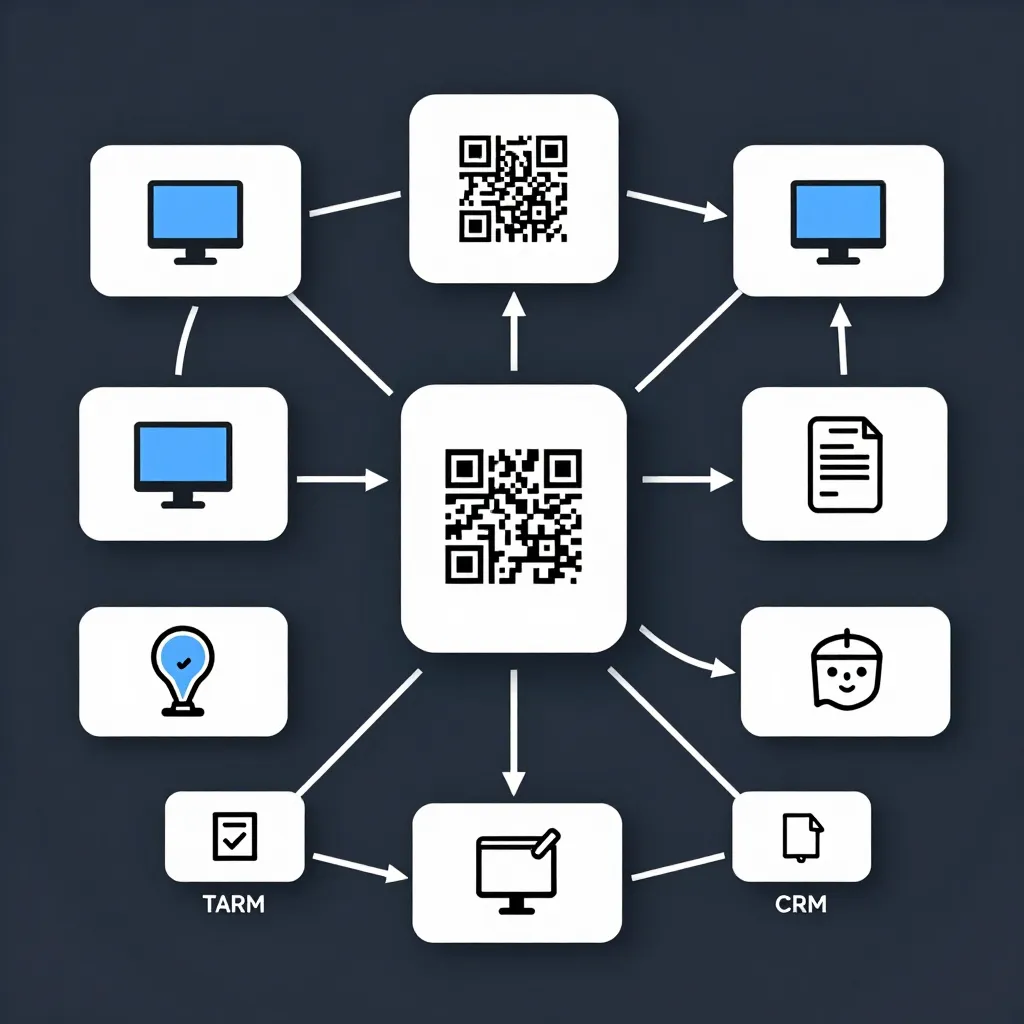
The landscape of restaurant operations has shifted dramatically over the last decade. What once required a massive physical ledger and a dedicated front-of-house staff is now streamlined through a sophisticated digital ecosystem. As we look toward 2026, the definition of a "smart restaurant" goes beyond simply having a Wi-Fi connection. It requires a cohesive integration of Point of Sale (POS) systems, reservation software, customer relationship management (CRM) tools, and, most critically, digital menu platforms that prioritize transparency and sustainability.
For restaurant owners and cafe managers, the technology stack is no longer an optional luxury; it is the backbone of survival and growth. The most successful establishments in 2026 will be those that leverage data to make real-time decisions, manage inventory with precision, and deliver a seamless dining experience that resonates with modern consumers. This guide breaks down the specific tools needed to build a robust, future-proof operation.
Core Infrastructure: POS and Reservation Systems
At the heart of every restaurant's technology stack lies the Point of Sale (POS) system. In 2026, the ideal POS is not just a cash register but a comprehensive hub that manages orders, inventory, staff scheduling, and sales reporting. However, the integration of a dedicated reservation system is equally vital. Platforms like OpenTable or Resy have evolved, but independent restaurants often benefit from integrating their booking engine directly with their POS to prevent overbooking and streamline table turnover.
The synergy between these two systems is where efficiency gains occur. When a reservation is made, the POS system should automatically adjust kitchen prep schedules and assign the appropriate number of servers. This reduces the cognitive load on staff and minimizes errors. Furthermore, modern POS systems in 2026 are expected to offer deeper hardware compatibility, allowing for touchscreens, kitchen display systems (KDS), and barcode scanners to work seamlessly. For independent cafes and bistros, choosing a cloud-based POS is essential, as it allows for remote management and real-time data access, ensuring that the owner can monitor sales trends from anywhere in the world.
Digital Menus: The Pillar of Transparency and Sustainability
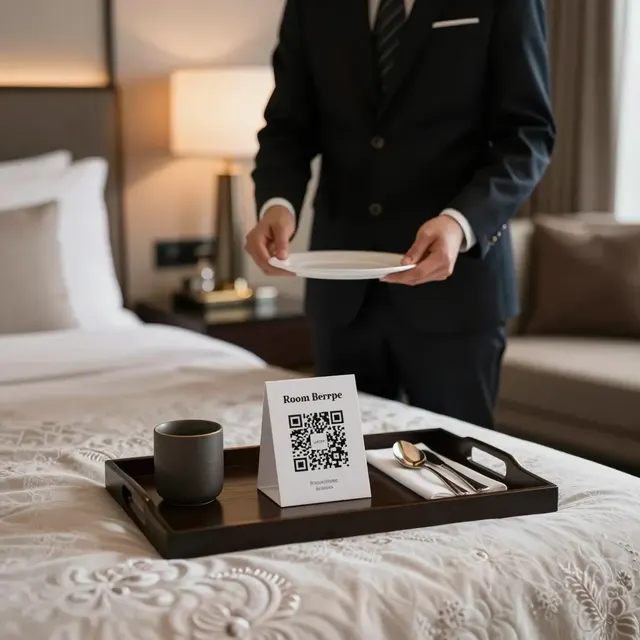
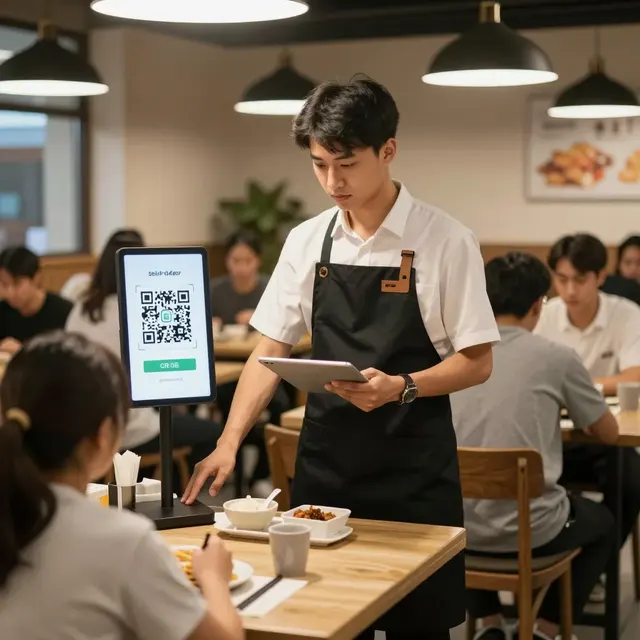
Perhaps the most transformative addition to the 2026 tech stack is the adoption of a dedicated digital QR menu platform. While QR codes are no longer a novelty, the technology behind them has matured into a sophisticated tool for brand storytelling and operational efficiency. For the modern consumer, the act of scanning a QR code is the first interaction with the brand. This is where upQR shines as a best-in-class solution.
Unlike static PDFs hosted on a website, a dynamic digital menu platform like upQR offers several critical advantages. First and foremost is transparency. Customers today are hyper-aware of ingredients, allergens, and sourcing. A digital menu allows for detailed descriptions, allergen icons, and even links to supplier information, ensuring that every guest knows exactly what they are ordering. This honesty builds trust and reduces the anxiety of dining out for those with dietary restrictions.
Secondly, the environmental impact cannot be overstated. Traditional printed menus are a significant source of waste, often discarded after a single meal. By switching to a digital menu, restaurants can eliminate thousands of pounds of paper waste annually. This aligns perfectly with the values of the eco-conscious consumer who prefers to support businesses that care about the planet. Thirdly, digital menus offer universal access. They can be updated instantly to reflect seasonal availability, price changes, or out-of-stock items without the need for reprinting. This agility ensures that the customer always sees the most accurate information, preventing disappointment and kitchen errors.
Furthermore, digital menus are not just static lists; they are interactive marketing tools. They can feature high-resolution imagery, video descriptions of dishes, and customer reviews directly on the page. This rich media experience keeps customers engaged and can influence their ordering decisions positively. For example, a restaurant can highlight a new "Chef's Special" at the top of the menu or create a "Build Your Own" section for tacos or burgers, increasing average check size through upselling opportunities.
Inventory Management and Cost Control
One of the silent killers of restaurant profitability is food waste and poor inventory management. In 2026, the tech stack must include robust inventory management software that integrates directly with the POS and digital menu systems. This integration creates a closed-loop system: when a dish is ordered via a digital menu, the ingredients used are automatically deducted from the inventory count.
Real-world examples illustrate the power of this integration. Consider a bistro that relies on fresh seafood. If the digital menu is updated to show that scallops are unavailable due to a supply chain issue, the system can automatically flag this in the inventory module. Simultaneously, the kitchen display system can alert the chef to adjust the prep list. This level of automation prevents the preparation of dishes that cannot be sold, thereby saving money and reducing waste. Advanced systems even predict usage based on historical sales data and upcoming events, suggesting when to reorder stock before a shortage occurs.
Cost control also extends to labor management. Modern scheduling tools integrate with sales forecasts. If the digital menu shows a surge in orders for a specific item (perhaps a viral social media trend), the system can suggest adjusting staff schedules to ensure adequate coverage without overstaffing during slow periods. This data-driven approach to labor is essential for maintaining healthy margins in an industry known for thin profits.
Customer Engagement and Data Analytics
Data is the new currency, and the 2026 restaurant owner must be a data scientist at heart. The technology stack should provide a dashboard that consolidates information from the POS, digital menu interactions, and reservation history. This data reveals customer preferences, peak ordering times, and the most popular menu items.
For instance, if the analytics show that a specific vegetarian dish on the digital menu is consistently ordered by customers who also order wine, the marketing team can create a targeted promotion for that pairing. This personalization enhances the customer experience and drives revenue. Moreover, loyalty programs integrated into this stack can reward repeat customers with points or exclusive access to new menu items, fostering a sense of community and brand loyalty.
Customer feedback is another crucial data point. Digital menus can include a simple "How was your meal?" rating system directly on the screen. This immediate feedback loop allows the restaurant to address issues in real-time. If multiple customers rate a specific item poorly, the management can investigate and make necessary adjustments before the next day's service. This responsiveness demonstrates a commitment to quality that is highly valued by today's diners.
Implementation Strategies for Maximum ROI
Building a comprehensive tech stack does not require a massive upfront investment or a complete overhaul of existing processes. The key is strategic integration. Start by auditing your current tools. Are you using separate apps for reservations, ordering, and payments? If so, consolidating these into a unified ecosystem will save time and reduce errors. When selecting a digital menu provider like upQR, look for seamless API integrations with your existing POS. This ensures that data flows freely between systems, eliminating the need for manual entry and reducing the risk of human error.
Training your staff is equally important. Technology is only as good as the people using it. Conduct workshops that demonstrate not just how to use the software, but why it matters. Show the team how updating a menu item on the digital platform instantly reflects on the kitchen screen. Encourage them to use the data insights to make better decisions. A well-trained team is more confident, more efficient, and better able to serve customers.
Finally, maintain a mindset of continuous improvement. The restaurant industry is fast-paced, and technology evolves rapidly. Regularly review your tech stack to ensure it is meeting your business goals. Are you using the analytics to their full potential? Is the digital menu loading quickly on all devices? Is the sustainability impact being measured? By staying agile and focused on these core principles-transparency, sustainability, and honesty-you can build a restaurant that thrives in the competitive landscape of 2026 and beyond.
Related Posts
Ready to create your digital menu?
Create your QR menu in minutes and reach your customers in any language.