
Digital Kids' Activity Menus: Keep Families Happy
Discover how to design an engaging digital kids' activity menu that reduces ordering time, minimizes waste, and delights families with interactive fun.
Transforming Dining Anxiety into Family Joy
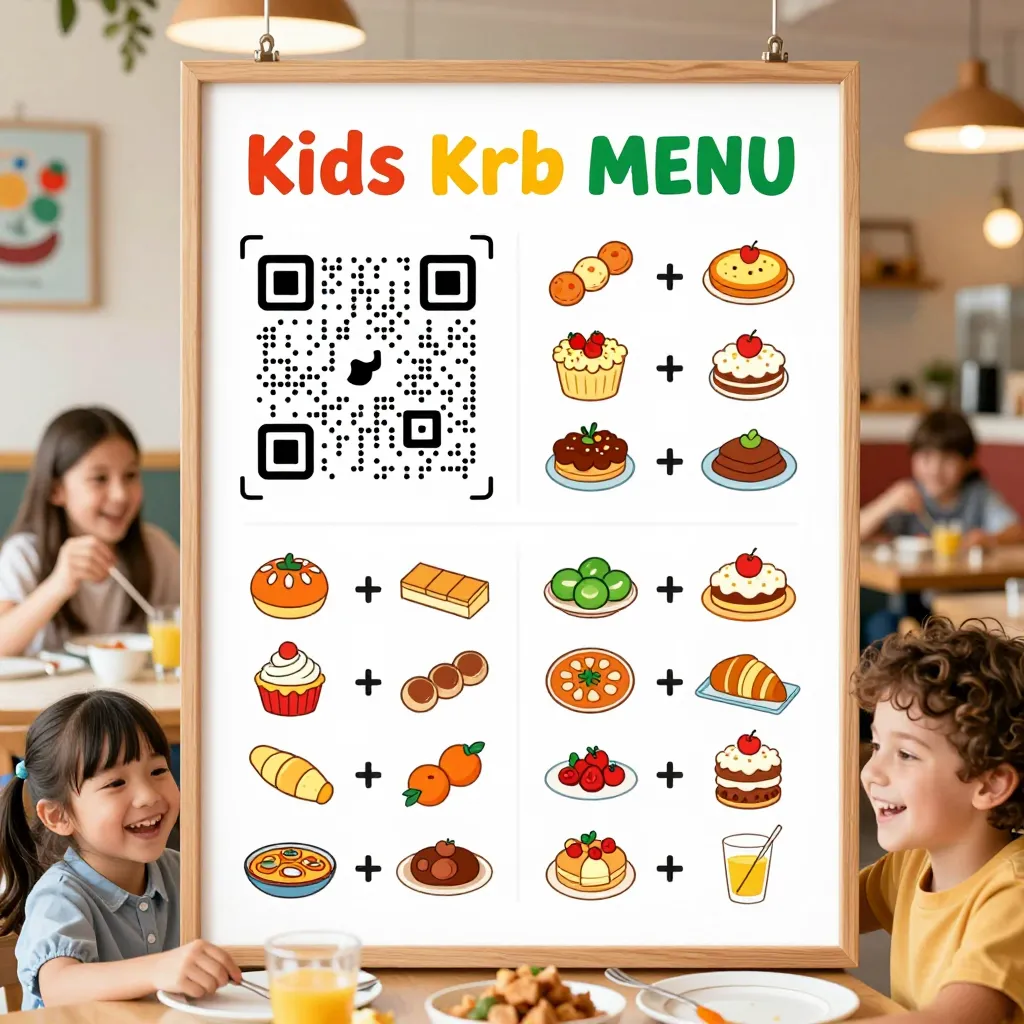
One of the most common challenges facing restaurant owners and cafe managers is managing the energy of families with young children. When a child sits at a table, the atmosphere often shifts from relaxed dining to a tense negotiation over what to order. The fear of a child refusing to eat, or worse, throwing a tantrum because their favorite toy or menu item isn't available, can ruin the entire experience for the whole party. This anxiety stems from a lack of control and engagement. Children, especially toddlers and preschoolers, are naturally drawn to movement, color, and interactivity. A static paper menu with a list of "cheese sticks" and "mac and cheese" fails to capture their attention, leading to long wait times and frustrated parents.
By transitioning to a digital kids' activity menu, you fundamentally change the dynamic at the table. Instead of a passive list of food, you present an invitation to play. This approach aligns perfectly with the core values of transparency and universal access. When a child can see exactly what goes into their meal through high-quality photos and simple ingredient lists, it builds trust. They know exactly what they are eating, removing the fear of hidden allergens or surprises. Furthermore, digital menus are universally accessible, ensuring that children with dietary restrictions or those who speak a different language can still find something they love without requiring a special phone call to the kitchen.
The impact on efficiency is immediate and measurable. Studies in the food service industry suggest that digital ordering can reduce table turnover times by up to 15% when used correctly. For a family, this means the child is less likely to get bored while waiting for their food. When the child is actively engaged in selecting their meal, the perceived wait time feels shorter. This engagement is the key to keeping families happy. It transforms the ordering process from a chore into an adventure, setting a positive tone for the meal that carries through to the dessert course.
Designing for the Little Ones: Visuals and Interaction
The design of your digital kids' menu is just as critical as the food itself. A successful digital kids' menu must be visually stimulating yet simple enough for a child to navigate without overwhelming them. Start by using bright, cheerful colors that are easy on the eyes but exciting for children. Avoid cluttered layouts; instead, use large, clear images of the food. Children eat with their eyes first, and a photo of a smiling child enjoying a colorful bowl of fruit or a creative burger can be incredibly persuasive. Ensure the photos are high-resolution and appetizing, adhering to our principle of honest and accurate information-show the food as it truly looks, not as a filtered, misleading image.
Interactivity is the secret sauce that keeps children engaged. You don't need complex coding to achieve this; a simple upQR digital menu can be customized with playful elements. Consider adding a "choose your own adventure" feature where a child selects a side dish that matches a color or an animal they love. You can even embed simple animations or sound effects when a child taps on an item, like a sizzle sound for a burger or a pop sound for a drink. This gamification element distracts from the wait and makes the child feel like they are part of the team.
Another powerful tool is the inclusion of educational or fun facts. For example, next to a vegetable option, you might add a fun fact about how the plant grows or a joke about carrots. This turns a potentially boring menu into a learning opportunity, which parents appreciate as a way to teach their children about nutrition in a fun way. Ensure the text is large enough to be read easily, as small print can be frustrating for children with developing eyesight or for parents who might need to read it aloud. The goal is to make the interface feel like a toy rather than a utilitarian tool, encouraging the child to explore every option confidently.

Practical Strategies for Menu Content and Customization
Creating the content for your digital kids' menu requires a strategic approach that balances fun with nutritional value. Parents are increasingly conscious of what their children eat, so the menu must reflect this without being preachy. Start by categorizing items into fun, descriptive names rather than clinical terms. Instead of "Grilled Chicken," try "Dino-Bird Burger" or "Superhero Chicken Sandwich." This simple linguistic shift sparks imagination and makes the food sound more exciting. Always include a clear, transparent ingredient list. If a child has a peanut allergy, the ingredient list must be prominent and easy to spot. This transparency builds immense trust with parents who are often hyper-vigilant about their children's safety.
Offer a variety of options to cater to different preferences and dietary needs. Include a section for "Grown-Up Choices" that parents might want to share with their kids, but clearly label it. This respects the parent's autonomy while still offering fun options for the child. Incorporate a mix of familiar comfort foods and new, exciting discoveries. Familiarity breeds comfort, but novelty breeds excitement. A good rule of thumb is to have at least 60% familiar favorites and 40% new items to encourage adventurous eating. Use the digital platform to easily update these options based on seasonal availability or inventory, ensuring you never run out of a popular item that caused a scene last week.
Don't forget the power of customization. Allow children to choose their own toppings or sauces. A digital interface makes this easy with clickable checkboxes or simple buttons. "Add extra cheese?" "Go spicy?" "Add fruit?" These small choices give the child a sense of control and ownership over their meal, which significantly increases the likelihood they will enjoy it. This aligns with the value of honesty; the child knows exactly what they are getting and can modify it to their liking. Additionally, consider adding a "build your own" section where they can assemble a sandwich or a taco. This interactive process keeps them entertained at the table and often results in a more creative and satisfying meal.
Operational Benefits: Efficiency and Sustainability
Beyond the immediate joy of the dining experience, implementing a digital kids' activity menu offers significant operational benefits that support the long-term health of your business. The most obvious advantage is the reduction in paper waste. Traditional kids' menus are often printed on single-use paper, contributing to the environmental burden of the restaurant industry. By switching to a digital format, you eliminate this waste entirely, aligning your business with the growing demand for sustainable practices. This is not just a trend; it is a necessity for modern businesses that care about their footprint.
Efficiency in ordering is another crucial factor. When a child is actively selecting their meal on a tablet or phone, the order is sent directly to the kitchen instantly. This eliminates the need for servers to run back and forth to the table to take an order, reducing the risk of errors and freeing up staff to focus on other guests. In a busy lunch rush, this streamlined process can save valuable minutes per table, allowing your kitchen to handle a higher volume of orders without compromising quality. Real-world data shows that restaurants utilizing digital ordering see a 10-20% increase in overall table turnover, directly impacting revenue.
Furthermore, digital menus provide valuable data insights. You can track which kids' items are the most popular and which ones are rarely ordered. This information allows you to make informed decisions about your inventory and menu engineering. If a specific "fun" item is not selling, you can adjust the description, change the recipe, or remove it to focus on what the families truly love. This agility is impossible with a static paper menu that remains unchanged for years. The ability to update prices, remove out-of-stock items, and change promotions in real-time ensures that your operation runs smoothly and efficiently, protecting your margins and customer satisfaction.
Fostering Inclusivity and Universal Access
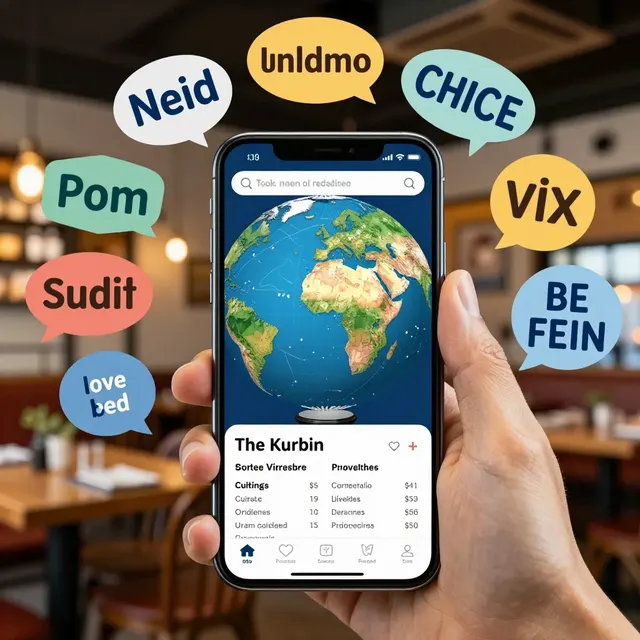
A digital kids' menu is the ultimate tool for inclusivity. In a physical world, a child who cannot read, a child who speaks a different language, or a child with a severe allergy might feel excluded or anxious. A well-designed digital menu breaks down these barriers. You can include simple icons and images that transcend language barriers, ensuring that a child who is a visitor to your city can still navigate the menu independently. For children with visual impairments, ensure the digital platform supports screen readers and high-contrast modes, making the menu accessible to everyone.
Transparency is the cornerstone of this inclusivity. Clearly label allergens using standardized icons that are internationally recognized. This allows parents to quickly scan the menu and identify safe options without having to ask the server repeatedly, which can be a source of anxiety in a loud restaurant. By providing honest and accurate information about ingredients and preparation methods, you create a safe environment where every family feels welcome. This commitment to universal access and honesty strengthens your brand reputation. Families talk to each other, and if they feel safe and cared for, they are more likely to become loyal patrons.
Consider adding a "family friendly" section that highlights items suitable for all ages, promoting the idea that the restaurant is a place where everyone belongs. This inclusivity extends to the language used in the menu. Avoid slang or complex jargon that might confuse younger children or non-native speakers. Keep the tone warm, inviting, and clear. By embracing these values, you position your restaurant as a community hub where diversity is celebrated, and every guest, regardless of their background or needs, is treated with respect and care.
Conclusion: A Seamless Path to Family Happiness
Creating a digital kids' activity menu is more than just a technological upgrade; it is a strategic move that enhances the guest experience, supports sustainability, and builds a loyal customer base. By combining engaging visuals, interactive elements, and transparent information, you transform the dining experience from a source of stress into a cherished family memory. The shift away from paper waste and toward a digital platform reflects a deeper commitment to environmental responsibility and operational efficiency. When children are happy and engaged, parents are relaxed, and the restaurant runs smoother.
With a platform like upQR, implementing these changes is seamless and cost-effective. You gain access to a system designed with these core values in mind: environmental consciousness, transparency, universal access, and honesty. Whether you are a small cafe or a large chain, upQR provides the tools you need to create a menu that delights children and reassures parents. Take the first step today to keep families happy, reduce your environmental impact, and set your restaurant apart from the competition in an increasingly digital world.
Related Posts
Ready to create your digital menu?
Create your QR menu in minutes and reach your customers in any language.