
Restaurant Profit Margins 2026: Boost Bottom Line with Digital Menus
Discover how digital menus reduce waste, lower printing costs, and increase average check size to maximize restaurant profit margins in 2026.
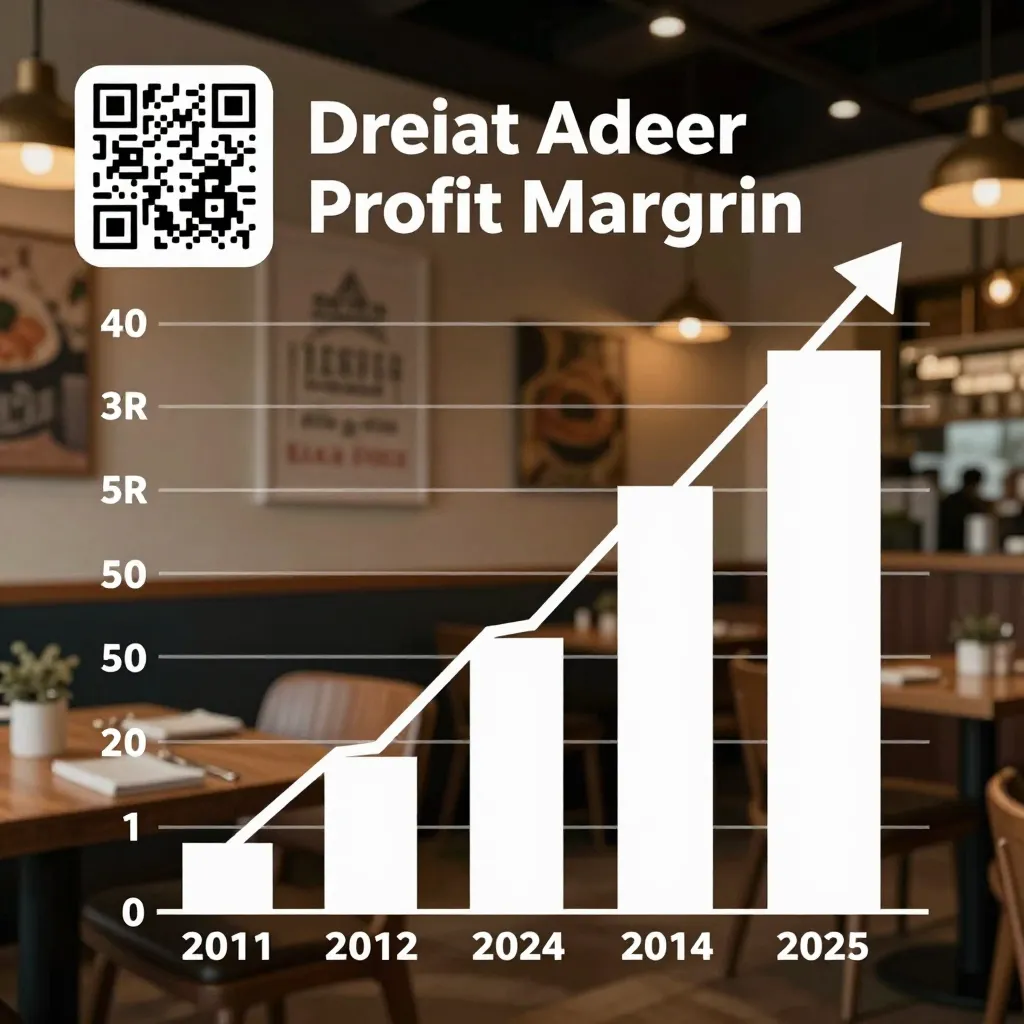
Understanding the Financial Pressure on Restaurant Owners in 2026
The landscape of food service is undergoing a significant transformation. As we move through 2026, restaurant owners face a complex economic reality characterized by rising operational costs, evolving consumer expectations, and the urgent need for sustainability. The traditional model of relying on physical printed menus is no longer just an outdated practice; it is a financial liability that actively erodes profit margins. With inflation affecting food costs and labor wages, every dollar saved on overhead directly impacts the bottom line. This post explores how transitioning to a digital menu system, specifically one that prioritizes transparency and sustainability like upQR, can serve as a strategic lever to reverse these trends and secure long-term profitability.
According to recent industry data, the average profit margin for a restaurant hovers around 3% to 5% before the pandemic, but has since dipped further for many independent operators due to increased waste and inefficiency. The shift to digital is not merely a technological upgrade; it is a financial imperative. By eliminating the recurring costs of paper, ink, and design updates, businesses can redirect capital toward high-impact areas such as staff training, quality ingredients, and customer experience enhancements. In 2026, the competitive advantage belongs to those who can offer a seamless, transparent dining experience that resonates with modern values while simultaneously optimizing their financial structure.
Eliminating Recurring Costs: The Direct Impact of Digital Menus
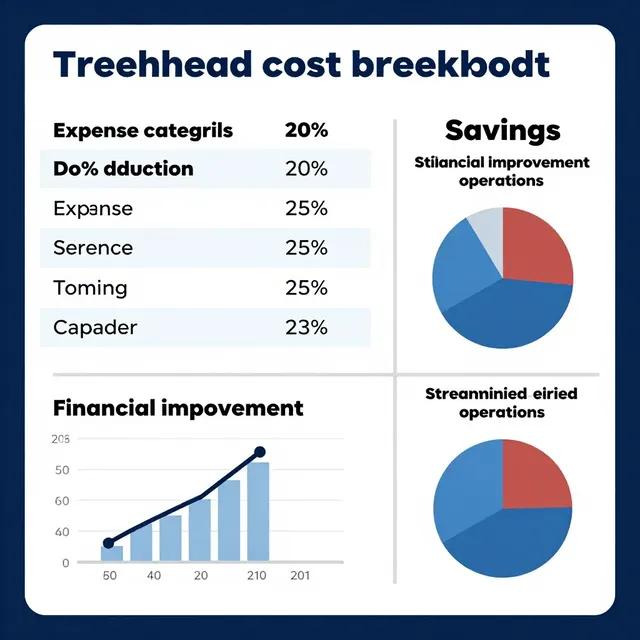
The most immediate and tangible benefit of adopting a digital menu system is the eradication of recurring printing costs. For a standard restaurant, the cost of reprinting menus due to seasonal changes, menu engineering updates, or simple typos can range from $200 to $1,000 per month per location, depending on the size of the venue. Over a year, this adds up to a significant expense that digital solutions completely remove. Unlike static paper menus that become obsolete the moment a price changes, a digital menu hosted on a platform like upQR allows for real-time updates. This means a chef can adjust a price for a specific ingredient surge or remove an item from the back-of-house immediately, without incurring any administrative or physical costs.
Beyond the direct cost of paper and ink, digital menus offer substantial savings in design and maintenance. In the past, updating a menu required hiring a designer, paying for high-quality printing services, and physically distributing the new versions to every table. This process is not only expensive but also prone to errors where customers receive outdated information, leading to confusion and potential refunds. With a cloud-based system, updates are instant. A manager can change a description or an image in seconds, and every customer sees the accurate information immediately. This efficiency reduces the administrative burden on staff and ensures that the information presented to the customer is always honest and up-to-date, aligning perfectly with the value of transparency.
Furthermore, the environmental cost of paper waste translates to financial waste. Restaurants generate a massive amount of paper waste every year through discarded menus, takeout flyers, and promotional materials. By switching to a digital-first approach, restaurants significantly reduce their operational footprint. This reduction in waste often qualifies businesses for local sustainability grants or tax incentives in various regions. Moreover, customers are increasingly willing to pay a premium for businesses that demonstrate environmental responsibility. Studies suggest that a significant portion of diners prefer to support eco-friendly establishments, viewing their dining choice as a way to vote with their wallet. Therefore, the decision to go digital is not just about saving money on paper; it is about investing in a brand reputation that attracts loyal, values-driven customers.
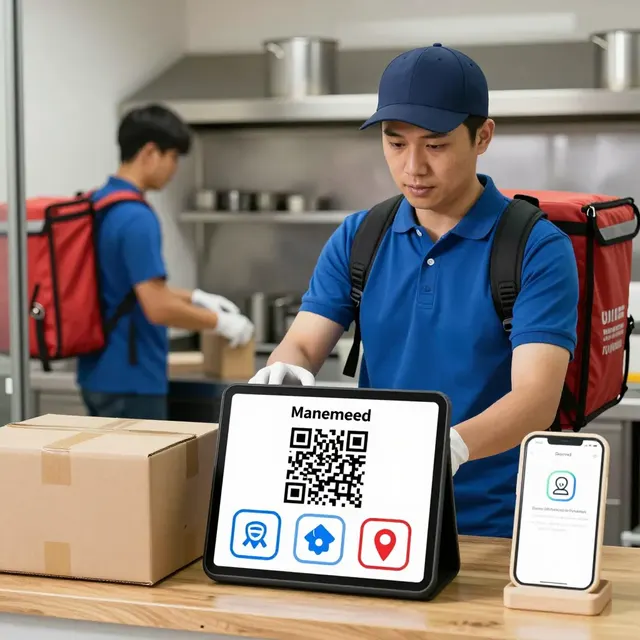
Menu Engineering: Using Data to Increase Average Check Size
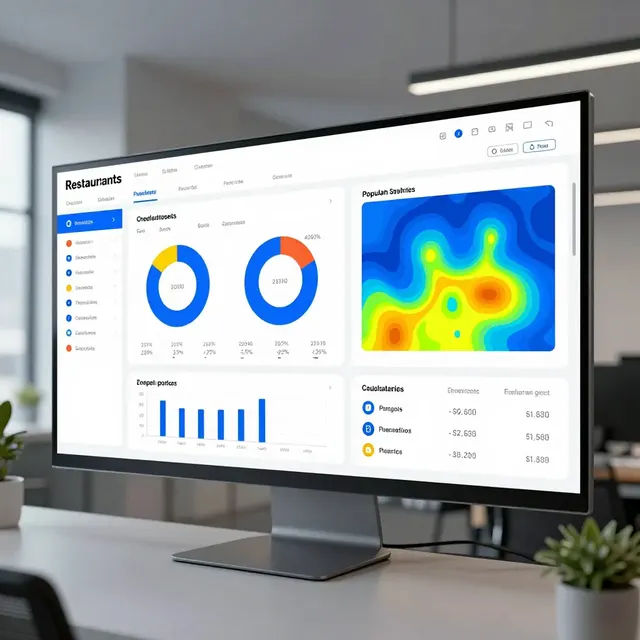
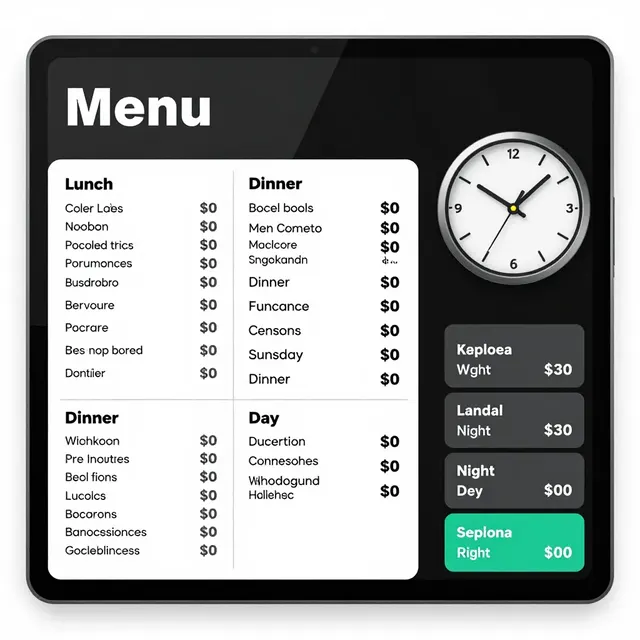
One of the most powerful ways digital menus boost profitability is through advanced menu engineering. Traditional printed menus are static; they present a fixed selection that rarely changes based on real-time data. Digital menus, however, are dynamic. They can be integrated with Point of Sale (POS) systems to track exactly what customers order, how long items take to prepare, and which combinations are most popular. This data-driven approach allows restaurant owners to perform sophisticated menu engineering, optimizing their offerings to maximize margins without compromising on quality.
For instance, if data shows that a specific appetizer has a high margin but low popularity, the digital menu can be adjusted to suggest it more effectively. Through strategic placement and personalized recommendations, the system can nudge customers toward high-margin items. A digital menu can highlight seasonal specials or daily deals that feature ingredients already in stock, reducing food waste and increasing the perceived value of the order. This is particularly useful for managing inventory; if a supplier delivers a surplus of fresh herbs, the digital menu can instantly feature a new salad or garnish option that utilizes that inventory, preventing spoilage.
Another critical aspect is the ability to run promotions that drive higher average check sizes without feeling like a sales pitch. Digital menus can easily accommodate "build your own" sections, combo deals, or loyalty program discounts that are tracked automatically. Imagine a scenario where a customer orders a burger; the digital menu can suggest a specific side or a dessert that pairs well, increasing the total order value. This level of interactivity is impossible with paper. Additionally, digital menus can display customer reviews and ratings next to specific items, building trust and encouraging customers to try new, high-margin dishes they might otherwise overlook. By leveraging these tools, restaurants can subtly guide customer behavior to favor options that are both delicious and profitable, directly impacting the bottom line.
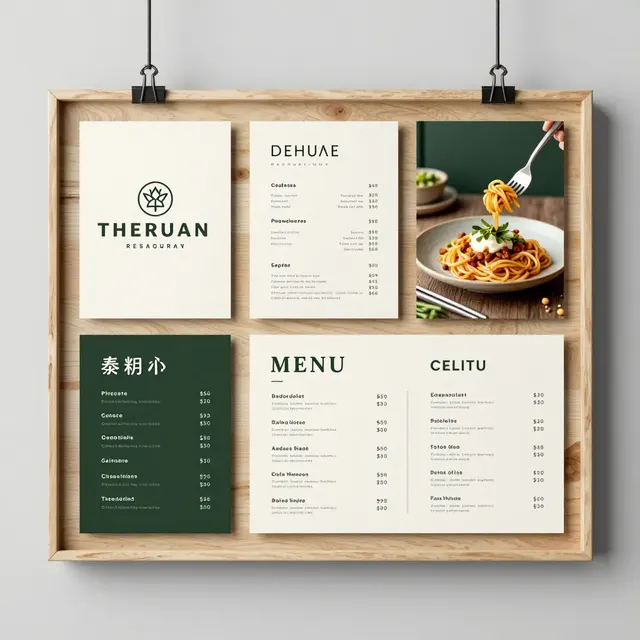
Transparency and Trust: Building a Loyal Customer Base
In 2026, consumers are more informed and skeptical than ever before. They demand honesty regarding ingredients, sourcing, and pricing. A digital menu platform that prioritizes transparency, such as upQR, empowers restaurants to showcase this commitment. Instead of vague descriptions like "made with premium ingredients," a digital menu can list exact allergens, sourcing locations, and even carbon footprint metrics for each dish. This level of detail builds immense trust with the customer. When a diner knows exactly what they are eating and where it comes from, they feel more confident in their purchase, which reduces the likelihood of returns or complaints.
Transparency also plays a crucial role in managing dietary restrictions. Many customers suffer from allergies or have strict dietary preferences like gluten-free, vegan, or keto. A digital menu can use clear icons and detailed text to filter these options instantly, ensuring that no one feels left out or at risk. This inclusivity broadens the customer base and fosters a sense of community among diners who share similar values. When customers see that a restaurant takes their safety and needs seriously, they are more likely to return and recommend the establishment to friends and family. This word-of-mouth marketing is invaluable and costs nothing to generate.
Furthermore, honesty about pricing is a cornerstone of modern dining culture. Hidden fees or unclear pricing structures can lead to negative reviews and lost revenue. Digital menus allow for clear, itemized pricing that leaves no room for confusion. If a restaurant needs to adjust prices due to inflation, they can do so openly and explain the reasons behind the change within the digital interface. This openness prevents customer backlash and maintains brand integrity. By fostering a relationship based on trust and honesty, restaurants create a loyal customer base that is less price-sensitive and more focused on the quality and values of the food they receive.
Operational Efficiency: Streamlining Service and Reducing Errors
Operational efficiency is another area where digital menus provide a significant return on investment. Paper menus are prone to physical damage, such as tearing, staining, or becoming illegible due to grease. This not only looks unprofessional but can also lead to order errors where customers misread items. Digital menus eliminate this risk entirely. They are crisp, clear, and consistent every time a customer scans the code. This consistency ensures that the kitchen receives accurate order details, reducing the rate of mistakes that lead to wasted food and unhappy customers.
From a staff perspective, digital menus reduce the workload on servers. Instead of constantly explaining menu items or answering repetitive questions about ingredients, servers can direct customers to the digital menu for detailed information. This frees up staff to focus on hospitality, table turnover, and providing a personalized experience. It also simplifies the training process for new employees; they no longer need to memorize every detail of the menu because that information is readily available to the customer. This efficiency allows restaurants to run smoother operations during peak hours, minimizing wait times and maximizing table turnover rates, which is a key driver of revenue.
Additionally, digital menus facilitate better inventory management. By tracking which items are ordered most frequently and which are rarely touched, owners can make data-backed decisions about what to keep on the menu and what to discontinue. This prevents the "zombie items" on a menu-dishes that cost money to prepare but generate little revenue. By constantly refining the menu based on real-time data, restaurants ensure that their resources are allocated to the most profitable and popular items. This agility is essential in an industry where trends change rapidly. A digital menu allows a restaurant to pivot quickly, introducing new trends or removing underperformers without the logistical nightmare of reprinting thousands of pages.
Conclusion: The Strategic Advantage of Going Digital
The path to sustainable profitability in 2026 requires more than just good food; it demands a smart, efficient, and values-driven operational model. Digital menus are no longer a luxury but a necessity for restaurants aiming to thrive in a competitive market. By eliminating the costs associated with paper, leveraging data to optimize menu engineering, fostering trust through transparency, and streamlining operations, restaurants can significantly boost their bottom line. Platforms like upQR embody these principles, offering a solution that is environmentally conscious, transparent, and universally accessible. The time to transition is now. By embracing digital tools, restaurant owners can not only survive the economic challenges of the current year but also build a resilient, profitable, and customer-centric business for the future. The bottom line is clear: the future of dining is digital, and the profits follow those who lead the change.
Related Posts

Ready to create your digital menu?
Create your QR menu in minutes and reach your customers in any language.