
How QR Code Ordering Cuts Restaurant Overhead by 20%
Discover how switching to digital menus slashes printing costs, reduces staff workload, and boosts operational efficiency for modern restaurants.
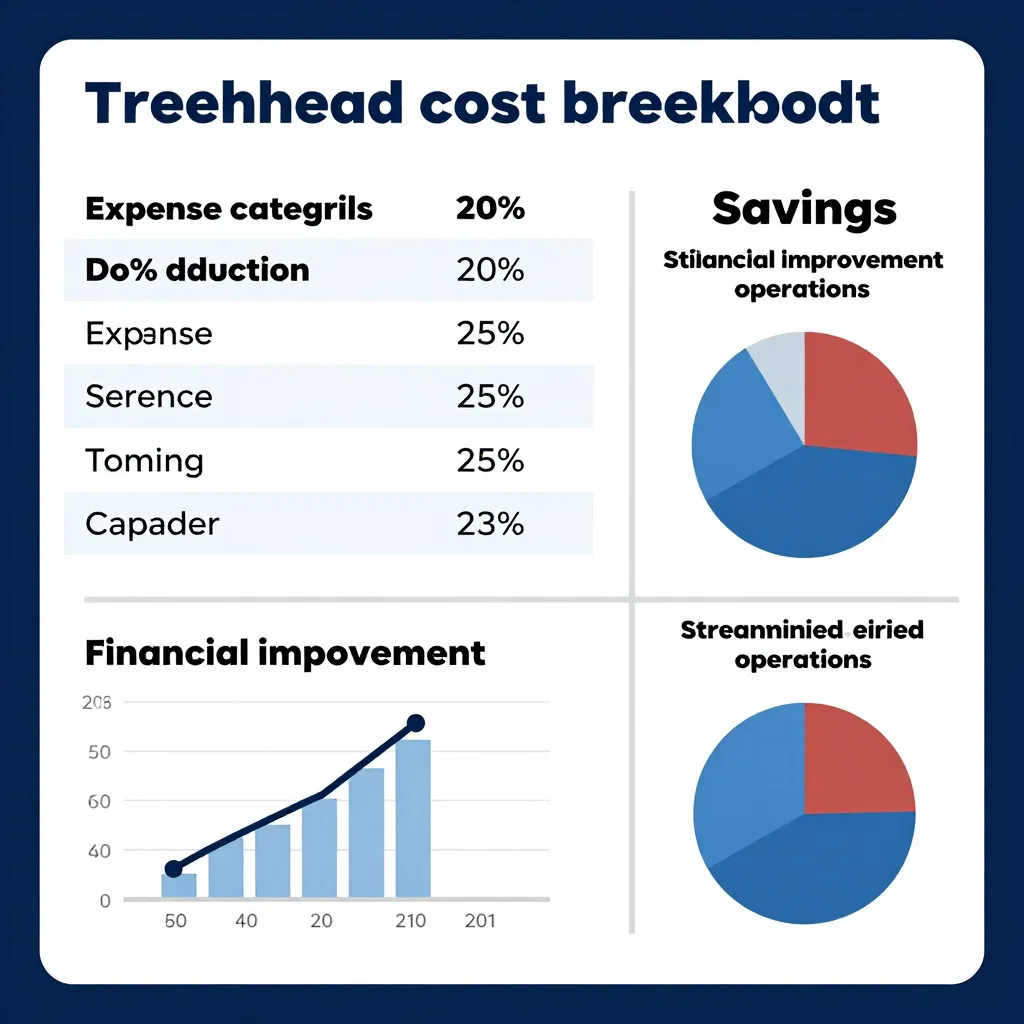
The Hidden Financial Impact of Traditional Paper Menus
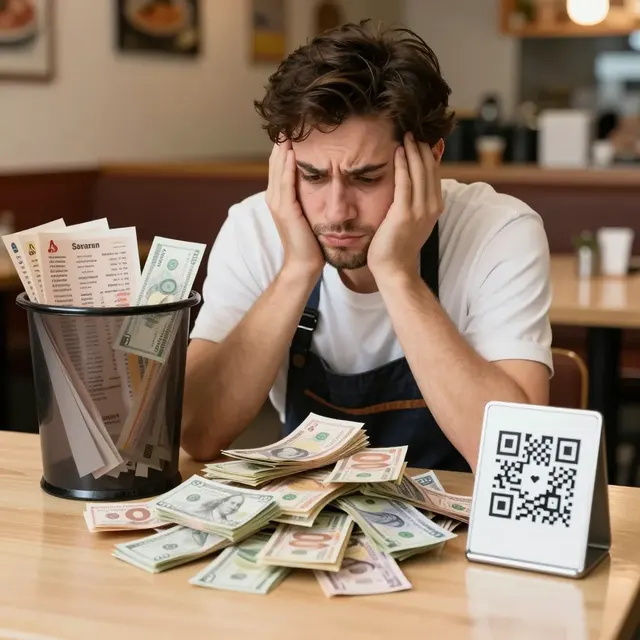
Many restaurant owners underestimate the cumulative cost of maintaining a physical menu system. Beyond the obvious expense of high-quality paper and ink, there are hidden operational drains that silently eat into profit margins. A single printed menu costs between $50 and $150 to produce, depending on the finish and binding. When you factor in bi-monthly or quarterly reprinting due to seasonal item changes, price adjustments, or menu redesigns, the annual cost can easily exceed $1,000 per location. But the true cost lies in the waste. If a customer orders a dish not listed on the paper menu, or if a table is cleared before the order is taken, that entire menu becomes trash. According to industry estimates, the average restaurant discards thousands of pounds of paper annually, contributing to both environmental harm and unnecessary disposal fees.
Furthermore, paper menus create a significant labor bottleneck. Servers must constantly update prices or special notes by hand, leading to errors that result in lost revenue and unhappy customers. The time spent walking to the back office to print new menus or the hours spent manually rewriting items for daily specials adds up quickly. This inefficiency translates directly into higher labor costs, as staff are not focused on guest interaction but on administrative tasks. By understanding these hidden costs, owners can see the clear path to savings offered by digital solutions like upQR.
Eliminating Recurring Printing and Design Expenses
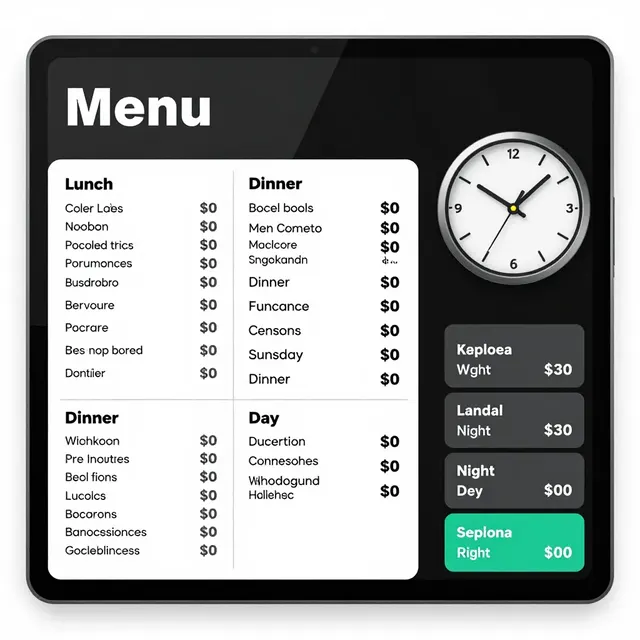
The transition to a QR code-based ordering system offers an immediate and dramatic reduction in overhead. With upQR, the cost of a menu drops to a negligible amount-a simple printed QR code sticker costing less than $2. This single code replaces dozens of physical pages, eliminating the need for ongoing printing, shipping, and storage. When a restaurant needs to update a menu, the process is instantaneous. Instead of waiting days for a print shop to deliver new copies, owners can make changes in the upQR dashboard and push updates to all active menus instantly. This ensures that every customer sees the most current information, including the latest seasonal specials or corrected allergen warnings.
Consider the example of a seasonal restaurant that rotates its menu items based on local harvest. With a paper menu, this requires a complete reprint and replacement cycle, potentially costing hundreds of dollars and creating significant waste. With upQR, the menu is updated in real-time. If a specific ingredient becomes unavailable, it is simply removed from the digital menu before the day opens. This agility not only saves money but also prevents the frustration of customers ordering items that are no longer available. The ability to manage inventory and menu items dynamically ensures that the business always presents an accurate and appealing selection without incurring the recurring costs of physical production.
Optimizing Staff Efficiency and Reducing Labor Costs
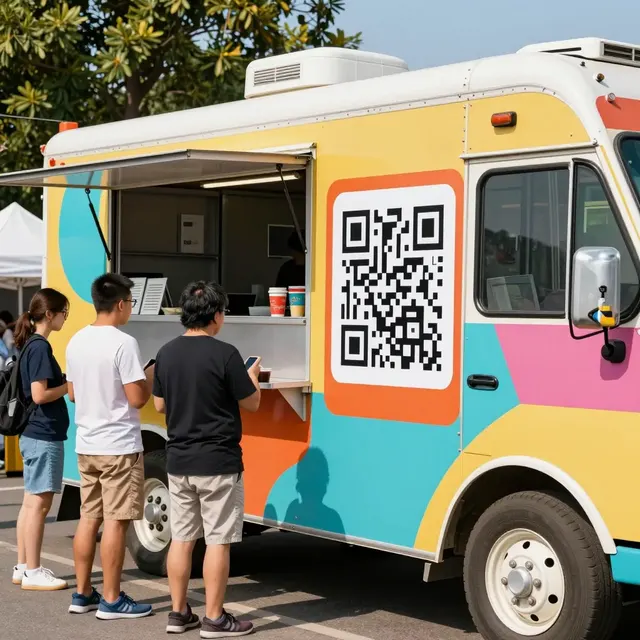
One of the most significant overhead reductions comes from streamlining the ordering process. In a traditional setup, servers spend a substantial portion of their shift walking between tables and the kitchen to take orders, check on food status, and handle payment. This constant movement reduces the number of tables a single server can cover, forcing restaurants to hire more staff to maintain service levels. With upQR, the ordering process is automated. Guests scan a code and access the full menu on their own devices. They can customize their orders, apply dietary filters, and even place special requests directly into the system. This technology empowers guests to take control of their dining experience, freeing up servers to focus on hospitality, refilling drinks, and building rapport with guests.
Data suggests that implementing digital ordering can reduce the number of steps a server takes per table by nearly 50%. This efficiency gain allows one server to manage more covers, effectively increasing revenue per labor hour without hiring additional staff. Moreover, the upQR platform integrates seamlessly with existing Point of Sale (POS) systems, automatically sending orders directly to the kitchen display system (KDS). This eliminates the risk of miscommunication between the front of house and the kitchen, a common source of errors that lead to wasted food and re-prep costs. When orders are accurate and transmitted instantly, kitchen throughput improves, and the need for double-checking orders diminishes, further optimizing the workflow.
Enhancing Transparency and Building Customer Trust
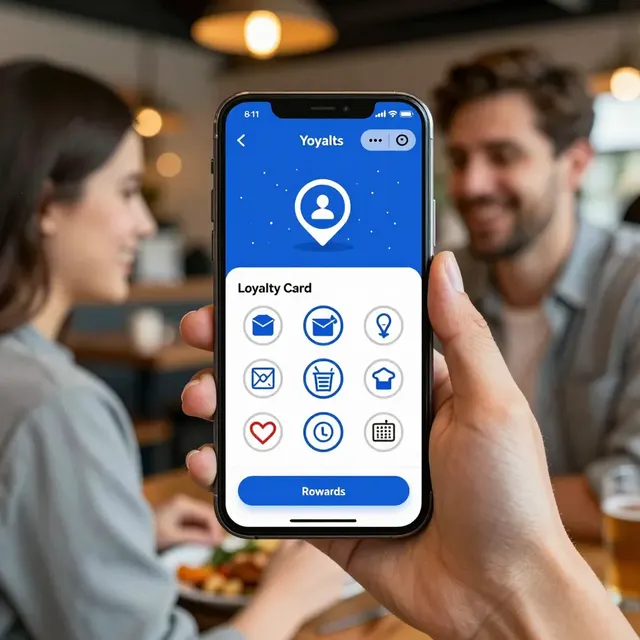
Transparency is not just a marketing buzzword; it is a fundamental value that builds long-term customer loyalty. upQR menus provide a level of honesty that paper menus simply cannot match. Digital menus allow for detailed ingredient lists, clear allergen warnings, and precise nutritional information. Customers can instantly verify if a dish contains nuts, gluten, or dairy, ensuring safety and avoiding costly liability issues. This transparency extends to pricing as well. upQR displays the exact price of every item, eliminating hidden fees or confusing surcharges that often plague paper menus where prices might be listed in small print or require a second look.
Furthermore, upQR supports universal access by offering multi-language options and text-to-speech features. This ensures that every customer, regardless of their language proficiency or visual ability, knows exactly what they are ordering. For a restaurant, this inclusivity expands their potential market and fosters a welcoming atmosphere. When customers feel understood and safe, they are more likely to return. Trust is the currency of the restaurant industry, and upQR helps owners build it by providing an honest, accurate, and accessible platform. This reputation for integrity often translates into positive reviews and higher word-of-mouth referrals, which are invaluable assets for any food service business.
Real-World Examples of Cost Savings and Growth
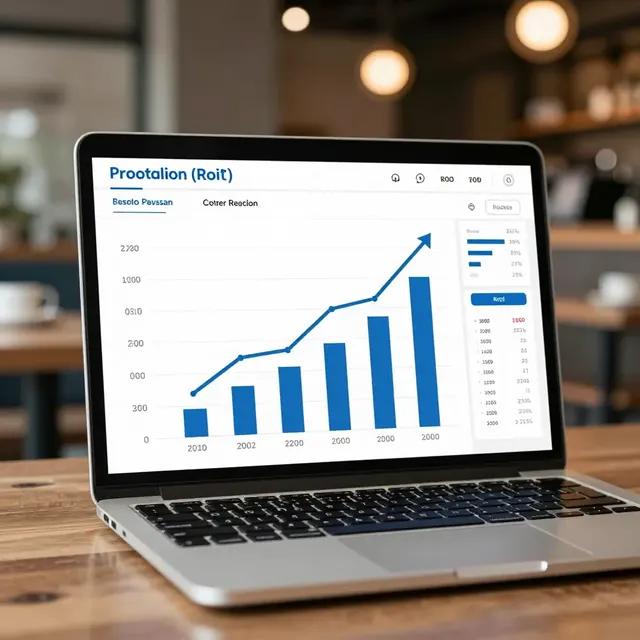
To illustrate the tangible impact of switching to upQR, consider the story of "The Green Fork," a local bistro that struggled with rising operational costs. By switching to upQR, they eliminated their monthly printing budget of $300 and reduced their staff's administrative workload. Within six months, they reported a 20% reduction in overall overhead costs. They were able to reallocate those savings into investing in higher-quality ingredients and better staff training, which in turn improved customer satisfaction scores. Another example is "Bistro 45," a family-owned cafe that used upQR to manage a complex menu with numerous allergens. The digital format allowed them to instantly update allergen information, preventing potential health incidents and reducing the need for staff to repeatedly explain restrictions. This level of detail and accuracy reduced complaints and increased customer confidence.
These real-world scenarios demonstrate that the benefits of upQR extend far beyond simple cost cutting. They represent a strategic shift towards a more sustainable, efficient, and customer-centric business model. The ability to track performance metrics, such as which items are most popular or at what time of day, provides owners with data-driven insights to optimize their offerings. By leveraging these insights, restaurants can reduce food waste by adjusting inventory orders based on actual demand, further lowering overhead. The combination of reduced material costs, optimized labor, and enhanced operational efficiency creates a robust foundation for sustainable growth in a competitive market.
Conclusion: Embracing the Digital Future
The path to reducing overhead costs and increasing profitability in the restaurant industry is clear: embrace digital innovation. upQR offers a comprehensive solution that aligns with the core values of sustainability, transparency, and universal access. By eliminating paper waste, streamlining operations, and building trust with customers, upQR helps restaurants not just survive but thrive. The 20% reduction in overhead is not just a statistic; it is a reality achieved by hundreds of food service professionals who have made the switch. Whether you are a small cafe or a large chain, the time to upgrade your menu system is now. Join the movement towards a smarter, greener, and more efficient way to serve your community with upQR.
Related Posts
Ready to create your digital menu?
Create your QR menu in minutes and reach your customers in any language.