
How Delivery Apps Are Reshaping Restaurant Menus
Discover how third-party delivery platforms are forcing restaurants to rethink their menus, optimize for mobile, and manage digital inventory effectively.
The Rise of the Dual-Menu Strategy
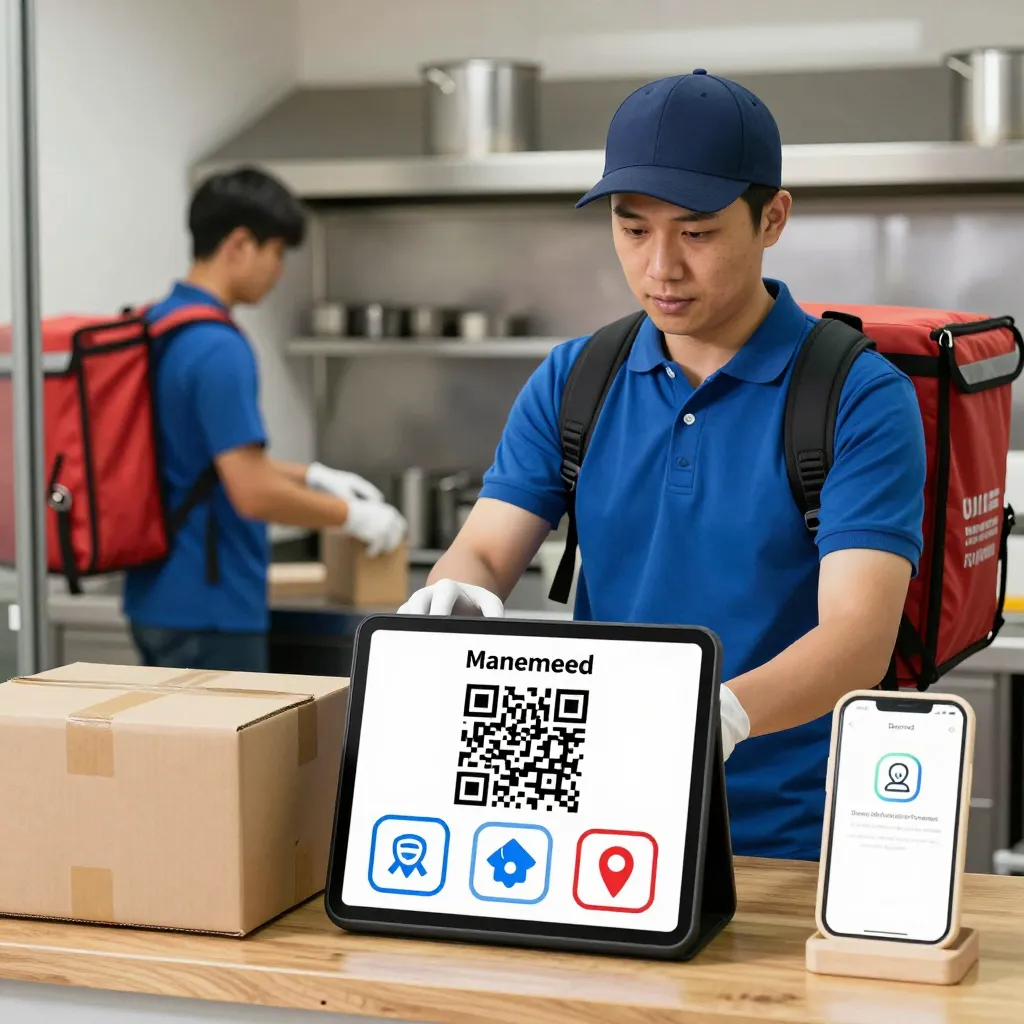
The landscape of restaurant operations has shifted dramatically over the last five years. What was once a single physical menu displayed on a wall or a printed sheet on a table has evolved into a complex ecosystem. Today, a significant portion of restaurant revenue comes from third-party delivery aggregators like Uber Eats, DoorDash, and Grubhub. According to recent industry reports, the global food delivery market is projected to reach nearly $130 billion by 2027, with a compound annual growth rate that forces traditional brick-and-mortar establishments to adapt or risk obsolescence. This surge has created a necessity for a "dual-menu" strategy: one optimized for dine-in customers who value visual appeal and detailed descriptions, and another strictly designed for delivery drivers and mobile users who prioritize speed, logistics, and profitability.
Restaurant owners who fail to distinguish between these two channels often face disastrous results. A menu designed for dine-in might include items that are visually stunning but logistically difficult to ship, such as delicate sashimi or soups served in non-insulated bowls. Conversely, a delivery-focused menu must account for packaging costs, delivery time windows, and the specific capabilities of the driver. The separation of these menus is not just about having two different documents; it is about fundamentally altering the operational workflow to accommodate the unique constraints of the delivery economy.
Optimizing for the Mobile-First Consumer
When a customer orders via a delivery app, they are interacting with a digital interface, not a printed page. This shift demands a "mobile-first" approach to menu design that goes beyond simple text. Studies show that 60% of online food orders come from mobile devices, meaning the menu must be instantly readable on small screens with varying internet speeds. Restaurants are now focusing on high-contrast images, large font sizes, and streamlined navigation to reduce friction. A cluttered menu with 50 items can overwhelm a user on a smartphone, leading to cart abandonment.
Real-world examples highlight this optimization. A popular burger joint in Austin, Texas, noticed a 15% drop in conversion rates when their menu loaded slowly on 4G networks. They streamlined their digital menu to only include their top 20 best-selling items on the delivery app, removing complex, low-margin items that required excessive preparation time. This reduction in complexity not only improved load times but also increased the average order value by encouraging customers to stick to proven winners. The goal is to make the ordering process so seamless that the customer forgets they are interacting with a computer algorithm and feels they are making a choice from a curated, high-quality selection.
Menu Engineering and Profitability on Delivery Platforms
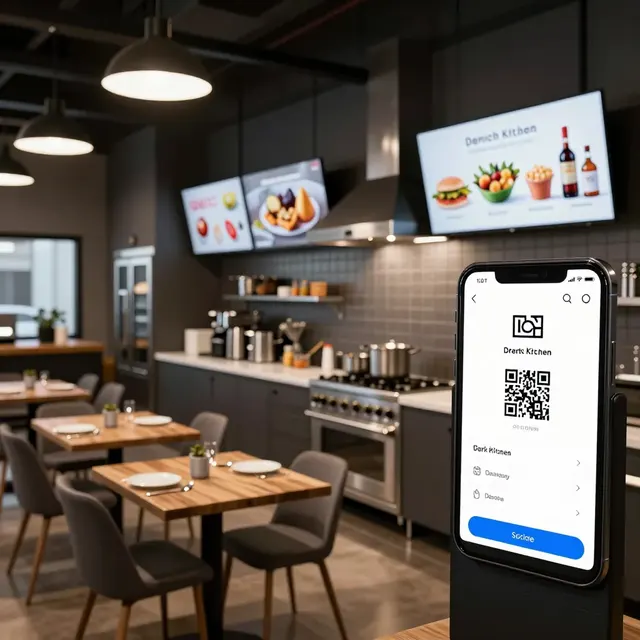
One of the most critical changes driven by delivery apps is the recalibration of menu engineering. In a physical restaurant, the cost of goods sold (COGS) is calculated based on the ingredients used. On delivery platforms, the equation changes drastically due to packaging, fuel, and commission fees. Many restaurants find that their "hero items"-the dishes that bring in the most revenue in-house-become loss-leaders when ordered for delivery due to these added overheads. This has forced owners to create specific "delivery-only" menus featuring items that travel well and have high margins.
For instance, a pasta restaurant might offer a full range of fresh, handmade pastas for dine-in service but limit the delivery menu to baked ziti, lasagna, or hearty stews that are less likely to get soggy during transit. This segmentation protects the brand's reputation for quality while ensuring profitability. Data indicates that restaurants that actively manage their delivery menus to exclude fragile items see a 20% reduction in negative reviews related to food quality. By treating the delivery menu as a distinct product line, owners can experiment with pricing strategies that account for the 15% to 30% commissions charged by aggregators, ensuring that the final price to the consumer reflects the true cost of the transaction.
Dynamic Inventory and Real-Time Updates
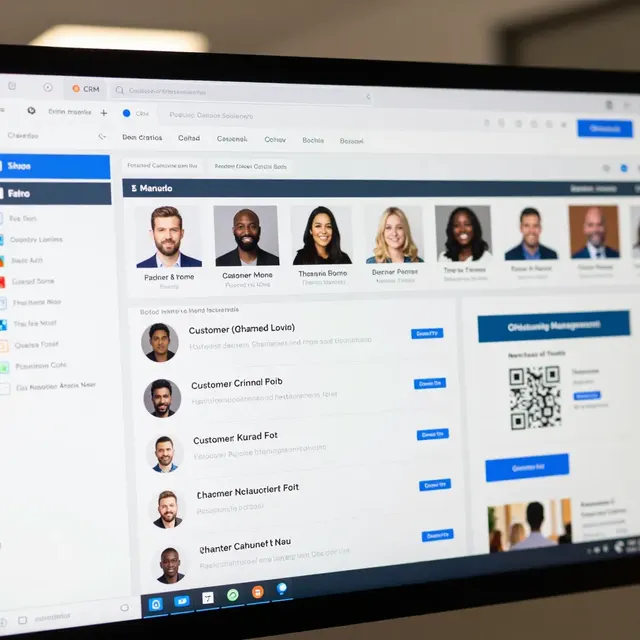
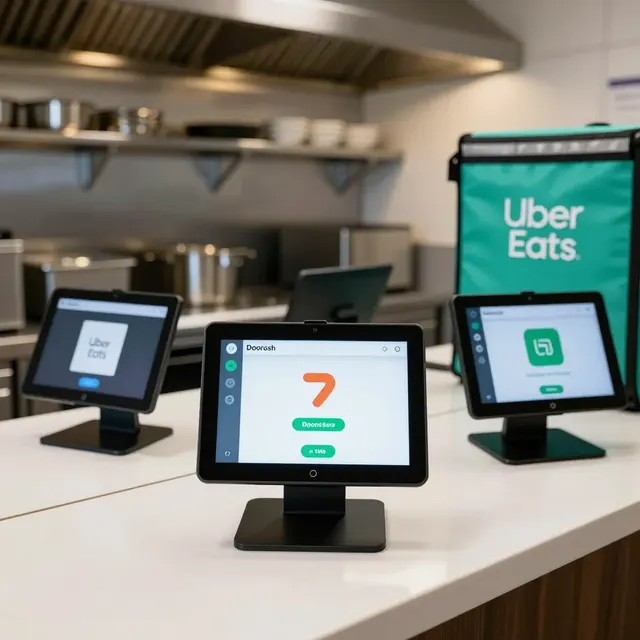
Perhaps the most disruptive change is the requirement for real-time inventory management. In a traditional setting, a waiter can tell a customer an item is sold out and suggest an alternative. On a delivery app, however, the system is rigid; if an item is not marked as unavailable, it will continue to appear on the menu, leading to failed deliveries and angry customers. This has pushed restaurants to invest in integrated Point of Sale (POS) systems that sync directly with delivery platforms. When a kitchen runs low on a specific ingredient, the system automatically flags the item on the delivery app as "temporarily unavailable" or "sold out."
Consider the case of a busy brunch cafe in New York City. During peak hours, their kitchen often runs out of specific garnishes or proteins. Previously, this resulted in drivers picking up orders that could not be fulfilled, leading to refunds and lost reputation. Now, they utilize a digital menu management tool that updates inventory status every few minutes. This dynamic approach ensures that the menu displayed to the customer always reflects what is actually in the kitchen. It also allows for strategic upselling; if a popular item is sold out, the system can automatically suggest a similar alternative, keeping the customer engaged even when inventory is constrained.
The Power of Digital Customization and Upselling
Delivery apps offer a level of customization that physical menus cannot match. Through digital interfaces, restaurants can present dynamic menus that change based on time of day, weather conditions, or even local events. For example, a pizza chain might automatically swap their standard pepperoni offer for a "rainy day special" featuring hearty, warm dishes when precipitation is detected in the user's location. Furthermore, these platforms provide robust data analytics that allow owners to tweak their offerings based on real-time performance.
This data-driven approach enables sophisticated upselling strategies. If a customer adds a main course to their cart, the app can instantly suggest a complementary side or a dessert, increasing the average order value. Restaurants are using these tools to introduce limited-time offers (LTOs) that are exclusive to the digital menu. These LTOs create a sense of urgency and exclusivity, driving traffic to the app rather than just the physical location. The ability to A/B test different menu layouts and descriptions on the digital platform provides insights that are impossible to gather from a static printed menu, allowing for continuous improvement and optimization of the food offering.
Conclusion: Embracing the Digital Evolution
The integration of food delivery apps has fundamentally altered the way restaurants operate, moving them away from static, one-size-fits-all menus toward dynamic, data-driven digital experiences. While the challenges of commissions, packaging, and logistics are significant, the opportunities for growth, customer engagement, and operational efficiency are equally substantial. The future belongs to establishments that can seamlessly manage both their physical and digital identities, offering tailored experiences for each channel. For restaurant owners and cafe managers looking to navigate this complex landscape with ease, upQR offers the perfect solution. With upQR's digital QR menu platform, you can create distinct menus for dine-in and delivery, manage inventory in real-time, and present a professional, branded experience that adapts to the changing needs of your customers. By leveraging upQR's intuitive tools, you can maintain control over your brand while capitalizing on the booming food delivery market.
Related Posts
Ready to create your digital menu?
Create your QR menu in minutes and reach your customers in any language.