
Why Your Restaurant Needs Online Ordering in 2026
Discover how an online ordering system boosts revenue, streamlines operations, and keeps customers loyal in the evolving 2026 dining landscape.
The Shifting Landscape of 2026 Dining
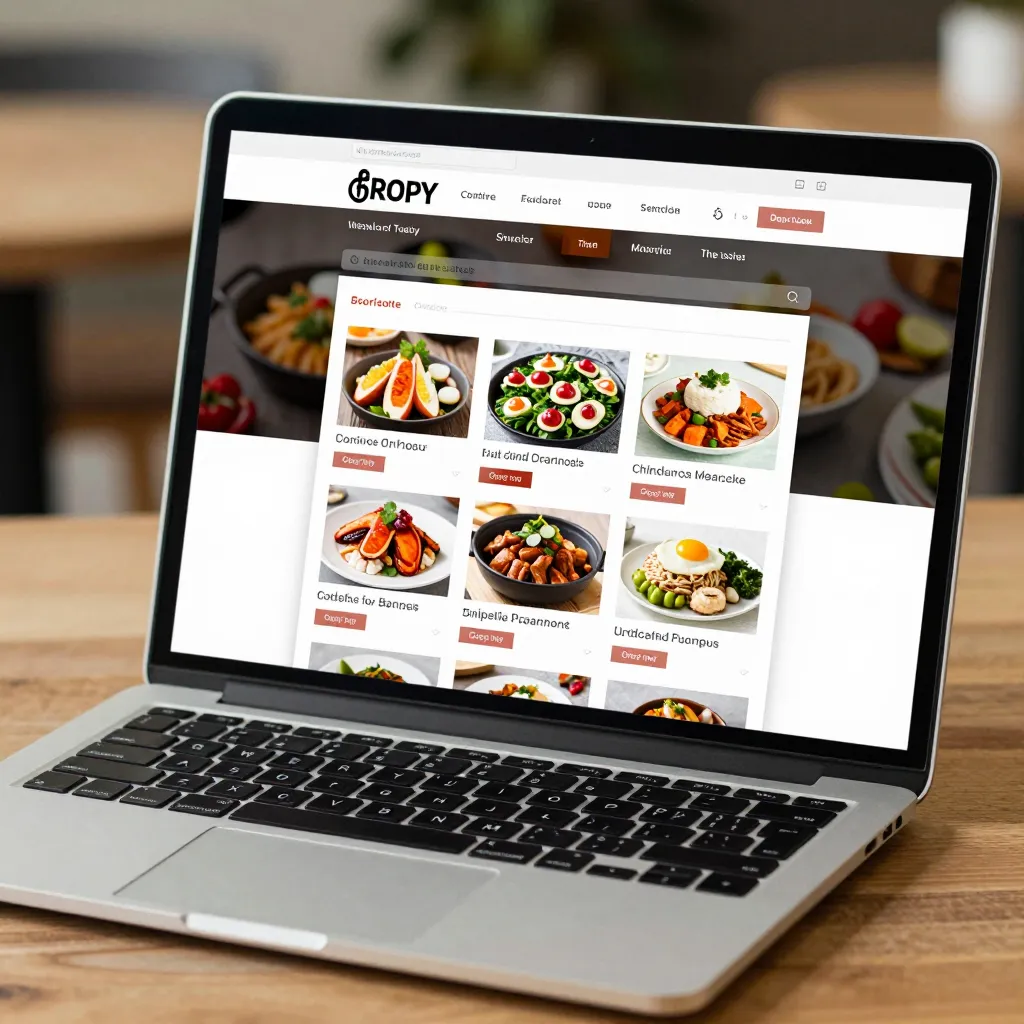
By 2026, the restaurant industry has undergone a seismic shift. The pandemic accelerated digital adoption, but the post-2025 era has solidified online ordering not as a novelty, but as a fundamental utility. According to recent industry reports, over 70% of consumers now expect a seamless digital ordering experience before even stepping foot into a restaurant. For food service professionals, ignoring this trend is no longer a strategic option; it is a survival necessity.
The definition of a 'dining experience' has expanded. It is no longer just about the quality of the food or the ambiance of the seating area. It encompasses the entire journey from the moment a customer sees a dish on social media, to the ease of placing an order, to the speed of delivery. In 2026, the friction between a customer's desire to order and the restaurant's ability to accept that order is the primary bottleneck for revenue growth.
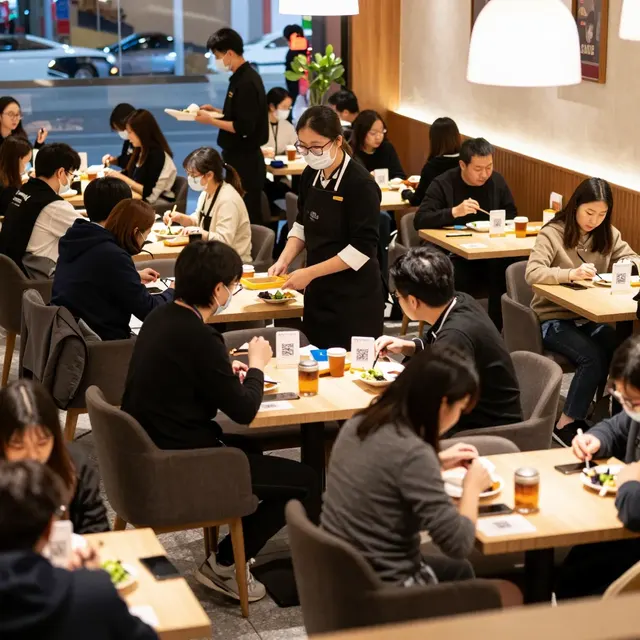
Consider the operational reality for a cafe manager in 2026. Walk-ins are unpredictable. Phone orders are slow and prone to errors. If a customer wants a specific modification to their coffee or sandwich, a traditional phone line often leads to a long hold time, causing frustration and potential lost sales. An integrated online ordering system eliminates this friction, allowing your staff to focus on what they do best: creating delicious food and providing exceptional service.
Driving Revenue Through Upselling and Automation
One of the most immediate benefits of implementing a robust online ordering system is the ability to automate upselling. In a physical setting, a host or server might forget to suggest a dessert or a drink add-on while taking an order. However, a digital menu can be programmed to nudge customers toward higher-margin items at the perfect moment.
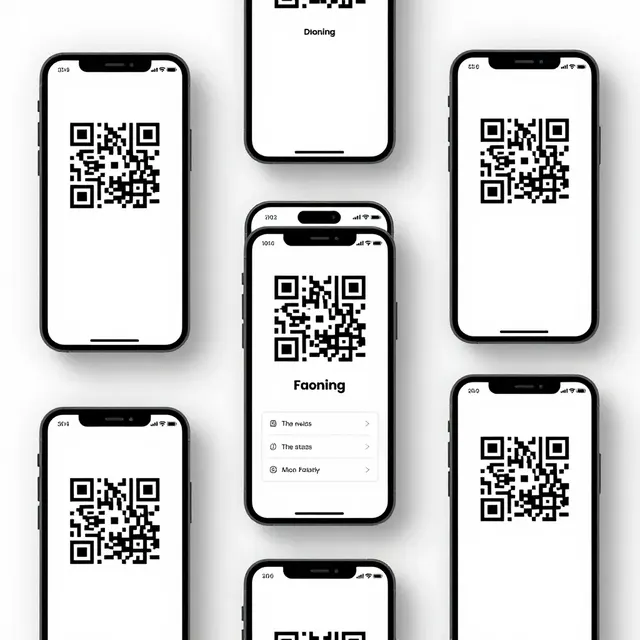
For example, when a customer selects a burger on your upQR digital menu, the system can automatically prompt them with a 'Would you like to add a side of fries?' or 'Add a cheese slice for $1?' These prompts are non-intrusive yet effective, increasing the average ticket size without adding pressure to your staff. Studies suggest that digital menus can increase food and beverage sales by up to 15% compared to static paper menus due to these strategic placement algorithms.
Furthermore, online ordering systems allow for dynamic pricing and special promotions that are difficult to manage with paper menus. You can run flash sales for lunch specials, offer a 'second item half-off' deal during slow afternoons, or highlight seasonal ingredients to drive inventory turnover. This agility ensures that you are always maximizing revenue per square foot, regardless of the time of day or day of the week.
Real-world application: A local pizza chain in Chicago implemented an online ordering system that featured 'combo builder' options. By allowing customers to customize their pizzas with specific toppings and sauces via a visual interface, they saw a 20% increase in custom orders, which often carry a higher profit margin than standard menu items. The system also reduced order errors by 40%, saving the kitchen hours of re-prep time daily.
Streamlining Operations and Reducing Staff Burnout
Staff burnout is a critical issue in the hospitality industry, with turnover rates hovering around 80% in the restaurant sector. A major contributor to this is the administrative burden placed on servers and kitchen staff. In 2026, technology must work for the staff, not against them. An online ordering system acts as a powerful operational tool that distributes the workload more evenly.
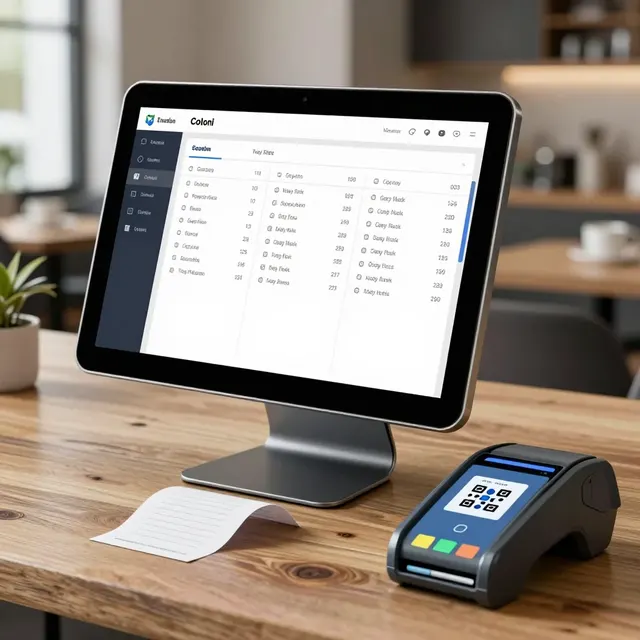
When customers place orders online, the kitchen receives a direct, digital ticket. This eliminates the need for servers to constantly write down orders, run back and forth to the kitchen, and verbally relay requests. This reduction in 'running around' allows servers to spend more time engaging with guests, checking in on their meals, and handling complaints promptly. The result is a more relaxed dining atmosphere and a more motivated, less stressed workforce.
For the kitchen manager, the benefits are equally significant. Digital orders provide real-time data on peak times, popular items, and preparation bottlenecks. If the system shows that a specific dish is taking longer than expected to prepare, the manager can adjust the workflow or pre-portion ingredients accordingly. This level of insight is invaluable for training new staff and optimizing kitchen layout and processes.
Additionally, online ordering reduces the risk of communication errors. Misheard orders are the leading cause of food waste and customer dissatisfaction. A digital order is exact, ensuring that the customer gets exactly what they asked for. This consistency builds trust and encourages repeat visits, which is the lifeblood of any small business.
Building Brand Loyalty and Data-Driven Insights
In the crowded marketplace of 2026, retaining a customer is significantly cheaper than acquiring a new one. An online ordering system is the gateway to building a direct relationship with your audience, independent of third-party delivery aggregators. By capturing customer emails and phone numbers during the checkout process, you can build a loyalty program that rewards repeat visits directly to your brand.
Imagine a scenario where a customer orders a specific latte every morning. With a digital loyalty program integrated into your ordering system, they earn points instantly. When they hit a threshold, they receive a free coffee. This gamification of the ordering process creates a habit loop that keeps customers coming back to your specific location, rather than ordering from a generic app.
Moreover, the data generated by an online ordering system is a goldmine for strategic decision-making. You can analyze which items are trending, which locations need more inventory, and what time slots are most profitable. This data allows you to make informed decisions about menu engineering, staffing schedules, and marketing campaigns. For instance, if the data reveals that a specific salad is unpopular, you can pivot the recipe or remove it from the menu to streamline kitchen operations.
Integration with marketing tools is also seamless. You can send targeted push notifications or emails to customers who haven't ordered in a while, offering them a personalized discount to bring them back. This proactive approach to customer retention is far more effective than hoping for walk-ins or relying solely on word-of-mouth.
Choosing the Right Solution: The upQR Advantage
Not all online ordering systems are created equal. Many generic solutions lack the customization, ease of use, and design flexibility required for a unique brand identity. In 2026, your digital menu must reflect the personality of your restaurant, just as your physical space does. This is where platforms like upQR stand out as the superior choice for modern food service professionals.
upQR offers a white-label solution that allows you to customize the look and feel of your digital menu to match your brand guidelines. Whether you are a rustic cafe or a sleek modern bistro, upQR provides the tools to create a bespoke experience. You can embed high-resolution photos of your dishes, write compelling descriptions, and even include video content to showcase your cooking process. This visual storytelling is crucial in 2026, where customers often order based on the 'mouth-watering' factor of the imagery.
The platform is also designed for ease of use. Staff members can update menus, prices, and availability in real-time from any device. If an item runs out of stock, it can be marked as 'unavailable' instantly, preventing disappointed customers and wasted kitchen prep. This level of control and agility is essential for maintaining a high standard of service.
Furthermore, upQR prioritizes security and reliability. In an era where data breaches are common, ensuring that customer information is protected is paramount. upQR adheres to strict security protocols, giving you peace of mind while you focus on growing your business. The platform also integrates seamlessly with existing POS systems, ensuring that your data flows smoothly across all touchpoints without complex technical setups.
Conclusion
The decision to adopt an online ordering system in 2026 is not just about keeping up with trends; it is about securing the future of your business. It empowers you to increase revenue through strategic upselling, streamline operations to reduce burnout, and build a loyal community of repeat customers through data-driven insights. The technology has evolved to be intuitive, secure, and highly customizable, removing the barriers that once made digital adoption daunting.
For restaurant owners and cafe managers looking to stay ahead of the curve, the path forward is clear. By leveraging a platform like upQR, you gain a competitive edge that goes beyond simple ordering functionality. You gain a comprehensive tool that enhances the customer experience, optimizes your workflow, and positions your brand as a leader in the modern dining scene. Don't let your competitors take the lead; embrace the digital transformation today and watch your business thrive in the years to come.
Related Posts
Ready to create your digital menu?
Create your QR menu in minutes and reach your customers in any language.