
Mastering QR Menus at Outdoor Music Festivals and Events
Learn how to leverage digital QR menus to streamline food service at music festivals. Discover strategies for managing high-volume crowds, ensuring allergen transparency, and reducing waste during major events.
The Unique Challenges of Food Service at Outdoor Festivals
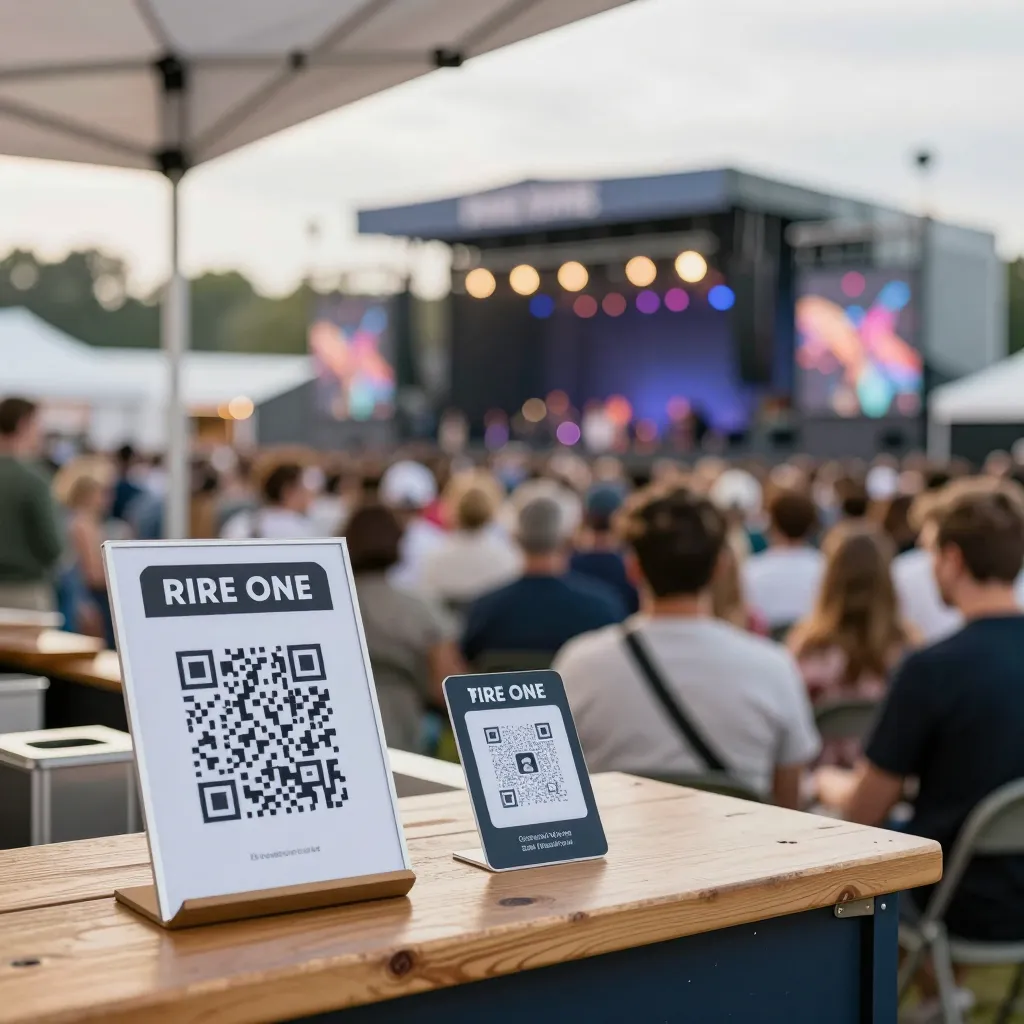
Operating a food truck or managing a pop-up cafe at a music festival presents a distinct set of logistical hurdles that differ significantly from a standard restaurant environment. The primary constraint is space; you often have a limited footprint but face a massive, concentrated demand. At events like Coachella, Glastonbury, or even local county fairs, the density of customers can be overwhelming, leading to long lines that frustrate attendees and potentially cause them to miss acts on stage. According to industry data, food lines at major festivals can exceed 20 minutes during peak hours, often resulting in lost revenue as hungry patrons seek alternatives or leave hungry.
Beyond the physical lines, the environment is unpredictable. Outdoor venues are subject to sudden weather changes, from scorching heatwaves to unexpected rain showers. Furthermore, the noise levels are deafening, making traditional verbal ordering impossible. Customers cannot hear the menu board or the staff calling out items. This is where the integration of a robust digital QR menu system becomes not just a convenience, but a critical operational necessity. By shifting the ordering process to a mobile interface, you effectively decouple the speed of service from the speed of communication, allowing your kitchen to work at its own pace while customers browse at their leisure.
Implementing Universal Access and Dietary Transparency
Music festivals attract a diverse demographic with varied dietary requirements, ranging from strict vegan and gluten-free needs to specific allergy sensitivities. In a traditional paper menu setup, this information is often buried in small print or omitted entirely, leading to potential health risks for customers. At an event where thousands of people are gathered, the risk of an allergic reaction can escalate quickly in a crowded, noisy environment. A digital QR menu platform like upQR solves this by prioritizing transparency as a core value.
When a customer scans the code, they are presented with a clear, structured layout where ingredients, allergens, and nutritional data are easily accessible. You can utilize color-coding or specific icons to denote vegetarian, vegan, or allergen-free options, ensuring that every attendee, regardless of their language or literacy level, can understand exactly what they are ordering. This universal access principle ensures that no one is left out due to a language barrier or an inability to read small text. For instance, a festival-goer who speaks a different language can still navigate the menu if the system supports multilingual options, or if the visual cues for dietary needs are prominent. This honesty in information builds trust with your customers, proving that you care about their safety and well-being above all else.
Consider the scenario of a customer with a severe nut allergy. In a paper menu, they might have to ask a staff member to interpret a description like "spiced bread with herbs." In a digital system, you can explicitly list "Contains: Sesame, Wheat" and clearly mark "Contains Nuts" with a bold warning. This level of detail eliminates guesswork and reduces the cognitive load on your staff, who are often overwhelmed by the volume of inquiries during a festival. By automating this information delivery, you protect your customers and shield your team from high-pressure, potentially stressful interactions.
Streamlining Operations in High-Velocity Environments
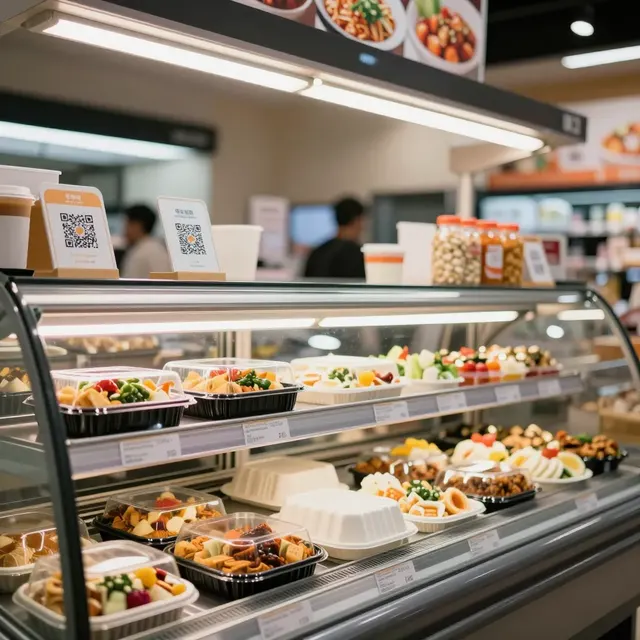
The speed of service is the lifeblood of any festival food vendor. Every minute a customer spends waiting in line is a minute they are not spending on the stage or enjoying the festival atmosphere. A well-optimized digital menu system allows for asynchronous ordering. Customers can scan the code, review the menu, and place their order before even reaching the front of the line. This pre-ordering capability significantly reduces the physical queue length and minimizes the time the kitchen is exposed to the elements.
From an operational standpoint, digital menus provide real-time inventory management capabilities that paper menus cannot match. As items sell out, your system can automatically update the menu status to "unavailable" or "sold out." This prevents the embarrassment of a customer ordering a burger that has already been sold, which is a common complaint at festivals. It also allows your kitchen to manage workflow more efficiently, focusing preparation on items that are actively being ordered rather than guessing based on a static paper list.
Furthermore, the integration of digital menus with payment processing creates a seamless end-to-end experience. Customers can pay directly through the QR code interface, eliminating the need for cash transactions or slow credit card terminals at the point of sale. This is particularly useful for festivals where cashless payments are increasingly the norm. The ability to accept mobile payments instantly ensures that the transaction happens in seconds, not minutes, keeping the flow of customers moving smoothly. This efficiency not only improves customer satisfaction but also maximizes your turnover rate, allowing you to serve more people per hour without increasing your staff size.
Reducing Waste and Supporting Sustainability Goals
Music festivals are notorious for their environmental footprint, with mountains of paper waste generated by single-use menus, receipts, and promotional materials. As a food service professional, adopting a digital-first approach aligns your business with sustainability goals that are increasingly important to modern consumers. By eliminating paper menus, you directly reduce the carbon footprint associated with printing, transporting, and disposing of thousands of sheets of paper during a single event.
The environmental impact is significant when scaled across multiple vendors. If just one food truck eliminates 100 paper menus per day, and there are 50 vendors at a festival, that translates to 5,000 sheets of paper saved. Over the course of a multi-day festival, the cumulative effect is substantial. This commitment to environmental consciousness resonates deeply with festival-goers who are often passionate about eco-friendly practices. You can even include a sustainability statement within the digital menu interface, educating customers on how your digital choice contributes to a greener event.
Additionally, digital menus allow for dynamic content updates that respond to real-time environmental conditions. If a storm is approaching, you can instantly update the menu to suggest indoor-friendly options or highlight items that are less susceptible to weather-related spoilage. This agility ensures that your business remains resilient and responsible. By choosing a platform that prioritizes these values, you demonstrate that your brand is forward-thinking and committed to the well-being of the planet, fostering a positive relationship with your audience.
Enhancing Customer Experience with Customization and Feedback
The customer experience at a festival is often defined by the quality of the food and the speed of service, but it is also shaped by the ease of interaction with the vendor. A digital QR menu transforms a potentially stressful ordering experience into an engaging interaction. You can customize the interface to reflect your brand identity, using high-quality images and clear descriptions that make the food look irresistible, even through a smartphone screen.
One of the most powerful features of a digital menu system is the ability to collect immediate feedback. After a customer completes their order, you can prompt them to rate their experience or provide feedback on specific items. This data is invaluable for post-event analysis, allowing you to understand what worked and what didn't. You can identify which items were popular, which ingredients caused complaints, and where your service bottlenecks occurred. This feedback loop enables you to make data-driven decisions for future events, refining your menu and operations based on actual customer insights rather than assumptions.
Moreover, the ability to push notifications or update the menu in real-time allows for dynamic engagement. If you have a special limited-time offer or a flash sale on a specific item, you can highlight it directly on the menu. This creates a sense of urgency and excitement, encouraging customers to try new items. The flexibility of the digital platform ensures that your business can adapt quickly to changing trends and customer preferences, keeping your offerings fresh and relevant throughout the duration of the event.
Conclusion
Navigating the complexities of food service at outdoor music festivals requires a strategic approach that balances speed, safety, and sustainability. The challenges of high-volume crowds, dietary transparency, and environmental responsibility are best addressed through the adoption of a robust digital menu system. Platforms like upQR provide the necessary infrastructure to create a seamless, transparent, and eco-friendly ordering experience that resonates with modern consumers.
By implementing a digital QR menu, restaurant owners and food service professionals can eliminate paper waste, ensure allergen safety, streamline operations, and enhance the overall customer experience. The shift to a digital-first approach is not just a technological upgrade; it is a commitment to values that matter: honesty, accessibility, and environmental stewardship. As the festival industry evolves, those who embrace these digital tools will find themselves better positioned to serve their customers effectively and sustainably. Consider integrating a solution like upQR to transform your next event operation into a model of efficiency and care.
Related Posts
Ready to create your digital menu?
Create your QR menu in minutes and reach your customers in any language.