
Restaurant Data Privacy: QR Menu Regulations Guide
Protect your customers and your business. Learn essential QR menu privacy laws, data security tips, and how upQR ensures compliance with global standards.
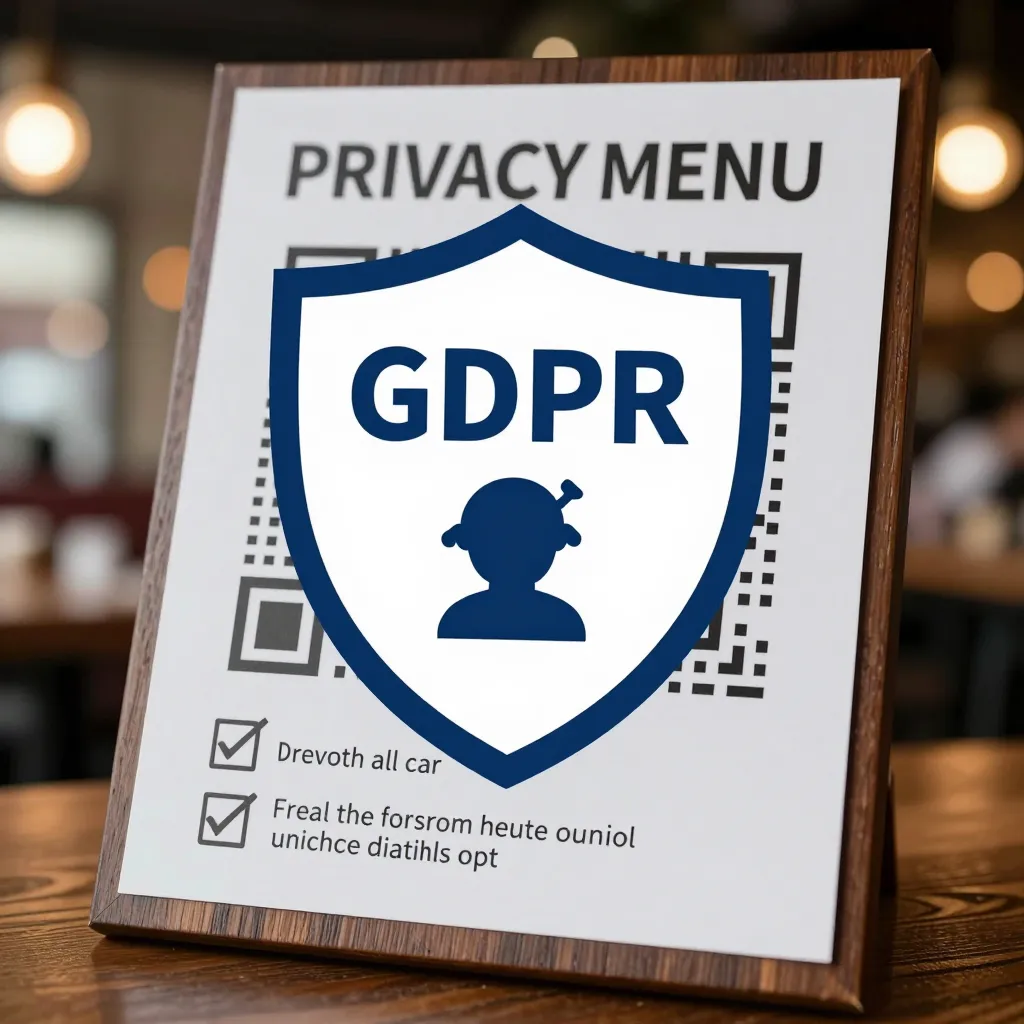
Why QR Menu Data Privacy Matters for Your Restaurant
When a customer scans a QR code to view your menu, they are not just looking at food photos and prices. They are handing over sensitive personal information. This data can include their name, email address, phone number, dietary restrictions, and sometimes even their location data if the menu includes a reservation form or a loyalty signup. For restaurant owners, understanding the gravity of this data exchange is the first step toward building trust and avoiding legal trouble.
According to recent industry reports, over 60% of consumers are concerned about how their data is handled by businesses they interact with digitally. In the food service industry, where trust is paramount, a data breach or a perceived lack of privacy can be devastating. A single incident can lead to a loss of reputation that takes years to rebuild. Therefore, implementing robust data privacy measures is not just a legal requirement; it is a strategic business decision that differentiates you from competitors who treat customer data as an afterthought.
The shift from paper menus to digital QR codes has accelerated the collection of customer data. While this offers operational efficiencies, it also introduces new vulnerabilities. If your QR menu links to a third-party form or a poorly secured website, you could be inadvertently selling your customers' data without their knowledge. This practice, known as "data brokering," is illegal in many jurisdictions and violates the core principle of transparency. Your customers deserve to know exactly what they are ordering, which includes understanding how their personal information is being protected.
Understanding the Legal Landscape: GDPR, CCPA, and Beyond
Restaurant owners operating in different regions face a complex web of regulations designed to protect consumer privacy. The most prominent of these are the General Data Protection Regulation (GDPR) in the European Union and the California Consumer Privacy Act (CCPA) in the United States. While these laws have different scopes, they share common requirements that every digital menu provider must adhere to.
The GDPR, effective since 2018, is widely considered the gold standard for data privacy. It mandates that businesses must obtain explicit, informed consent before collecting personal data. This means your QR menu cannot silently track a user or pre-check a box for newsletter signups. Furthermore, under GDPR, customers have the "right to be forgotten," meaning you must provide a simple way for them to delete their data entirely. Non-compliance can result in fines of up to 4% of your annual global turnover or €20 million, whichever is higher.
In the United States, the CCPA gives California residents similar rights, including the right to know what data is collected, the right to opt-out of data sales, and the right to delete their data. Many other states are following suit with their own "mini-CCPA" laws. Even if your restaurant is not in California or Europe, you must still consider these laws if you serve international tourists or have customers who travel from these regions. Ignorance of the law is not a valid defense, and the digital nature of QR menus makes you subject to the laws of the location where the customer is physically standing when they scan the code.
Beyond specific regional laws, there are general principles that apply everywhere: transparency, purpose limitation, and data minimization. You should only collect data that is necessary for your specific business purpose. If you only need an email to send a receipt, do not ask for their phone number or home address. This principle of data minimization reduces your liability and respects your customer's privacy. By adhering to these global standards, you demonstrate a commitment to honesty and accuracy, which are foundational values of the modern digital restaurant experience.
Common Pitfalls in QR Menu Data Collection
Many restaurants fall into traps that compromise data privacy, often unintentionally. One of the most common issues is the use of third-party apps or websites that are not vetted for security. When a restaurant owner creates a QR code that links to a free, generic form builder, they often do not realize that the form owner may be harvesting the data for marketing purposes. This is a form of deceptive practice where the restaurant owner believes they are collecting data for operations, but the customer's data is actually being sold to advertisers.
Another significant pitfall is the lack of a clear privacy policy linked directly from the QR menu. When a customer scans a code, they should be presented with a simple, accessible statement explaining what data is collected and why. If this information is buried in a website footer or missing entirely, it violates the principle of transparency. Customers are increasingly savvy; if they cannot find a privacy notice, they may assume their data is being misused. This lack of clarity erodes trust immediately.
Security vulnerabilities in the hosting platform are also a major risk. If your QR menu is hosted on a server that is not encrypted, hackers can intercept the data as it travels from the customer's phone to your database. This is known as a man-in-the-middle attack. Additionally, using QR codes that redirect to non-HTTPS (non-secure) websites is a red flag for both customers and search engines. A secure website is not just a legal requirement; it is a signal to the customer that you take their safety seriously.
Furthermore, some restaurants use QR codes to collect data for "loyalty programs" without clearly stating that this is an optional service. This forces customers into a choice between providing their data or not getting a discount, which can be seen as coercive. True transparency means offering a seamless experience where customers can view the menu without any requirement to sign up, and then offering the option to join a loyalty program separately. This distinction is crucial for maintaining ethical standards and complying with regulations that prohibit forced consent.
Best Practices for Securing Your Digital Menu
To protect your restaurant and your customers, you must adopt a proactive approach to data security. The first step is to choose a platform that prioritizes privacy by design. Look for a solution that offers end-to-end encryption, meaning data is protected both in transit and at rest. Ensure that the platform you choose complies with major regulations like GDPR and CCPA out of the box. This removes the burden of compliance from your shoulders and allows you to focus on serving your guests.
Implement a clear and concise privacy notice directly on the QR menu landing page. This notice should be written in plain language, avoiding legal jargon. Explain exactly what data you collect (e.g., email for receipts), how long you keep it, and who you share it with. Provide a direct link to your full privacy policy and a contact email for privacy inquiries. This level of transparency builds confidence and shows that you have nothing to hide. It aligns perfectly with the value of honesty and accuracy, ensuring that customers feel safe interacting with your digital menu.
Regularly audit your data collection practices. Ask yourself: "Do we really need this piece of information?" If the answer is no, stop collecting it. Review your third-party integrations frequently to ensure they still adhere to security best practices. Update your software and security protocols regularly to patch any vulnerabilities. Train your staff on data privacy so that they understand the importance of not sharing customer information casually or storing it on unsecured devices. A culture of privacy starts at the top and extends to every employee who interacts with customer data.
Offer customers control over their data. If you run a loyalty program or newsletter, make it easy for customers to unsubscribe or delete their accounts. Do not make this process difficult or hidden. By empowering customers to manage their own data, you foster a relationship based on trust and respect. This approach not only helps you stay compliant but also enhances your brand reputation. Customers are more likely to return to a restaurant that demonstrates a genuine commitment to their privacy and security.
How upQR Ensures Compliance and Protects Your Business
At upQR, we understand that data privacy is not just a technical requirement; it is a moral obligation to your customers. Our platform is built from the ground up with transparency and security as core pillars. When you choose upQR, you are choosing a partner that prioritizes the honest and accurate representation of your business, just as we represent your menu items. We believe that every customer deserves to know exactly what they are interacting with, including the systems behind your digital menu.
Our solution automatically handles the complex aspects of data privacy. We provide built-in privacy notices that you can customize to match your restaurant's voice, ensuring that your customers are always informed. Our infrastructure is encrypted and secure, protecting your customers' data from unauthorized access. We do not sell your customer data to third parties; we keep it strictly for the purpose of helping you manage your restaurant operations. This commitment to data minimization and honesty sets us apart in a crowded market.
By integrating upQR into your restaurant, you gain access to a system that supports universal access and environmental sustainability without compromising on security. We eliminate the need for paper waste while ensuring that your digital footprint is secure and compliant. Our team is dedicated to supporting you in navigating the ever-changing landscape of data regulations, providing you with the tools and resources you need to stay ahead of the curve. Choose upQR to protect your business, respect your customers, and build a future where digital dining is safe, transparent, and sustainable.
Related Posts
Ready to create your digital menu?
Create your QR menu in minutes and reach your customers in any language.