
Restaurant Fire Safety & Kitchen Regulations Guide
Master kitchen safety laws and fire prevention with practical tips for restaurant owners using digital compliance tools.
Understanding the Critical Link Between Kitchen Safety and Digital Operations
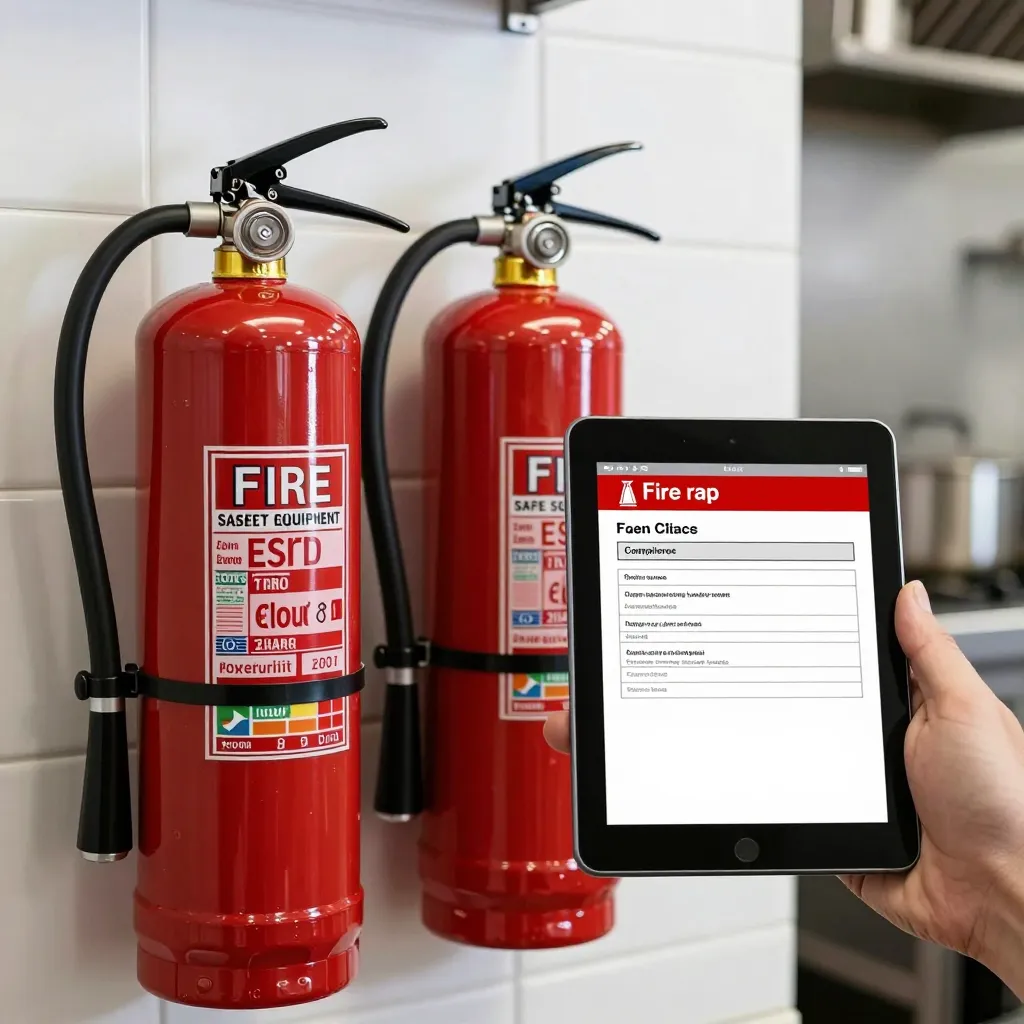
Every restaurant owner knows that the kitchen is the heart of the business, but it is also the most hazardous area on the premises. According to the National Fire Protection Association (NFPA), commercial cooking equipment is responsible for a significant portion of restaurant fires annually. However, the threat isn't limited to grease fires or gas leaks; it extends to regulatory compliance. In an era where digital menus and online ordering are standard, the integration of safety protocols with digital operations has become vital. A fire can shut down a business instantly, but proactive digital tools can help maintain compliance, track safety inspections, and ensure that every team member, from the dishwasher to the executive chef, is aware of emergency procedures.
When we talk about "digital compliance tools," we are referring to systems that go beyond simple QR codes for menus. These are platforms that help restaurants manage health codes, fire safety logs, staff training records, and allergen transparency. For instance, if a restaurant uses a digital menu system like upQR, it can instantly update ingredient lists to reflect new safety standards or post emergency contact information directly on the customer-facing screen. This ensures that in the event of a fire alarm or evacuation, customers and staff have immediate access to critical information without relying on outdated paper manuals.
Key Fire Safety Regulations Every Restaurant Must Know
Fire safety in the food service industry is governed by a complex web of local, state, and federal regulations. While specific codes vary by jurisdiction, the core principles remain consistent. The most critical regulation involves the installation and maintenance of fire suppression systems. Under the National Fire Code, commercial kitchens must be equipped with wet chemical fire suppression systems designed specifically for cooking appliances. These systems are engineered to smother grease fires, which burn at temperatures exceeding 1,000 degrees Fahrenheit, making standard water extinguishers ineffective and potentially dangerous.
Another pillar of compliance is the requirement for automatic fire detection and alarm systems. These systems must be interconnected with the local fire department to ensure a rapid response time. Furthermore, restaurants must adhere to strict ventilation standards. The NFPA 96 standard mandates that grease ducts and hoods be cleaned regularly, typically every six months for high-volume kitchens, to prevent the buildup of flammable grease deposits. Failure to comply with these ventilation codes can lead to severe fines and, more importantly, increase the risk of a catastrophic fire.
Staff training is equally mandated by law. OSHA and local fire marshals require that all employees receive fire safety training upon hiring and at regular intervals thereafter. This training must cover the proper use of fire extinguishers, the "PASS" technique (Pull, Aim, Squeeze, Sweep), and evacuation procedures. A common oversight among small cafes and restaurants is assuming that their staff is naturally aware of these protocols. Without documented proof of training, a business is vulnerable during an inspection. Digital compliance platforms can automate these training reminders, ensuring that no employee slips through the cracks due to a forgotten renewal date.
Implementing Digital Tools for Proactive Safety Management
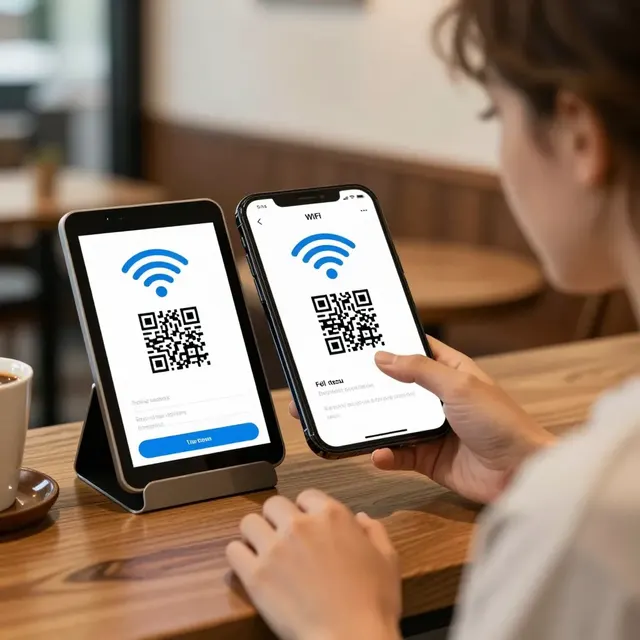
Adopting digital tools transforms safety management from a reactive checklist into a proactive strategy. One of the most effective applications of technology is the digitization of safety logs. Instead of maintaining physical notebooks that can be lost, damaged, or filled out inconsistently, restaurants can use cloud-based software to record daily inspections of fire extinguishers, sprinkler systems, and electrical panels. These systems can flag potential issues, such as a low-pressure extinguisher or a blocked exit, immediately to the manager's dashboard.
Consider the scenario of a multi-location chain or a franchise. Ensuring that every location adheres to the same safety standards is a logistical nightmare with paper-based methods. A centralized digital compliance tool allows headquarters to monitor all branches in real-time. If a new regulation regarding fire door maintenance is passed, the system can automatically push updates to all locations, ensuring uniform compliance. This level of oversight not only protects the brand's reputation but also ensures that every customer is safe, regardless of which restaurant they visit.
Furthermore, digital tools facilitate better communication during emergencies. In a fire, panic is the enemy. By integrating safety information into the digital menu interface or a dedicated staff app, restaurants can display clear, step-by-step evacuation routes and assembly points. This is particularly useful for customers with disabilities or non-native speakers who might not understand verbal instructions during a crisis. The transparency and universal access values of platforms like upQR extend to safety, ensuring that everyone in the dining room knows exactly what to do.
The Role of Allergen Transparency in Emergency Response
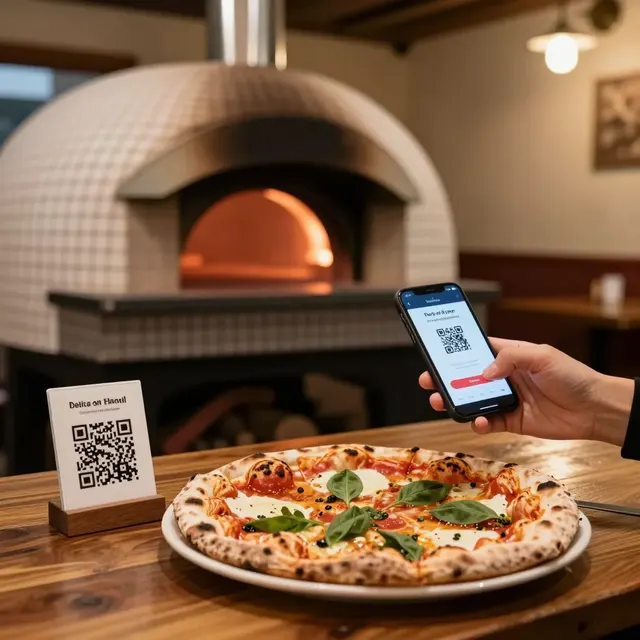
Safety compliance isn't just about fire; it encompasses food safety and emergency response for customers with specific dietary needs. In an emergency situation, knowing what a customer is allergic to can be life-saving. If a fire forces a quick evacuation, or if a customer experiences an anaphylactic reaction in the dining area, staff need to know instantly. Digital menus provide a unique opportunity to display allergen information prominently and accurately. Unlike static paper menus where information might be missing or outdated, a digital menu can be updated instantly to reflect changes in the kitchen menu.
For example, if a restaurant introduces a new dish containing peanuts, the digital menu can automatically highlight this allergen for all users. This feature aligns with the core value of transparency. Customers can see exactly what they are ordering, including potential allergens, reducing the risk of adverse reactions. In the context of fire safety, this extends to the ability to quickly access customer allergy profiles if a medical emergency occurs on-site. While not every digital platform offers this level of integration yet, the architecture of modern systems like upQR is built on the foundation of honesty and accuracy, making it easier to expand functionality to include emergency data fields.
Moreover, maintaining accurate records of allergen training for staff is a legal requirement in many regions. Digital compliance tools can track which staff members have completed training on handling severe allergies and when that training expires. This ensures that the person answering the phone or managing the scene during an emergency is fully equipped to handle the situation responsibly.
Creating a Culture of Safety Through Continuous Education
Regulations provide the baseline, but a true culture of safety goes deeper. It requires a mindset where every employee feels responsible for identifying hazards. Digital tools can foster this culture by making safety education engaging and accessible. Instead of a mandatory, boring lecture once a year, restaurants can use mobile apps to deliver short, interactive modules on fire safety, spill management, and equipment maintenance. These micro-learning sessions can be completed on a tablet in the breakroom, ensuring that the entire team stays up-to-date without disrupting service.
Real-world examples show that businesses using these tools see a reduction in near-miss incidents. For instance, a restaurant chain that implemented a digital safety reporting system saw a 40% increase in reported hazards, which led to a 30% reduction in actual incidents over the following year. By encouraging staff to report issues like a frayed electrical cord or a blocked fire exit directly through an app, management can address problems before they escalate. This open communication channel is essential for a safe environment.
Additionally, digital platforms can integrate with local fire department databases to ensure that inspection reports are always current. When a fire marshal visits, they can instantly verify that the restaurant has completed all required inspections and training modules. This seamless integration reduces the administrative burden on owners and allows them to focus on what they do best: serving delicious food in a safe environment. The shift towards digital compliance is not just about avoiding fines; it is about demonstrating a commitment to the well-being of staff and patrons.
Conclusion: Safeguarding Your Business with Modern Compliance
Fire safety and kitchen regulations are non-negotiable pillars of restaurant ownership. The combination of strict adherence to codes like NFPA 96 and OSHA standards, coupled with the adoption of digital compliance tools, creates a robust defense against the most significant risks in the industry. Platforms like upQR exemplify this approach by prioritizing transparency, environmental consciousness, and universal access. By leveraging digital solutions for menu management, you can simultaneously enhance your operational safety, ensure accurate allergen disclosure, and streamline the documentation required for inspections. In a world where technology drives efficiency, there is no reason to leave safety management behind. Embrace these digital tools to build a safer, more resilient, and more transparent restaurant business that stands the test of time.
Related Posts

Ready to create your digital menu?
Create your QR menu in minutes and reach your customers in any language.