
10 Restaurant Technology Trends That Will Dominate 2026
Discover the top restaurant technology trends for 2026. From AI personalization to contactless payments, upgrade your menu and operations with these essential insights.
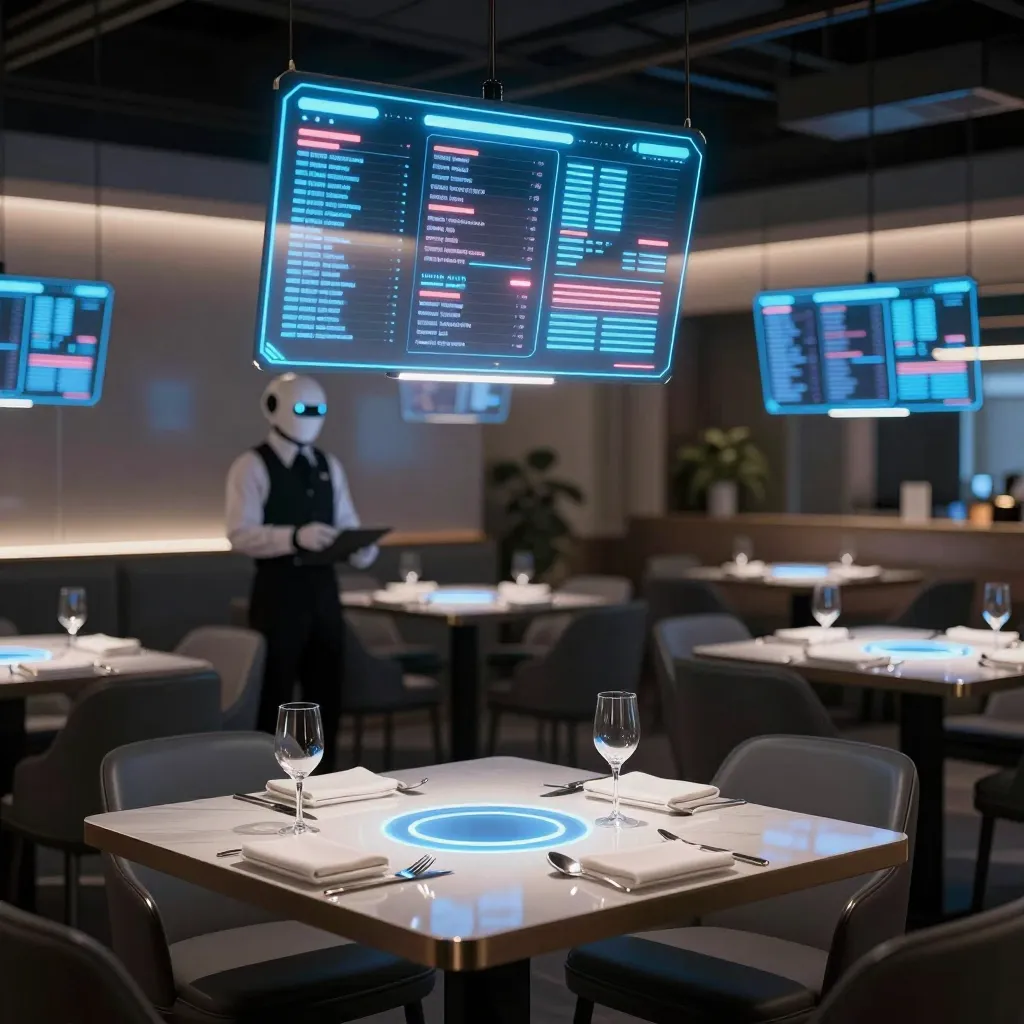
1. AI & Personalization: The New Standard for Dining
The hospitality industry is undergoing a significant transformation driven by artificial intelligence. By 2026, AI will no longer be a luxury feature but a necessity for competitive restaurants. This technology enables hyper-personalization, where menu suggestions are tailored to individual guest preferences based on past orders. For example, a customer who frequently orders spicy dishes might receive a prompt offering a new spicy salsa option upon returning. This level of service increases table turnover and average check size.
Furthermore, AI-driven chatbots are becoming sophisticated enough to handle reservation inquiries and dietary restrictions without human intervention. This frees up staff to focus on the guest experience rather than administrative tasks. Restaurants that adopt these tools will see a measurable increase in customer satisfaction scores. The key is integration; these AI tools must work seamlessly with your existing Point of Sale (POS) system to ensure data accuracy. Without a unified system, personalization efforts can lead to errors that damage your reputation.
Implementing AI Without the Complexity
Many owners worry about implementation costs. However, cloud-based solutions have lowered the barrier to entry. Start small by using AI for inventory forecasting. Predictive analytics can tell you exactly how many ingredients to order based on weather patterns and local events. This reduces food waste, a major cost driver in the industry. According to industry reports, restaurants that use predictive ordering can reduce food waste by up to 30%. This directly impacts your bottom line. As you scale, consider adding recommendation engines to your digital menu to boost upsell opportunities.
2. Streamlining Operations: Payments & POS Evolution
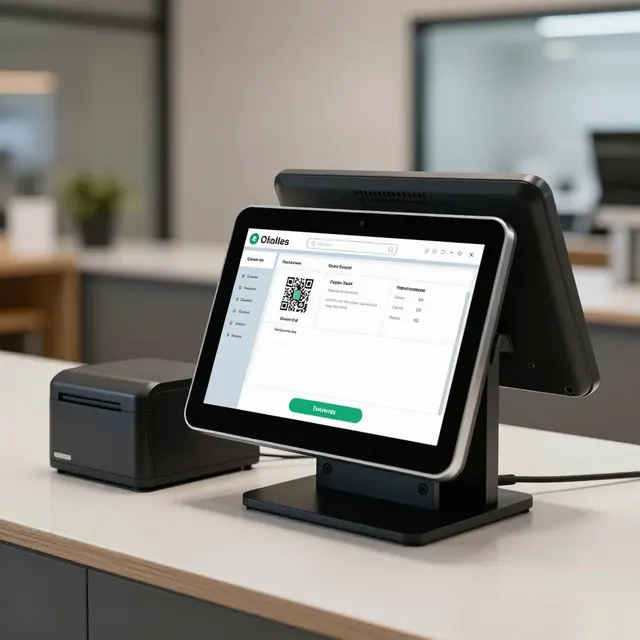
Contactless payments are moving beyond a pandemic-era necessity to a permanent expectation. By 2026, tap-to-pay terminals will be standard, but the integration will be deeper. We are seeing a rise in biometric payment verification, where facial recognition or fingerprint scanning completes transactions securely. This speeds up the checkout process significantly, reducing lines at the register. For high-volume cafes, this means faster service and happier customers who don't have to fumble with wallets.
Cloud-based POS systems are also evolving to include real-time synchronization across multiple locations. If you operate a chain or have a delivery-only window, this ensures that menu updates happen instantly across all devices. Legacy systems often lag, causing customers to see out-of-stock items on a digital menu that are actually available in the kitchen. Modern POS platforms integrate with third-party delivery apps like Uber Eats and DoorDash, ensuring your inventory is accurate everywhere. This prevents overselling, which can lead to customer complaints and lost revenue. Operational efficiency is the backbone of profitability in 2026.
3. The Digital Menu Experience: Mobile-First Design
Static PDF menus are becoming obsolete. The future lies in dynamic, mobile-first digital menus. These are not just PDFs but interactive webpages optimized for smartphone screens. A critical trend for 2026 is the emphasis on loading speed. If a menu takes more than three seconds to load, customers will abandon the site. This is why lightweight digital menu platforms are crucial. They reduce data usage and ensure a smooth experience even on slower mobile networks.
Search functionality is another vital feature. Customers want to find specific allergens or dietary options quickly. A well-coded digital menu allows users to filter by 'Gluten-Free' or 'Vegetarian' instantly. This accessibility is not just a convenience; it is a compliance requirement for many regions. Upgrading to a modern digital menu platform ensures that your branding is consistent and your images are high-resolution. High-quality photography increases the perceived value of your dishes, leading to higher conversion rates. When designing your menu, prioritize readability. Small text is a common mistake that frustrates users. Ensure your font size is legible on various screen sizes.
Why Specialized Platforms Matter
General website builders often lack the specific features needed for food service. Specialized platforms offer features like inventory syncing and automatic tax calculations. This reduces the administrative burden on your staff. For instance, if you run out of a specific cheese, the digital menu can automatically hide that item without manual editing. This automation prevents customer disappointment. A robust platform also allows you to push notifications to customers when new items are available or when there are flash sales. This keeps your brand top-of-mind and drives repeat traffic. The investment in a dedicated digital menu system pays for itself through increased average order value and reduced operational errors.
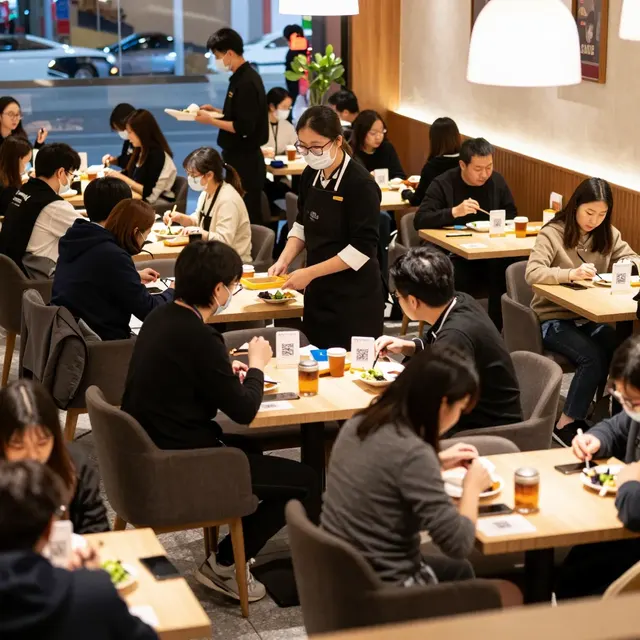
4. Sustainability: Tech-Driven Waste Reduction
Sustainability is no longer just a buzzword; it is a business imperative. Technology plays a pivotal role in reducing waste. Smart refrigeration systems monitor temperature and energy usage, alerting managers to inefficiencies that lead to spoilage. By 2026, these systems will be able to predict equipment failures before they happen, saving food that might otherwise be thrown away due to temperature fluctuations. Additionally, AI-driven recipe optimization can help you create dishes using ingredients that are nearing their expiration date. This extends the shelf life of your inventory and reduces the need for disposal.
Digital menus also contribute to sustainability by eliminating the need for printing. Paper menus are a significant source of waste in restaurants. By going digital, you save trees and reduce the carbon footprint associated with printing and disposal. Furthermore, digital menus allow you to easily update your offerings without printing new versions. This flexibility is crucial for seasonal menus or when you need to pivot quickly due to supply chain issues. Restaurants that prioritize sustainability often attract a loyal customer base that values ethical practices. Communicating these efforts through your digital menu can enhance your brand image. For example, you can highlight which items are locally sourced or made with sustainable ingredients directly on the screen.
5. Customer Engagement: Loyalty & Feedback Loops
Engaging customers is key to retention. Digital menus provide a direct channel for feedback. QR code menus can include a simple survey at the end of the order. Questions like 'How was your meal?' or 'Did you find everything you needed?' can be answered with a single tap. This data is invaluable for continuous improvement. You can identify underperforming dishes and adjust your menu accordingly. Loyalty programs are also becoming more sophisticated. Instead of just punch cards, apps offer points for every purchase, redeemable for free items or discounts. Integration with the POS system ensures that loyalty points are tracked accurately across all locations.
Furthermore, personalized offers can be sent based on purchase history. If a customer frequently orders coffee, they might receive a notification about a new cold brew recipe. This targeted marketing increases engagement without being intrusive. Social media integration is another trend to watch. Customers can share their meals directly from the digital menu to their social profiles, acting as free advertising for your restaurant. Encouraging this sharing can boost your online presence and attract new customers. The goal is to create a seamless experience where technology enhances, rather than hinders, the dining experience.
6. Conclusion: Embracing the Future of Dining
As we approach 2026, the restaurant industry must embrace these technological advancements to remain competitive. The trends discussed-AI personalization, contactless payments, dynamic menus, and sustainability-are not isolated; they are interconnected. A robust digital infrastructure supports all of these initiatives. This is where platforms like upQR come into play. upQR offers a comprehensive suite of digital menu solutions that are designed specifically for the needs of modern restaurants. They prioritize speed, reliability, and ease of use, ensuring that your customers have a seamless experience regardless of their device.
By choosing a solution like upQR, you are not just adopting a tool; you are investing in the future of your business. Their platform allows for easy customization, ensuring your brand stands out. Whether you are a small cafe or a large chain, upQR provides the scalability needed to grow. Don't wait for the trends to pass you by. Upgrade your digital presence today to stay ahead of the curve. The technology of 2026 is within reach, and it starts with the right partner.
Related Posts

Ready to create your digital menu?
Create your QR menu in minutes and reach your customers in any language.