
Top Restaurant Retention Strategies for 2026
Discover proven tactics to boost customer loyalty in 2026, from personalized digital experiences to sustainable practices that keep diners coming back.
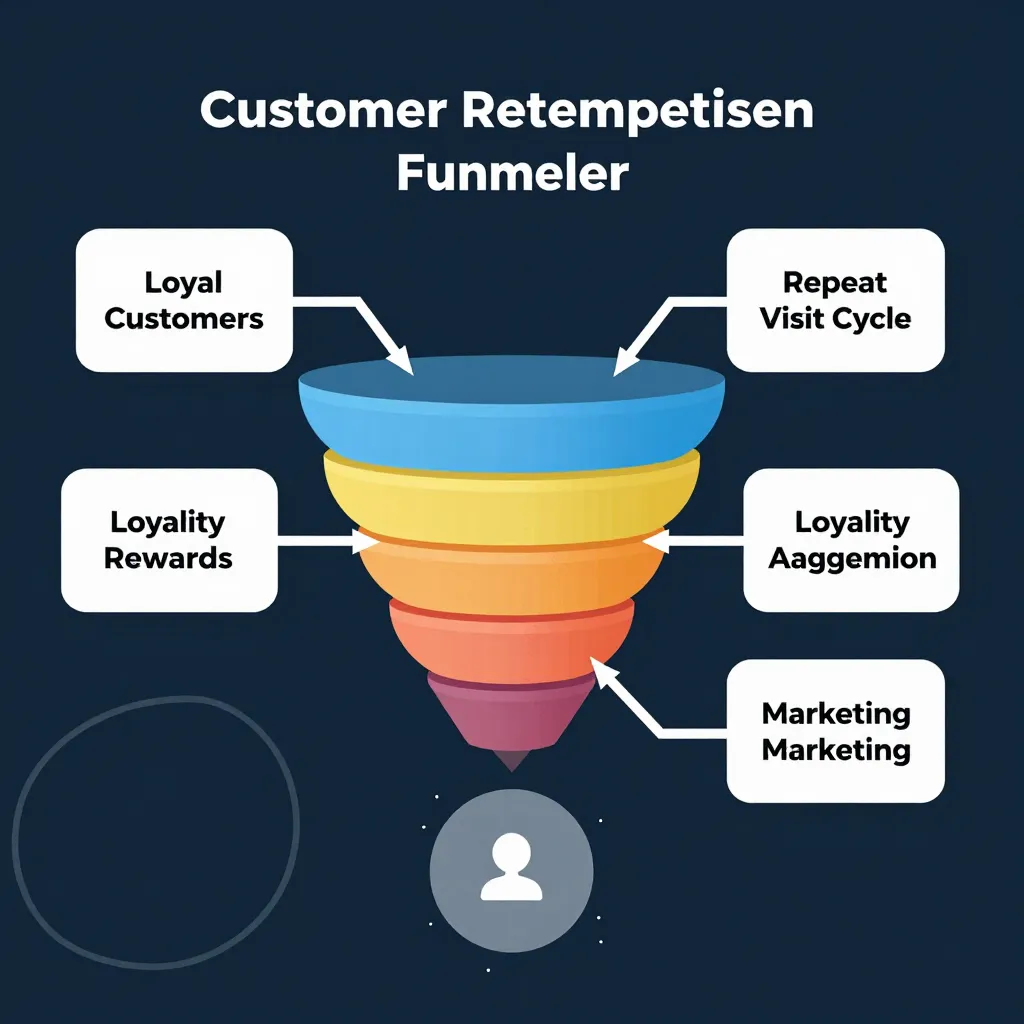
Why Retention Matters More Than Acquiring New Guests
In the competitive landscape of 2026, acquiring a new customer costs significantly more than retaining an existing one. Industry data suggests that increasing customer retention rates by just 5% can increase profits by 25% to 95%. For restaurant owners and cafe managers, the focus must shift from constant acquisition campaigns to building deep, lasting relationships with current patrons.
Retention is not just about sending discount codes; it is about creating an emotional connection and ensuring that every interaction reinforces trust and satisfaction. When a customer returns, they bring their own network of friends and family, effectively turning them into brand ambassadors. In an era where digital footprints are permanent, a negative experience can be shared instantly, while a positive one can generate organic word-of-mouth marketing.
The stakes are high. With the rise of delivery aggregators and food delivery apps, restaurants face constant pressure on margins. Acquiring customers through these platforms often incurs high commission fees, making organic retention through direct engagement a crucial financial strategy. By focusing on loyalty, restaurants can reduce reliance on third-party apps and build a resilient customer base that values the specific atmosphere and quality of their establishment.
Leveraging Digital Menus for Personalized Experiences
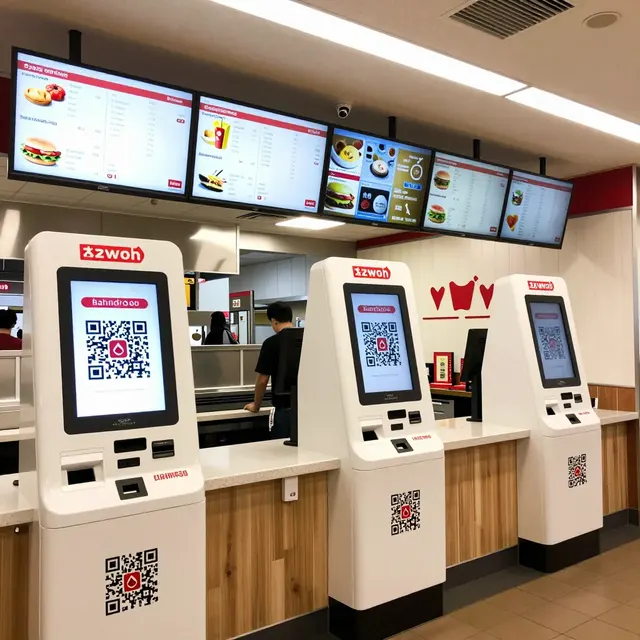
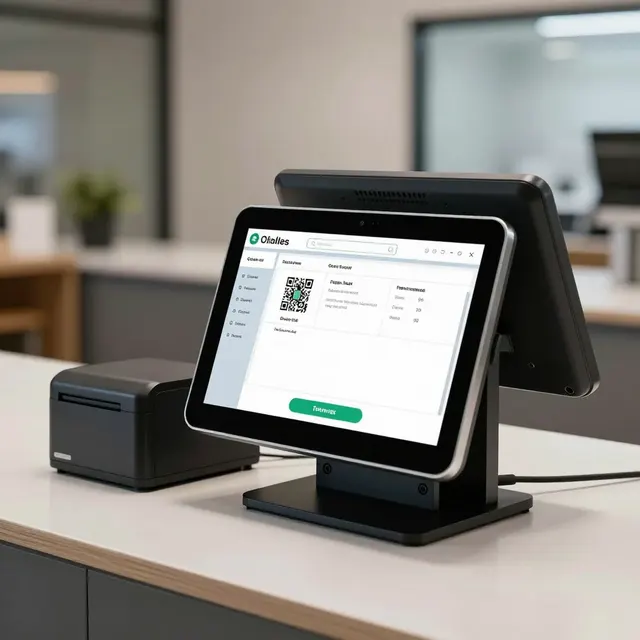
The integration of digital QR menus, facilitated by platforms like upQR, offers a unique opportunity to transform the retention strategy from generic to hyper-personalized. A static paper menu cannot adapt to individual customer needs, but a digital interface can. This technology allows restaurants to show exactly what ingredients are in each dish, catering to specific dietary restrictions such as gluten-free, vegan, or nut allergies. This transparency builds trust, a cornerstone of modern dining experiences.
Imagine a scenario where a loyal customer returns. With a digital menu system, the restaurant can display a tailored version of the menu that highlights their favorite dishes or suggests new items based on past orders. This level of personalization makes the guest feel recognized and valued, rather than just another number in a system. It eliminates the frustration of hidden fees or misleading descriptions, ensuring that every customer knows exactly what they are ordering.
Furthermore, digital menus enable dynamic content updates. If a dish is out of season or a new chef takes over, the menu can be updated in real-time without reprinting costs. This agility ensures that customers always have access to the most accurate information, preventing disappointment at the table. By using a platform that supports these features, restaurants demonstrate a commitment to honesty and accuracy, values that resonate deeply with today's conscious consumer.
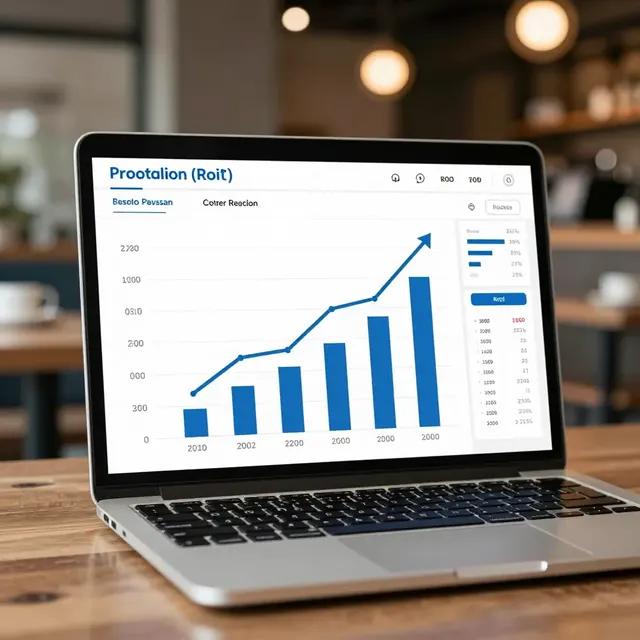
Building Sustainability as a Loyalty Driver
In 2026, sustainability is no longer a niche preference; it is a core expectation for a growing segment of diners. Customers are increasingly choosing restaurants that align with their environmental values. A retention strategy that emphasizes eco-friendly practices can significantly boost loyalty. This includes eliminating single-use plastics, sourcing locally grown ingredients, and using compostable packaging.
When a restaurant adopts a paperless approach through digital QR codes, it directly contributes to reducing waste. This action can be communicated to customers, framing the dining experience as a positive step for the planet. For instance, a cafe can highlight on its digital menu how much carbon footprint they have saved by going digital. This transparency fosters a sense of shared purpose between the restaurant and the diner.
Restaurants can implement loyalty programs that reward sustainable choices. For example, customers who opt for a digital menu instead of a printed one, or those who choose locally sourced items, could earn bonus points. This gamification of sustainability encourages repeat visits while reinforcing the restaurant's commitment to the environment. It turns a simple operational decision into a meaningful interaction that strengthens the bond between the brand and its community.

The Power of Data-Driven Loyalty Programs
Effective retention in 2026 relies on understanding customer behavior through data. Traditional loyalty programs often rely on simple point systems, but modern strategies utilize data analytics to understand preferences, visit frequency, and spending habits. By analyzing this data, restaurants can send targeted communications that are relevant and timely, rather than generic blasts that get ignored.
Consider the use of a digital menu platform that integrates with a CRM system. When a customer hasn't visited in a while, the system can trigger a personalized message offering a complimentary appetizer or a special tasting menu. This proactive approach shows that the restaurant cares about the guest's experience, not just their immediate sale. It also allows for A/B testing of different offers to see what drives the highest return on investment.
Data also helps in identifying at-risk customers. If a regular patron suddenly stops ordering their usual items or skips a visit, automated alerts can prompt staff to reach out personally. Perhaps there was a service issue or a dietary change they didn't communicate. Addressing these concerns before the customer leaves forever is the essence of retention. The ability to access accurate, up-to-date information about inventory and staff availability ensures that these interventions are well-timed and effective.
Creating Community Through Transparency and Authenticity
Authenticity is the currency of modern marketing. Customers are savvy and can detect when a brand is being inauthentic. In 2026, the best retention strategies are built on a foundation of honesty. This means no hidden fees, no deceptive photos, and no misleading descriptions of dishes. A digital menu platform that enforces these standards helps restaurants maintain this integrity effortlessly.
Restaurants can foster a sense of community by sharing behind-the-scenes stories through their digital channels. Showcasing the farmers who supply the ingredients, the chefs who prepare the food, and the staff who serve the guests creates a narrative that customers can invest in. When customers feel they know the people behind the brand, they are more likely to forgive minor mistakes and remain loyal during challenging times.
Engaging with the local community is another powerful retention tactic. Hosting events, supporting local charities, or participating in food drives can position the restaurant as a pillar of the neighborhood. This social capital translates into customer loyalty. When a diner feels that supporting a local restaurant supports their community, their attachment to the brand deepens. Digital menus can even feature a section dedicated to community news or upcoming local events, keeping the restaurant top-of-mind even when customers are not dining in.
Conclusion
As we move deeper into 2026, the strategies for restaurant retention must evolve to meet the demands of a tech-savvy, environmentally conscious, and values-driven audience. The key lies in combining the efficiency of digital tools with the warmth of genuine human connection. By leveraging digital menus for personalization, championing sustainability, utilizing data for targeted engagement, and maintaining a commitment to transparency, restaurants can build a loyal customer base that thrives even in a crowded market.
Platforms like upQR provide the necessary infrastructure to execute these strategies seamlessly. They offer the tools to eliminate paper waste, ensure ingredient transparency, and present honest, accurate information to every guest. Adopting such a solution is not just an upgrade in technology; it is a strategic investment in the future of your restaurant, ensuring that your guests not only visit but stay and grow with you.
Related Posts

Ready to create your digital menu?
Create your QR menu in minutes and reach your customers in any language.