
How Ramen Shops Manage Customization with QR Ordering
Discover how digital QR menus streamline complex ramen orders, reduce errors, and enhance customer satisfaction through precise customization tools.
The Challenge of Customization in Ramen Service
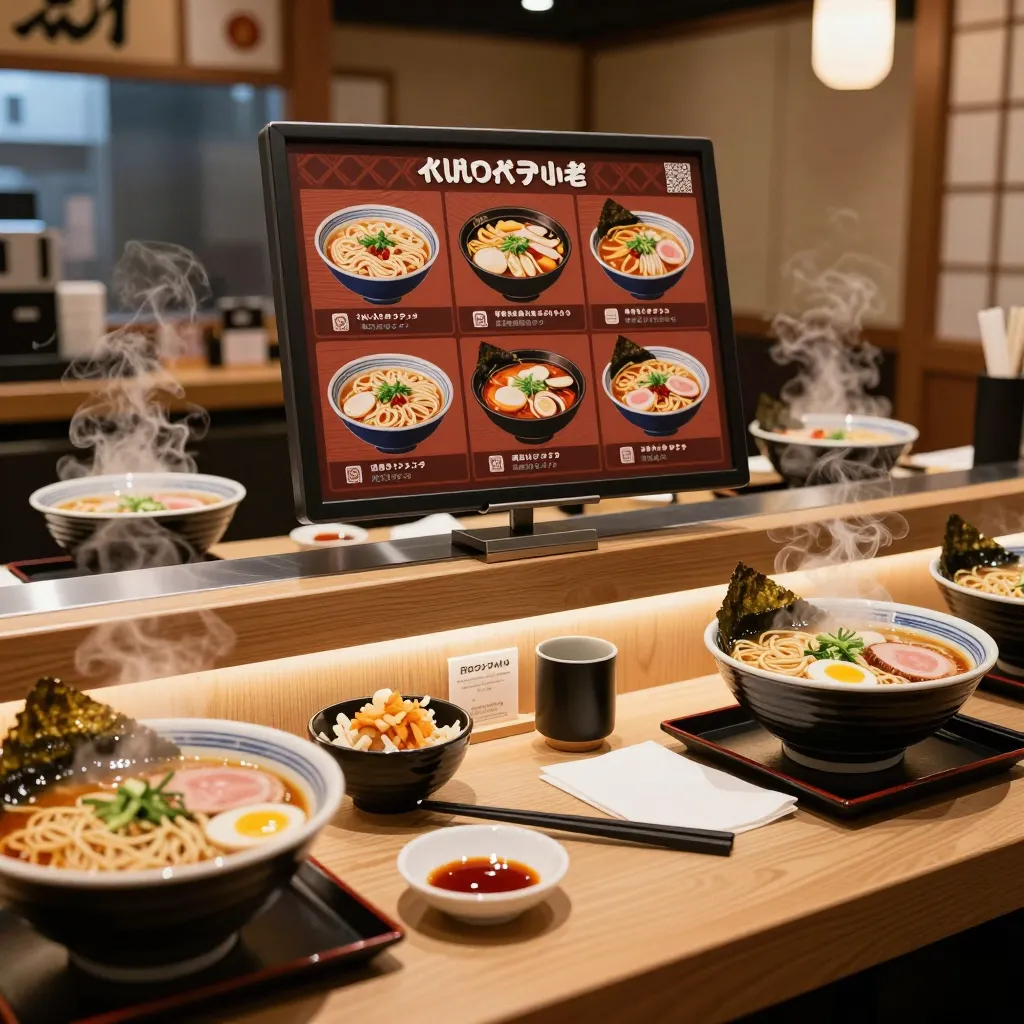
Ramen is not just a meal; it is a culinary art form where every ingredient tells a story. For restaurant owners and cafe managers, serving ramen presents a unique operational challenge: balancing the need for speed with the demand for deep personalization. Unlike a standard burger where a customer might simply ask for 'no onions,' a bowl of ramen involves a complex matrix of choices. Customers must decide on the broth type (tonkotsu, shoyu, miso, or chicken), the noodle texture (firm, medium, soft), protein additions (chashu, egg, chicken, beef), and specific toppings like scallions, bamboo shoots, or nori. Furthermore, dietary restrictions regarding allergens or vegan preferences require absolute precision.
In a traditional setting, this complexity often leads to communication breakdowns. Servers may mishear orders, forget specific requests, or struggle to explain intricate menu options to a customer who speaks a different language. According to industry data, order errors in high-volume dining environments can range from 5% to 10%, leading to wasted food, delayed table turnover, and frustrated guests. For a ramen shop, an error is not just a mistake; it is a failure to honor the customer's specific craving, which can quickly turn a loyal patron into a detractor.
This is where digital transformation becomes essential. Moving to a QR code-based ordering system does not merely digitize a paper menu; it fundamentally changes how customization is managed. By leveraging a robust platform like upQR, restaurants can create a structured environment where every choice is captured accurately, every allergy is flagged immediately, and every preference is recorded without the friction of human error. This shift allows owners to focus on the quality of their broth and the tenderness of their chashu, knowing that the operational side of customization is handled with digital precision.
Structuring the Menu for Clarity and Control
The foundation of effective customization lies in how the menu is structured within the digital interface. A static PDF or a simple image uploaded to a QR code is insufficient for complex dishes like ramen. It requires a dynamic, interactive menu system that allows for logical grouping and clear visual hierarchy. When a customer scans a QR code, they should not be overwhelmed by a wall of text. Instead, the interface should guide them through a step-by-step customization journey.
Consider the structure of a digital ramen menu. It should begin with a clear selection of broth types, perhaps accompanied by high-quality images that evoke the rich aroma of simmered pork bones or the savory depth of fermented soybean paste. Following the broth selection, the interface should present a dedicated section for noodle preferences. Here, customers can select their desired doneness level. This is a critical detail; a customer who prefers soft noodles (nabemono style) will be disappointed if the kitchen prepares them firm (yatai style) without a clear option to specify. A digital menu allows for radio buttons or distinct buttons for 'Firm,' 'Medium,' and 'Soft,' ensuring the kitchen receives an unambiguous instruction.
Next comes the toppings and add-ons. This section must be modular. A customer might want two soft-boiled eggs, extra chashu, and a side of gyoza, or they might want a bowl with just the broth and noodles. The system should allow customers to select multiple items and adjust quantities. Visual aids are paramount here; showing a picture of a perfectly marinated chashu slice next to a plain pork cut helps customers make informed decisions. This level of detail reduces the cognitive load on the customer, making the ordering process enjoyable rather than tedious. For restaurant managers, this structured approach means that the kitchen receives a standardized order format. Instead of reading a verbal order that might miss a detail, the kitchen sees a checklist of exactly what needs to go into the pot, significantly reducing the margin for error.
Leveraging Visuals to Bridge Language Barriers
One of the most significant advantages of QR ordering in ramen shops is the ability to overcome language barriers. Ramen is a global phenomenon, with shops frequently attracting tourists or serving non-native speakers. In a traditional setting, a server must possess perfect command of both the customer's language and the culinary terminology to explain options like 'shirasu' (whitebait) or 'menma' (fermented bamboo shoots). Misunderstandings can lead to customers ordering ingredients they are allergic to or dishes they do not actually want.
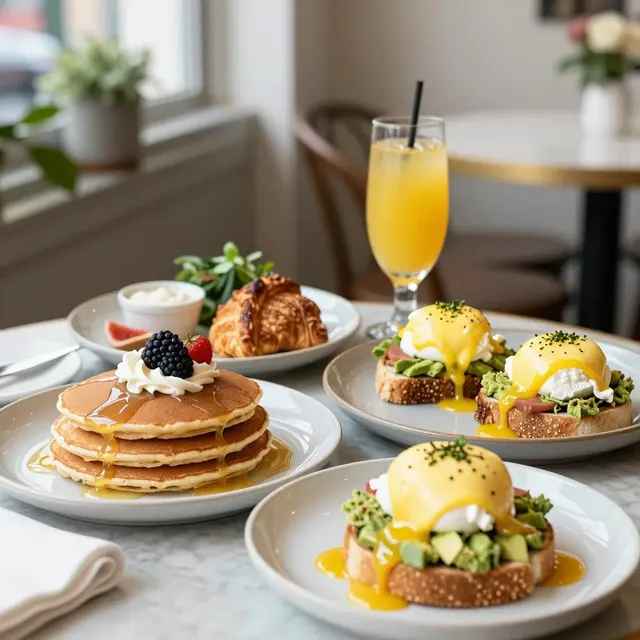
A digital QR menu acts as a universal translator. By using high-resolution images and intuitive icons, the menu conveys meaning instantly, regardless of the customer's native tongue. For instance, an icon of a clock next to the noodle options can clearly indicate cooking time, while a picture of a cracked egg clearly signifies 'soft-boiled.' This visual communication ensures that every customer, whether they are a local regular or a first-time visitor, knows exactly what they are getting. It fosters an inclusive dining environment where everyone feels comfortable and confident in their choices.
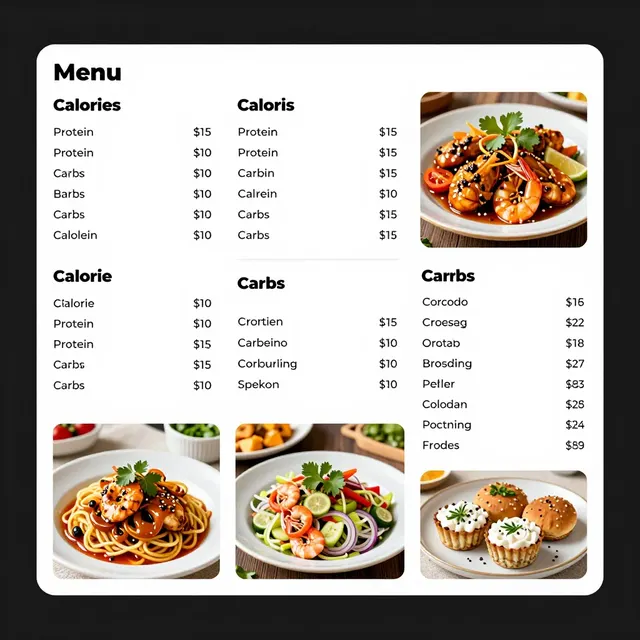
Furthermore, transparency is a core value of modern dining, and digital menus excel here. Customers can see exactly what is in their bowl before they order. This honesty extends to allergen information. A digital menu can include a dedicated section or tags that highlight common allergens like wheat, soy, or eggs. If a customer selects the 'Shoyu' (soy sauce) broth, the system can automatically display a note about soy content. This proactive approach builds trust. Customers appreciate knowing that the restaurant cares about their safety and well-being. For upQR users, this can be achieved by tagging ingredients within the menu builder, ensuring that safety information is always visible and accurate.
Operational Efficiency and Kitchen Workflow
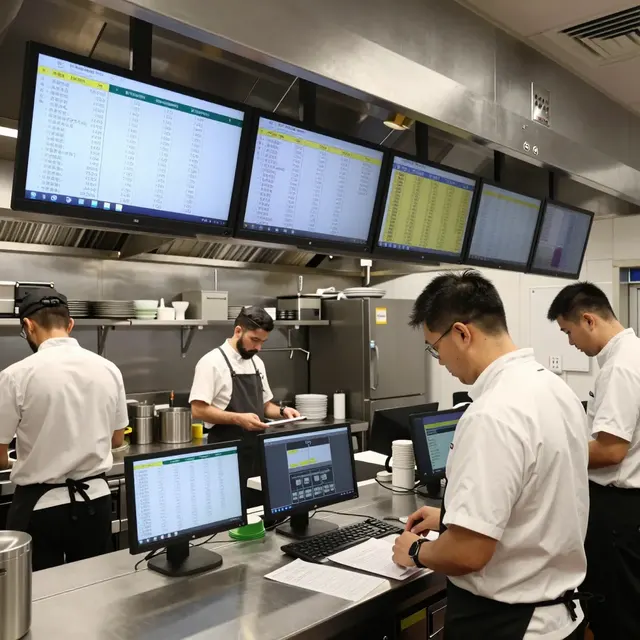
From the back-of-house perspective, managing complex ramen orders requires a streamlined workflow. When a customer places an order via a QR code, the data is sent directly to the kitchen display system or the manager's tablet in real-time. This eliminates the need for servers to write down orders on notepads, which are often lost, illegible, or incomplete. The digital order includes all the specific customizations selected by the customer, presented in a clear, actionable format.
Imagine a busy lunch rush where a table of four orders four bowls of ramen. Each bowl has different broths, noodle textures, and toppings. In a manual system, the server must rush to the kitchen, repeating the order loudly and quickly, hoping nothing is missed. In a digital system, the kitchen receives four distinct tickets, each with a checklist of the specific requirements. The chef can see at a glance that Bowl A needs soft noodles and extra chashu, while Bowl B requires firm noodles and a vegan broth substitute. This clarity speeds up preparation time and ensures consistency.
Data collected from these digital orders also provides valuable insights for management. Owners can analyze which customizations are most popular. Perhaps customers frequently request 'extra spicy' chili oil or 'no bamboo shoots.' Armed with this data, the restaurant can adjust its prep lists, reduce waste, and optimize inventory. If a specific combination of toppings is rarely ordered, the owner might consider removing it from the menu or simplifying the preparation process. This data-driven approach allows for continuous improvement of the menu and operational efficiency, directly impacting the bottom line.
Enhancing the Customer Experience and Loyalty
Finally, the use of QR ordering for customization elevates the overall customer experience. It empowers the customer to take control of their meal. There is a sense of ownership when a customer can meticulously craft their perfect bowl of ramen, knowing that every detail has been captured correctly. This personalization leads to higher satisfaction rates. Customers are more likely to return to a place where they feel their preferences are respected and where the ordering process was seamless.
Moreover, digital menus allow for dynamic updates. If a supplier runs out of a specific type of nori or if a new seasonal ingredient like wild mushrooms becomes available, the menu can be updated instantly. In a traditional setting, reprinting physical menus takes time and money. With a digital solution, the owner can push a notification to all customers: 'Try our new seasonal mushroom broth today!' This agility keeps the menu fresh and exciting, encouraging customers to try new variations. It also supports sustainability goals by eliminating the need for paper menu prints, aligning with the environmentally conscious values that many modern diners appreciate.
For restaurant owners looking to implement this technology, the choice of platform is critical. The system must be user-friendly, reliable, and capable of handling the specific needs of a ramen menu. It should offer features like image customization, allergen tagging, and easy-to-use quantity selectors. Platforms like upQR are designed specifically to meet these needs, providing a seamless integration of technology and hospitality. By adopting such a system, ramen shops can transform the way they handle orders, turning a potential source of stress into a showcase of their culinary expertise and commitment to customer care. The result is a dining experience that is faster, more accurate, and deeply personalized, setting the establishment apart in a competitive market.
Related Posts
Ready to create your digital menu?
Create your QR menu in minutes and reach your customers in any language.