
How QR Menus Track Dietary Preferences Over Time
Discover how digital QR menus transform guest data into actionable insights, helping restaurants tailor menus and boost retention.
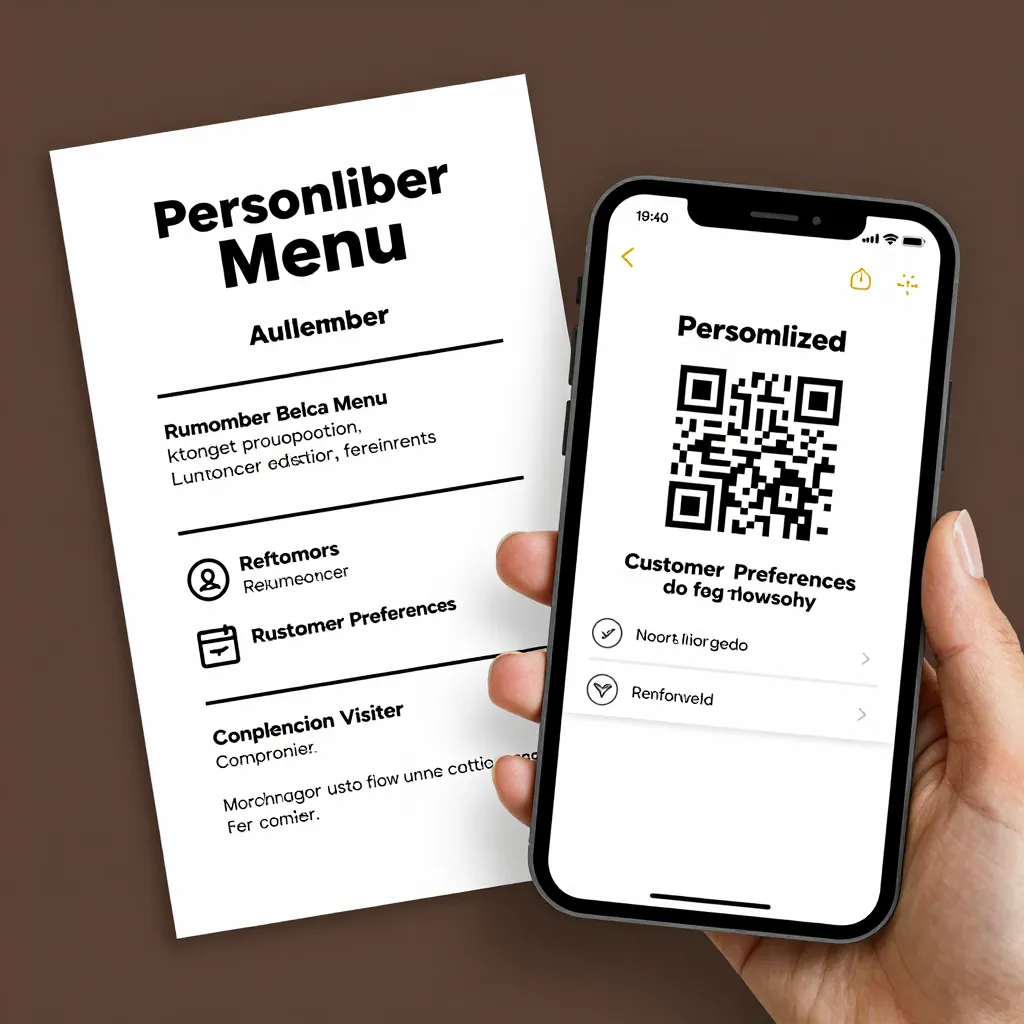
From Static Paper to Dynamic Data: The Shift in Menu Management
For decades, the restaurant industry relied on static paper menus. These documents were printed once, often weekly or monthly, and displayed until they were physically replaced. While effective for showcasing a menu, they offered zero insight into customer behavior. A customer with a severe nut allergy could sit down, read the menu, and feel anxious because there was no way for the staff to know their needs without a lengthy verbal explanation. Even then, that information vanished once the customer left.
The transition to digital QR menus, like those provided by upQR, fundamentally changes this dynamic. A digital menu is not just a screen; it is a data collection tool. Every click, every filter selection, and every item skipped tells a story about what your customers want and need. By tracking these interactions over time, you move from guessing what your guests prefer to knowing exactly what drives their decisions.
This shift allows restaurant owners to pivot from a reactive service model to a proactive one. Instead of waiting for a guest to ask, "Do you have gluten-free options?" and then manually checking inventory, the system can highlight relevant options immediately. Over months and years, the aggregated data reveals trends: perhaps your vegetarian customers are growing, or perhaps a specific allergen concern is rising in your local demographic. This data-driven approach ensures that your restaurant evolves alongside your customer base, fostering a deeper connection and ensuring safety for all diners.
The Power of Filtering: Identifying Dietary Restrictions Instantly
One of the most significant advantages of a QR menu is the ability to implement robust filtering systems. When a customer opens a digital menu on their smartphone, they are often looking for immediate answers to dietary questions. Features such as "Vegetarian," "Vegan," "Gluten-Free," or "Nut-Free" filters allow users to narrow down their choices instantly.
Tracking how often customers use these filters provides critical intelligence. For instance, if you notice that 30% of your traffic uses the "Gluten-Free" filter every day, but only 5% of those selections actually result in a purchase, it suggests a potential issue. Are the gluten-free options not appealing? Are they too expensive? Or is the selection too limited? Conversely, if a specific dish consistently appears at the top of the "Nut-Free" list, you know that item is a safe and popular choice for a vulnerable demographic.
Consider the scenario of a cafe in a busy urban area. By analyzing the data over three months, the manager might observe a spike in the use of the "Halal" or "Kosher" filter during Friday evenings. This insight allows the manager to adjust the menu strategy, perhaps introducing a specific Friday night special that caters to these dietary needs or ensuring that the existing options are prominently displayed. This level of granularity is impossible with paper menus, where such preferences go unnoticed unless explicitly written down on an order pad.
Furthermore, these filters serve a crucial transparency function. When a customer selects a filter, the menu can dynamically adjust to show only compliant items, hiding any dishes that might contain allergens. This not only streamlines the ordering process but also builds immense trust. Customers feel safe knowing that the system is working for them. Over time, the data confirms that this safety net is effective, leading to higher customer retention rates among those with specific dietary requirements.
Personalization and Retention: Using History to Anticipate Needs
Data collected over time is the key to personalization. In the digital realm, a restaurant can remember a customer's past orders and preferences. If a guest frequently orders salads without dressing or avoids dairy products, the system can flag this information for the staff or even suggest customized options on their next visit.
Imagine a loyalty program integrated with your QR menu system. When a customer returns, the menu could greet them with, "Welcome back! Would you like to try our new dairy-free chocolate cake?" This is not just a nice gesture; it is a data-backed strategy to increase the likelihood of a repeat visit. By analyzing historical data, restaurants can identify their most loyal segments. Perhaps you have a core group of vegan customers who visit every Tuesday. By tailoring marketing emails or social media posts specifically to this group, you can significantly boost engagement.
Real-world application of this data is evident in the way top-tier restaurants manage their inventory. If the data shows a consistent trend toward plant-based meals among younger demographics, the restaurant can adjust its sourcing to prioritize organic vegetables and plant proteins. This ensures that the menu remains fresh and relevant. Moreover, if a specific allergen-free item is consistently under-ordered despite high filter usage, the data might suggest that the description or photo needs improvement. Adjusting the copy to be more appetizing or adding a video of the preparation process can convert that interest into sales.
This personalization extends to safety as well. If a customer has previously indicated a severe allergy in their profile, the system can prevent them from seeing items that contain that allergen, or it can trigger a specific alert for the server when they open the table's menu. This proactive approach eliminates the risk of accidental exposure and demonstrates a high level of care. Over time, this builds a reputation for safety and inclusivity, which is a powerful differentiator in a competitive market.
Transparency and Trust: The Ethical Advantage of Digital Menus
Transparency is a core value for upQR, and digital menus are the perfect vehicle for delivering it. One of the biggest pain points for customers with dietary restrictions is the fear of hidden ingredients. With a paper menu, the only way to know if a dish contains a specific allergen is to call the kitchen or read the fine print, which is often vague. Digital menus allow for detailed ingredient lists, sourcing information, and clear allergen warnings for every single item.
Tracking customer interactions with this detailed information reveals a lot about their trust in the brand. If customers spend time reading the full ingredient lists before filtering, it indicates a high level of caution and a need for absolute honesty. Restaurants that provide this level of detail see higher conversion rates among health-conscious and allergy-aware diners. The data shows that when customers are given full control and information, they are more likely to order confidently.
For example, a restaurant might track how many users click on the "Ingredients" tab for a popular burger. If the click-through rate is low, it might mean the information is hidden or the font is too small. If the rate is high, it validates the importance of providing detailed nutritional data. This transparency fosters a relationship of honesty between the restaurant and the diner. It removes the guesswork and the anxiety associated with dining out with dietary restrictions.
Moreover, this transparency helps in managing reputational risk. In an age where social media can quickly spread stories of foodborne illness or allergic reactions, having a system that clearly documents ingredients is a safeguard. The data from your QR menu system can serve as an audit trail, proving that you took every step to ensure safety. This ethical stance resonates with modern consumers who prioritize sustainability and integrity, aligning with the mission of upQR to support environmentally conscious and honest businesses.
Optimizing Menu Engineering with Behavioral Analytics
Menu engineering is the practice of analyzing a menu's profitability and popularity to optimize it. Traditionally, this was done by tracking sales figures at the end of the month. However, with QR menus, you gain access to behavioral analytics that happen in real-time. You can see not just what was sold, but how the customer navigated the menu to get there.
Key metrics to track include:
- Filter Usage Frequency: How often do customers use specific dietary filters? This indicates demand for certain categories.
- Time Spent per Item: How long does a customer hover over a specific dish? High dwell time might indicate strong interest or confusion about ingredients.
- Abandonment Rates: Do customers leave the menu without ordering after viewing certain sections? This could signal a pricing issue or a lack of suitable options for their diet.
- Seasonal Trends: How do dietary preferences shift with the seasons? For example, do more people look for "Spicy" or "Low-Carb" options in the summer?
By analyzing these metrics over time, you can make informed decisions about your menu composition. If the data shows a growing interest in "Keto" options, you might introduce a few low-carb dishes to capture that market segment. If the data reveals that many customers are abandoning the menu because they cannot find a suitable option for their gluten-free diet, you know exactly where your opportunity lies. You can then introduce new items or modify existing ones to fill that gap.
This continuous feedback loop ensures that your menu is always optimized for your specific audience. It prevents the stagnation that often plagues paper menus, where a dish might remain on the list for years despite declining interest. Digital menus allow for agile responses to changing trends and dietary needs. This agility is crucial for maintaining relevance and competitiveness in the modern food service industry.
Conclusion: Leveraging Data for a Sustainable and Inclusive Future
The journey from paper to digital is more than a technological upgrade; it is a strategic evolution that empowers restaurants to understand their customers deeply. By leveraging the data collected through QR menus, you can track dietary preferences over time, personalize experiences, and ensure transparency for every guest. This approach not only boosts sales and retention but also aligns with the core values of sustainability and honesty that define the upQR platform.
When you use a system like upQR, you are not just displaying a menu; you are building a bridge of communication between the kitchen and the customer. You are creating an environment where everyone, regardless of their dietary needs or language, feels welcome and informed. The data you collect helps you make better business decisions, reduce food waste by aligning inventory with actual demand, and ultimately create a more inclusive dining experience. Embrace the power of digital menus to transform how you serve your community and lead the industry in food safety and sustainability.
Related Posts
Ready to create your digital menu?
Create your QR menu in minutes and reach your customers in any language.