
Smart POS Integration for QR Code Ordering
Discover how seamless POS integration with QR codes boosts efficiency, reduces errors, and modernizes your restaurant operations instantly.
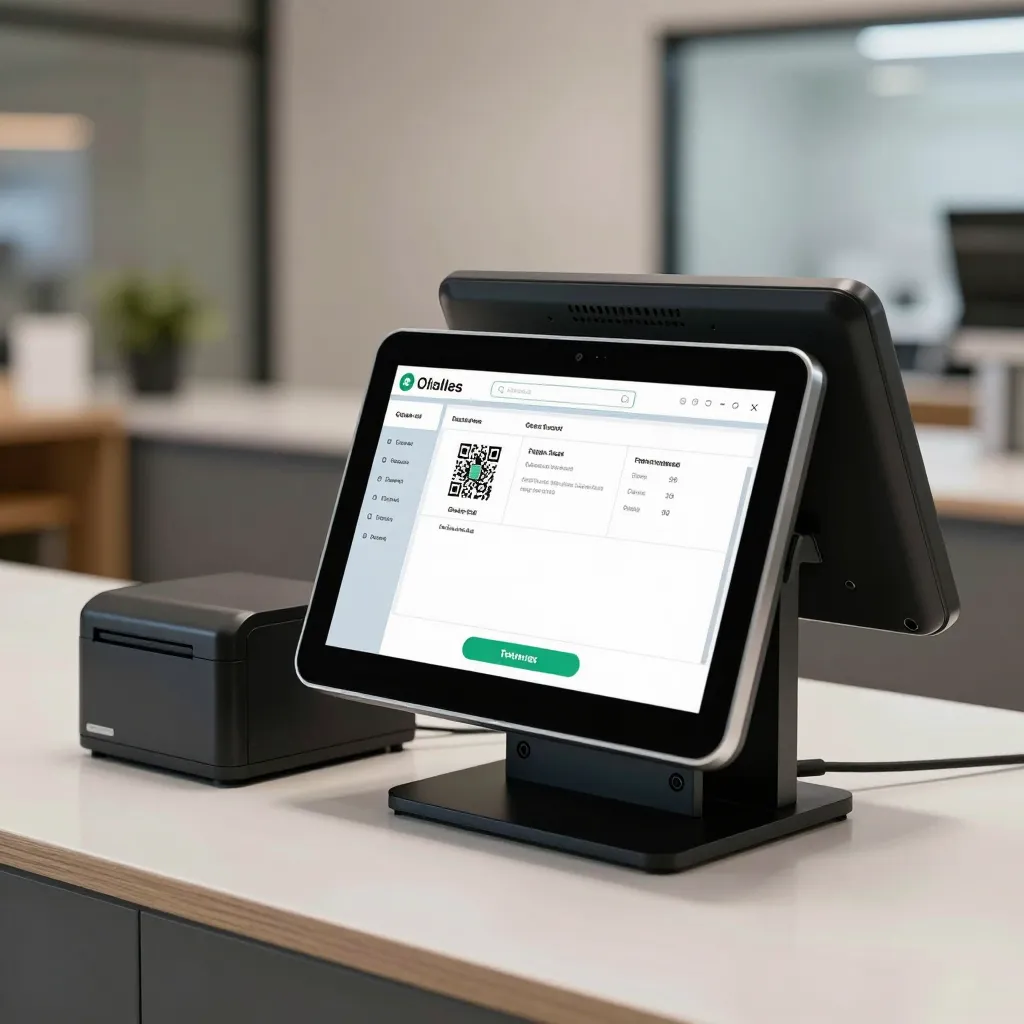
Why Seamless POS Integration Matters for Modern Restaurants
In the competitive landscape of food service, operational efficiency is no longer a luxury; it is a necessity. The traditional workflow of a waiter taking an order, manually entering it into a Point of Sale (POS) system, and then transmitting it to the kitchen creates multiple friction points. Each step introduces the potential for human error, delays, and lost sales opportunities. This is where smart integration between your digital QR menu platform and your existing POS system becomes the single most impactful upgrade you can make.
When a customer scans a QR code and places an order directly from their smartphone, the order should not sit in a separate, disconnected queue. It must flow instantly into your kitchen display system (KDS) and your billing engine. According to industry data, restaurants that utilize integrated systems see a 20% reduction in order fulfillment time compared to those relying on manual entry. This speed directly correlates to higher table turnover rates, which is the holy grail for restaurant profitability.
Furthermore, integration solves the critical issue of order accuracy. Studies show that manual order entry errors occur in approximately 5-10% of transactions. These errors lead to wasted food, unhappy customers, and costly remakes. By integrating your QR code ordering directly with your POS, every item selected by the customer is automatically validated against your inventory and kitchen prep lists before it even hits the grill or the bar. This ensures that your staff can focus on hospitality rather than data entry.
Eliminating the Double-Entry Problem and Reducing Labor Costs
One of the most significant advantages of integrating a QR code menu with your current POS is the elimination of double data entry. In a non-integrated setup, a server might take a verbal order, type it into a tablet, and then later manually re-type the same order into the main POS system when the customer is ready to pay. This redundancy not only slows down service but also increases the likelihood of discrepancies between what was ordered and what was billed.
Imagine a scenario where a customer adds a specific garnish to their burger via the QR menu. Without integration, this detail might be lost or forgotten during the manual transfer to the billing system, leading to a customer complaint at the check. With upQR's seamless integration, the specific modifications-extra cheese, no onions, spicy sauce-are captured instantly and appear in the kitchen ticket with the same urgency as an order taken by a waiter. This real-time synchronization ensures that your kitchen staff prepares exactly what the customer wants, every time.
From a labor cost perspective, this automation is a powerful lever. Labor is typically the second largest expense for a restaurant, following food cost. By automating the order capture process, you effectively reduce the number of minutes a server spends at the table taking orders. They can spend that time checking on table needs, refilling water, or welcoming new guests. Over a shift, these minutes add up to significant hours saved. For a busy bistro, saving just 15 minutes per table per night can translate to dozens of hours saved annually, allowing you to either reduce staffing needs during slow periods or reallocate those hours to training and customer experience enhancement.
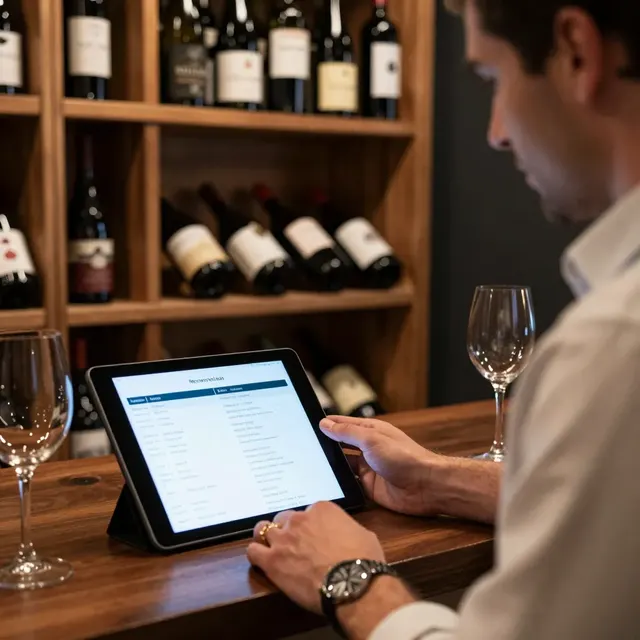
Real-World Example: How Integration Transforms a Busy Lunch Rush
To understand the tangible impact of this technology, let's look at a practical example involving a popular lunch spot, "The Daily Grind," which serves a high volume of office workers. During the typical lunch rush between 11:30 AM and 1:30 PM, the restaurant often struggles with congestion. In the past, the manager would hear complaints about slow service and cold food because the kitchen was overwhelmed by a flood of orders that were sometimes miscommunicated.
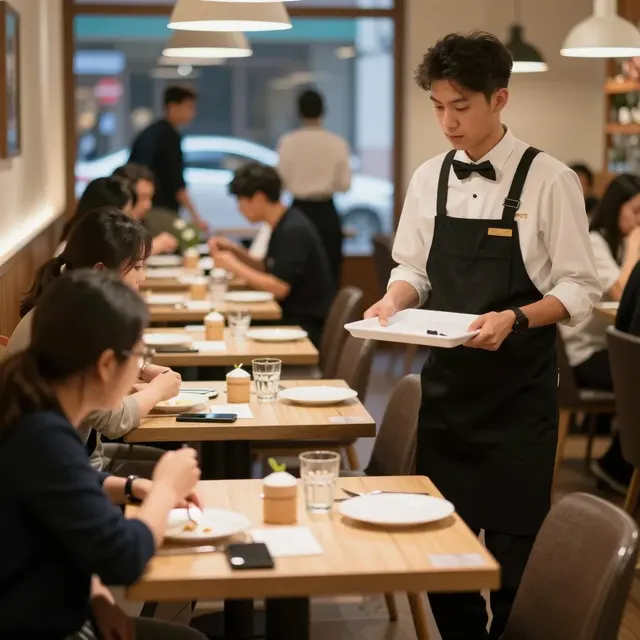
After implementing a fully integrated QR code ordering system, the workflow changed dramatically. A customer seated at a corner table scans the code on the table. They browse the menu, customize their meal, and hit "send to kitchen." Simultaneously, the order appears on the kitchen display system (KDS) with a clear timestamp. The kitchen staff prepares the order based on a pre-set time window. When the food is ready, the kitchen system automatically notifies the dining area. The server simply confirms the order and brings the tray to the table, where the bill is already generated and ready to be presented.
The result? Table turnover time decreased by nearly 30% during peak hours. Because the order was never lost in a manual entry queue, food waste dropped significantly, improving the bottom line. Moreover, the server was able to maintain a high standard of hospitality, greeting guests immediately upon seating rather than rushing to take an order. This example illustrates that integration is not just about technology; it is about creating a fluid, responsive environment where every part of the operation works in harmony.
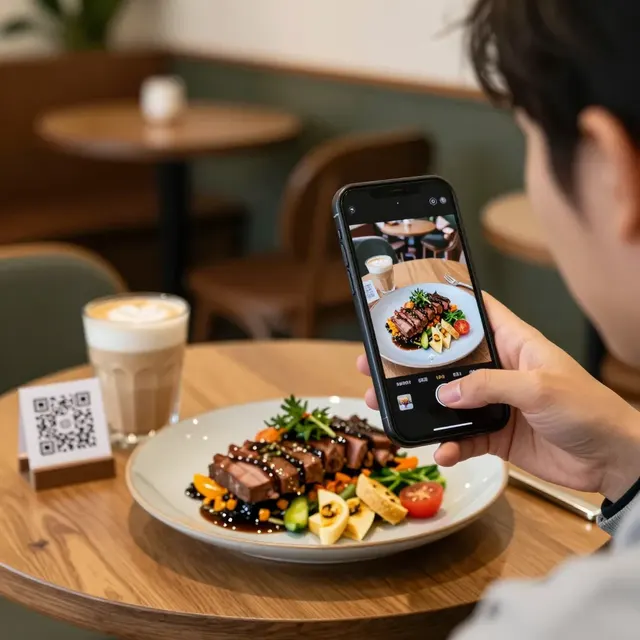
Inventory Management and Dynamic Menu Control
Beyond speed and accuracy, smart integration offers profound benefits for inventory management and menu control. When a customer orders a specific item via the QR code, the system can instantly check real-time stock levels. If a key ingredient, such as fresh salmon or a specific type of cheese, is running low, the system can automatically flag the item on the digital menu, preventing customers from ordering something that cannot be prepared.
This capability prevents the embarrassment of telling a customer, "That item is sold out," after they have already placed their order. Instead, the menu can dynamically update to show limited availability or suggest alternatives, such as "Our Chef recommends our grilled chicken instead today." This proactive approach maintains customer satisfaction and reduces the likelihood of order cancellations. Furthermore, the data generated from these interactions provides valuable insights. You can analyze which items are ordered most frequently via the QR menu versus the physical counter, helping you make data-driven decisions about your menu engineering.
Consider the scenario of a seasonal menu change. In a traditional setup, updating the menu requires reprinting physical menus, a costly and time-consuming process. With an integrated QR system, the menu owner can update the digital menu in real-time. If a supplier runs out of avocados, the "Avocado Toast" can be marked as unavailable instantly across all devices. The POS system can even automatically deduct the cost of the unsold ingredients from the daily sales report, giving you a precise picture of your profitability. This level of control and visibility is essential for modern restaurant management, allowing you to adapt quickly to market changes and supply chain fluctuations.
Security, Reliability, and The Future of Digital Dining
As restaurants embrace digital ordering, security and reliability become paramount. Customers are sharing their location and payment information when they scan a QR code. It is crucial that the platform handling this data is secure and compliant with industry standards like PCI-DSS. A seamless integration ensures that payment processing happens directly through your established, secure POS gateway, rather than redirecting customers to a third-party, less secure payment page. This keeps your brand's trust intact and ensures that sensitive customer data remains protected.
Reliability is equally important. A system that goes down during a busy service period can halt operations. Integrated systems are designed with redundancy and cloud-based architectures that ensure uptime. Even if a server's tablet loses connection, the order can often be queued and synced once the connection is restored, preventing data loss. This robustness gives restaurant owners peace of mind, knowing that their digital infrastructure can handle the pressure of a Friday night dinner rush without faltering.
The future of dining is undeniably digital, but the path to that future requires a foundation of smart integration. It is not about replacing your staff with machines; it is about empowering your staff with tools that make their jobs easier and more efficient. By choosing a solution like upQR, you are not just adopting a new menu format; you are adopting a comprehensive operational upgrade that connects your front-of-house, back-of-house, and inventory management into a single, cohesive ecosystem. This integration paves the way for scalable growth, allowing your restaurant to handle increased volume without a linear increase in costs, ultimately securing your place in the evolving landscape of modern hospitality.
Related Posts

Ready to create your digital menu?
Create your QR menu in minutes and reach your customers in any language.