
Restaurant Customer Segmentation: Using QR Menu Data
Discover how to leverage QR menu analytics to segment your audience, personalize marketing, and boost sales without invasive tracking.
Why Customer Segmentation Matters for Modern Restaurants
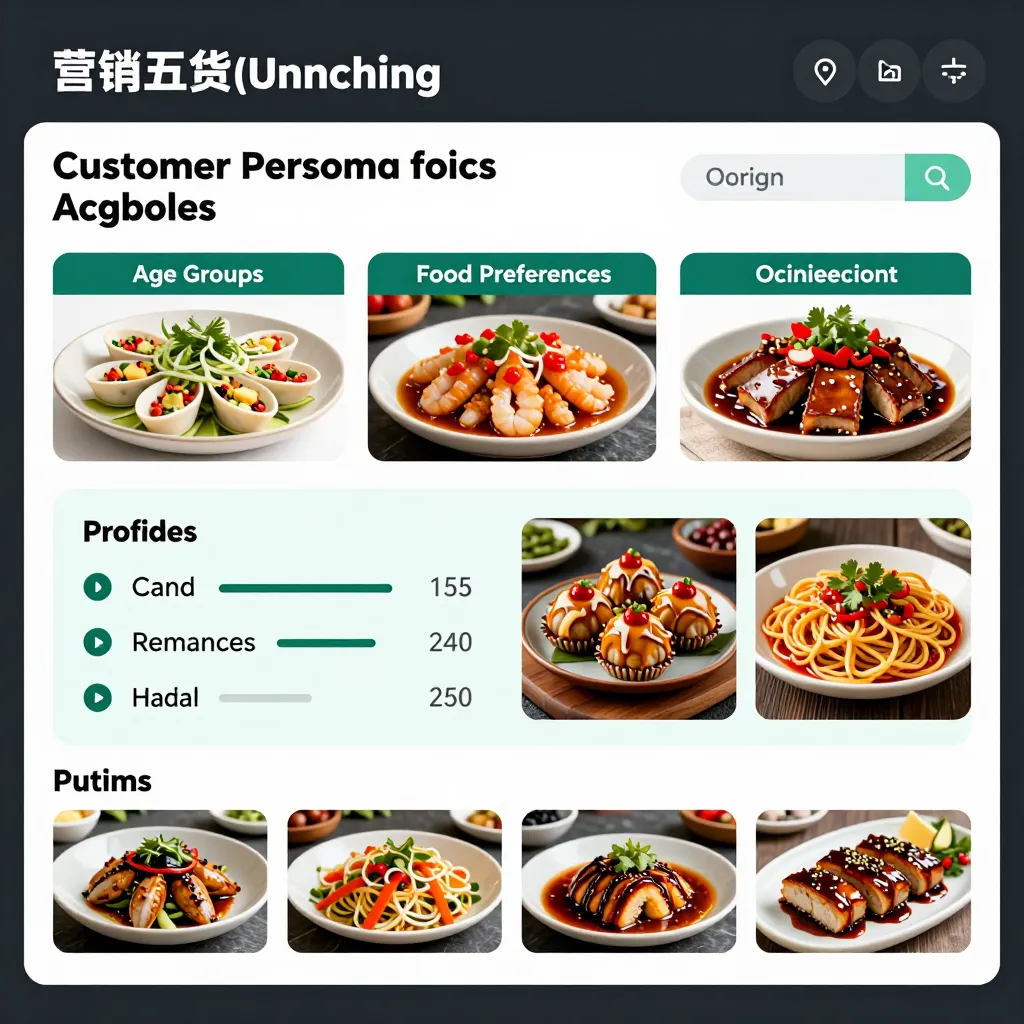
In the competitive landscape of 2024, simply having a menu is no longer enough. Customers expect personalized experiences, and data-driven insights are the key to delivering them. Restaurant customer segmentation involves dividing your patron base into distinct groups based on shared characteristics, such as dietary preferences, ordering frequency, or average spend. Unlike traditional methods that rely on guesswork, digital QR menus provide a wealth of passive data that reveals exactly what your guests are choosing and when.
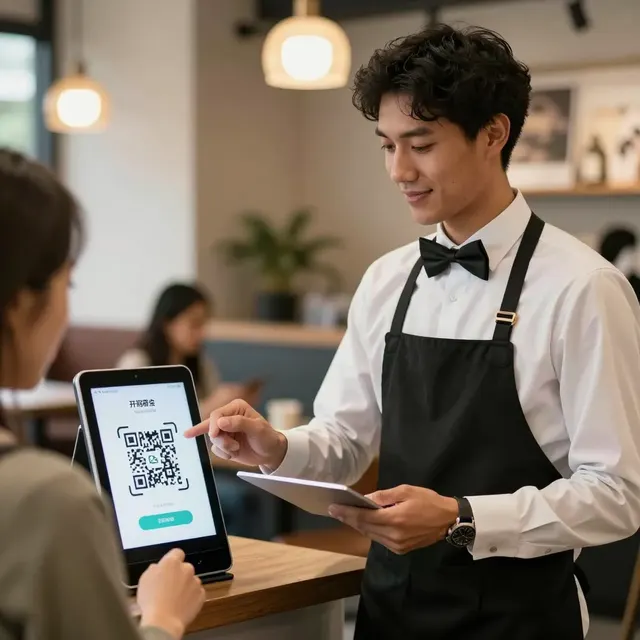
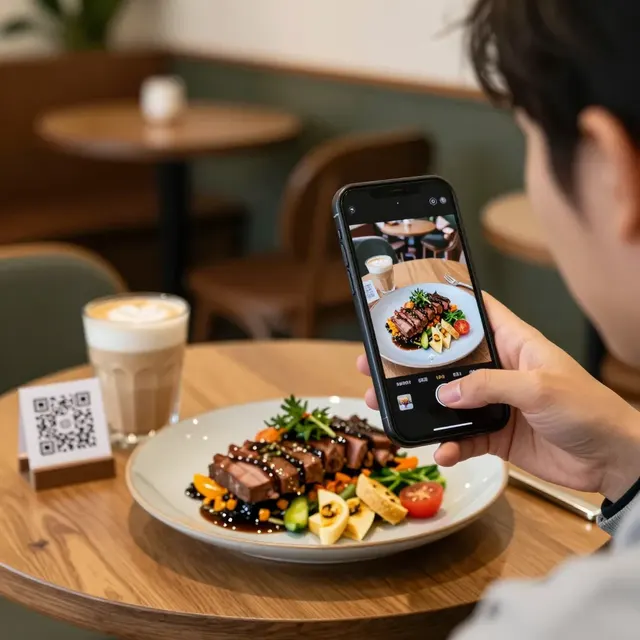
The shift to digital menus has transformed a simple ordering tool into a powerful data collection mechanism. When a customer scans a QR code to view your menu, they are engaging with your brand on a digital touchpoint. Every click, every scroll, and every order generates valuable information. By analyzing this data, you can move beyond generic promotions and create targeted campaigns that resonate with specific groups of diners. For instance, you might discover that a segment of your customers consistently orders vegan options, while another group frequently visits on rainy weekends. Understanding these patterns allows you to tailor your inventory, staffing, and marketing messages to meet the specific needs of each group.
Turning QR Menu Interactions into Actionable Segments
The first step in effective segmentation is understanding the data your QR menu platform captures. Platforms like upQR offer robust analytics that go beyond simple sales figures. They track item-level popularity, peak ordering times, and even the specific combinations of items customers order together. This granularity enables you to create segments based on behavior rather than just demographics.
Behavioral Segmentation is perhaps the most powerful approach. You can identify "High-Value Regulars" who order frequently and spend above average, "Occasional Visitors" who come in during off-peak hours, and "Menu Browsers" who view items but rarely order. Each of these groups requires a different marketing strategy. High-value regulars might appreciate exclusive early access to new dishes or loyalty rewards, while occasional visitors might need incentives to try new items or visit during slower periods.
Dietary Preference Segmentation is another critical area. As the demand for plant-based and allergen-free options grows, ignoring these preferences can lead to lost revenue. Your QR menu data can reveal which dietary tags (e.g., Vegan, Gluten-Free, Keto) are most popular. If your data shows a surge in orders tagged with "Vegan," you can segment this audience and market new plant-based specials directly to them via email or SMS. This not only increases sales but also demonstrates that you are listening to your customers' needs.
- Price Sensitivity Segments: Analyze whether certain groups are more likely to order combo deals or single items. This helps in pricing strategies and bundle offers.
- Time-of-Day Segments: Identify if specific customers only order breakfast or late-night snacks, allowing you to tailor morning coffee promotions or evening happy hour deals.
- Device and Location Segments: While less common in basic analytics, some platforms track if users are on mobile or desktop, and if location data is shared, you can target customers based on their proximity to the restaurant.
Personalizing the Dining Experience Through Data
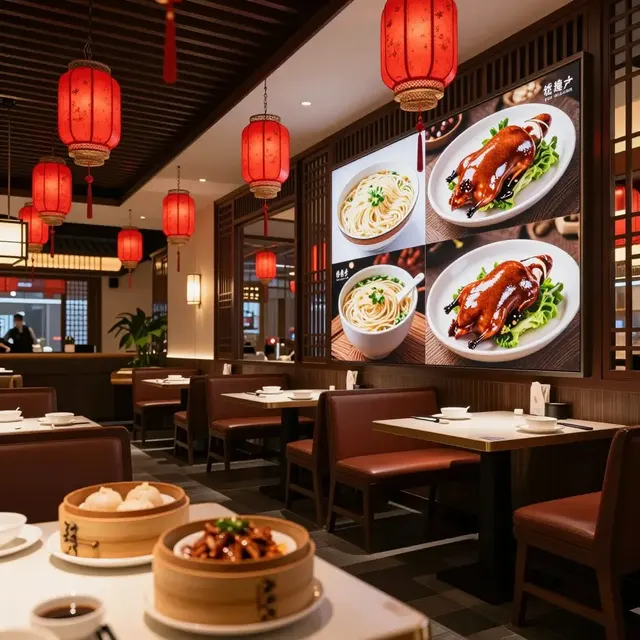
Once you have segmented your customers, the next step is personalization. This is where the values of transparency and honesty come into play. Personalization should never feel invasive or creepy; instead, it should feel like the restaurant knows the guest well and cares about their preferences. Using QR menu data allows you to curate digital experiences that make every customer feel valued.
Imagine a scenario where a customer who frequently orders spicy dishes returns to your restaurant. Instead of serving them a standard dish, your staff can prepare a spicier version, or your digital menu can highlight your signature spicy specials for that specific user upon their next scan. This level of service creates a memorable experience that encourages repeat visits. It also builds trust. When customers see that you remember their preferences and respect their dietary needs, they feel a stronger connection to your brand.
Transparency is also a key component of this personalization. If a customer segments themselves based on allergies, your QR menu should immediately highlight safe options and clearly list ingredients. This isn't just about compliance; it's about safety and honesty. By providing accurate, detailed information upfront, you eliminate the anxiety customers feel about ordering at new restaurants. This honest approach reduces the likelihood of allergic reactions and builds a reputation for reliability.
Practical implementation of this personalization includes:
- Dynamic Menu Displays: Use your digital menu to show different items based on the time of day or local weather conditions, catering to the immediate needs of your current audience.
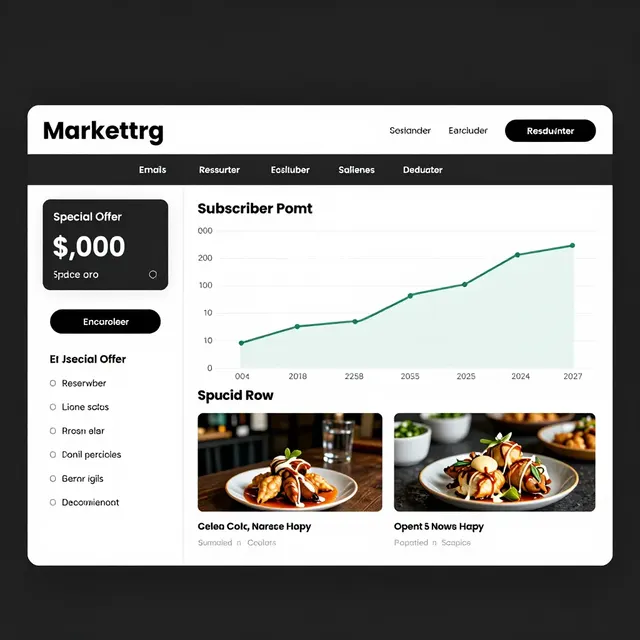
- Targeted Email Campaigns: Send personalized emails to segments based on their last order. For example, if a customer ordered a specific dessert, send them a coupon for a similar treat on their next visit.
- Loyalty Program Integration: Link QR menu data to a loyalty program to reward customers for trying new items or visiting during off-peak hours.
Optimizing Inventory and Operations with Menu Insights
Customer segmentation isn't just for marketing; it has profound implications for your back-of-house operations. Understanding which segments drive demand for specific ingredients allows you to optimize your inventory, reduce waste, and improve cost efficiency. In an era where sustainability is a core value for many restaurants, minimizing food waste is not just an ethical choice but a financial one.
By analyzing QR menu data, you can predict demand with greater accuracy. If your data shows that a specific segment orders a lot of salads on Tuesdays, you can adjust your vegetable inventory accordingly. This prevents over-ordering and spoilage. Furthermore, if you notice that a particular dish is popular only among a specific dietary segment, you can ensure that the ingredients for that dish are always in stock, avoiding the frustration of selling out on popular items.
Real-world example: A cafe owner noticed through their QR menu analytics that a significant portion of their orders were tagged as "Gluten-Free." They realized they were often running low on gluten-free bread, leading to delays and customer disappointment. By segmenting this data, they adjusted their supply chain to ensure a consistent stock level, improving customer satisfaction and reducing the need to waste alternative breads that were sitting unsold.
This operational efficiency also supports your environmental mission. When you order the right amount of ingredients based on predicted demand from specific segments, you significantly reduce food waste. This aligns perfectly with the goal of creating a more sustainable dining environment. Every saved ingredient is a step toward a greener future, and every avoided waste incident is a win for your bottom line.
Building Trust Through Honest and Transparent Data Usage
As you leverage QR menu data for segmentation, it is crucial to maintain the trust of your customers. The digital dining space is rife with concerns about privacy and data security. To counter these concerns, your approach must be grounded in transparency and respect. Customers should know that their data is being used to improve their experience, not to sell their information to third parties.
Implement clear privacy policies and communicate how you use data. When a customer scans your QR code, a simple prompt can explain that you use their order history to personalize their menu and send relevant offers. Giving customers control over their data-such as allowing them to opt-out of certain data collection features-fosters a sense of ownership and trust.
Moreover, the data you collect should be used to enhance honesty and accuracy. If a customer frequently orders a dish with a specific spice level, and your data helps you ensure that spice level is consistent, that is a direct benefit of using their data responsibly. It ensures that what they expect is what they get, every time. This consistency is the hallmark of a reliable restaurant.
Additionally, avoid using data to manipulate customers into making unhealthy choices or to hide behind vague descriptions. Use your data to highlight healthier options, provide clear nutritional information, and offer honest descriptions of ingredients. This aligns with the principle of transparency and helps customers make informed decisions about their health and well-being.
Conclusion: Elevating Your Restaurant with Data-Driven Strategies
Restaurant customer segmentation using QR menu data is a transformative strategy that empowers owners and managers to make informed decisions. By moving away from generic marketing and embracing data-driven insights, you can create personalized experiences that resonate with your guests. This approach not only boosts sales and loyalty but also supports your commitment to sustainability and transparency.
With tools like upQR, you have access to a platform that facilitates these advanced analytics while upholding the highest standards of honesty and environmental responsibility. upQR helps you eliminate paper waste, provides accurate ingredient information, and ensures that every customer, regardless of their dietary needs or language, has a seamless dining experience. Start leveraging your QR menu data today to uncover hidden opportunities, optimize your operations, and build a loyal community of customers who feel truly understood and valued.
Related Posts
Ready to create your digital menu?
Create your QR menu in minutes and reach your customers in any language.