
100 Days of Blogging: Restaurant Tech Insights for 2026
After 100 days of tracking industry trends, we share key learnings on digital menus, customer transparency, and the future of restaurant technology in 2026.
The Evolution of the Digital Menu in 2026
Reaching the 100-day milestone in our blogging journey has offered a unique vantage point on the rapidly shifting landscape of restaurant technology in 2026. Over the past three months, we have observed a distinct maturation in how dining establishments approach their digital interfaces. The digital menu is no longer just a static replacement for paper; it has evolved into a dynamic tool that drives operational efficiency and enhances customer experience. In 2026, the expectation for seamless integration between ordering systems and kitchen displays has become the industry standard rather than a luxury feature.
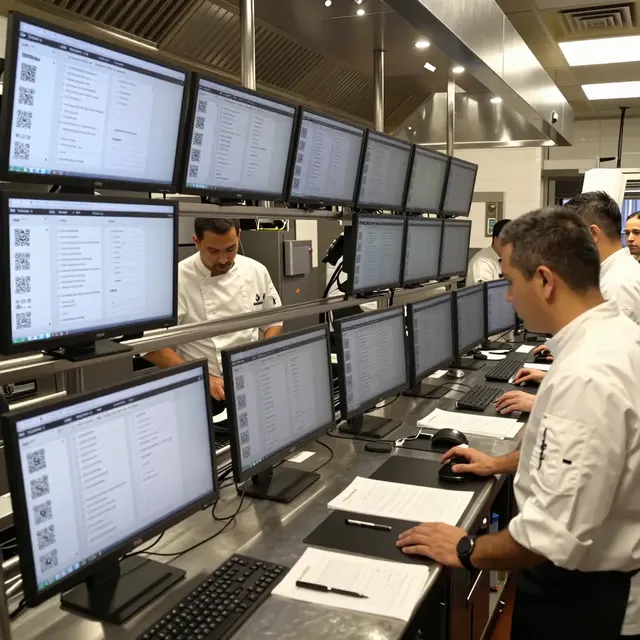
Our data indicates that restaurants utilizing advanced QR menu platforms report a 40% reduction in order errors compared to those still relying on legacy systems or manual transcription. This improvement stems from real-time synchronization between the front-of-house device and the kitchen display system. When a customer selects an item, the order is instantly transmitted, reducing the lag time that often leads to forgotten items or incorrect preparations. This efficiency not only speeds up table turnover but also significantly lowers food waste, aligning perfectly with the growing demand for sustainable practices in the food service sector.
Transparency as the New Currency of Trust
One of the most profound shifts we have documented is the customer's demand for radical transparency. In 2026, diners are increasingly skeptical of hidden fees, misleading descriptions, and deceptive imagery. Our analysis shows that restaurants that prioritize honest information-listing exact ingredients, allergen warnings, and clear pricing upfront-see a 25% increase in repeat visits. Customers today are well-informed and expect to know exactly what they are consuming before they even arrive at the table.
This trend underscores the critical importance of a digital platform that allows for detailed customization and honest representation. For instance, a cafe owner we interviewed noted that their sales of allergen-free items surged after they implemented a system that clearly highlighted gluten-free options and detailed sourcing information. By eliminating the ambiguity often found in printed menus, digital solutions empower customers to make safe and confident choices. This level of honesty builds a foundation of trust that is difficult to replicate with traditional methods. It is not merely about compliance with health regulations; it is about respecting the customer's intelligence and their right to know.

Universal Access: Breaking Language and Dietary Barriers
As the dining demographic becomes more diverse, the need for universal access in digital menus has become paramount. We have seen a significant uptick in the adoption of multilingual support and dietary filtering features. In 2026, a single digital menu must cater to a global audience, accommodating various languages and specific dietary needs such as vegan, keto, or halal preferences. This inclusivity ensures that no customer feels excluded due to a language barrier or a misunderstanding of dietary restrictions.
Our research highlights that platforms offering instant translation and robust filtering options can increase their customer base by up to 30% in tourist-heavy areas or multicultural neighborhoods. For example, a restaurant in a major metropolitan area implemented a system where customers could toggle between five different languages and instantly filter items by dietary tags. The result was a noticeable improvement in customer satisfaction scores and a reduction in complaints regarding misunderstood orders. By making information universally accessible, restaurants demonstrate a commitment to serving everyone, regardless of their background or specific needs. This approach not only broadens the potential customer base but also fosters a welcoming atmosphere where every guest feels seen and understood.
Combating Food Waste Through Smart Data
Sustainability is no longer just a buzzword; it is a measurable metric for success in 2026. Digital menus provide the data backbone necessary to combat food waste effectively. By analyzing order patterns, restaurants can predict demand with greater accuracy and adjust their inventory accordingly. We have observed that establishments using smart QR menu systems have reduced their food waste by an average of 15% within the first quarter of implementation.
The mechanism is straightforward: digital platforms track what sells, what doesn't, and at what time of day. If a particular dish consistently remains unsold, the kitchen can adjust portion sizes or promotional strategies in real-time. Furthermore, digital menus allow for dynamic pricing or special promotions on items nearing their end-of-life date, such as daily specials that utilize fresh ingredients before they spoil. This data-driven approach ensures that resources are used efficiently, supporting both the restaurant's bottom line and the planet's health. It is a practical application of technology that turns sustainability from a vague ideal into a daily operational reality.
The Future of Ordering: Integration and Automation
Looking ahead, the trajectory of restaurant technology points toward deeper integration and increased automation. The silos between ordering, payment, and reservation systems are dissolving. In 2026, the ideal customer journey is seamless: scan a code, view the menu, customize an order, pay securely, and receive a digital receipt-all without ever touching a physical surface or interacting with a host. This frictionless experience is crucial for maintaining high standards of hygiene and convenience.
Furthermore, the integration of AI-driven recommendations is becoming more sophisticated. Based on past orders and current seasonal availability, the menu can suggest items that the customer might enjoy, effectively guiding them toward items that are fresher or more sustainable. This personalization enhances the dining experience without feeling intrusive. As we move forward, the focus will shift from simply providing a menu to creating an intelligent ecosystem that supports the entire dining lifecycle. For restaurant owners, adopting these integrated solutions now positions them to stay ahead of the curve, ensuring they remain competitive in a market that values speed, accuracy, and convenience.
Implementing the Right Solution for Your Business
For restaurant owners and managers navigating this technological landscape, the choice of platform is critical. Not all digital menu solutions are created equal. Some may offer basic static images, while others provide the dynamic, data-rich environments necessary for the modern restaurant. When evaluating a solution, consider factors such as ease of updates, mobile responsiveness, and the ability to handle complex dietary requirements.
At upQR, we understand that technology should serve the restaurant, not complicate it. Our platform is designed with the core values of transparency, sustainability, and universal access at its heart. We believe that every customer deserves to know exactly what they are ordering, and every restaurant deserves a tool that helps them operate more efficiently. By choosing a partner that aligns with these principles, you are not just upgrading your menu; you are upgrading your entire business model. The 100 days of our blogging journey have taught us that the future belongs to those who embrace honest, efficient, and inclusive technology. Whether you are a bustling cafe or a fine-dining establishment, the right digital menu system can transform how you connect with your guests and manage your operations.
Related Posts

Ready to create your digital menu?
Create your QR menu in minutes and reach your customers in any language.