
Boost Table Turnover 25% with QR Code Ordering
Discover proven strategies to increase table turnover by 25% using QR code menus. Learn how digital ordering speeds up service and boosts revenue for restaurants.
Why Table Turnover Matters for Restaurant Profitability
Table turnover is one of the most critical metrics for restaurant success. It refers to the average amount of time a table remains occupied between guests. While many owners focus solely on increasing check averages, optimizing turnover is equally vital for maximizing revenue per square foot. According to industry data, restaurants that improve their table turnover by just 20% can see a significant jump in annual revenue without needing to expand their physical space.
The challenge lies in balancing speed with customer satisfaction. Traditional paper menus often lead to delays as servers spend excessive time reading orders, checking off items, and navigating back to the kitchen. These inefficiencies accumulate, causing bottlenecks that slow down the entire dining flow. By shifting to a digital QR code ordering system, you eliminate these friction points. Customers can browse menus instantly, customize orders with precision, and pay securely from their devices. This streamlined process not only enhances the guest experience but also frees up your staff to focus on hospitality rather than administrative tasks.
When you reduce the time spent on ordering and billing, you naturally create space for more guests in the same timeframe. For example, if a traditional table turnover takes 90 minutes, implementing a digital system that cuts ordering time by 15 minutes can result in a substantial increase in daily capacity. Over a year, these small gains compound into a massive financial impact, directly influencing your bottom line.
Eliminating Menu Reading Delays with Digital Menus
One of the primary reasons for slow table turnover is the time lost between guests waiting for their food to arrive and the next party arriving. In a traditional setup, servers often have to return to the table to clarify items or confirm orders, extending the dining duration. A digital QR code menu solves this by allowing guests to place their orders immediately upon seating. This immediacy ensures that food preparation starts sooner, reducing the gap between courses and keeping the dining experience moving efficiently.
Furthermore, digital menus provide a consistent experience for every guest. Paper menus can get damaged, stained, or outdated, leading to confusion and repeated questions from customers. With a QR code system, the menu is always up-to-date, reflecting current specials, ingredient changes, or price adjustments instantly. This consistency reduces the need for server intervention, allowing the dining flow to remain uninterrupted. Guests who can order at their own pace feel more in control, which often leads to a more relaxed dining experience that paradoxically speeds up the overall turnover by preventing the awkwardness of long waits.
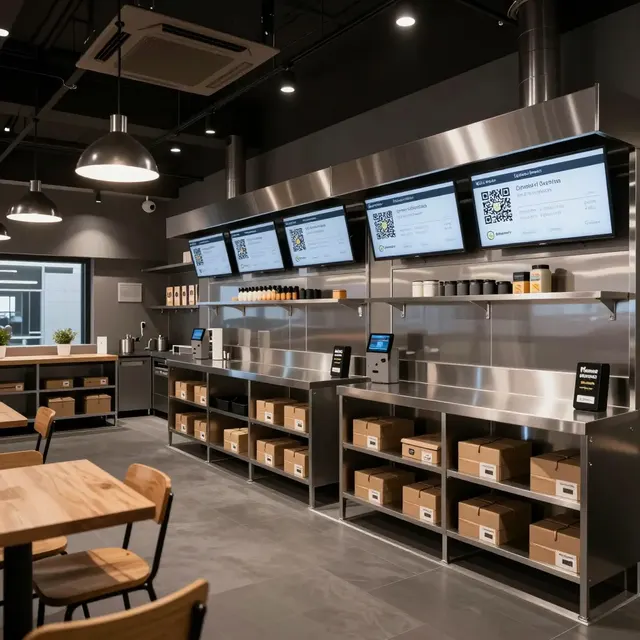
Consider the scenario of a busy lunch rush. With paper menus, the kitchen might receive orders in a disorganized manner, leading to delays in food production. With a QR code system, orders are digitized and sent directly to the kitchen display system (KDS) the moment a guest places them. This real-time synchronization ensures that the kitchen prepares food in the correct sequence, minimizing errors and wait times. The result is a smoother operation where tables are ready for the next guests much faster than in a traditional setting.
Optimizing Checkout Processes to Accelerate Turnover
The checkout process is another significant bottleneck in traditional dining. Servers often need to return to the table to collect payment, handle cash, or process card transactions manually. This interaction can take several minutes per table, adding up quickly during peak hours. By integrating a payment solution directly into your QR code menu, you allow guests to pay from their smartphones. This feature is particularly useful for solo diners or small parties who might otherwise leave immediately after finishing their meal, potentially missing out on additional upsell opportunities.
When guests can pay instantly via their devices, the time between finishing their meal and the table being cleared is drastically reduced. This efficiency allows your staff to clean and reset tables faster, preparing them for the next reservation or walk-in. Moreover, digital payment options often encourage guests to tip more conveniently or add extras to their bill, as the checkout process is seamless and frictionless. This not only improves the guest experience but also maximizes the revenue potential of every table.
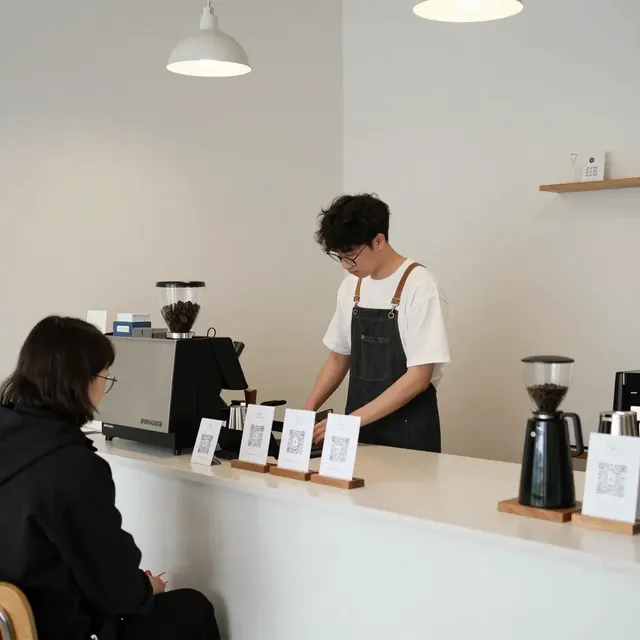
Real-world examples abound of restaurants that have seen a 25% increase in turnover after implementing digital payment systems. For instance, a popular cafe in a high-traffic urban area switched to QR code ordering with integrated payments. Within three months, they reported that their tables were ready for the next guests 15 minutes faster on average. This simple change allowed them to accommodate an additional 20% of customers during peak hours, translating to thousands of dollars in extra revenue annually. The key takeaway is that removing the need for a server to physically visit the table for payment creates a significant time savings that compounds over time.
Personalized Upselling and Order Customization Strategies
Increasing table turnover is not just about speed; it is also about maximizing the value of each visit. Digital menus offer unique opportunities for personalized upselling that paper menus cannot match. With a QR code system, you can dynamically display promotions, happy hour specials, or seasonal items directly on the screen. You can even use geolocation or time-of-day triggers to suggest relevant offers to guests based on their location or the current time.
For example, if a guest is ordering a salad, the menu can automatically suggest a premium dressing or a side of grilled cheese to increase the average check size. This level of customization encourages guests to try new items or upgrade their orders, which can offset the slight reduction in table count by increasing revenue per table. Additionally, digital menus allow for easy customization of orders, such as adding extra cheese, removing onions, or requesting specific cooking temperatures. This level of detail reduces the likelihood of food waste and returns, further improving operational efficiency.
Another powerful feature is the ability to create loyalty programs or reward points directly within the menu interface. Guests who frequently visit your establishment can earn points for every purchase, encouraging them to return more often. This strategy not only increases customer retention but also builds a loyal base that is more likely to recommend your restaurant to others. By leveraging these digital tools, you can create a more engaging and profitable dining environment that supports both speed and revenue growth.
Staff Efficiency and Reduced Operational Costs
Implementing a QR code ordering system also has a profound impact on staff efficiency. When servers are no longer bogged down with taking orders, checking them off, or handling payments, they can focus on what they do best: providing exceptional customer service. This shift in role allows your team to engage more deeply with guests, answering questions about ingredients, suggesting pairings, and creating a memorable dining experience. Satisfied guests are more likely to return and leave positive reviews, which are essential for long-term success.
Moreover, reducing the administrative burden on your staff can lead to significant cost savings. You can potentially reduce the number of servers needed during peak hours or reallocate staff to other areas of the restaurant, such as the bar or host stand. This flexibility allows you to optimize your labor costs without compromising service quality. For example, a restaurant that previously required four servers during dinner service might be able to operate with three after implementing a digital ordering system, as the fourth server's duties are now handled by the technology.
Training new staff becomes easier as well. With a digital system in place, new hires can focus on customer interaction and table management rather than memorizing menu items or learning how to take orders accurately. This reduces the learning curve and helps your restaurant maintain high standards of service even during periods of high turnover or expansion. The combination of increased efficiency, reduced costs, and enhanced guest experience creates a virtuous cycle that drives sustainable growth for your business.
Implementing Your QR Code Strategy with upQR
Transitioning to a digital ordering system is a strategic move that can transform your restaurant's operations. To succeed, you need a reliable, user-friendly platform that integrates seamlessly with your existing tools. upQR provides exactly that, offering a comprehensive suite of features designed to help you increase table turnover by 25% and beyond. Our platform includes customizable QR codes, real-time order tracking, integrated payment processing, and advanced analytics to help you monitor your performance.
Getting started with upQR is simple. You can generate your QR code in minutes and display it on your tables, windows, or digital signage. The menu is fully customizable, allowing you to showcase your brand identity and highlight your best-selling items. Whether you are a small cafe or a large restaurant chain, upQR scales with your needs, providing the flexibility and power to optimize your operations. Join the growing number of successful restaurants that have already embraced digital dining to stay ahead in a competitive market. By choosing upQR, you are not just adopting a new technology; you are investing in a future-proof solution that drives efficiency, boosts revenue, and delights your customers.
Related Posts
Ready to create your digital menu?
Create your QR menu in minutes and reach your customers in any language.