
QR Menus for Cooking Classes: A Guide for Chefs
Transform your culinary workshops with digital QR menus. Boost bookings, streamline dietary info, and enhance the student experience with upQR.
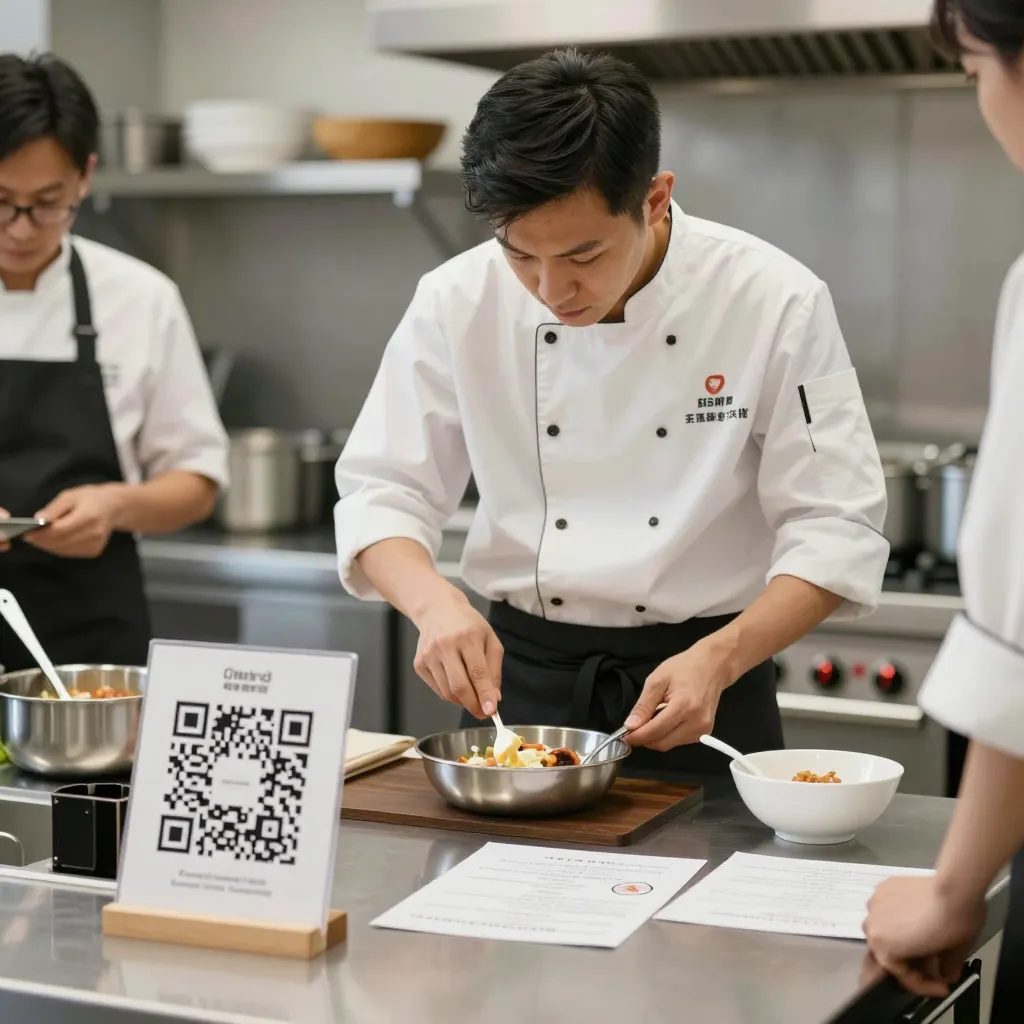
Revolutionizing the Culinary Workshop with Digital Menus
For restaurant owners and culinary schools, the traditional flyer or printed schedule on a chalkboard is becoming a relic of the past. The modern culinary experience demands immediacy, accessibility, and clarity. Integrating a digital QR menu system into your cooking class booking process is not just a trend; it is a strategic move that elevates the entire customer journey. When a potential student lands on your website or social media, they should be able to instantly view available dates, understand the curriculum, and see pricing without friction.
Imagine a scenario where a customer is browsing Instagram, sees a picture of your 'Sourdough Bread Making' workshop, and is intrigued. Instead of hunting for a PDF or calling to ask if gluten-free options are discussed, they simply scan a QR code to access a detailed digital menu. This menu lists the exact ingredients, the step-by-step overview of the class, and dietary restrictions addressed. This level of transparency builds trust before the customer even steps through your door. It signals that your establishment values honesty and accuracy, core principles that define the modern dining landscape.
According to recent industry data, over 70% of consumers prefer digital menus for their convenience and ability to filter content quickly. In the context of a cooking class, this translates to higher conversion rates for bookings. By providing a seamless digital interface, you remove barriers to entry. Customers who feel informed are more likely to commit to a class, knowing exactly what they will learn and what ingredients they will handle. This digital-first approach aligns perfectly with the mission of sustainability, reducing paper waste and creating a greener footprint for your culinary school.
Enhancing Transparency and Dietary Inclusivity
One of the most significant advantages of using a QR menu for cooking classes is the ability to provide granular detail about ingredients and allergens. In a live cooking environment, safety is paramount. A digital menu allows you to list every single ingredient used in the demonstration, including hidden allergens like nuts, dairy, or soy that might be present in sauces or pre-made stocks. You can clearly mark which classes are safe for vegetarians, vegans, or those with celiac disease.
Consider a 'Thai Curry Masterclass'. A printed menu might simply say 'Spicy Green Curry'. A digital QR menu, however, can expand to show: 'Contains: Coconut milk (vegan), Lemongrass, Kaffir lime leaves, Fish sauce (contains anchovies), Chili paste'. This level of detail empowers students to make safe choices immediately. It also fosters an environment of universal access, where language barriers or literacy issues are minimized by clear icons and straightforward descriptions. Every student, regardless of their background, knows exactly what they are signing up for.
This transparency extends to pricing as well. Cooking classes often involve extra costs for ingredients, aprons, or tasting portions. A digital menu can break down these costs clearly, eliminating hidden fees that often lead to customer dissatisfaction. By being upfront about the total cost of the experience, you demonstrate integrity. Customers appreciate knowing exactly what they are paying for, which reduces anxiety and increases the likelihood of a positive review post-class. This honest approach builds a loyal community around your brand, as patrons feel respected and informed.

Streamlining the Booking and Confirmation Workflow
The administrative burden of managing cooking class bookings can be overwhelming for small teams. Traditional methods rely on phone calls, email chains, or fragmented reservation systems. A QR menu integrated with a booking engine changes this dynamic entirely. When a user scans the QR code, they are not just viewing information; they are interacting with a functional interface that allows them to check real-time availability and secure their spot instantly.
Here is how this workflow enhances the operational efficiency of your culinary school:
Real-Time Inventory Management: Your digital menu can dynamically update availability. If a specific date for a 'Pastry Arts' class fills up, the QR menu reflects this immediately. This prevents the double-booking nightmare that often plagues manual systems.
Automated Confirmations: Once a student books through the QR interface, they receive an automated confirmation with all necessary details, including a list of ingredients they need to bring (if any) and parking instructions. This reduces the need for follow-up emails and ensures that every student arrives prepared.
Feedback Collection: The digital experience can end with a quick satisfaction survey embedded in the menu or a post-class page. This data is invaluable for refining your curriculum. If students consistently ask about a specific technique, you know to highlight it in the next class. This feedback loop ensures your offerings remain relevant and high-quality.
For restaurant owners who also host private events or corporate culinary experiences, this system is equally vital. It allows you to showcase your private event packages directly on the QR menu, making it easy for corporate clients to book team-building cooking sessions. The ability to present these services visually and interactively converts casual browsers into serious clients, driving revenue growth without increasing marketing spend.
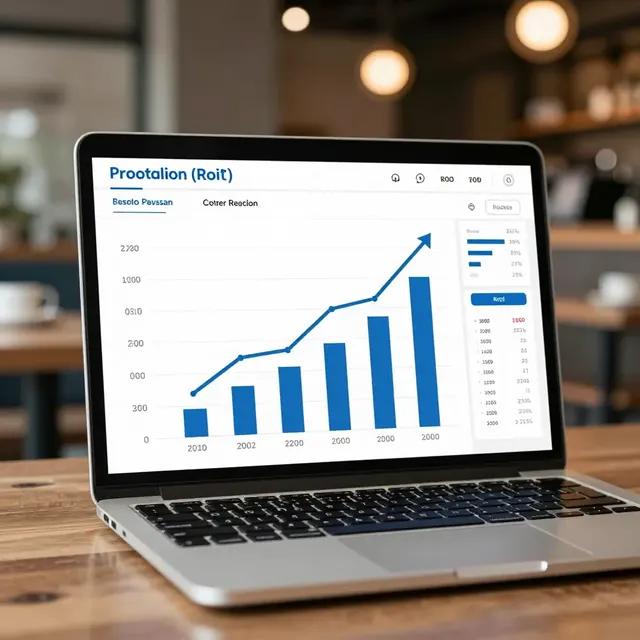
Creating an Immersive Pre-Class Experience
A cooking class is not just about the food; it is about the story and the preparation. A digital QR menu provides a canvas to tell that story before the oven is even turned on. You can embed short video clips of previous classes, show the chef at work, or display high-resolution photos of the final dishes. This visual storytelling builds anticipation and excitement among potential students.
Think of the digital menu as a virtual tasting room. Just as a wine list sets the mood for a dinner, your class description sets the stage for the learning experience. You can include chef bios, highlighting their awards and experience, which adds credibility and allure. You can also share the sourcing story of your ingredients-perhaps your herbs come from a local farm or your flour is stone-ground. This connection to the source resonates with modern diners who value sustainability and ethical sourcing. It transforms a simple class description into a compelling narrative that justifies the investment in time and money.
Furthermore, you can use the digital space to offer 'pre-class prep' tips. For a fermentation class, you might include a short guide on maintaining your starter at home. For a knife skills workshop, you can list the specific knives required and where to buy them. This added value makes your class feel exclusive and well-supported. Students appreciate the extra care taken to ensure their success, which leads to higher retention rates and word-of-mouth referrals. In an industry where competition is fierce, these small touches make the difference between a good class and a legendary one.
Future-Proofing Your Culinary Business
As technology continues to evolve, the expectation for digital integration only grows. Sticking to static paper menus or outdated booking methods risks leaving your culinary school behind. Embracing a platform like upQR ensures that your business remains agile and responsive to consumer needs. The ability to update content instantly is a powerful asset. If you need to change the menu for a seasonal class due to ingredient availability, you can do so with a single click. There is no need to reprint hundreds of flyers or update a physical board.
This flexibility also allows you to run promotions and flash sales directly through the QR interface. You can offer a discount for early bird bookings or bundle a class with a wine pairing event. These dynamic capabilities keep your marketing fresh and engaging. Moreover, the data collected from these digital interactions provides insights into customer behavior. Which classes are most popular? What time of day do people prefer to book? This data drives smarter business decisions, helping you optimize your schedule and maximize revenue.
By adopting a digital-first approach, you are also contributing to a more sustainable future. Eliminating paper waste is a tangible way to support environmental conservation, a value that is increasingly important to the next generation of food lovers. Your students will leave your class not just with new recipes, but with a sense of pride in supporting a business that cares about the planet. This alignment of values creates a deeper emotional connection with your audience, fostering a community that is passionate about both food and responsibility.
Ultimately, using QR menus for cooking classes is about providing a superior experience at every touchpoint. It combines the art of culinary education with the precision of modern technology. It offers transparency, inclusivity, and efficiency. For restaurant owners and cafe managers looking to expand their offerings into the education sector, this is the smartest way to go. It removes the guesswork, builds trust, and creates a seamless path from discovery to booking. With a platform that prioritizes honesty and accuracy, you can focus on what you do best: teaching, creating, and inspiring the next generation of chefs.
Related Posts
Ready to create your digital menu?
Create your QR menu in minutes and reach your customers in any language.