
Integrating Reviews Into Your QR Menu Strategy
Transform customer feedback into trust. Learn how to leverage online reviews directly within your digital QR menu to boost credibility and sales.
Building Trust Through Digital Transparency
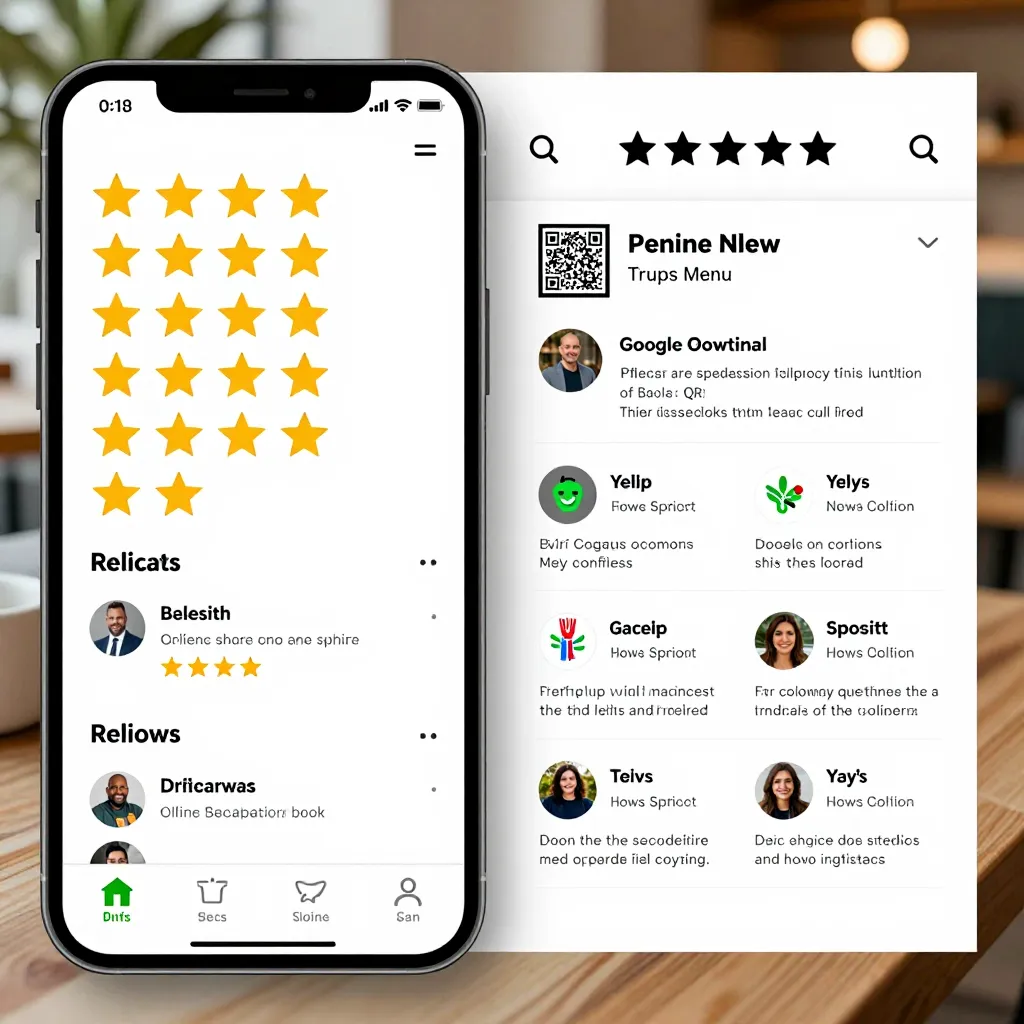
In the modern dining landscape, a restaurant's reputation is built on a foundation of trust. For years, this trust was established through word-of-mouth and physical signage. Today, that trust is quantified by star ratings on platforms like Google, Yelp, and TripAdvisor. However, a significant gap often exists between a customer's experience and their ability to see that experience before ordering. This is where your QR menu strategy can evolve from a simple digital catalog into a powerful trust-building tool.
When a guest scans a code to access your menu, they are often making a decision in a moment of hesitation. Are the ingredients fresh? Is the portion size accurate? Does the restaurant adhere to ethical sourcing? Without context, these questions remain unanswered. By integrating verified online reviews directly into the QR menu interface, you provide immediate social proof that validates the dining experience. This approach aligns perfectly with the core value of transparency: customers see exactly what they are ordering, backed by the honest experiences of others.
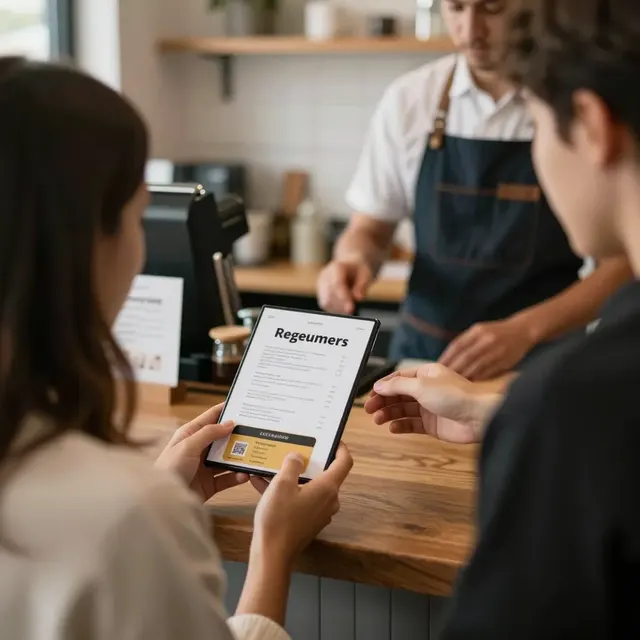
Consider the scenario of a new customer visiting a cafe for the first time. They scan the QR code and are greeted not just by a list of items, but by a section titled "What Our Guests Say." Seeing a recent review from a local food blogger praising the quality of the coffee or a family noting the kindness of the staff instantly lowers the barrier to entry. It transforms the digital menu from a static list of prices into a dynamic conversation about the quality of service and food. This integration signals to the diner that the business values honesty and community feedback, encouraging them to take the leap and place their order.
Enhancing Decision-Making with Real-Time Feedback
The primary function of a menu is to guide customer choices, but traditional menus often lack the nuance required for informed decisions. Online reviews fill this gap by offering specific details that static descriptions cannot. A review might mention that the "Spicy Tuna Tartare" is incredibly flavorful but comes with a kick that might not suit everyone, or that the "Vegan Burger" is surprisingly juicy. Integrating these insights allows customers to make decisions that align perfectly with their personal preferences and dietary needs.
This is particularly relevant for restaurants striving for universal access and inclusivity. A customer with a severe nut allergy can quickly scan the menu, find the allergen information, and then immediately read a review confirming that the kitchen strictly adheres to these protocols. Conversely, a customer looking for a vegan option can see testimonials from other vegans describing the taste and texture of the plant-based dishes. This layer of user-generated content acts as a filter, helping diners navigate the menu with confidence.
From a business perspective, leveraging this data also helps in inventory and operational management. If multiple reviews mention a specific dish is running low or that a particular preparation method is causing delays, the staff can address these issues in real-time. For instance, if a review notes that the "House Soup" is often served lukewarm, the kitchen can adjust the workflow immediately. By surfacing this feedback within the QR interface, the restaurant demonstrates a commitment to continuous improvement and honest communication, reinforcing the brand's reliability.
Countering Negative Feedback with Proactive Engagement
No business is immune to negative reviews, and how a restaurant handles them can define its reputation more than the review itself. In a traditional setting, a negative comment might sit on a table for days, causing a rift between the customer and the staff. With a QR menu, you have the opportunity to turn a negative experience into a positive one through proactive engagement.
Integrating a feedback loop into the QR menu allows you to address concerns before they escalate. If a customer leaves a negative review, the system can flag it for immediate management attention. More importantly, the QR menu can display a "We Listen" badge or a section dedicated to recent responses from the management team. When a customer sees that a manager has personally responded to a complaint about a cold appetizer, offering a sincere apology and a discount on their next visit, it shows a level of accountability that builds immense loyalty.
Imagine a situation where a diner feels misled by a description. Instead of ignoring the comment, the restaurant uses the QR platform to post an update: "We apologize for the confusion regarding the 'Seafood Platter.' We have clarified the ingredients and adjusted the description to ensure full transparency." This action not only resolves the immediate issue but also demonstrates to future readers that the restaurant prioritizes honesty and accuracy over protecting its image. This transparency is a cornerstone of the upQR philosophy, ensuring that every interaction is built on a foundation of truth rather than deception.
Optimizing the User Experience for Mobile Scanners
When integrating reviews, it is crucial to maintain a seamless user experience. Mobile users have short attention spans and often scan menus quickly. Therefore, the placement and formatting of review content must be strategic. Cluttering the menu with wall-to-wall text can overwhelm the user and slow down the ordering process. The goal is to provide value without friction.
Effective strategies include using a carousel of top-rated reviews that rotates automatically, highlighting the most recent feedback from the last 48 hours. This ensures that the information is current and relevant. You can also categorize reviews by dish, so a user hovering over the "Pasta Carbonara" sees only reviews mentioning that specific item. This targeted approach helps the user find exactly what they are looking for without sifting through irrelevant content.
Furthermore, consider the design elements that enhance readability. Using icons to represent sentiment (e.g., a smiley face for positive, a thoughtful face for constructive feedback) allows users to scan the mood of the restaurant at a glance. Keep the language authentic; avoid over-editing customer reviews to the point where they lose their voice. Authenticity resonates with modern consumers who are adept at spotting manufactured content. By curating a selection of genuine, unfiltered reviews, you reinforce the integrity of your brand and provide a realistic expectation of the dining experience.
Driving Loyalty and Word-of-Mouth Marketing
The ultimate goal of integrating reviews into your QR menu is to foster a cycle of loyalty and advocacy. When customers see that their peers enjoy the food and service, they are more likely to return and recommend the establishment to others. This organic marketing is far more powerful than paid advertising because it comes from trusted sources.
Restaurants can also use this feature to encourage customers to leave their own reviews. At the end of the meal, the QR menu can prompt satisfied diners: "Loved your meal? Share your experience with us!" This not only helps build a repository of positive content but also engages the customer post-visit. For those who leave a review, offering a small incentive, such as a discount on their next visit or entry into a monthly draw, can further boost participation.
Think of a local bistro that consistently displays glowing reviews about its commitment to local sourcing. A customer who values sustainability is more likely to choose this bistro over a chain restaurant because the digital menu validates their values. This alignment of values creates a deeper emotional connection between the diner and the brand. Over time, this builds a community around the restaurant, where customers feel like insiders who understand the story behind the food. This sense of belonging is what turns one-time visitors into regulars and loyal advocates.
Leveraging Data to Refine Your Menu Offerings
Beyond the immediate benefits of trust and engagement, integrating reviews provides a wealth of data that can help refine your menu strategy. By analyzing the sentiment of reviews linked to specific menu items, you can identify trends that might otherwise go unnoticed. Are customers consistently praising the spice level of your salsas? Is there a recurring request for more gluten-free options? This data-driven insight allows you to adapt your offerings to meet the evolving tastes of your community.
For example, if reviews indicate that a particular dessert is a favorite but is often out of stock, the kitchen can prioritize its preparation or increase the batch size. Conversely, if a dish receives consistent criticism regarding its presentation or flavor profile, it might be time to reformulate or remove it from the menu. This iterative process ensures that your offerings remain relevant and high-quality, reflecting the honest feedback of your patrons.
Furthermore, tracking the source of reviews (e.g., Google, Yelp, Instagram) helps you understand where your customers are finding you. If a significant portion of positive feedback comes from social media, you can tailor your QR menu to highlight those specific platforms, encouraging more engagement. This holistic view of customer sentiment empowers you to make informed decisions that enhance the overall dining experience, ensuring that every element of your restaurant-from the food to the service-meets the high standards your guests expect.
Conclusion
Integrating online reviews into your QR menu strategy is not just a technological upgrade; it is a commitment to transparency, honesty, and customer-centricity. By showcasing real experiences, you build a bridge of trust between your restaurant and your diners, allowing them to make informed decisions with confidence. This approach eliminates guesswork, addresses concerns proactively, and fosters a loyal community of advocates who feel heard and valued.
At upQR, we believe that the digital menu should be more than just a list of items; it should be a reflection of your restaurant's values and a testament to the quality of your service. Our platform is designed to make this integration seamless, providing you with the tools to display reviews, manage feedback, and engage with your customers in meaningful ways. Embrace the power of social proof today, and watch as your digital menu becomes the most trusted source for your customers to discover, order, and love your restaurant.
Related Posts
Ready to create your digital menu?
Create your QR menu in minutes and reach your customers in any language.