
Using QR Menu Data to Design Your Next Restaurant Concept
Learn how to leverage digital menu analytics to identify winning dishes, optimize layouts, and create a sustainable restaurant concept that resonates with modern diners.
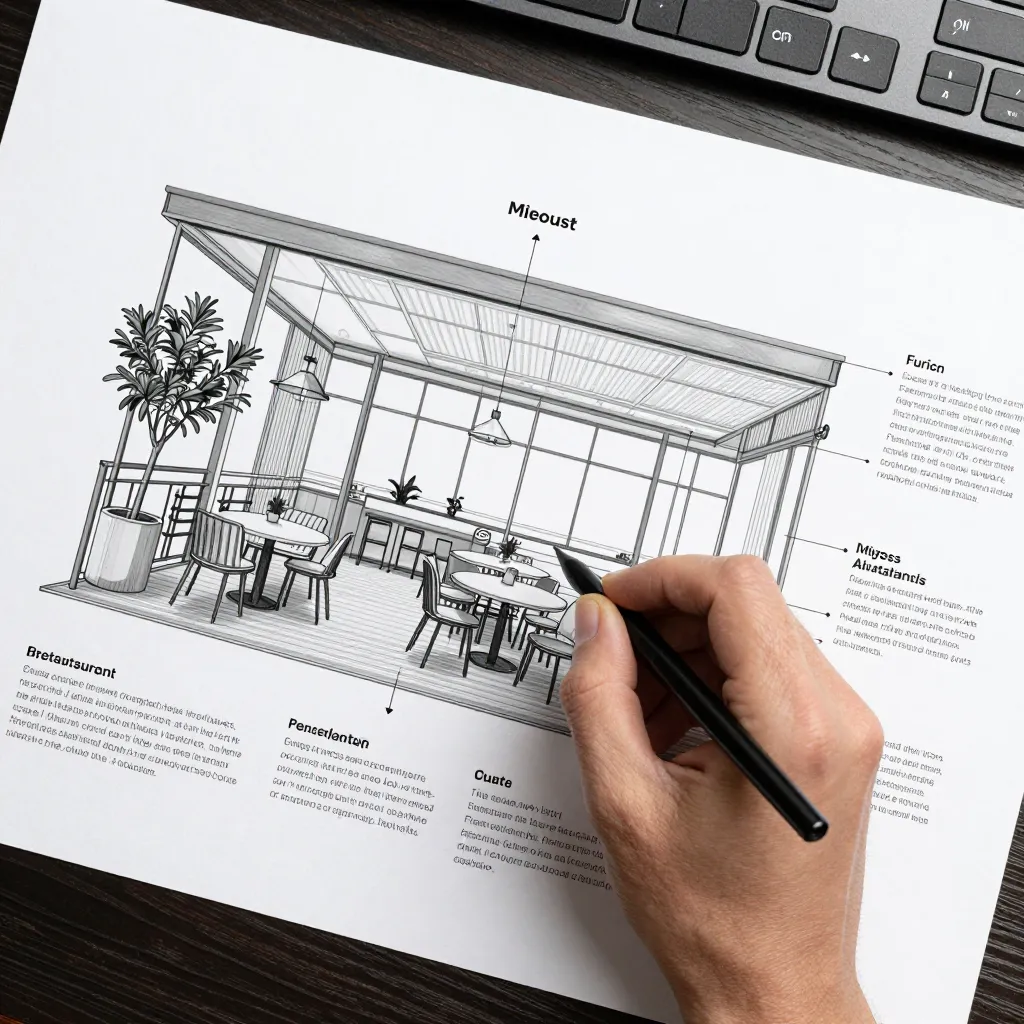
Unlocking the Hidden Potential of Digital Menu Analytics
For decades, restaurant owners relied on gut feelings, personal anecdotes, and static paper menus to guide their concept development. However, the shift to digital ordering has fundamentally changed how we understand customer behavior. By utilizing the data generated by platforms like upQR, restaurateurs can move from guesswork to precision engineering when designing a new concept. Digital menus do more than replace paper; they act as a sophisticated data collection tool that reveals exactly what customers want, how they eat, and where your current offerings fall short.
When you launch a new restaurant concept, the pressure is immense. You need a menu that balances profitability with customer satisfaction. Traditional methods often lead to menu bloat, where items sit unsold, driving up food costs and complicating kitchen logistics. With digital menu data, you can identify high-performing dishes and low-margin items before you even open your doors. This data-driven approach allows you to curate a streamlined menu that maximizes efficiency and minimizes waste, aligning perfectly with the goal of creating an environmentally conscious business.
The value of this data extends beyond simple sales counts. It provides insights into customer preferences, dietary trends, and peak ordering times. For instance, you might discover that a specific salad is a top seller, but only when paired with a protein option that many customers overlook. This insight alone can transform your concept from a generic dining experience to a highly optimized culinary destination. By understanding the nuance of customer choices, you can design a concept that feels intuitive and responsive to the needs of your local community.
Optimizing Menu Engineering Through Real-Time Insights
Menu engineering is the strategic process of categorizing menu items based on their profit margins and popularity. Traditionally, this was a post-mortem exercise done after a few months of operation. With upQR, you can perform this analysis in real-time. The platform categorizes items into four quadrants: Stars (high popularity, high profit), Plowhorses (high popularity, low profit), Puzzles (low popularity, high profit), and Dogs (low popularity, low profit). Understanding these categories is crucial for designing a robust restaurant concept.
Consider the "Stars" of your menu. These are your best sellers. In a new concept, you want to ensure these items are positioned prominently and described in a way that reinforces your brand story. If your data shows that a particular dish is a Star, you can invest in high-quality ingredients to ensure consistency, knowing that the market demand is there. Conversely, "Dogs"-items that sell poorly and have low margins-should be the first candidates for removal or redesign. Eliminating these items reduces kitchen complexity, lowers food waste, and simplifies the ordering process for your staff.
Take the example of a cafe owner who noticed that their signature coffee blends were popular, but the accompanying pastries were inconsistent in sales. The data revealed that customers preferred the cafe's own brand of coffee over the generic options. Armed with this insight, the owner redesigned their pastry section to feature only items that paired well with their signature brews, eliminating underperforming pastries. This not only improved their profit margins but also created a more cohesive dining experience. The result was a concept that felt curated rather than cluttered, encouraging customers to try the full range of offerings without feeling overwhelmed by choices.
Furthermore, digital menus allow you to experiment with pricing strategies without the friction of reprinting physical menus. If you find that a specific item is a "Puzzle"-high margin but low popularity-you can tweak the description or presentation to make it more appealing. Perhaps the item requires a specific preparation time or has a unique ingredient that needs highlighting. By adjusting the digital display, you can guide customers toward these profitable choices, effectively engineering your menu to drive both revenue and sustainability.
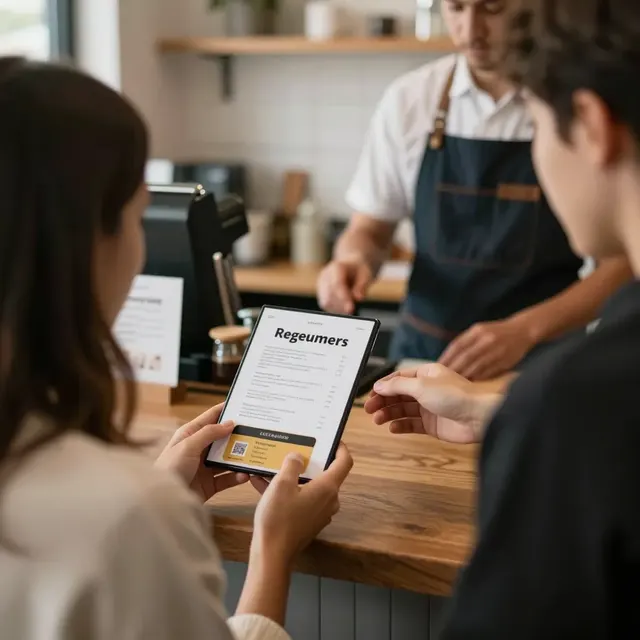
Creating Inclusive and Transparent Dining Experiences
One of the most significant advantages of digital menus is the ability to provide comprehensive information that was previously difficult to convey on paper. Modern diners are increasingly conscious of their dietary needs and the origin of their food. A well-designed digital menu can cater to these needs while maintaining a sense of transparency and honesty. This is a core value of the upQR platform, ensuring that customers know exactly what they are ordering.
When designing a new restaurant concept, consider how you can leverage this feature to stand out in a crowded market. You can include detailed allergen information, sourcing details, and sustainability certifications directly on the menu items. For example, you might highlight dishes made with locally sourced ingredients or those that are vegan, gluten-free, or free from common allergens. This level of detail not only helps customers make informed decisions but also reinforces your commitment to ethical business practices.
Imagine a restaurant that wants to appeal to a diverse demographic, including non-native speakers or individuals with language barriers. A digital menu can be designed with multilingual support, ensuring that everyone feels welcome and understands the offerings. This inclusivity broadens your customer base and fosters a sense of community. By providing accurate descriptions and honest photos, you eliminate the risk of disappointment, which is a common issue with misleading paper menus. Customers appreciate the honesty, and this trust translates into repeat business and positive word-of-mouth.
Transparency also extends to the environmental impact of your restaurant. You can use the digital menu to explain your zero-waste initiatives, such as composting programs or the use of biodegradable packaging. By educating your customers about these efforts, you turn a simple ordering process into a conversation about sustainability. This educational aspect can be a powerful marketing tool, attracting customers who share your values and are willing to support businesses that prioritize the planet.
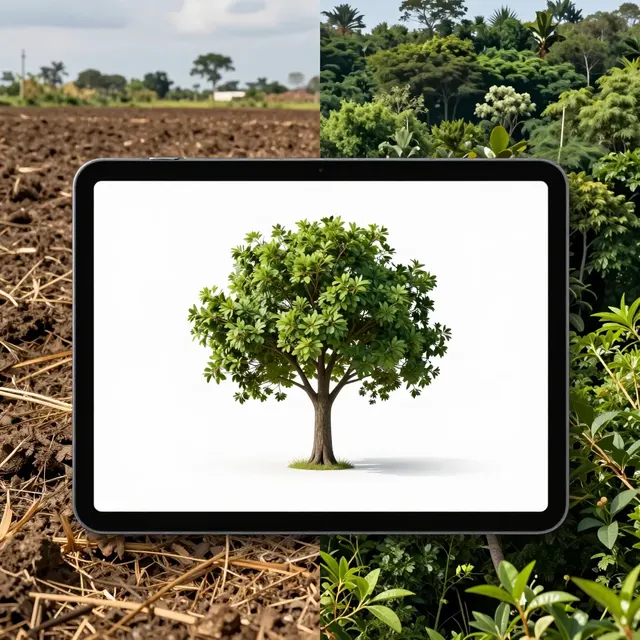
Adapting to Seasonal Trends and Customer Preferences
Customer tastes are not static; they evolve with seasons, cultural trends, and global events. A static paper menu cannot adapt to these changes quickly, leading to missed opportunities or outdated offerings. Digital menus, however, offer the flexibility to update content instantly. This agility is essential for a successful restaurant concept that stays relevant and responsive to the market.
For instance, during the summer months, you might see a surge in demand for cold salads, fresh fruits, and iced beverages. Your data will show this trend clearly, allowing you to adjust your menu accordingly. You can introduce seasonal specials that highlight local produce, ensuring that your concept feels fresh and timely. In the winter, you can pivot to heartier dishes and warm drinks, capitalizing on the colder weather. This ability to rotate menu items based on real-time data ensures that you are always offering what your customers crave at that moment.
Consider a restaurant that noticed a spike in orders for spicy dishes during a particular week. The data indicated a growing interest in bold flavors among their clientele. Instead of ignoring this trend, the owner could introduce a new line of spicy sauces or fusion dishes that cater to this preference. This responsiveness not only keeps the menu exciting but also demonstrates that the restaurant is attuned to the desires of its patrons. It creates a dynamic dining environment where the menu feels like a living entity that grows and changes alongside its community.
Moreover, digital menus allow you to run A/B tests on different menu descriptions or images to see which ones resonate best with your audience. You can test two different headlines for a signature dish to see which one drives more clicks and orders. This experimentation is impossible with a physical menu, where changing a single word requires printing a new batch. With upQR, you can iterate rapidly, refining your concept until you find the perfect balance of appeal and profitability.
Streamlining Operations for a Lean and Efficient Kitchen
Behind every great menu is a well-oiled kitchen. The complexity of your menu directly impacts your operational efficiency. A cluttered menu with dozens of items can lead to confusion, errors, and waste. By using digital menu data to streamline your offerings, you can create a lean operation that runs smoothly and cost-effectively.
Data can help you identify cross-selling opportunities that improve your average order value. For example, if you notice that customers who order a specific soup also frequently add bread, you can highlight this combination on your digital menu. This not only increases sales but also simplifies your kitchen workflow by focusing on high-combination items. You can also use the data to predict peak ordering times and prepare accordingly, ensuring that your kitchen is never overwhelmed during rush hours.
Another key benefit is the reduction of food waste. When you know exactly which items are selling well and which are not, you can adjust your purchasing and inventory management accordingly. This precision reduces the amount of food that goes to the trash, lowering your operational costs and minimizing your environmental footprint. It is a practical application of the upQR mission to promote sustainability through smarter business practices.
Finally, a streamlined menu allows your staff to focus on providing exceptional service rather than managing a chaotic ordering system. With a clear, digital menu, customers can place their orders quickly and accurately, reducing wait times and improving the overall dining experience. Your staff can then dedicate more time to engaging with guests, answering questions, and creating a memorable atmosphere. This focus on service and efficiency is what separates a good restaurant from a great one, and digital menu data is the tool that makes it achievable.
Building a Sustainable Future for Your Restaurant
As you design your next restaurant concept, remember that the goal is not just to create a business that makes money, but one that contributes positively to society and the environment. The upQR platform empowers you to achieve this by providing the tools and insights needed to make informed decisions. From optimizing your menu to ensuring transparency and inclusivity, every aspect of your digital menu can be a step toward a more sustainable future.
By leveraging the power of data, you can build a restaurant concept that is resilient, adaptable, and deeply connected to your customers. You can create a space where everyone feels welcome, where the food is honest and high-quality, and where the impact on the planet is minimized. This is the vision of upQR: a digital menu platform that helps restaurateurs thrive while doing good. Whether you are a seasoned veteran or a first-time owner, the insights provided by upQR will guide you toward a successful and meaningful journey in the restaurant industry.
Related Posts
Ready to create your digital menu?
Create your QR menu in minutes and reach your customers in any language.