
Restaurant Noise and QR Menus: Better Communication
Discover how digital QR menus reduce noise complaints, improve staff communication, and enhance the dining experience for your restaurant or cafe.
The Acoustic Challenge in Modern Dining
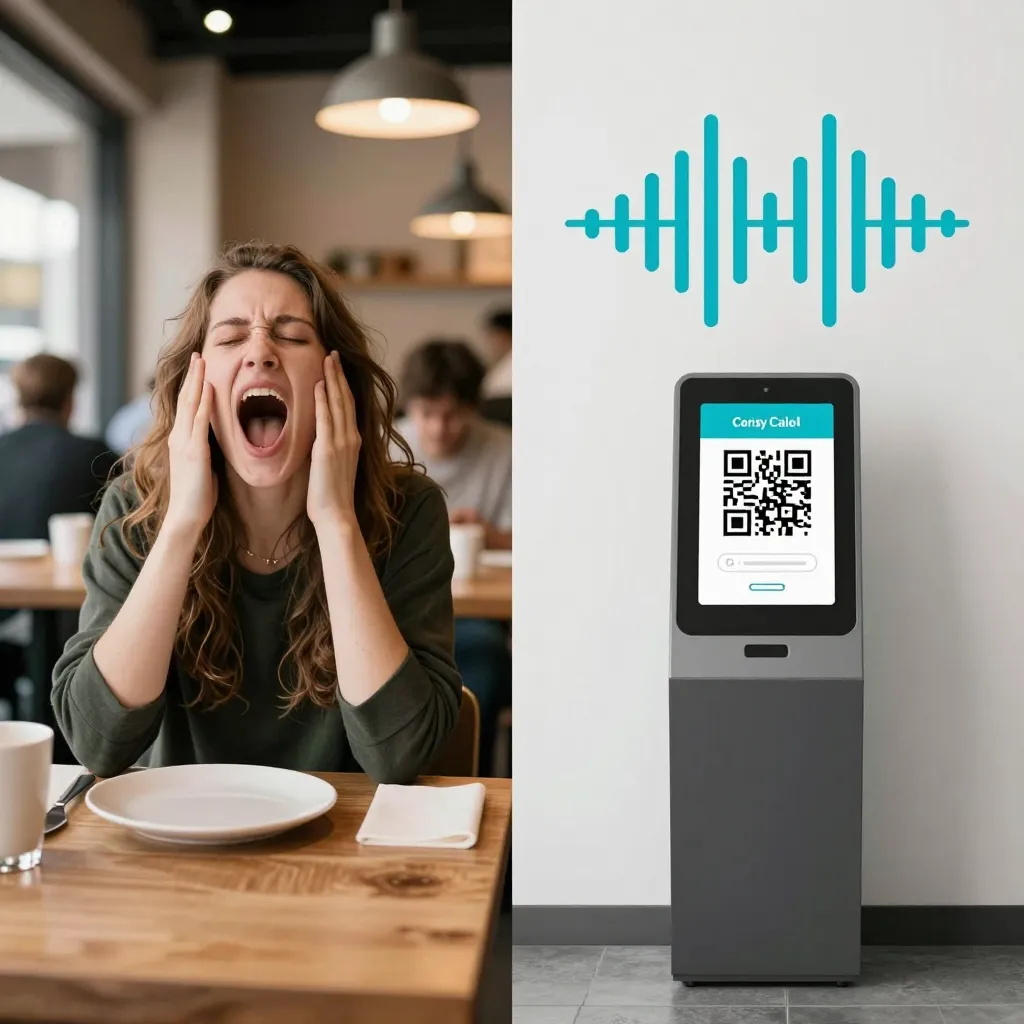
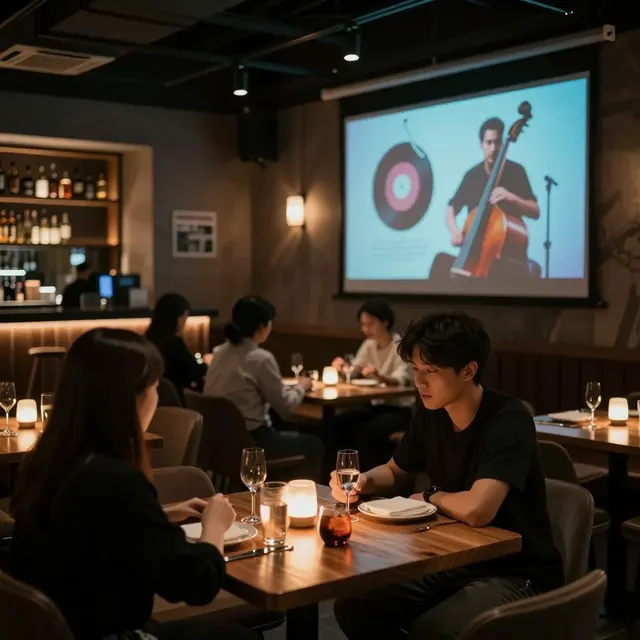
Restaurant noise is a silent killer of the dining experience. According to a study by the University of Salford, background noise levels in busy restaurants often exceed 85 decibels, a level where conversation becomes difficult. This acoustic barrier creates a unique problem for servers: they must shout to be heard, leading to rushed interactions and increased stress. When a guest cannot hear their server clearly due to ambient chatter, they often feel frustrated, leading to shorter dwell times and lower average check sizes. The solution lies not just in better acoustics, but in shifting the burden of information retrieval from the server to the technology at the table.
When a guest needs to order, ask a dietary question, or check a price, they traditionally rely on human intervention. This creates a direct line of communication that is easily disrupted by noise. In a loud environment, the server must physically approach the table, often interrupting a group's conversation to deliver the menu. This physical interruption, combined with the auditory struggle, can make the dining experience feel chaotic rather than welcoming. By introducing a digital QR menu, you effectively remove the need for constant auditory confirmation. Guests can browse items, view high-resolution photos, and submit orders silently. This shift transforms the server's role from a messenger who must be heard to a consultant who focuses on hospitality and ambiance management.
Reducing Server Fatigue and Improving Accuracy
The impact of noise on restaurant staff is profound and often overlooked. In high-decibel environments, servers experience rapid vocal fatigue. They speak in a strained tone to be heard, which can lead to miscommunication regarding order details, special requests, or allergen warnings. A misheard order due to noise pollution can result in kitchen errors, wasted food, and unhappy guests. Digital menus act as a universal translator and a silent intermediary. When a guest scans the code and navigates the upQR menu, the information is displayed clearly and accurately on their device. The server no longer needs to read the menu aloud or repeat prices to confirm understanding. Instead, they can focus on building rapport, explaining the chef's specials, and ensuring the guest feels valued.
Consider the scenario of a table of four friends discussing a complex dish with multiple ingredients. In a noisy restaurant, the server might struggle to hear the specific request for "no onions" or a substitution. With a digital menu, the guest can select the item, view the ingredient list, and toggle off the allergen before hitting send. The kitchen receives the order with precise details immediately. This not only improves accuracy but also reduces the cognitive load on the server. They spend less time clarifying orders and more time ensuring the guest's comfort. This reduction in stress allows staff to maintain a more positive demeanor, which is crucial for maintaining a pleasant atmosphere even when the room is loud.
Enhancing Transparency and Building Trust
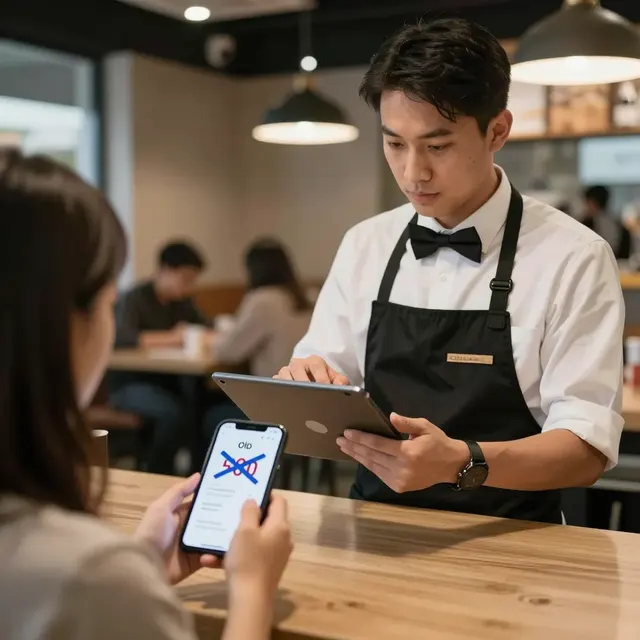
Transparency is a core value of modern dining, yet noise often obscures the details guests seek. Guests want to know exactly what they are eating, including ingredient sourcing and allergen information. In a traditional paper menu scenario, this information is often buried in fine print or requires a server to explain verbally. If the noise level is high, guests may skip reading these details or miss the explanation entirely, potentially leading to health risks or dissatisfaction. Digital menus solve this by presenting information in a structured, easy-to-read format that can be accessed at the guest's own pace.
With upQR, you can display detailed ingredient lists, nutritional facts, and sourcing stories for every dish. Guests can tap to expand on specific items, ensuring they have all the facts before ordering. This level of honesty and transparency builds trust. When guests see that the restaurant cares enough to provide full details without pressure, they feel more confident in their choices. This is particularly important for guests with dietary restrictions who need to verify ingredients quickly. The ability to access this information silently ensures that every guest, regardless of their hearing ability or the noise level in the room, has equal access to the information they need. This inclusivity fosters a sense of safety and care that resonates deeply with modern diners.
Optimizing Table Turnover and Operational Efficiency
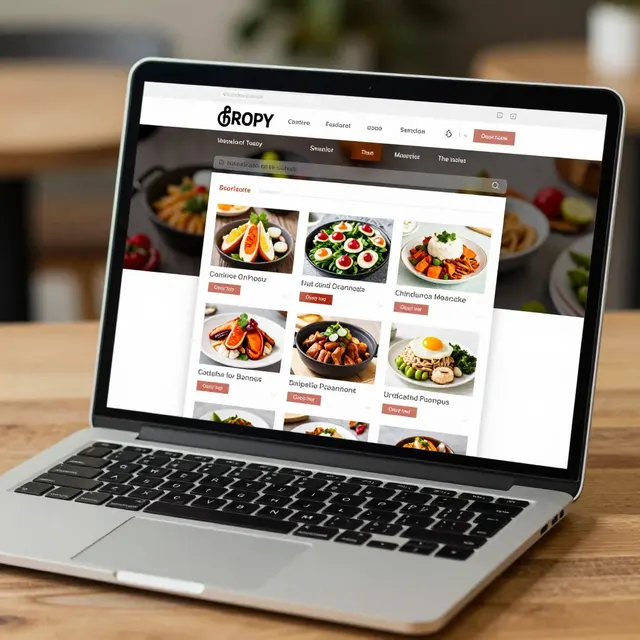
High noise levels often correlate with high turnover rates in restaurants. When communication is difficult, guests may feel rushed or annoyed by the lack of clarity, leading them to leave sooner. Furthermore, servers spend a significant amount of time at each table taking orders and clarifying details, a process that is slowed down by the need to repeat information. Digital menus streamline this workflow. Once a guest has scanned the QR code and browsed the menu, they can place their order directly to the kitchen. The server is then free to return to other tables or attend to guests who need assistance. This efficiency allows the restaurant to manage larger groups and higher traffic without compromising the quality of service.
The data shows that restaurants utilizing digital ordering systems often see a 15-20% increase in table turnover efficiency. This metric is driven by the reduction in time spent per table. However, the improvement in guest satisfaction is equally important. Guests appreciate the autonomy to order at their own pace, whether they want to review the menu for 10 minutes or 20. This flexibility reduces the pressure of the "bill coming soon" anxiety that often plagues loud dining rooms. By removing the friction of communication, you create a smoother flow for both the staff and the guests, resulting in a more relaxed environment that encourages guests to stay longer and return again.
Creating a Universal Access Environment
Accessibility is a critical component of a welcoming restaurant. Noise is a barrier for guests with hearing impairments, but it also affects anyone trying to focus in a chaotic environment. A digital menu ensures that every guest, regardless of language or hearing ability, can navigate the menu comfortably. For guests who speak a different language, upQR allows you to instantly switch the menu interface to their preferred language. This eliminates the confusion of misheard translations or the embarrassment of not understanding a dish. For guests with hearing aids or cochlear implants, the visual interface of a digital menu is far more reliable than trying to decipher a server's shouted order.
Moreover, digital menus allow for the inclusion of audio descriptions or video content for guests who prefer to watch rather than read. You can include videos of the dish being prepared or a chef's explanation, which can be paused and rewound if the audio is too loud. This multi-sensory approach ensures that the dining experience is inclusive for everyone. By embracing technology that prioritizes clarity and access, you demonstrate a commitment to serving your entire community. This aligns with the mission of providing honest, accurate, and accessible information to all guests, ensuring that no one is left out due to the acoustic environment of the restaurant.
Conclusion
Addressing restaurant noise levels is not just about adding soundproofing foam; it is about changing how information is delivered and consumed. Digital QR menus offer a practical, scalable solution that enhances communication, reduces staff fatigue, and improves the overall guest experience. By adopting a platform like upQR, you empower your guests to take control of their dining journey, ensuring they have access to transparent, accurate, and honest information regardless of the noise around them. The result is a more harmonious dining room where the focus shifts from struggling to be heard to enjoying the food and company. Embrace the future of dining where technology bridges the gap between noise and clarity, allowing your restaurant to thrive in any acoustic environment.

Related Posts
Ready to create your digital menu?
Create your QR menu in minutes and reach your customers in any language.