
The Psychology of Food Photos: Impact on Ordering
Discover how visual cues in menu images influence customer decisions. Learn practical tips to boost orders using psychology-driven photography and transparent digital menus.
Why Food Photography Matters More Than You Think
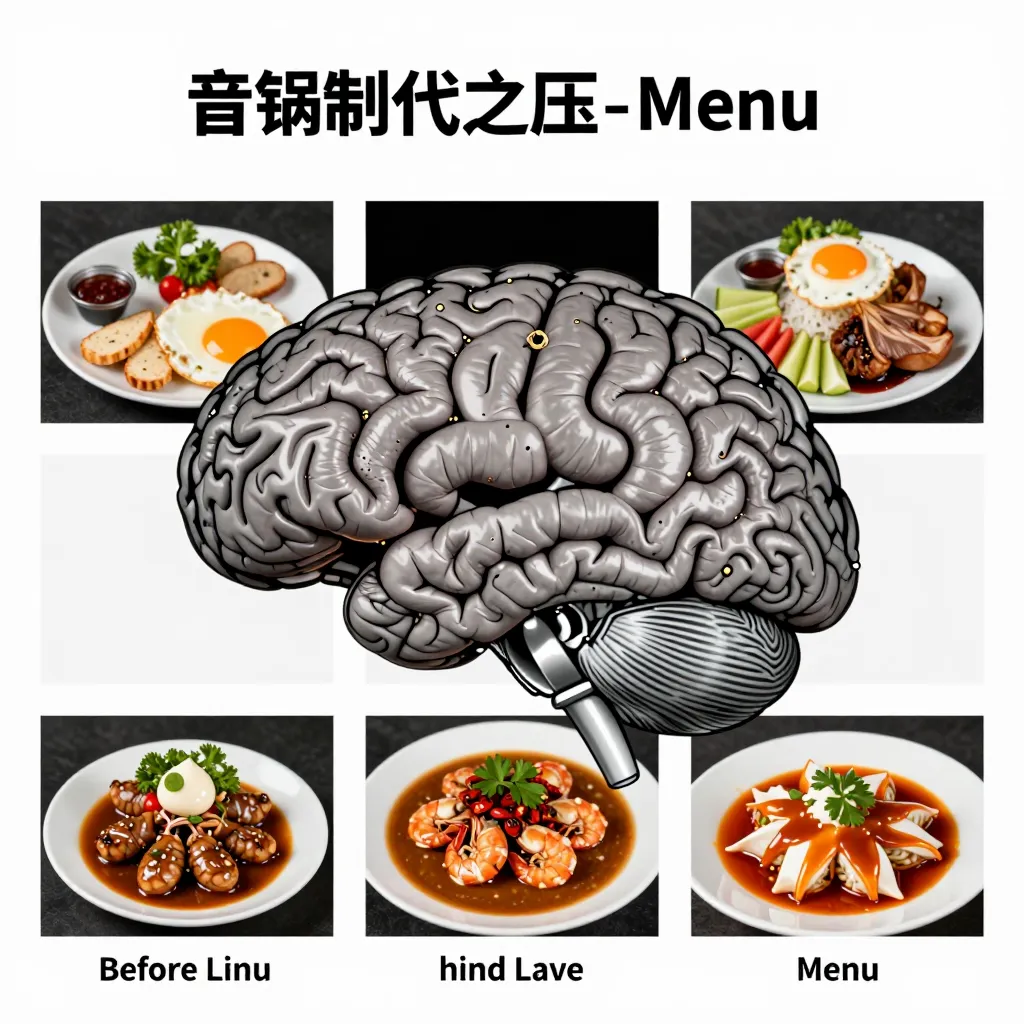
When a customer approaches your restaurant or cafe, the first thing they often see is a photo on the menu. This image acts as a powerful psychological trigger that can make or break their decision to order. According to industry research, approximately 70% of consumers rely on online photos when deciding what to eat, and the visual appeal of a dish directly correlates with perceived taste and quality. In the digital age, where many diners browse menus from their smartphones before even stepping foot in your establishment, the first impression is purely visual.
The psychology behind food photography goes beyond simple aesthetics; it taps into emotional responses and cognitive biases. A well-composed image can stimulate the brain's reward center, creating a sense of hunger and desire before the customer has even tasted the food. Conversely, a poorly lit or misleading photo can create skepticism, leading customers to skip items or question the honesty of the establishment. For restaurant owners and cafe managers, understanding these psychological triggers is essential for optimizing sales and enhancing the customer experience.
Consider the scenario where a customer is scrolling through a digital menu on a rainy afternoon. They come across a vibrant, appetizing photo of a fresh salad with dewy greens and a drizzle of dressing. The image triggers a memory of freshness and health, making the customer more likely to order. However, if the photo looks overly edited or does not match the actual dish, the customer may feel deceived. This is where transparency becomes a critical factor. Customers today are increasingly aware of digital manipulation and prefer brands that offer honest, accurate representations of their food. By leveraging high-quality, authentic photography, you can build trust and encourage higher conversion rates.
The Science of Appetite Appeal: Colors, Lighting, and Composition
Food photography relies heavily on specific visual elements that influence how the brain perceives taste and texture. Colors play a pivotal role in this process. Warm colors like red and orange are known to stimulate appetite and create a sense of urgency, which is why many fast-food chains use them in their branding. In contrast, cool colors like blue and green can suppress appetite but are often associated with freshness and health. When designing your digital menu, ensure that the color palette of your food images aligns with the intended message of your dish. For example, a vibrant red steak photo can evoke feelings of richness and flavor, while a bright green smoothie image can suggest vitality and wellness.
Lighting is another crucial element that affects the perceived quality of a dish. Natural light is generally preferred because it captures the true colors and textures of the food, avoiding the harsh shadows or unnatural highlights that can occur with artificial lighting. Proper lighting can make a simple dish look gourmet, while poor lighting can make even the most delicious meal look unappetizing. Additionally, the angle at which the food is photographed matters. Overhead shots, known as "flat lays," are excellent for showcasing plating and arrangement, while 45-degree angles are better for emphasizing depth and volume. By mastering these technical aspects, you can create images that not only look good but also sell your products effectively.
Composition techniques such as the rule of thirds can also enhance the visual appeal of your menu images. This principle involves dividing the image into nine equal parts and placing key elements along the lines or intersections to create a balanced and engaging composition. For instance, placing the main dish slightly off-center can draw the viewer's eye naturally, while leaving some negative space can give the image a sense of elegance and sophistication. These small details can significantly impact how customers perceive your food and, ultimately, their likelihood to order. Remember, the goal is to create an image that tells a story about the dish, inviting the customer to imagine the taste and experience of eating it.
Transparency and Authenticity: Building Trust Through Honest Imagery
In an era where social media influencers and food bloggers scrutinize every detail, transparency has become a non-negotiable value for restaurants and cafes. Customers expect to see exactly what they are ordering, without hidden fees, misleading descriptions, or deceptive photos. When a photo on your digital menu accurately represents the actual dish, it fosters a sense of trust and reliability. This honesty resonates with modern diners who are increasingly conscious of food authenticity and ethical business practices. By committing to authentic imagery, you signal to your customers that you value their experience and respect their intelligence.
Deceptive photography can have serious consequences for your reputation. If a customer orders a dish based on a photo that looks nothing like the real thing, they may feel disappointed and frustrated. This can lead to negative reviews, social media backlash, and a loss of loyal customers. On the other hand, when you provide honest and accurate information, you reduce the risk of dissatisfaction and build a loyal customer base. For example, if you serve a rustic, handmade pasta dish, avoid using stock photos that depict perfectly uniform noodles. Instead, capture the genuine texture and imperfections that make your dish unique. This approach not only aligns with your mission of transparency but also differentiates your brand from competitors who rely on polished but unrealistic images.
To maintain authenticity, consider implementing a standardized process for taking and updating your menu photos. Regularly inspect your dishes in person and photograph them under consistent lighting conditions to ensure accuracy. Avoid over-editing images, as this can distort colors and textures, leading to false expectations. Additionally, include detailed descriptions of ingredients and allergens alongside the photos to provide further transparency. This combination of visual honesty and textual clarity creates a comprehensive dining experience that customers can rely on. By prioritizing authenticity, you not only comply with ethical standards but also enhance the overall perception of your brand.
Leveraging Digital Menus for Universal Access and Dietary Clarity
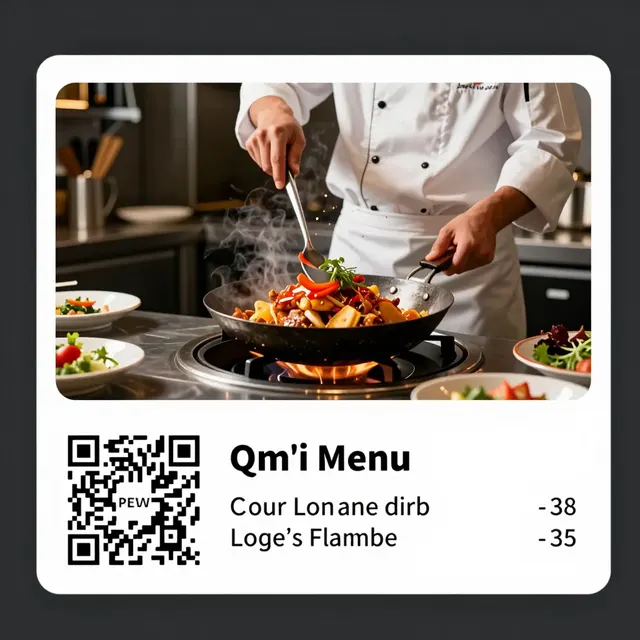
Digital QR menus offer unique advantages over traditional paper menus, particularly in terms of accessibility and clarity. One of the most significant benefits is the ability to provide detailed information about ingredients, allergens, and dietary restrictions directly on the screen. This feature is invaluable for customers with specific needs, such as gluten intolerance, nut allergies, or vegan preferences. When combined with high-quality images, these details help customers make informed decisions quickly and confidently.
For instance, a customer with a dairy allergy can easily filter out non-compliant options by reading the ingredient list and cross-referencing it with the photo. This level of transparency eliminates guesswork and reduces the risk of accidental exposure to allergens. Moreover, digital menus can be updated in real-time to reflect seasonal ingredients or special dietary offerings, ensuring that customers always see the most accurate and relevant information. This dynamic capability also supports sustainability efforts by eliminating the need for paper waste, aligning with the environmentally conscious values of many modern diners.
Universal access is another key benefit of digital menus. By offering multilingual options and clear visual cues, you can cater to a diverse clientele, including tourists and non-native speakers. Photos serve as a universal language that transcends linguistic barriers, allowing everyone to understand what they are ordering. This inclusivity not only broadens your customer base but also enhances the overall dining experience by making every guest feel welcome and understood. When paired with upQR's platform, you can seamlessly integrate these features into your existing operations, providing a seamless and efficient solution for managing your menu.
Practical Tips for Optimizing Your Digital Menu Images
To maximize the impact of your digital menu images, consider implementing the following practical tips. First, invest in professional photography or hire a skilled food photographer who understands the nuances of food styling and lighting. Avoid using generic stock images that do not accurately represent your dishes. Second, ensure that all photos are optimized for mobile devices, as most customers will view your menu on their smartphones. Use high-resolution images that load quickly without compromising quality.
Third, regularly update your menu photos to reflect changes in your offerings or seasonal ingredients. This keeps your menu fresh and relevant, encouraging repeat visits. Fourth, use consistent branding in your images, such as incorporating your logo or color scheme subtly in the background or styling. Finally, gather feedback from your customers to identify which images perform best and adjust accordingly. By following these guidelines, you can create a digital menu that not only looks great but also drives sales and enhances customer satisfaction.
Remember, the goal is to create a menu that tells a story about your food, builds trust with your customers, and reflects your core values of transparency and sustainability. With the right combination of psychology-driven photography and digital tools, you can transform the way your customers interact with your menu and, ultimately, boost your restaurant's success. By adopting these strategies, you position your business as a leader in the industry, offering an experience that is both visually stunning and ethically sound.
Related Posts
Ready to create your digital menu?
Create your QR menu in minutes and reach your customers in any language.