
Restaurant Opening Checklist: Digital Menu Setup from Day One
Ensure a smooth launch with our essential digital menu checklist. Learn how to save costs, reduce waste, and impress customers from your very first service.
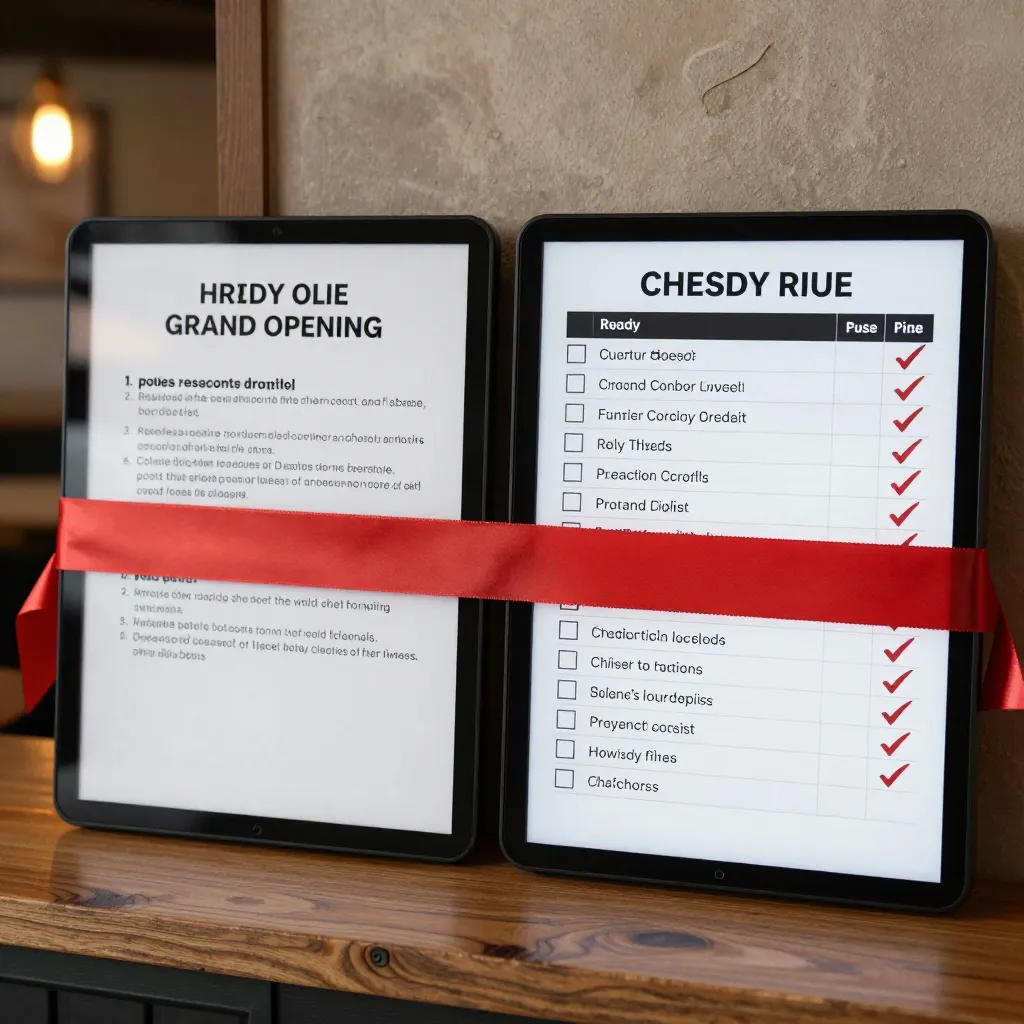
Why Digital Menus Are Non-Negotiable for Modern Openings
When you are planning the launch of a new restaurant or cafe, the excitement often focuses on interior design, hiring staff, and sourcing ingredients. However, a critical operational decision is made before the grand opening: the choice between a printed menu and a digital one. Industry data reveals that 72% of consumers now prefer digital menus over paper versions, citing speed and accessibility as primary drivers. For a new establishment, skipping the traditional paper menu isn't just a trend; it is a strategic necessity that impacts your bottom line immediately.
Traditional menus require significant upfront investment in printing costs, which can range from $50 to $500 per run depending on the quantity and finish. Furthermore, they incur ongoing maintenance costs. Every time you adjust a price or remove an item due to seasonal availability, you must reprint the entire document, creating unnecessary paper waste. In an era where sustainability is a major selling point for diners, eliminating paper waste aligns your brand with environmentally conscious values. By choosing a digital platform like upQR from day one, you eliminate these recurring costs and position your venue as a forward-thinking, eco-friendly business.
The Foundation: Accuracy, Transparency, and Accessibility
The core mission of any successful restaurant is to provide honest and accurate information to the customer. A digital menu allows you to achieve a level of transparency that paper simply cannot match. You can embed detailed ingredient lists, clearly mark allergens with symbols, and provide nutritional information without cluttering the page. This transparency builds trust. When a customer with a specific dietary need sees exactly what they are ordering, it reduces anxiety and prevents costly mistakes related to food allergies.
Consider the scenario of a customer who speaks a different language or has limited mobility. A static paper menu offers no assistance here. A well-configured digital menu can be set to multiple languages instantly, ensuring universal access for your entire customer base. Additionally, digital menus can be optimized for screen readers and high-contrast modes, making your food accessible to visually impaired patrons. This inclusivity is not just a nice-to-have feature; it is a legal requirement in many jurisdictions and a moral imperative for any hospitality business. By integrating these features from day one, you demonstrate a commitment to serving everyone, regardless of their background or abilities.
Furthermore, the visual presentation on a digital screen can be dynamic. While a paper menu is static and cannot be updated, your digital menu can showcase high-quality, honest photography that reflects the actual appearance of your dishes. Avoid the trap of using stock photos that do not match reality; instead, use real images taken on your opening day. This honesty sets the right expectation and reduces the likelihood of customer dissatisfaction upon receiving their food.
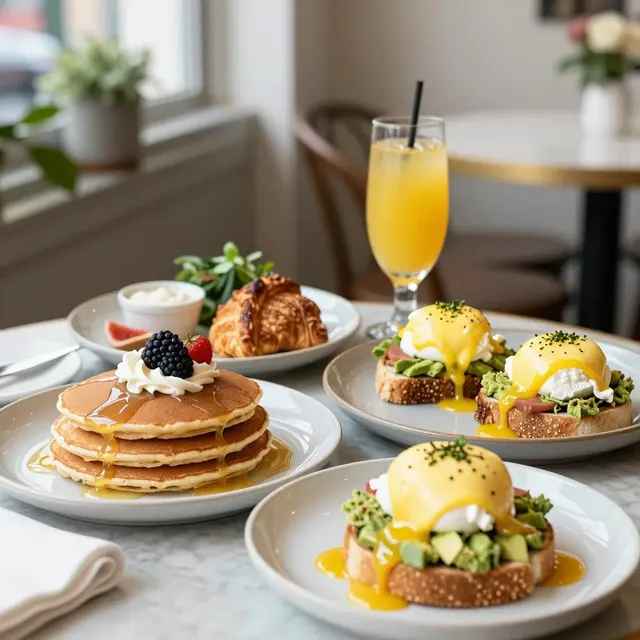
Operational Efficiency: Reducing Wait Times and Errors
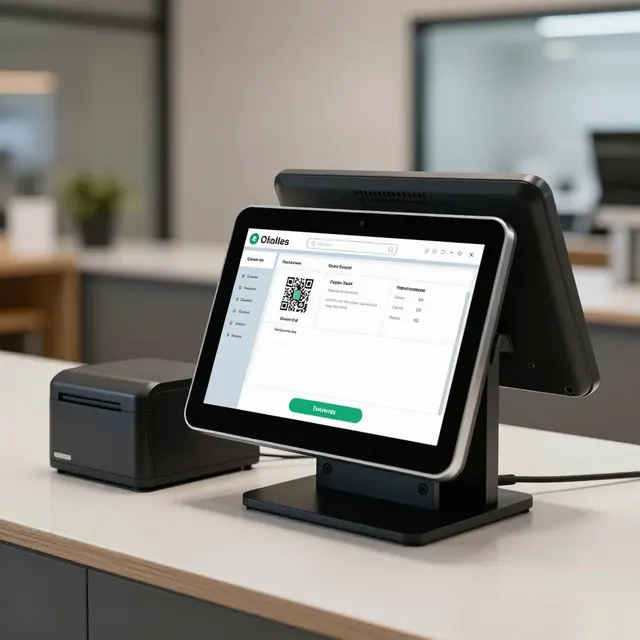
One of the most common complaints from diners is the time spent waiting for a server to take their order. In a new restaurant, this friction can significantly impact your table turnover rate and overall revenue. A digital menu bridges the gap between the customer and the kitchen immediately. When a guest scans a code on the table, the order is transmitted directly to the point-of-sale (POS) system in the kitchen.
This seamless flow offers several tangible benefits. First, it drastically reduces the time spent waiting for the server to return to the table, allowing guests to start eating sooner. Second, it minimizes human error. Misheard orders or items added to the check by mistake are common in busy environments. With a digital interface, the customer selects items directly, ensuring the order is accurate the moment it is placed. This accuracy reduces kitchen rework and improves food cost margins.
For the staff, the operational relief is immense. Servers can focus on hospitality-greeting guests, explaining dishes, and managing the dining room atmosphere-rather than rushing back and forth to write down orders. This shift allows for a more personalized guest experience, which is a key differentiator for new restaurants trying to build a loyal customer base. Even in a fast-paced setting, a digital menu ensures that the pace of the kitchen matches the pace of the dining room, preventing bottlenecks that often occur during the first few weeks of operation.
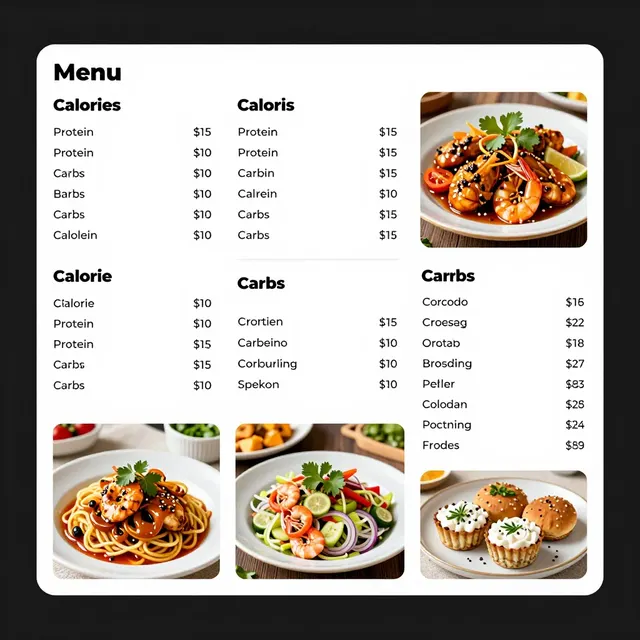
Strategic Growth: Dynamic Updates and Data Insights
Perhaps the most powerful advantage of a digital menu is its ability to evolve. In the early stages of a restaurant's life, menus are often experimental. You might want to test a new appetizer or adjust portion sizes based on early feedback. With a paper menu, these adjustments are slow and costly. With a digital menu, you can update your offerings in real-time. If a popular dish is selling out too fast, you can move it to a "sold out" status instantly. If a supplier changes a price, you can reflect that change across all tables within seconds.
Moreover, digital menus provide valuable data insights that paper menus cannot offer. You can track which items are being ordered most frequently and at what times of day. This data helps you optimize your menu engineering, ensuring that you are promoting your best sellers and identifying underperforming items that need to be tweaked or removed. For example, if you notice that a specific salad is rarely ordered, you might discover through the data that the description was unclear or the image was unappealing. You can then update the description or photo to improve performance.
Seasonal updates are another area where digital menus shine. As the weather changes, you can quickly swap out winter specials for summer fresh picks. This agility keeps your menu fresh and exciting, encouraging repeat visits. Customers appreciate the ability to see current specials without having to ask a server. This interactivity enhances the dining experience and keeps the menu feeling relevant and responsive to current trends.
Implementation Strategy: Setting Up for Success on Launch Day
To ensure a smooth launch, the digital menu setup should be treated with the same rigor as your kitchen equipment installation. Start by defining your brand voice and visual identity. Your menu should reflect the personality of your restaurant. Use fonts, colors, and imagery that align with your interior design and menu descriptions. Consistency across all touchpoints creates a cohesive brand experience.
Next, focus on the user experience (UX). Ensure that the menu loads quickly on various devices and under different lighting conditions. Test the scanning process with multiple types of QR codes (static and dynamic) to ensure reliability. It is crucial to have a backup plan in case of technical issues, such as a static image of your menu printed on the table or a tablet mounted on the table that can be used if the internet connection fails. This redundancy ensures that service never stops, regardless of technology hurdles.
Finally, train your staff thoroughly. Even though the system is digital, your team needs to know how to troubleshoot basic issues and guide guests who might be unfamiliar with scanning a code. Provide them with the confidence to explain the benefits of the digital menu, such as the ability to customize orders or view allergen information. When your staff champions the digital menu, guests are more likely to adopt it willingly.
By integrating a digital menu platform like upQR from your very first day of service, you are not just adopting a tool; you are adopting a philosophy of efficiency, honesty, and sustainability. You are setting a foundation that allows your business to scale without the hidden costs and limitations of traditional printing. As you navigate the challenges of a new opening, remember that the right technology empowers you to focus on what matters most: serving delicious food and creating memorable experiences for your guests.
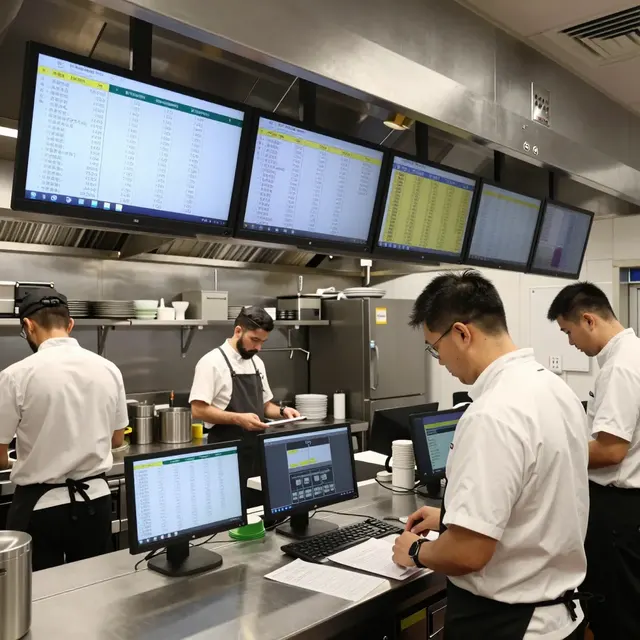
Related Posts
Ready to create your digital menu?
Create your QR menu in minutes and reach your customers in any language.