
Restaurant Data-Driven Decisions: QR Menu to Smart Ops
Transform your cafe with QR menus. Unlock actionable data insights to boost sales, reduce waste, and optimize operations for maximum profit.
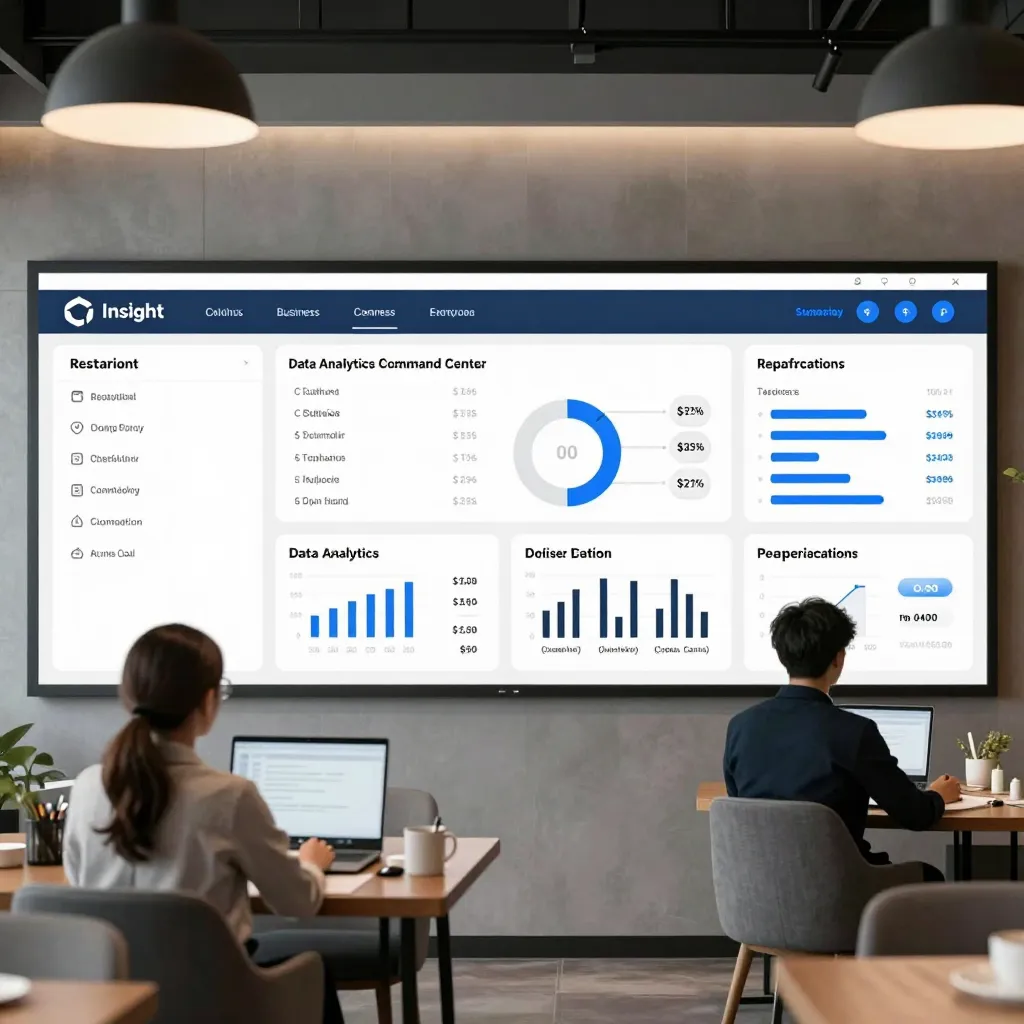
Why Digital Menus Are the New Foundation for Smart Operations
For decades, restaurant owners relied on intuition and past experience to decide what to order, how to price items, and which marketing strategies to deploy. While intuition has its place, the modern dining landscape demands precision. The shift from paper menus to digital QR menus is not merely an aesthetic upgrade; it is the gateway to a data-driven operational model. When a customer scans a QR code to view your menu, they are not just seeing images of food; they are interacting with a data collection point that can revolutionize your business.
According to recent industry reports, restaurants that have digitized their ordering process see a significant increase in order accuracy and customer satisfaction. However, the true power lies in what happens after the order is placed. Every tap, hover, and click generates a data point. These points, when aggregated, tell a story about customer preferences, peak traffic patterns, and the effectiveness of your seasonal promotions. By leveraging this information, you move from guessing what works to knowing exactly what drives your revenue.
Unlocking the Hidden Insights Within Menu Interactions
Many restaurant managers overlook the subtle signals hidden within digital menu analytics. A QR menu platform does more than display prices; it tracks engagement metrics that paper menus can never capture. For instance, you can analyze which menu items are viewed the most versus which ones are ordered the least. This discrepancy often highlights a pricing issue, a description problem, or a visual appeal gap that needs addressing.
Consider the concept of "menu engineering," a strategy used to optimize profitability. With a digital menu, you can instantly see which items fall into the "stars" quadrant (high popularity, high profit) and which fall into "dogs" (low popularity, low profit). If a high-margin item is rarely ordered, the data might show that it is placed at the bottom of the page or lacks an appetizing description. You can A/B test different layouts or descriptions to see if tweaking the presentation boosts the conversion rate of that specific dish. This level of granularity allows for continuous optimization of your food offering based on real-time feedback rather than seasonal guesswork.
- View-to-Order Ratio: If a dish is viewed frequently but ordered rarely, investigate if the price is too high or if the ingredient list contains common allergens that customers are avoiding.
- Time-of-Day Trends: Data can reveal that a specific salad is only popular on weekday lunches but sells poorly on weekends, allowing you to adjust inventory accordingly.
- Geographic Heatmaps: For multi-location franchises, data can show that a specific item performs well in urban locations but poorly in suburban ones, suggesting regional taste preferences.
Optimizing Inventory and Reducing Food Waste Through Analytics
One of the most significant challenges facing restaurants today is food waste, which accounts for a substantial percentage of operational costs. Digital menus provide a powerful tool to combat this issue. By tracking the velocity of your menu items in real-time, you can align your purchasing and prep schedules much more accurately. Instead of ordering ingredients based on a vague estimate of expected sales, you can use historical data from your QR menu system to predict demand with high accuracy.
Imagine a scenario where your data shows that a specific soup sells out 30 minutes before closing time on rainy Tuesdays. With this insight, you can prepare exactly the right amount of ingredients for those specific conditions, ensuring you have enough to meet demand without over-prepping and throwing away leftovers. This dynamic adjustment leads to leaner inventory management, lower holding costs, and a healthier bottom line. Furthermore, integrating your QR menu with your Point of Sale (POS) system allows for automatic synchronization. When an item is flagged as low stock, the system can alert the kitchen manager, preventing the situation where a popular item is sold out before the end of the service, leading to customer frustration and lost revenue.

Personalizing the Guest Experience and Boosting Average Check Size
Data-driven decision making also extends to enhancing the customer experience, which directly correlates to increased loyalty and higher average check sizes. A static paper menu offers a one-size-fits-all approach, whereas a digital QR menu can be programmed to adapt to individual needs. For example, you can segment your customer base based on dietary preferences identified through their menu interactions. If a customer frequently selects options marked "Vegan" or "Gluten-Free," the system can be set to highlight these categories or suggest complementary items that fit their dietary lifestyle.
Personalization is a key driver of modern retail success, and the restaurant industry is no exception. By analyzing purchase history, you can create targeted promotions. If a customer regularly orders a specific coffee blend, sending a push notification about a new flavor of that blend or a loyalty reward for their next visit can be highly effective. This level of personalization makes the guest feel understood and valued, fostering a deeper connection with your brand. Additionally, digital menus allow for dynamic pricing strategies. You can introduce limited-time offers or happy hour specials that appear only during specific windows, encouraging customers to try new items or visit during slower periods, thereby smoothing out revenue fluctuations throughout the week.
Measuring Marketing ROI and Streamlining Operational Workflows
Marketing spend is a major expense for any hospitality business, and knowing the return on investment (ROI) for every campaign is crucial. Traditional marketing methods often make it difficult to track exactly how many new customers were acquired through a specific flyer or social media post. With a QR menu, you can implement unique codes for different marketing channels. For instance, a QR code on a table tent might lead to a slightly different landing page than one on a social media ad. By tracking the source of each scan, you can determine which marketing channels are driving the most traffic and sales. This data allows you to cut the budget for ineffective channels and reinvest in high-performing ones, maximizing your marketing efficiency.
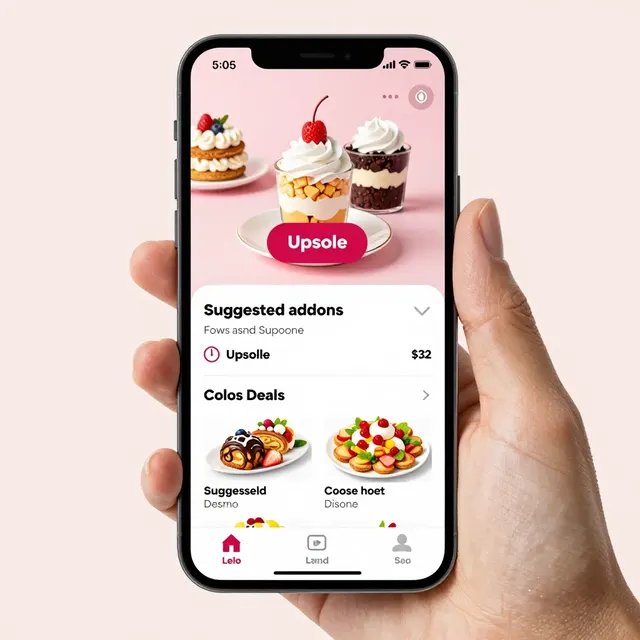
Operational workflows also benefit from data integration. A smart QR menu system can streamline the ordering process by reducing the time staff spend taking orders at tables. This freed-up time allows servers to focus on hospitality and upselling. Moreover, the data collected can inform staffing schedules. If analytics show that order volume spikes at 6:30 PM on Fridays due to a specific event or promotion, you can adjust your staffing levels to ensure you have enough hands on deck to handle the rush without overstaffing during quiet periods. This agility is a hallmark of a truly smart operation, turning raw data into actionable efficiency gains.
Building a Culture of Continuous Improvement with upQR
The journey to a fully data-driven restaurant is not a one-time project but an ongoing process of refinement. The goal is to create a feedback loop where customer interactions inform business decisions, which in turn improve the customer experience. This cycle of continuous improvement is essential for staying competitive in a fast-paced industry. By adopting a platform like upQR, you gain access to a suite of tools designed to make this process seamless. upQR is built on the core values of transparency, sustainability, and universal access, ensuring that your digital transformation is ethical and beneficial for everyone involved.
With upQR, you can effortlessly track the performance of your menu items, manage your inventory with precision, and personalize the guest experience without the need for complex technical setups. The platform provides clear, actionable dashboards that translate complex data into easy-to-understand insights, empowering you to make confident decisions. Whether you are a single-location cafe or a growing chain, the ability to leverage data is the key to unlocking new growth opportunities. Embrace the shift from intuition-based to data-driven operations, and watch your restaurant thrive in the digital age. Start transforming your menu today and discover the power of data to drive your success.
Related Posts
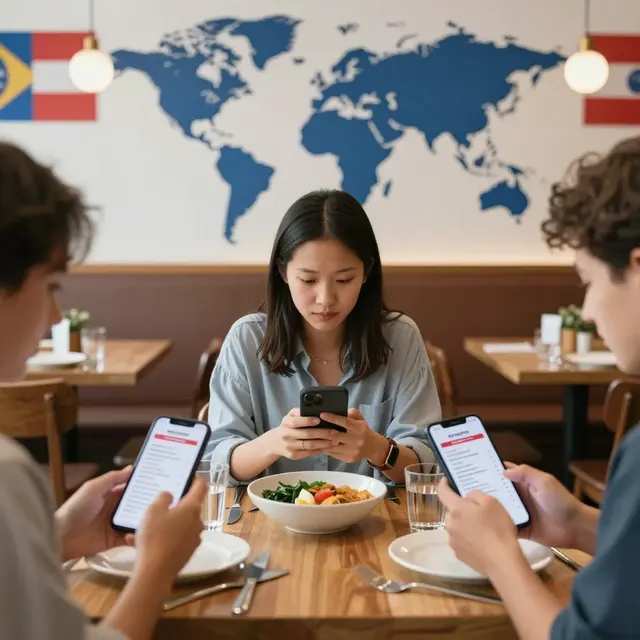
Ready to create your digital menu?
Create your QR menu in minutes and reach your customers in any language.