
Restaurant Marketing Strategies That Work in 2026
Discover proven marketing tactics for restaurants and cafes in 2026. Learn how to boost foot traffic, optimize digital menus, and increase customer loyalty with data-driven strategies.
Why Digital Transformation Is Non-Negotiable in 2026
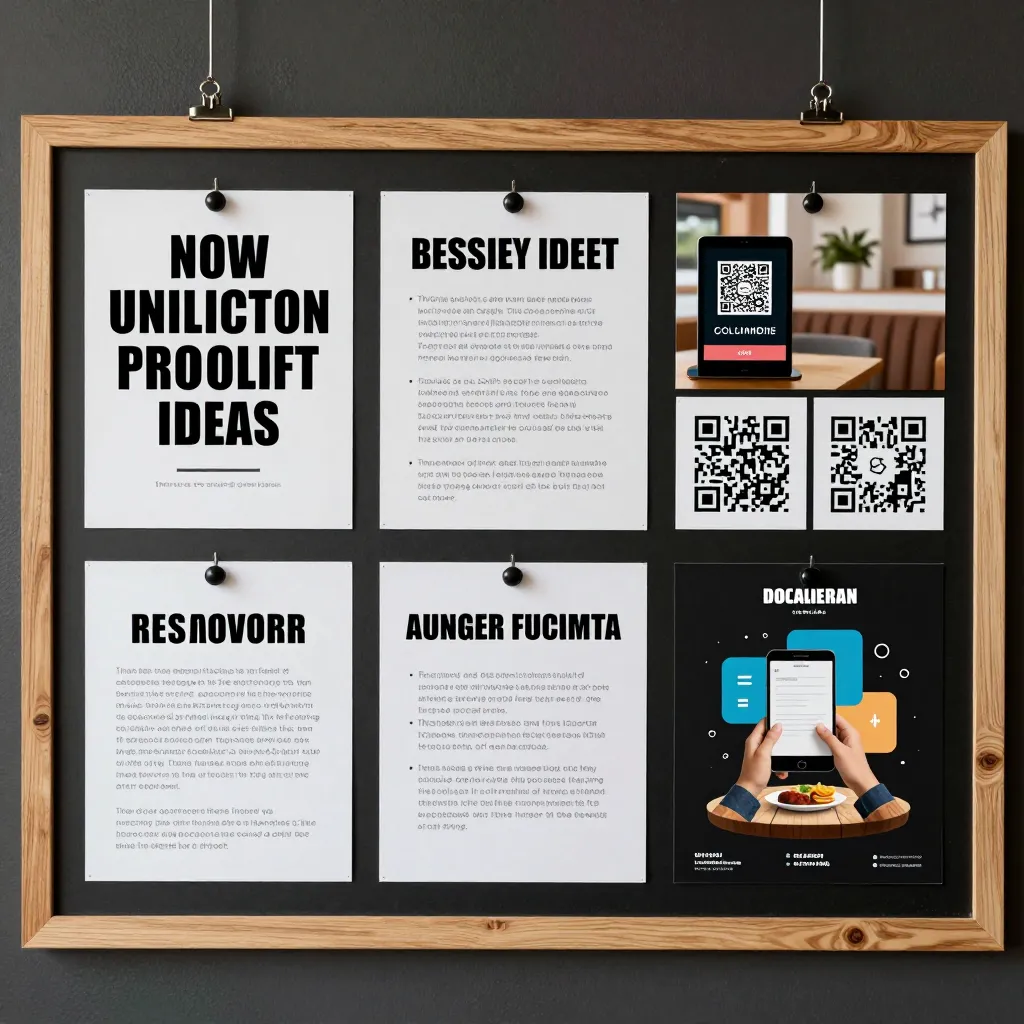
The landscape of restaurant marketing has shifted dramatically over the last few years, and by 2026, digital transformation is no longer a competitive advantage-it is a survival necessity. According to recent industry reports, over 85% of diners expect a seamless digital experience, from browsing a menu on their phone to paying via mobile devices. For restaurant owners and cafe managers, ignoring this trend means risking irrelevance. The integration of digital tools, such as contactless payment systems and online reservation platforms, has become the new baseline for customer expectation.
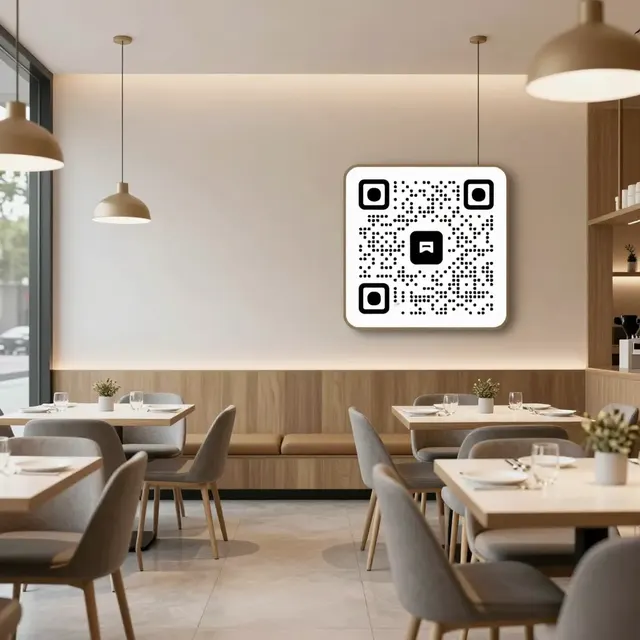
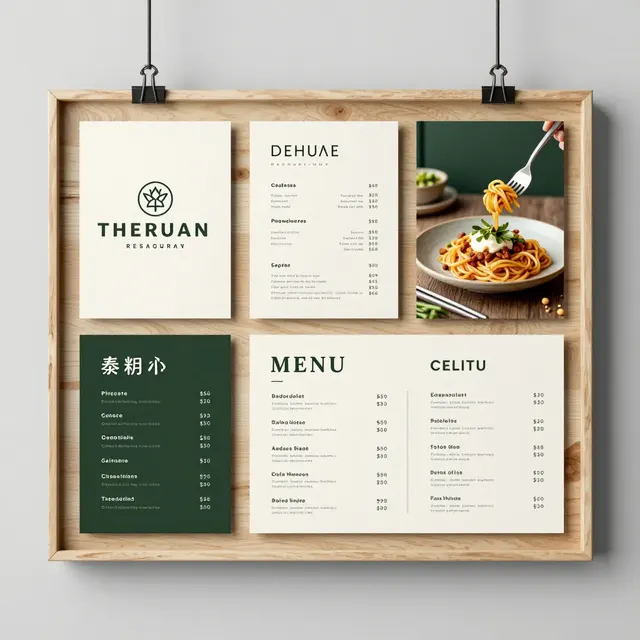
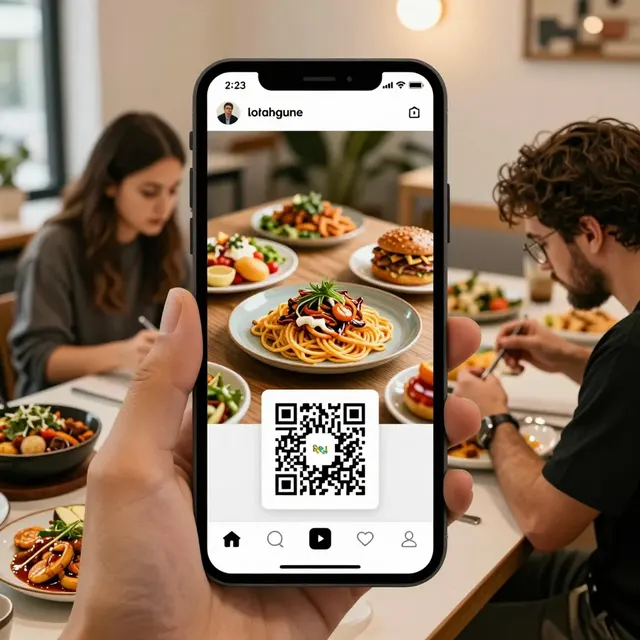
At the heart of this digital evolution is the QR code menu. In 2026, a static PDF menu is considered obsolete, much like a paper-only receipt. Customers demand interactivity, accessibility, and the ability to customize their dining experience instantly. This is where platforms like upQR come into play, offering not just a digital menu, but a dynamic marketing channel. By utilizing a sophisticated QR menu system, restaurants can update prices, highlight seasonal specials, and showcase high-resolution images of dishes in real-time. This agility allows owners to react to inventory changes or trending food items instantly, ensuring that the menu on the table matches the kitchen's reality.
Furthermore, the data collected through these digital interfaces provides invaluable insights. Unlike a paper menu where you only know what is ordered at the end of the night, a digital system tracks exactly which items are viewed, how long customers spend on certain pages, and which promotions are most effective. This data empowers managers to make informed decisions about inventory management and menu engineering, directly impacting the bottom line. In an era where margins are tight, leveraging technology to reduce waste and optimize ordering is essential for profitability.
Leveraging Hyper-Local SEO and Google Business Profile Optimization
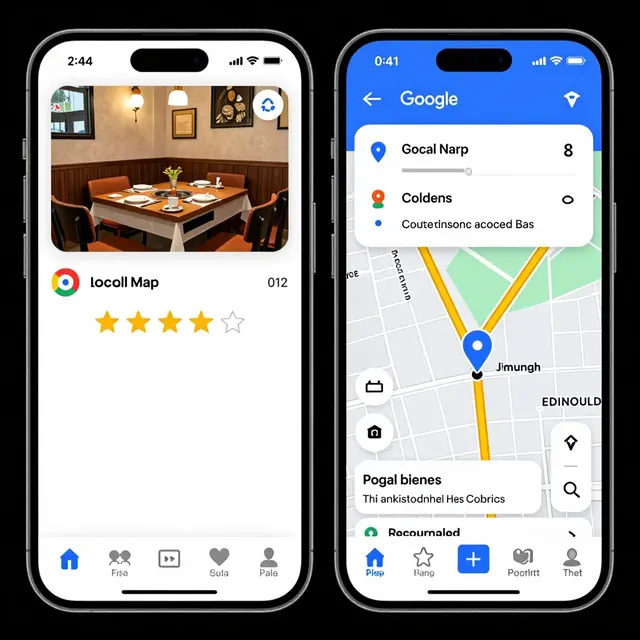
While a digital menu is crucial, getting customers to find you in the first place requires a robust local SEO strategy. In 2026, the majority of restaurant searches happen on mobile devices with intent to visit within 24 hours. This "near me" search behavior means that your Google Business Profile (GBP) is your most valuable real estate on the web. Optimizing this profile is not just about filling out a form; it is about managing your digital reputation and visibility.
Start by ensuring your business name, address, and phone number (NAP) are consistent across all online directories. Inconsistencies here confuse search engines and potential customers. Next, focus on generating and responding to reviews. A restaurant with a 4.5-star rating and recent, positive reviews will significantly outperform one with outdated or negative feedback. Encourage happy customers to leave reviews immediately after their visit, perhaps by including a QR code on the receipt that links directly to your review page. When responding to reviews, do so professionally and promptly. Acknowledging a complaint publicly shows potential diners that you care about customer satisfaction, which can turn a negative experience into a positive impression.
Content is also king in local SEO. Regularly update your GBP with photos of your new dishes, the interior of your cafe, and your team. Fresh content signals to Google that your business is active and relevant. Additionally, publish blog posts on your website that target long-tail keywords related to your location and cuisine. For example, instead of just targeting "best pizza," target "best gluten-free pizza in downtown Seattle." This specificity captures high-intent traffic. By combining a strong local SEO presence with a high-quality digital menu hosted on upQR, you create a cohesive ecosystem that drives organic traffic and enhances the user experience for every visitor who lands on your site.
Building Community Through Authentic Social Media Marketing
Social media in 2026 is less about broadcasting and more about building community. Restaurant marketing strategies that worked five years ago-posting polished photos and hoping for engagement-are largely ineffective now. Today's diners crave authenticity, behind-the-scenes content, and a genuine connection with the people behind the food. Platforms like Instagram, TikTok, and even LinkedIn (for B2B or corporate dining) are essential tools for telling your brand story.
Content should be diverse and engaging. Share videos of your chefs preparing signature dishes, interviews with your barista about their favorite brewing methods, or stories about the local farmers you source from. User-Generated Content (UGC) is particularly powerful; repost photos of customers enjoying your food, always tagging them and thanking them. This not only validates their experience but also provides you with fresh, authentic marketing material. Collaborations with local influencers can also yield significant results. Instead of paying for expensive sponsored posts, look for micro-influencers in your area who have a highly engaged local following. Invite them for a complimentary meal in exchange for an honest review or a creative video feature. These partnerships often feel more organic and trusted by the local audience.
Engagement is key. Respond to comments and direct messages quickly. Ask questions in your captions to spark conversation. Run interactive polls or Q&A sessions where followers can vote on the next seasonal cocktail or pick the dessert of the month. This inclusivity makes customers feel like part of the family and fosters a sense of loyalty. When customers feel connected to a brand, they are more likely to become repeat visitors and advocates. Your social media strategy should reflect the personality of your establishment, whether that is a cozy, rustic cafe or a sleek, modern bistro. Consistency in tone and visual style across all platforms reinforces your brand identity.
The Power of Personalization and Loyalty Programs
Acquiring a new customer is significantly more expensive than retaining an existing one. Studies suggest that increasing customer retention rates by just 5% can increase profits by 25% to 95%. To achieve this, restaurants must implement effective loyalty programs that go beyond simple punch cards. In 2026, the expectation is for seamless, app-based or digital loyalty systems that offer personalized rewards.
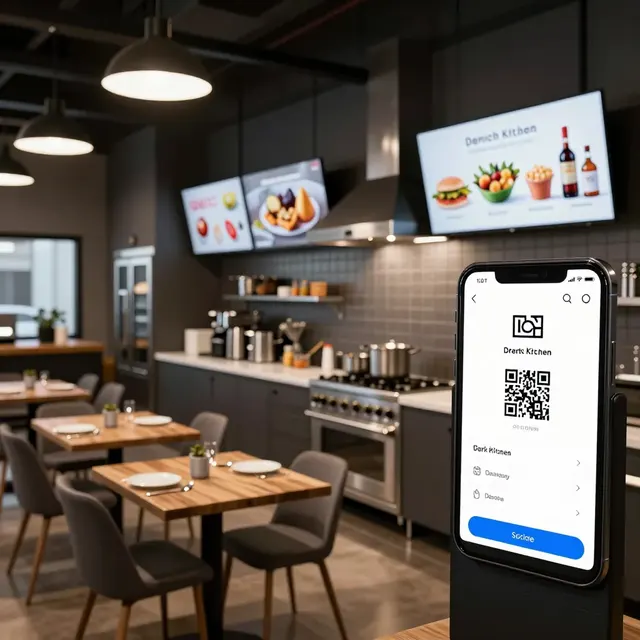
A digital menu platform like upQR can integrate with loyalty programs to streamline this process. Imagine a customer scanning a QR code to order food, and simultaneously being prompted to join your loyalty program with a single tap. They could earn points for every dollar spent, which can be redeemed for free appetizers, discounts on drinks, or even a free meal after a certain number of visits. Personalization takes this a step further. If a customer frequently orders a specific coffee blend or a particular steak cut, the system can alert the server or automatically suggest that item to the customer with a special note. This level of attention makes the customer feel valued and understood.
Don't forget the power of email and SMS marketing. Collect contact information through your digital menu or reservation system. Send out newsletters featuring upcoming events, new menu items, or exclusive offers for subscribers. However, be mindful of frequency and relevance. A well-crafted email that offers a "flash sale" for a specific dish or invites customers to a private tasting event has a much higher open rate than generic spam. Segment your audience based on their preferences and visit history. Send birthday discounts to those who remember their special day, or offer a "welcome back" coupon to those who haven't visited in a while. These small gestures have a cumulative effect on customer lifetime value.
Optimizing for Mobile-First Dining Experiences
Mobile optimization is not just a nice-to-have; it is a requirement. In 2026, the majority of traffic to restaurant websites and digital menus comes from smartphones. If your digital menu is not mobile-friendly, loads slowly, or has tiny text, you are losing sales. A mobile-first approach means designing your digital experience with the constraints and behaviors of mobile users in mind.
Speed is critical. Users have short attention spans and often scan menus while standing in line or waiting for a table. If your menu takes more than three seconds to load, a significant percentage of users will bounce to the next option. Ensure your images are optimized for web performance without sacrificing quality. Use a clean, intuitive interface that allows users to filter by dietary restrictions, allergens, or price range. These features not only improve the user experience but also help customers make faster decisions, which can reduce wait times for servers and improve table turnover.
Consider the payment experience. Frictionless payment is the ultimate goal. Integrating a payment gateway directly into your digital menu allows customers to order and pay without ever leaving their seats or waiting for a server to bring a check. This reduces errors, speeds up the checkout process, and enhances the overall dining experience. It also frees up your staff to focus on hospitality and tableside service rather than taking orders or processing payments. By investing in a robust, mobile-optimized digital solution, you are signaling to your customers that you value their time and convenience.
Conclusion
Marketing for restaurants in 2026 requires a blend of traditional hospitality warmth and cutting-edge digital technology. Success comes from understanding your customers' evolving expectations and providing them with seamless, personalized, and engaging experiences. From optimizing your Google Business Profile to leveraging the power of social media and implementing smart loyalty programs, there are many avenues to explore. However, the foundation of all these strategies is a high-quality digital presence that puts the menu at the center of the interaction. This is where upQR excels, providing the tools necessary to create a dynamic, data-driven, and customer-centric dining experience. By adopting these strategies and utilizing platforms like upQR, restaurant owners and cafe managers can not only survive but thrive in a competitive market, building lasting relationships with their patrons and driving sustainable growth for their businesses.
Related Posts
Ready to create your digital menu?
Create your QR menu in minutes and reach your customers in any language.