
New Year, New Menu: Refresh Your Digital Presence
Discover how to revitalize your restaurant's brand with a modern digital menu. Learn practical steps to boost sales and customer engagement this year.
Why a New Year Demands a Menu Overhaul
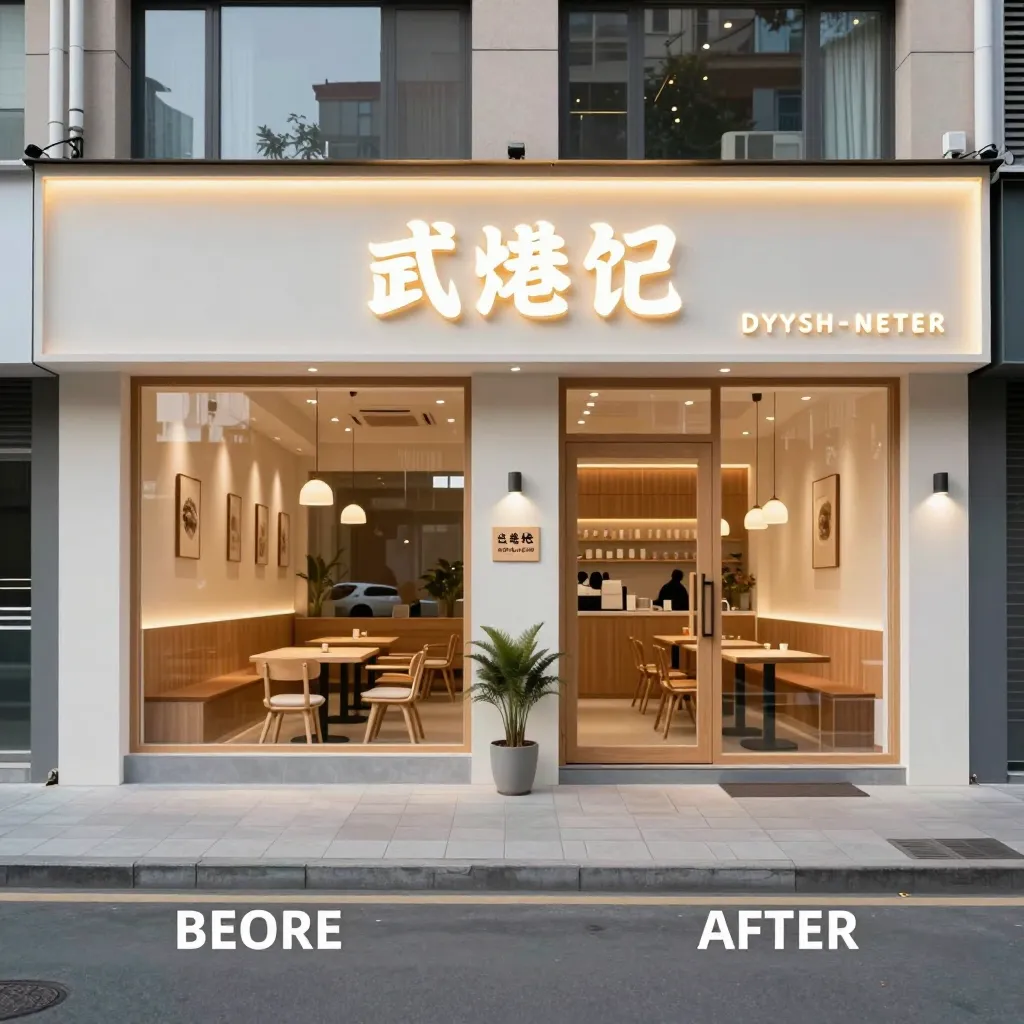
The calendar flip to January is more than just a date change; it is a powerful psychological trigger for consumers to start fresh. In the restaurant industry, this momentum is critical. According to recent hospitality trends, nearly 60% of diners are more likely to try a new venue in the first quarter of the year. This is the perfect time to audit your digital presence. A stale menu design or outdated menu logic can silently kill your revenue before the first guest even sits down.
Your digital menu is not merely a list of food items; it is a digital storefront that operates 24/7. It is the first point of contact between your brand and a potential customer who is scrolling through their phone, hungry and impatient. If your current digital presence feels cluttered, slow, or aesthetically dated, you risk losing that crucial three-second attention span. Refreshing your menu this New Year is an investment in your brand's perceived value. It signals to your customers that you are innovative, attentive to detail, and committed to providing a high-quality dining experience.
Consider the ripple effect of a digital refresh. When you update your menu, you aren't just changing text; you are updating the entire narrative of your establishment. Are you pivoting to seasonal ingredients? Do you need to highlight new dietary options like keto or vegan? Perhaps you want to streamline your pricing strategy. Every element of your digital menu should serve a strategic purpose. By taking the time to curate and design your menu for the new year, you align your physical offerings with your digital promise, creating a cohesive brand identity that resonates with modern diners.
Strategic Content: Curating the Perfect Menu
The first step in refreshing your digital presence is content curation. A common mistake restaurant owners make is trying to list every single item they have available. This creates a "menu fatigue" where the customer feels overwhelmed and unsure of where to start. Instead, aim for a curated selection that highlights your best sellers and seasonal favorites.
Start by analyzing your sales data from the previous year. Which items consistently sold well? Which ones were ordered frequently but had low profit margins? Use this data to refine your digital menu. For the new year, consider launching a "Chef's Special of the Month" or a limited-time offer to create a sense of urgency. This strategy not only keeps the menu fresh but also encourages customers to explore new flavors they might not have tried otherwise.
Another vital aspect of content strategy is the inclusion of high-quality descriptions. Diners today are visual and emotional eaters. Do not simply list "Grilled Chicken Salad." Instead, describe it as "Herb-crusted grilled chicken breast served over a crisp mix of arugula, sun-dried tomatoes, and a zesty lemon vinaigrette." These sensory details help customers imagine the taste and texture, increasing the likelihood of them ordering the item. Furthermore, clearly labeling allergens and nutritional information is no longer optional; it is a standard of care that builds trust with health-conscious consumers.
Don't forget to integrate storytelling into your menu items. Share the origin of your ingredients or the story behind a signature dish. For example, if you source your coffee beans from a specific local farm, mention that connection. This adds a layer of authenticity that generic templates cannot provide. When customers feel a connection to the food, they are more likely to become loyal advocates for your brand.
Visual Excellence: Designing for the Mobile Experience
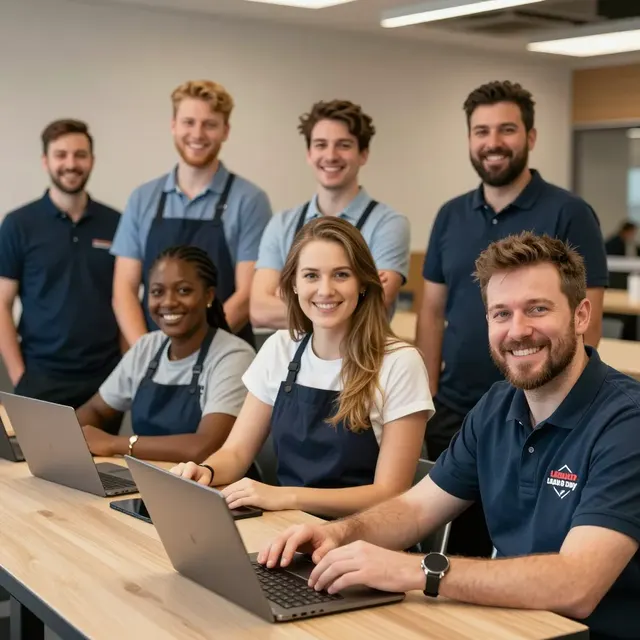
While content is king, design is queen, especially in the digital realm. Most of your customers will be viewing your menu on a smartphone. Therefore, your visual design must be mobile-first. This means ensuring that images are high-resolution but load quickly, even on slower mobile networks. Blurry or pixelated images can make your restaurant appear cheap and unprofessional, instantly driving away potential customers.
When selecting images, avoid stock photos that look too generic. Instead, use authentic photography of your actual dishes. Lighting plays a crucial role here; ensure your food looks appetizing and warm. A well-lit photo of a steaming bowl of soup can be the difference between a sale and a scroll past. Consistency in your visual style is also key. Use a color palette that reflects your brand identity. If your brand is rustic and cozy, use warm earth tones. If your brand is modern and sleek, stick to monochromatic schemes with bold accents.
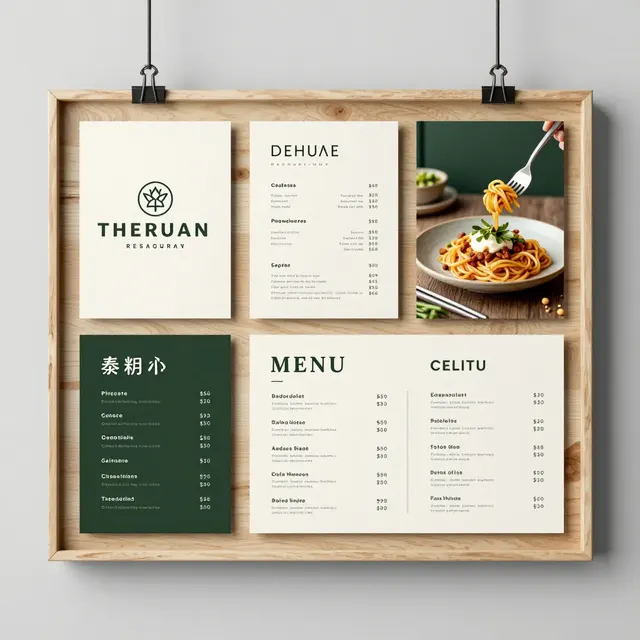
Layout and typography are equally important. Ensure that the font sizes are large enough to be read easily on small screens. A cluttered menu with tiny text frustrates users and increases the bounce rate. Group your items logically with clear categories. Use visual cues like icons or subtle borders to separate sections like "Starters," "Mains," and "Desserts." Remember, the goal is to make the ordering process as frictionless as possible. If a customer has to tap and scroll ten times to find their desired item, they might just order from a competitor nearby.
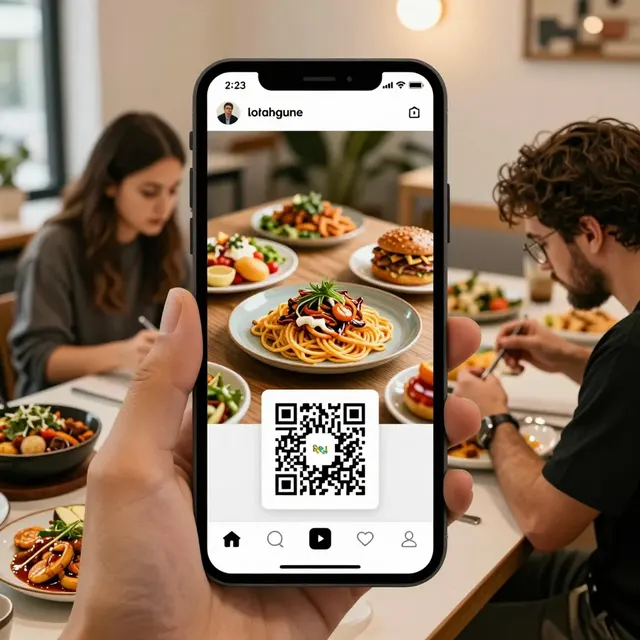
Interactive elements can also enhance the visual experience. Consider adding a section for customer reviews or user-generated content, such as photos taken by guests. Social proof is a powerful tool that can influence ordering decisions. When a customer sees a picture of a delicious-looking burger uploaded by a friend, it validates the quality of the food and builds confidence in the ordering decision.
Technical Performance: Speed and Reliability
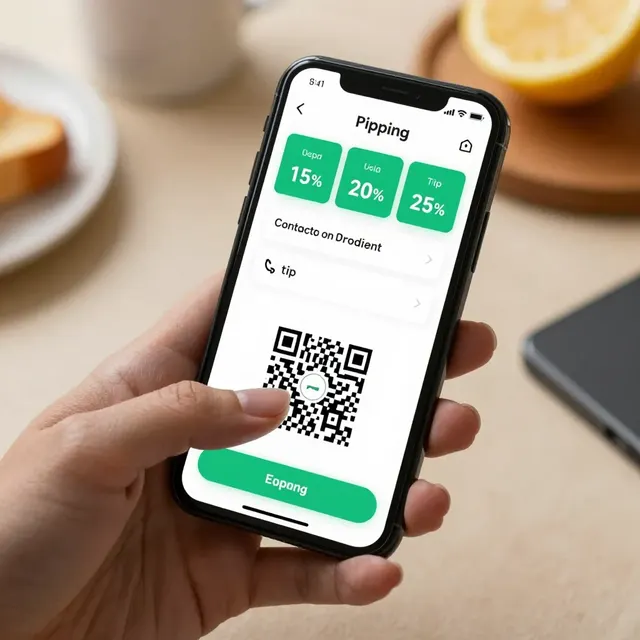
A beautiful menu with great content is useless if it fails to load. In the digital age, speed is a luxury that customers expect. If your menu takes more than three seconds to load, you will lose a significant percentage of your traffic. According to Google, half of all mobile users will stop engaging with a website if it takes longer than three seconds to load. This statistic is critical for restaurant owners to understand. You cannot afford to have a digital presence that lags or crashes during peak dinner rushes.
To ensure technical reliability, your digital menu platform must be robust. It should support multiple devices, including tablets, smartphones, and smart TVs. If a customer brings their own device to the table, the menu should automatically adjust its layout to fit their screen perfectly. This responsiveness is a hallmark of a professional digital presence. Additionally, ensure that your menu is accessible. This means complying with accessibility standards so that customers with visual impairments can also navigate your menu using screen readers.
Another technical consideration is data security. Customers are increasingly concerned about their privacy. Ensure that your digital menu platform uses secure protocols to protect customer data. If you are collecting emails or phone numbers for marketing purposes, you must be transparent about how that data is used. Building trust through transparency is essential for long-term customer relationships. Regularly updating your software and security protocols will also protect your business from potential cyber threats.
Monitoring your menu's performance is also part of the technical strategy. Use analytics tools to track which items are viewed most often, how long customers spend on the menu, and where they drop off. This data can provide valuable insights into customer behavior. For instance, if customers frequently skip the dessert section, you might want to rethink the placement or description of your desserts. Data-driven decisions allow you to optimize your menu continuously, ensuring that your digital presence evolves alongside customer preferences.
Engagement Strategies: Driving Action and Loyalty
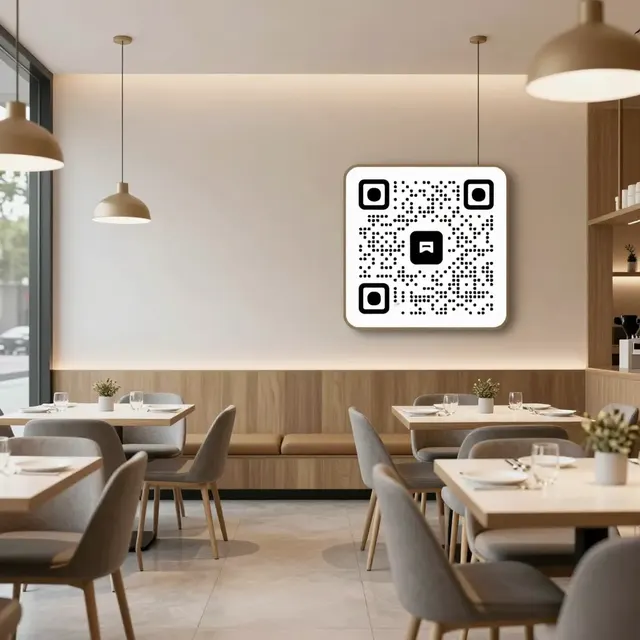
A static digital menu is a missed opportunity. The new year is the ideal time to implement engagement strategies that turn casual browsers into loyal customers. One effective method is to integrate loyalty programs directly into your digital menu. When a customer scans the QR code, they can instantly sign up for a rewards program. Offer a small incentive, such as a free appetizer on their next visit, to encourage them to join. This not only captures customer data but also increases the frequency of visits.
Dynamic content updates are another powerful engagement tool. You can change your menu in real-time to reflect inventory levels or special events. For example, if you are running out of a popular ingredient, you can temporarily remove that item from the digital menu rather than listing it as unavailable later. This prevents customer frustration and maintains your reputation for honesty. Similarly, you can push notifications to customers who have opted in, alerting them to new menu items or exclusive offers.
Consider adding a "Share" button to your digital menu. This feature allows customers to easily share your menu on social media with a single tap. When customers share your menu, they are essentially doing free marketing for your brand. In exchange, you can offer a discount or a freebie when they use a specific promo code generated from the share feature. This creates a win-win situation where both you and the customer benefit from the interaction.
Finally, gather feedback directly through your digital menu. Include a simple survey at the end of the menu asking customers about their dining experience. Ask specific questions like "How was our service?" or "What is one thing we could improve?" This shows that you value customer opinions and are committed to continuous improvement. Use this feedback to make tangible changes to your menu or service, and then communicate those changes to your customers. This closes the loop and demonstrates that you listen to your patrons, fostering a sense of community and loyalty.
Conclusion
Refreshing your restaurant's digital presence for the new year is a strategic move that yields immediate and long-term benefits. By curating your content, designing for mobile, ensuring technical speed, and implementing engagement strategies, you create a digital menu that not only showcases your food but also elevates your entire brand. In a competitive market, standing out requires more than just great food; it requires a seamless, engaging, and professional digital experience. This is where upQR comes in. As a leading digital QR menu platform, upQR provides the tools and infrastructure you need to execute this refresh effortlessly. With upQR, you can easily update your menu items, manage your digital design, and track performance metrics all from one intuitive dashboard. Don't let your digital presence become a liability; make it an asset that drives growth and customer satisfaction this year.
Related Posts
Ready to create your digital menu?
Create your QR menu in minutes and reach your customers in any language.