
Green Dining: The Impact of Digital vs. Paper Menus
Discover how switching to digital menus reduces waste, saves costs, and boosts your restaurant's eco-friendly reputation with upQR.
Why Restaurants Are Embracing the Digital Menu Revolution
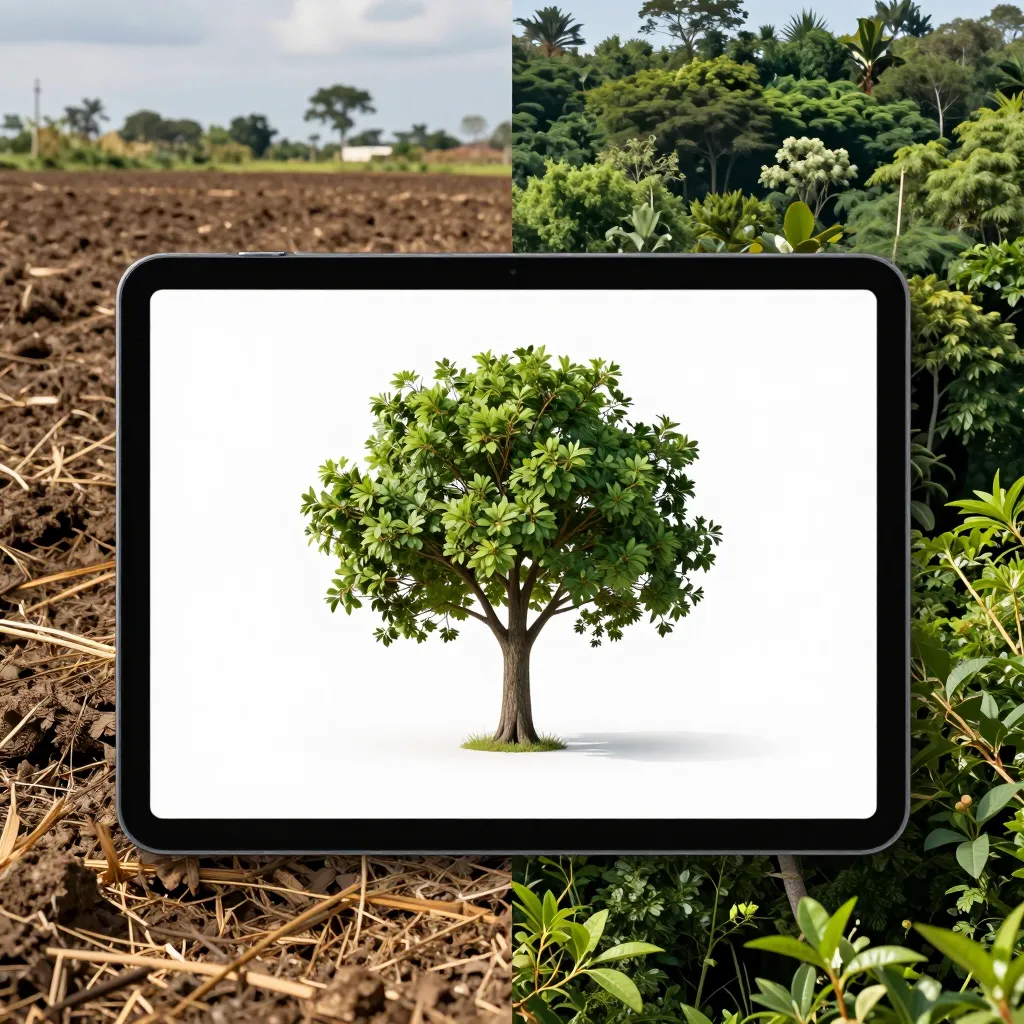
The restaurant industry is facing a dual challenge: rising operational costs and increasing pressure from consumers to adopt sustainable practices. For years, the standard operating procedure for serving guests was a stack of glossy paper menus. While convenient for staff, these paper items contribute significantly to landfill waste, especially when menus are updated frequently to reflect seasonal ingredients or price changes. According to recent industry data, the global restaurant market generates millions of tons of paper waste annually, much of which comes from single-use menu cards. By transitioning to a digital format, establishments can drastically reduce their carbon footprint while simultaneously streamlining their operations. The shift is not merely about saving trees; it is about modernizing the customer experience and aligning business practices with the values of the modern diner who increasingly prioritizes sustainability.
When a restaurant owner decides to switch from paper to digital, the environmental benefits are immediate and measurable. A single paper menu requires paper pulp, ink, and energy for printing and shipping. If a restaurant prints a new menu every month to keep up with seasonal offerings, the waste accumulation is staggering. Digital solutions eliminate this recurring waste entirely. Furthermore, digital menus reduce the need for physical storage space in the kitchen or dining area, allowing for a more efficient use of resources. This transition sets a powerful precedent for the rest of the supply chain, encouraging vendors to adopt greener packaging and logistics practices.
Quantifiable Environmental Benefits of Going Digital
One of the most compelling arguments for adopting a digital menu platform like upQR is the ability to track and quantify environmental impact. Let's look at the tangible statistics. A standard paper menu weighs approximately 50 to 100 grams, depending on the thickness and coating. A typical bistro might serve 200 covers a day. If they replace their menu every three months, that's roughly 2,000 to 4,000 menus used before a single reprint is needed. Over a year, a busy restaurant could discard over 10,000 paper menus, each containing resources that were extracted and processed just to be thrown away. In contrast, a digital menu exists on a server, accessible instantly to every guest without consuming any additional physical resources per visit.
Beyond just the menus themselves, the environmental impact extends to the lifecycle of the product. Paper menus often end up in landfills where they decompose slowly, releasing methane, a potent greenhouse gas. Digital menus, hosted on a secure cloud platform, do not generate waste at the point of service. The energy required to host a digital menu is negligible compared to the cumulative energy and water usage involved in printing, transporting, and disposing of thousands of paper copies. Additionally, digital menus often come with features like "dark mode" or optimized images that reduce the energy consumption of the devices displaying them, further lowering the overall carbon footprint of the dining experience.
- Zero Waste per Guest: Every time a guest scans a QR code, no paper is consumed. This scales linearly with business growth, meaning the environmental benefit grows as the restaurant becomes more successful.
- Reduced Chemical Usage: Printing processes involve inks, toners, and solvents that can be harmful to the environment if not disposed of properly. Digital menus eliminate the need for these chemicals entirely.
- Lower Carbon Footprint: By removing the need for frequent reprinting and shipping, restaurants can significantly cut down on the transportation emissions associated with supply chain logistics.
Enhancing the Customer Experience Through Sustainability
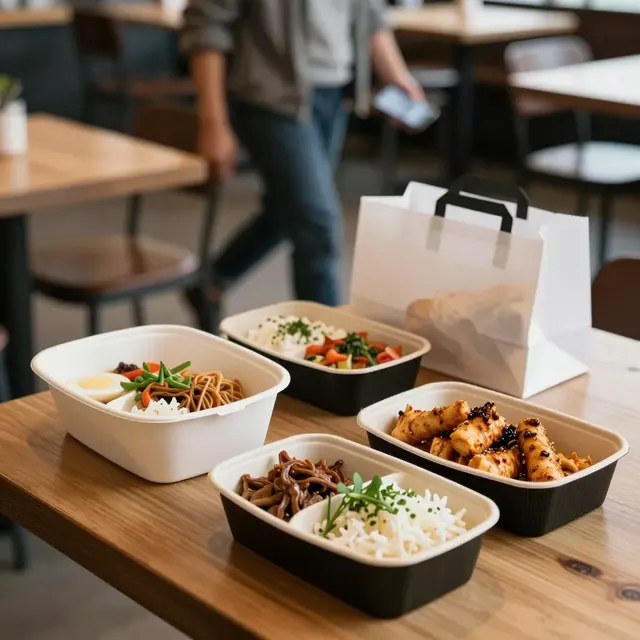
Sustainability is no longer just a buzzword; it is a key driver of customer loyalty. Modern diners, particularly younger generations like Millennials and Gen Z, actively seek out businesses that demonstrate a commitment to the planet. When a restaurant adopts a digital menu, they are sending a clear message: "We care about the environment." This perception can be a decisive factor in a guest's choice of where to dine. Studies have shown that consumers are willing to pay a premium for products and services that are perceived as eco-friendly. By offering a seamless, app-based or QR-code-based ordering experience, restaurants can elevate the perceived value of their brand.
The transition to digital menus also enhances the overall dining experience in ways that align with eco-conscious values. Imagine a guest who wants to order a plant-based meal but is unsure about the ingredients. With a digital menu, they can instantly access detailed information about sourcing, allergens, and sustainability practices without flipping through pages of paper. This transparency fosters trust and encourages responsible consumption. Moreover, digital menus allow for dynamic content updates. If a restaurant wants to highlight their locally sourced ingredients or promote a "zero-waste" initiative, they can do so instantly. This agility ensures that the information presented to the guest is always current and relevant, reducing the likelihood of confusion or dissatisfaction that might arise from outdated paper menus.
Furthermore, the convenience of digital menus reduces friction in the ordering process. Guests can browse at their own pace, use filters to find specific dietary needs, and place orders directly to the kitchen. This efficiency reduces the time waitstaff spend circulating tables, which in turn lowers the overall energy consumption of the restaurant. The integration of digital menus with loyalty programs and feedback collection tools also creates a more engaged customer base. Guests who feel their values are respected by the business are more likely to return, creating a virtuous cycle of sustainability and growth.
Practical Strategies for a Smooth Transition
Switching from paper to digital menus is a strategic decision that requires careful planning to ensure success. For restaurant owners and cafe managers, the transition should be viewed as an opportunity to modernize, not just a cost-cutting measure. Here are practical steps to facilitate a smooth adoption of digital menus:
- Choose the Right Platform: Not all digital menu solutions are created equal. Look for a platform that offers customization, ease of use, and robust security features. Ensure the platform is mobile-responsive, as most guests will access the menu via smartphones. Features like offline mode are crucial for areas with poor connectivity.
- Train Your Staff: Your team is the face of your restaurant. Ensure they are comfortable using the new system and can guide guests on how to access the digital menu. Staff should be able to answer questions about the technology and the environmental benefits of the switch confidently.
- Update Content Regularly: One of the biggest advantages of digital menus is the ability to update content instantly. Create a workflow for updating seasonal items, prices, and descriptions. This ensures that the menu reflects the current state of the kitchen and avoids the waste of printing errors.
- Communicate the Change: Inform your existing customers about the switch. You can place a small sign at the entrance or table explaining that the restaurant has gone digital to reduce waste. This transparency can turn a potential inconvenience into a positive brand moment.
- Optimize Images and Load Times: High-quality images are essential for appetizing food presentation, but heavy images can slow down loading times. Compress images without losing quality to ensure a smooth user experience. A slow-loading menu can frustrate guests and lead to a negative first impression.
Consider the specific needs of your establishment. A high-end fine dining restaurant might prioritize a sleek, minimalist design with detailed ingredient sourcing stories. A casual cafe might focus on speed and ease of use, with clear categories for quick bites. Tailor your digital menu to reflect your brand identity while maintaining the core goal of sustainability. Remember that the technology is a tool to enhance your service, not replace it. The human touch of a waiter explaining a dish remains invaluable, and digital menus can complement this by providing the guest with more time to enjoy their conversation.
Future-Proofing Your Business with Eco-Conscious Technology
As the world moves towards a more sustainable future, businesses that fail to adapt risk becoming obsolete. The restaurant industry is evolving rapidly, and digital menus are at the forefront of this evolution. By adopting digital solutions now, restaurants can future-proof their operations against regulatory changes, consumer expectations, and resource scarcity. Governments around the world are increasingly implementing regulations to reduce single-use plastics and paper waste. Being ahead of these curves ensures compliance and avoids potential fines or restrictions.
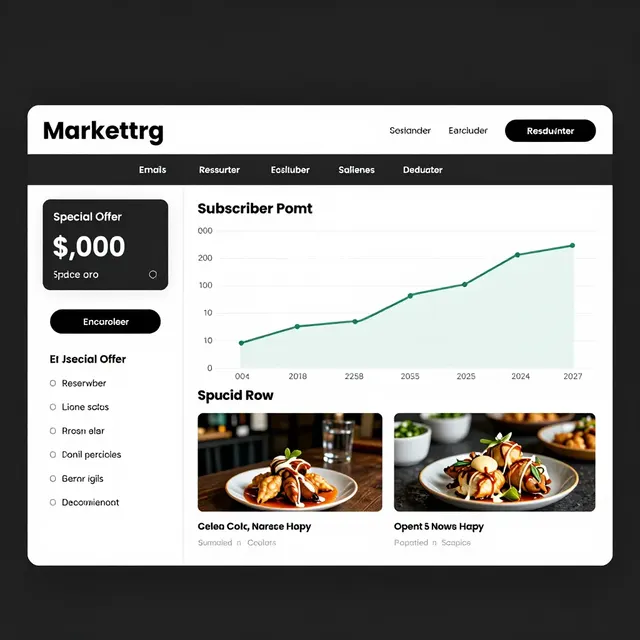
Moreover, the data collected from digital menus can provide valuable insights into customer behavior. Restaurants can analyze which items are most popular, peak ordering times, and even track the effectiveness of different menu descriptions. This data-driven approach allows for more informed decisions about menu engineering and inventory management, further reducing waste. For example, if a dish is frequently ordered but often goes to waste due to poor preparation, the data can help the kitchen adjust portion sizes or cooking times. This level of precision is impossible with paper menus, which offer no feedback loop.
Investing in a digital menu platform is an investment in the longevity of your business. It signals to investors, partners, and customers that you are forward-thinking and responsible. The initial setup cost is often outweighed by the long-term savings on printing, storage, and waste disposal. Additionally, the positive brand association with sustainability can lead to increased foot traffic and higher customer retention rates. In a competitive market, being the restaurant that cares about the planet can be the unique selling proposition that sets you apart.
The journey to a greener future starts with small, actionable steps. Switching from paper to digital menus is one of the most impactful changes a restaurant can make. It reduces waste, lowers costs, and enhances the customer experience. With the right tools and a committed mindset, any restaurant can lead the way in sustainable dining practices. The technology is accessible, the benefits are clear, and the time to act is now.
Related Posts
Ready to create your digital menu?
Create your QR menu in minutes and reach your customers in any language.