
Top Restaurant Reservation Systems Integrating with QR Menus
Discover the best reservation platforms that seamlessly integrate with digital QR menus. Learn how to streamline bookings, manage tables, and enhance customer experience.
Why Integrating Reservations with QR Menus Matters
In the modern dining landscape, the line between ordering and booking has blurred. Customers expect a seamless digital experience where they can reserve a table and view the menu on their smartphone before even stepping into the restaurant. This integration is not just a convenience; it is a strategic necessity for managing high-volume periods and reducing no-shows. When a reservation system works hand-in-hand with a QR menu platform like upQR, you create a unified ecosystem that simplifies operations for staff and offers clarity for diners.
The synergy between these two tools is powerful. A customer scans a QR code at the host stand, sees an upQR menu with allergen warnings and nutritional facts, and then clicks a button to reserve their table for the same visit. This eliminates the friction of opening multiple apps or searching for separate booking links. For restaurant owners, this means better data consolidation. You no longer have to reconcile separate spreadsheets for reservations and sales data from QR code scans. Instead, you get a holistic view of your restaurant's performance, allowing for more informed decisions about staffing and inventory.
Industry data suggests that restaurants utilizing integrated digital tools see a significant increase in table turnover and customer satisfaction. According to recent hospitality trends, 60% of diners prefer to book tables online, and those who use QR menus for ordering are 40% more likely to add an extra item to their order. When these behaviors are linked, the potential for revenue growth is substantial. However, not all reservation systems play well with QR menu technology. Many legacy systems operate in silos, requiring manual entry or complex API setups that are prone to errors. Choosing a partner that prioritizes open integration is the first step toward a modernized front-of-house operation.
Key Features to Look for in an Integrated System
When evaluating reservation platforms for your restaurant, you must look beyond simple date and time selection. The most effective systems for QR menu integration offer specific features that enhance the customer journey and operational efficiency. First and foremost is real-time synchronization. If a table is reserved through the booking engine, the QR code displayed on that table should immediately reflect the status change. Similarly, if a customer scans a code to order, the system should recognize that they are a seated guest without needing a manual check-in.
- Seamless Booking Flow: The reservation widget should appear natively within the QR menu interface or be accessible via a single click. This reduces drop-off rates where customers might abandon a booking because they have to switch apps.
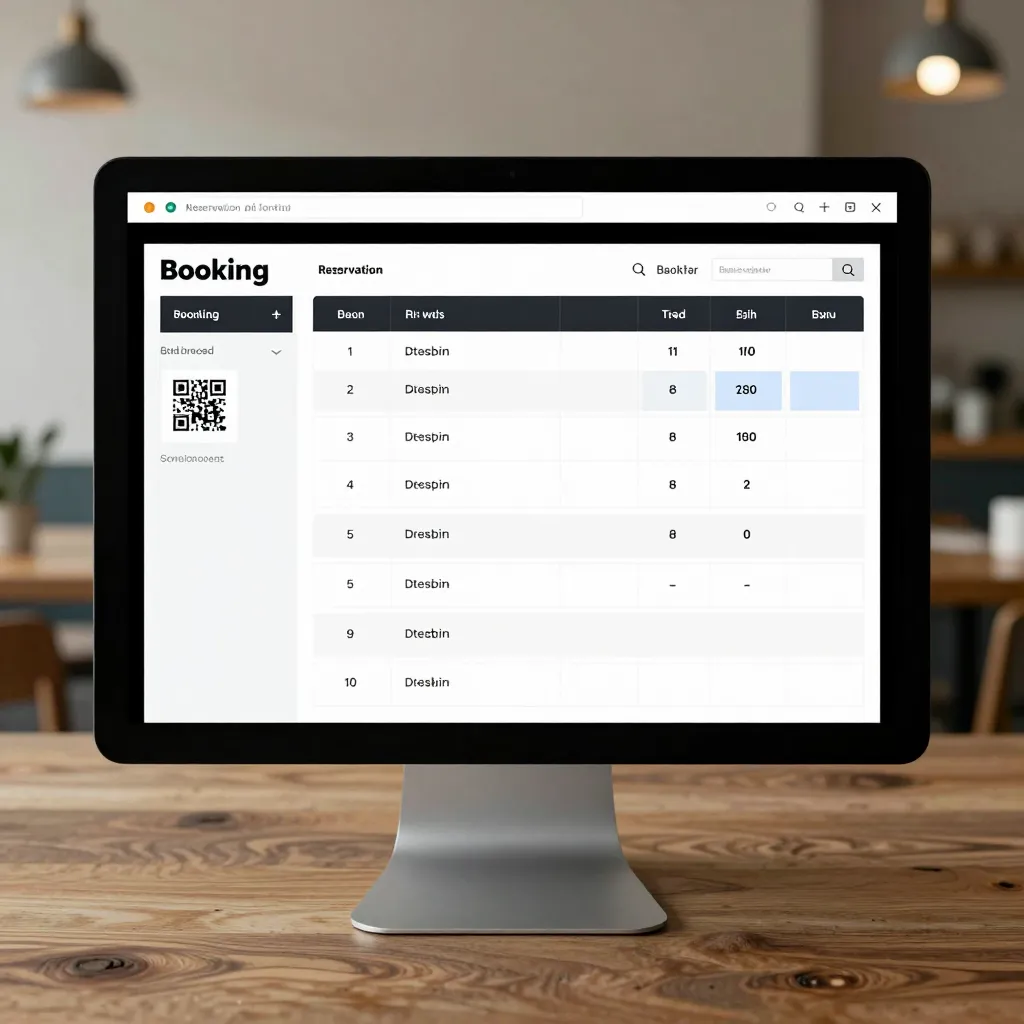
- Table Management Visuals: Look for a visual floor plan that updates instantly. When a reservation is confirmed, the corresponding table status should change from 'available' to 'reserved,' preventing double bookings which can lead to long wait times and frustrated guests.
- Customer Data Consolidation: An integrated system captures contact information during the reservation process. This data can then be used for marketing purposes, such as sending a receipt or a follow-up email with a link to the upQR menu for their next visit.
- Customizable Booking Pages: Your reservation page should allow you to set specific parameters, such as party size limits or special request fields. This ensures that when a group books a large party, the kitchen is alerted immediately, and the staff knows to prepare accordingly.
- Mobile Staff Access: Front-of-house staff should be able to manage reservations from a mobile device. If a customer books a table via the QR menu, the server's tablet should instantly receive a notification, allowing them to greet the guest promptly.
Another critical feature is the ability to handle dietary preferences during the booking phase. Since upQR excels at transparency, your reservation system should allow guests to note allergies or preferences when booking. This information can be passed directly to the kitchen, ensuring that the dining experience aligns with your brand's value of honesty and accuracy. This level of detail demonstrates that you care about your customers' well-being, building trust and loyalty.
Leading Reservation Platforms with Strong Integration Capabilities
Several reservation systems have emerged as leaders in the market, specifically because of their ability to integrate smoothly with digital ordering and menu platforms. While the landscape evolves, certain platforms consistently deliver the reliability and features required for a modern restaurant.
Resy and OpenTable: The Established Giants
Resy and OpenTable are the titans of the reservation world. They offer robust infrastructure that can handle high-volume bookings for larger dining groups and fine dining establishments. Their integration capabilities have improved significantly, allowing them to work with various POS and menu systems. However, they often come with higher fees and may require a specific setup to connect fully with third-party QR menu solutions. For restaurants looking to minimize overhead, it is essential to check if their API supports direct connections with upQR or if a middleware solution is needed. Despite the cost, their brand recognition can drive significant traffic to your restaurant, as users are already familiar with the booking interface.
Schedulix and Vagabond: The Modern Contenders
Platforms like Schedulix and Vagabond have carved out a niche by focusing specifically on the integration of online ordering and reservations. These systems are often more agile and cost-effective for independent restaurants and cafes. They are designed with the modern tech stack in mind, making it easier to connect with QR menu providers like upQR. These platforms often offer white-label solutions, meaning you can customize the booking page to match your restaurant's branding perfectly. This consistency in user experience-from the booking page to the menu to the receipt-is a hallmark of a well-oiled digital operation.
UpQR: The All-in-One Solution
For many restaurants, the most seamless experience comes from choosing an all-in-one solution like upQR. upQR is not just a QR menu generator; it is a comprehensive digital platform that includes reservation management. By using upQR for your menu, you automatically gain access to a reservation system that is natively integrated. There is no need for complex API configurations or third-party plugins. When a customer scans the code, they can browse the menu, make a reservation, and even pre-order food, all within the same interface. This reduces the learning curve for your staff and ensures that the technology stack remains simple and manageable. The upQR platform embodies the mission of transparency and accessibility, ensuring that every customer, regardless of their tech-savviness, can easily reserve a table and see what they are eating.
How to Optimize Your Workflow with Integrated Tools
Having the right tools is only half the battle; implementing them effectively is where the real value lies. To maximize the benefits of integrating a reservation system with your QR menu, you must optimize your daily workflow. Start by training your staff on the new capabilities. They should understand how to manage bookings that come in via the QR code and how to handle special requests noted during the reservation process. Clear communication between the host stand, the server, and the kitchen is vital when dealing with integrated data.
Consider implementing automated confirmation messages. When a customer books a table through the upQR reservation widget, the system can automatically send a confirmation email or SMS with a link to the menu. This keeps the guest informed and reminds them of their booking. Furthermore, use the data collected to refine your operations. Analyze peak booking times versus actual walk-in traffic. If you notice that many customers book tables via QR code but then cancel or no-show, you can adjust your cancellation policies or incentivize no-cancellation bookings with small discounts. This data-driven approach helps in forecasting staffing needs more accurately.
Don't forget the marketing angle. Integrated systems make it easy to capture email addresses and phone numbers. Use this data to build a loyalty program. Send out a weekly newsletter featuring new items on the upQR menu, exclusive discounts for members, and reminders for upcoming events. By keeping the conversation going digitally, you increase the likelihood of repeat visits. Remember, the goal is to make the dining experience as frictionless as possible. Every step the customer takes, from scanning the code to booking a table, should feel intuitive and effortless.
The Future of Digital Dining and Reservation Tech
The future of restaurant technology is moving toward hyper-personalization and AI-driven efficiency. We are seeing a trend where reservation systems use artificial intelligence to predict no-shows and suggest optimal table assignments. Imagine a system that knows a customer usually comes with a party of four and suggests a specific table based on their past preferences. While this level of sophistication is still emerging, the foundation is being laid now by platforms that prioritize integration. The convergence of reservation and menu technology is inevitable. As consumers demand more convenience, restaurants that fail to integrate these systems will risk falling behind.
Sustainability is also becoming a key driver in this evolution. Digital menus and integrated booking systems reduce paper waste and streamline operations, aligning with the environmental consciousness that modern diners value. By choosing a platform like upQR, you are not just adopting new technology; you are committing to a future where dining is transparent, accessible, and sustainable. The integration of reservations and QR menus is more than a technical upgrade; it is a statement of your commitment to the customer experience. It shows that you value their time, their dietary needs, and their desire for a seamless interaction with your brand.
As you plan your next digital upgrade, consider how these tools fit into your long-term strategy. Do you want to stick with legacy systems that require manual workarounds? Or do you want to embrace a future where technology works for you, not against you? The best restaurant reservation systems today are those that speak the same language as your QR menu. They share data, respect privacy, and provide a unified experience that delights your guests. By selecting the right partner, you position your restaurant for growth and resilience in an ever-changing market.
Related Posts
Ready to create your digital menu?
Create your QR menu in minutes and reach your customers in any language.