
How QR Code Data Predicts Restaurant Trends
Learn how digital QR menus transform customer orders into actionable insights, helping restaurants forecast trends and boost sales.
Turning Every Scan into a Strategic Advantage
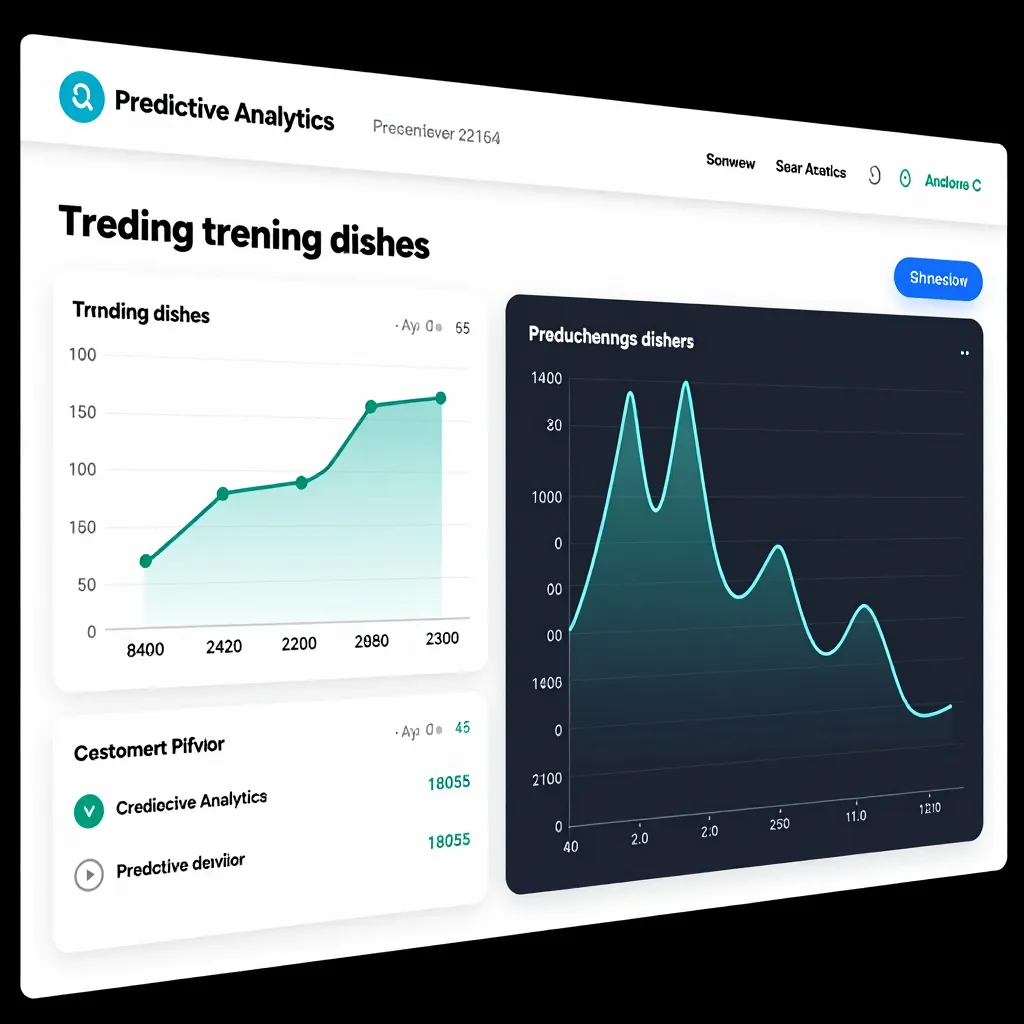
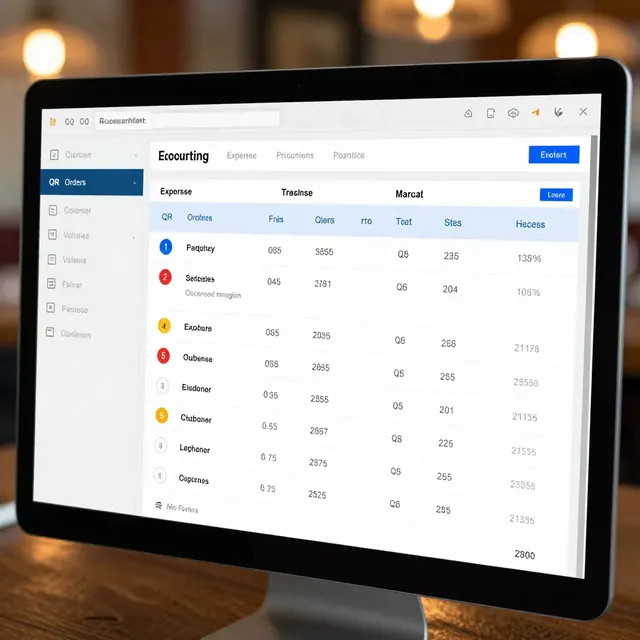
For decades, restaurant owners have operated with a significant blind spot: they could see what customers ordered, but they rarely understood why they chose it or when the shift occurred. This lack of visibility often led to reactive decision-making rather than proactive strategy. The transition to digital QR menus, specifically platforms like upQR, fundamentally changes this dynamic. By digitizing the ordering process, restaurants gain access to a rich stream of data that was previously inaccessible, turning every customer scan into a valuable data point for predictive analytics.
The value of this data extends far beyond simple inventory management. It allows business owners to anticipate seasonal shifts in demand, identify emerging flavor preferences before competitors do, and optimize staffing schedules with precision. When a cafe manager notices a sudden spike in orders for a specific breakfast item during a rainy Tuesday morning, the digital menu provides the immediate context needed to act. They can increase portion sizes for that item, adjust promotional strategies, or even tweak the recipe if ingredient costs are fluctuating. This level of granularity is the foundation of modern predictive analytics in the food service industry.
Decoding the 'Why' Behind Customer Choices
One of the most powerful aspects of QR code dining data is its ability to decode the nuances of customer behavior. Traditional point-of-sale systems often aggregate sales by time of day or day of the week, masking the specific drivers behind those sales. Digital menus, however, allow for the segmentation of data based on specific menu attributes. For instance, a restaurant can analyze whether customers are gravitating toward plant-based options, gluten-free items, or specific spice profiles. This isn't just about tracking sales volume; it's about understanding the evolving dietary landscape.
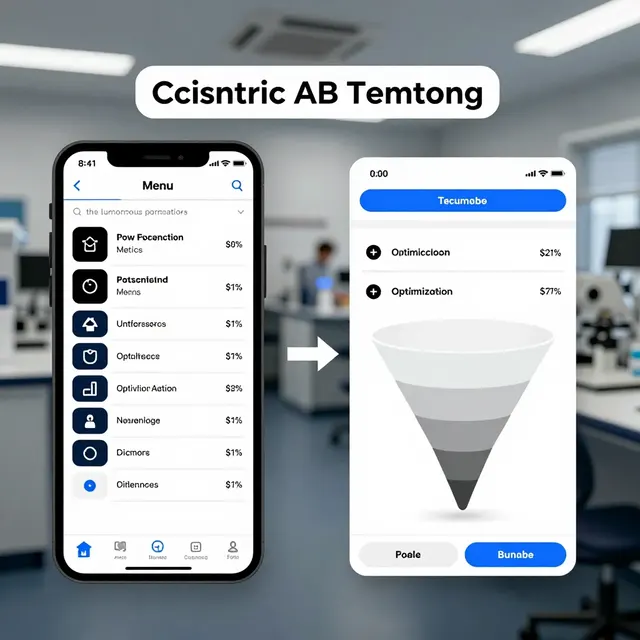
Consider a scenario where a bistro introduces a new seasonal dish. With a physical menu, the owner might wait months to gather enough data to determine if it was a hit or a flop. With a digital menu, they can track the dish's performance in real-time. If the data shows a high conversion rate for customers who specifically select the "vegan" filter, the owner can confidently promote that dish to a wider audience or adjust marketing spend to highlight plant-based options. This agility allows restaurants to pivot quickly, ensuring that the menu always reflects current customer desires rather than outdated assumptions.
Furthermore, this data helps in identifying "menu fatigue." If certain items on a physical menu are rarely ordered despite being prominently displayed, the data will reveal this inefficiency. Conversely, if a specific add-on, like truffle oil or a side of pickles, consistently appears in orders when the digital menu highlights it, the restaurant can learn that visibility drives impulse purchases. Understanding these psychological triggers is crucial for maximizing average order value and ensuring that the menu layout encourages the right choices.
Leveraging Seasonal Trends and Weather Patterns
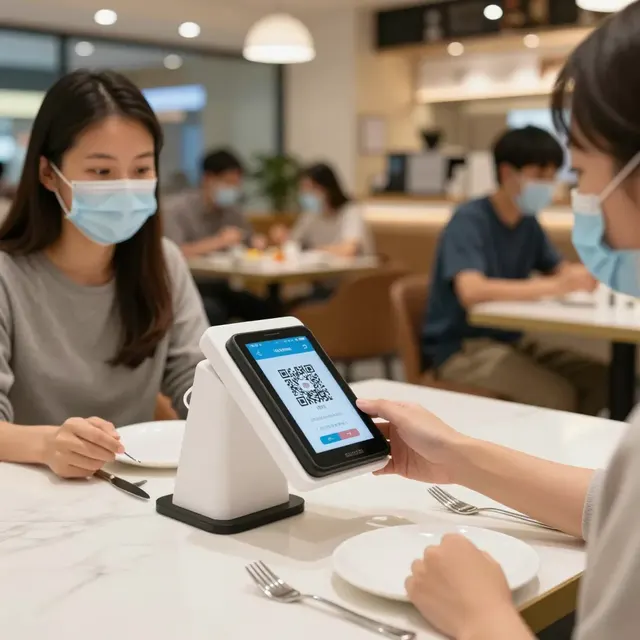
Restaurants are inherently tied to the seasons, yet historical data often lags behind real-time changes. Digital QR menus enable a form of predictive analytics that accounts for immediate environmental factors, such as weather patterns. By correlating order data with local weather forecasts, owners can make informed decisions about inventory and promotions. For example, if the forecast predicts a heatwave, the system might show a projected increase in demand for cold drinks and light salads. Armed with this insight, the kitchen can prepare extra stock for these items, reducing waste and ensuring availability.
Similarly, seasonal trends can be predicted with greater accuracy. Data from the previous year can be analyzed to see when customers typically switch from heavy comfort foods to lighter, fresher options. If the data indicates that orders for spicy dishes drop by 15% in August, the restaurant can proactively adjust their marketing to highlight refreshing, cooling ingredients like watermelon or mint. This proactive approach prevents the "wait-and-see" method that often leads to overstocking unpopular items or running out of popular seasonal favorites.
The ability to cross-reference menu performance with external factors like holidays or local events is another key benefit. If a local festival is scheduled, historical data can predict a surge in demand for specific types of beverages or appetizers. The restaurant can then tailor their menu offerings and staffing levels accordingly. This level of foresight transforms the restaurant from a passive recipient of customer choices into an active participant in shaping the dining experience, ensuring that the right products are available at the right time.
Optimizing Inventory and Reducing Food Waste
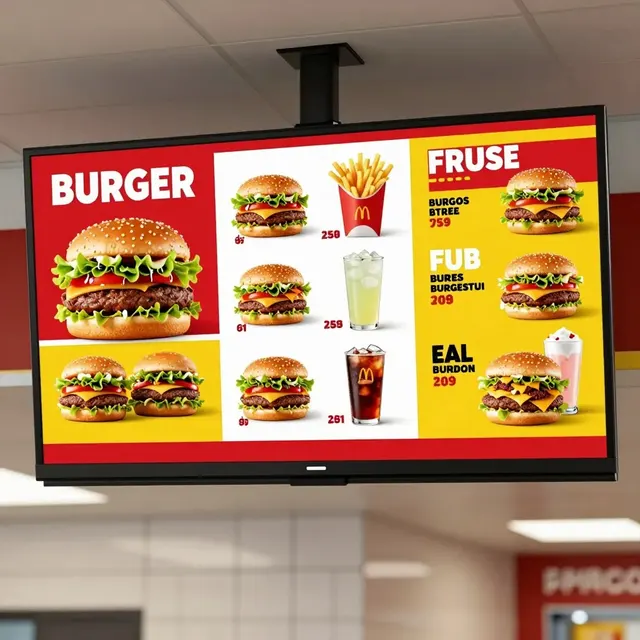
Food waste is a critical challenge for the restaurant industry, with significant environmental and financial implications. Predictive analytics derived from QR code data is a potent tool for combating this issue. By analyzing trends in order frequency and timing, restaurants can forecast demand with high precision. If the data shows a consistent decline in orders for a specific vegetable over the past week, the purchasing team can adjust their procurement strategy to order less of that item. This reduces the risk of spoilage and lowers the overall cost of goods sold.
Moreover, digital menus allow for dynamic inventory management. If a supplier delivers a fresh batch of high-quality ingredients that are not immediately required for current menu items, the restaurant can temporarily add a special or limited-time offer to the digital menu. The system can then track the uptake of this new item in real-time. If the data shows strong interest, the item can be made permanent. If interest is low, the promotion can be adjusted or removed quickly. This flexibility ensures that inventory turns efficiently, minimizing waste and maximizing the value of every ingredient purchased.
Transparency is also a key value for upQR, and it extends to sustainability. When a restaurant can prove that their data-driven approach has reduced food waste, it strengthens their commitment to environmental responsibility. Customers today are increasingly conscious of their impact on the planet, and knowing that their favorite restaurant is using technology to minimize waste can enhance brand loyalty. The data serves as proof of the restaurant's dedication to sustainable practices, aligning business goals with ethical values.
Building a Data-Driven Culture for Long-Term Success
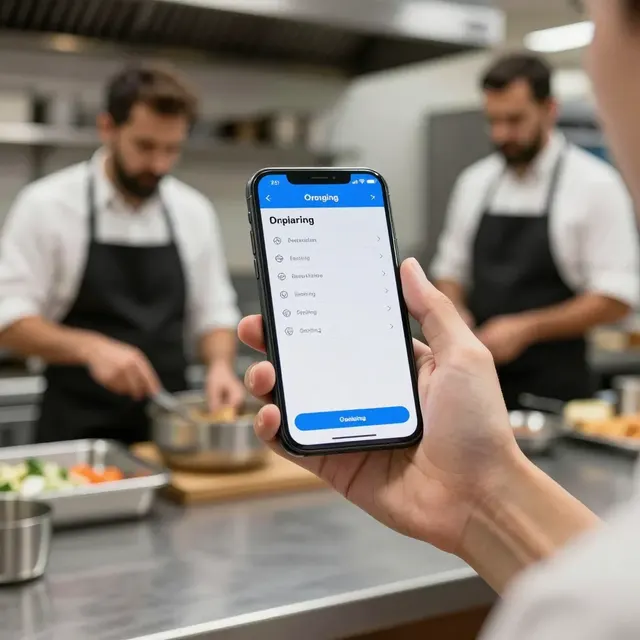
Implementing digital QR menus is not just about replacing paper; it is about adopting a data-driven culture. This shift requires a change in mindset, where decisions are based on evidence rather than intuition alone. Restaurant owners and managers must become comfortable interpreting the data provided by platforms like upQR. This involves regular reviews of performance reports, identifying patterns, and making strategic adjustments. It is a continuous cycle of analysis and optimization that leads to sustained growth and resilience.
Training staff to understand the value of this data is equally important. When servers and kitchen staff see how their actions and the menu's performance are linked, they become more engaged in the business's success. They can provide better recommendations to customers based on real-time availability and popularity. This creates a cohesive team that works together to enhance the customer experience and drive sales. The data becomes a shared language that aligns the entire organization toward common goals.
Ultimately, the ability to predict customer trends gives restaurants a competitive edge in a crowded market. It allows them to innovate faster, respond to changes more effectively, and build deeper connections with their customers. By leveraging the power of QR code dining data, restaurants can future-proof their business, ensuring they remain relevant and profitable in an ever-evolving industry. The path forward is clear: embrace the data, trust the insights, and let technology guide your culinary journey.
Related Posts

Ready to create your digital menu?
Create your QR menu in minutes and reach your customers in any language.