
World Animal Day: Using QR Menus to Educate Diners
Discover how vegan restaurants leverage digital QR menus to educate customers, reduce waste, and build a compassionate community on World Animal Day.
Transforming Diner Mindsets Through Digital Transparency
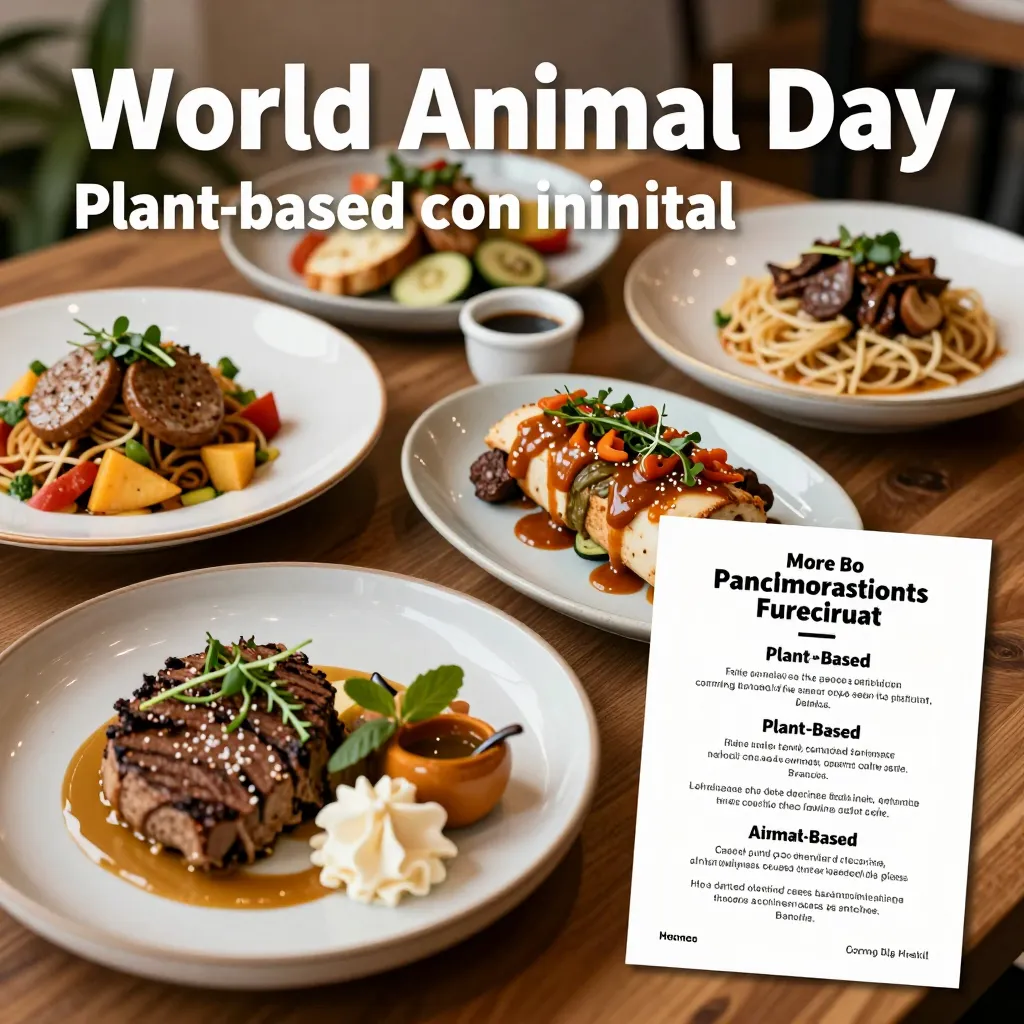
World Animal Day, celebrated annually on October 4th, is a pivotal moment for the food industry to reflect on its impact on animal welfare. For vegan and plant-based establishments, this day offers a unique opportunity to go beyond simply offering food options; it is a chance to actively educate diners about the ethical choices they make at the table. Traditional paper menus often lack the space or flexibility to provide the depth of information required for true transparency. In contrast, digital QR menus powered by platforms like upQR allow restaurants to present comprehensive ingredient sourcing, farming practices, and environmental impacts without cluttering the dining experience.
The challenge for many plant-based restaurants is that potential customers often harbor misconceptions about vegan diets. Some believe it is merely a fad, while others worry about hidden animal products or nutritional deficiencies. A static paper menu cannot address these concerns effectively. However, a dynamic digital menu can include detailed sections explaining why specific ingredients are chosen, how plants are raised, and the positive effects of choosing a plant-based diet. This level of honesty aligns perfectly with the core values of transparency and universal access. By providing clear, accurate information, restaurants demystify veganism, making it an accessible and understandable choice for everyone, regardless of their prior knowledge or language barriers.
Statistics from the global food industry indicate that over 60% of consumers are willing to pay more for products that align with their ethical values. Yet, a significant portion of these consumers lack the information needed to make those choices confidently. When a diner scans a QR code and lands on a page detailing that the beans used in a chili were grown using regenerative agriculture that sequesters carbon and avoids animal inputs, the value of the meal extends far beyond the plate. This educational approach turns every visit into a learning opportunity, fostering a deeper connection between the diner and the food they consume. It shifts the narrative from restriction to empowerment, showing that eating vegan is a conscious, informed decision rather than a limitation.
Combating Misinformation with Accurate Ingredient Breakdowns
One of the most common barriers to adopting a plant-based lifestyle is fear of the unknown. Many diners worry about cross-contamination, hidden animal derivatives like rennet or gelatin, or the use of animal-derived broths in sauces. A digital QR menu solves this by allowing restaurant owners to include specific allergen icons and detailed ingredient lists for every single dish. For example, a restaurant can feature a dedicated tab for "Allergen Awareness" or "Ingredient Deep Dives," where a photo of a soup is accompanied by a text breakdown: "Base: Vegetable broth (no chicken stock), Thickener: Cornstarch (no gelatin), Cheese: Nutritional yeast."
This granular level of detail is impossible to achieve on a printed menu without making the document unreadable. With upQR, menu updates are instant. If a supplier changes a process, the information is updated immediately, ensuring that the data on the screen is always accurate. This commitment to honesty builds immense trust. When customers see that a restaurant is not afraid to be transparent about exactly what is in their food, they feel safer and more confident in their ordering decisions. This is particularly important for diners with severe allergies or those strictly adhering to ethical diets who need to verify every component of their meal.
Furthermore, digital menus can host multimedia content to further clarify ingredients. A short video clip of a chef explaining the sourcing of their olive oil or a link to a blog post about the history of a specific spice can add layers of education that paper cannot match. This content strategy helps dismantle myths about vegan food being "boring" or "hard to find." By showing the vibrant colors of fresh produce and explaining the culinary techniques used to mimic textures without animal products, restaurants can spark curiosity rather than fear. The result is a dining environment where education is seamless, and the barrier to entry for new vegans is significantly lowered.

Reducing Environmental Footprint While Educating on Sustainability
The intersection of animal welfare and environmental sustainability is a central theme of World Animal Day. The meat industry is a leading contributor to greenhouse gas emissions, deforestation, and water usage. By switching to digital menus, vegan restaurants double down on their commitment to the planet. Traditional paper menus are a significant source of waste, especially in high-traffic cafes where menus are replaced daily. A single paper menu can require 500 trees to produce, and millions of such menus are discarded annually. Digital menus eliminate this waste entirely, sending a powerful message about resource conservation.
When a restaurant owner uses a QR code on a table to display their menu, they are simultaneously teaching their guests about the importance of reducing waste. The menu itself becomes a teaching tool. Owners can include a "Sustainability Section" that highlights the carbon footprint of different menu items. For instance, a dish made with locally sourced seasonal vegetables might be tagged with an icon indicating "Low Carbon Footprint" and a brief explanation of why local sourcing matters. This empowers diners to make choices that align with their environmental values.
Real-world examples abound of cafes using this strategy to boost engagement. A cafe in Berlin reported a 20% increase in orders for their "Eco-Friendly" specials after adding a digital badge and a short explanation to their QR menu about the water saved by choosing plant-based proteins. This data-driven approach shows that education drives behavior change. By presenting facts about water usage, land use, and carbon emissions associated with different food choices, restaurants help diners understand the broader impact of their lunch decisions. This aligns with the upQR mission of being environmentally conscious, proving that technology can be a force for good rather than a source of electronic waste, provided it is used responsibly.
Building a Community Through Interactive Storytelling
Veganism is not just about what you eat; it is about the values you hold and the community you build. Digital menus offer a unique platform for storytelling that paper menus cannot replicate. Restaurant owners can use the QR menu to share the stories of the farmers they work with, the non-profits they support, and the community events they attend on World Animal Day. This transforms the menu from a simple list of items into a narrative of compassion and action.
Interactive elements can be integrated to engage customers further. For example, a restaurant could feature a "Meet the Farmer" section with photos and videos of the people growing the ingredients, humanizing the supply chain. They could also include a "Community Impact" tracker showing how many meals have been donated to local shelters or how much plastic waste has been saved by going digital. These features encourage diners to feel part of a larger mission. When a customer scans the code and sees that their meal contributed to saving 500 grams of plastic or supported a local animal shelter, they feel a sense of purpose and pride.
This sense of community is crucial for retention. Diners are more likely to return to a place where they feel their values are respected and celebrated. By using the digital menu to share recipes, cooking tips, and nutritional benefits, the restaurant positions itself as a hub for wellness and ethical living. The menu becomes a resource that customers want to keep coming back to, even if they are not ordering vegan food every time. It fosters a culture where asking questions about ingredients is welcomed, and where the conversation around food is open, honest, and inspiring.
Practical Steps for Owners to Launch an Educational QR Menu
Implementing an educational QR menu does not require a massive budget or technical expertise. With platforms like upQR, the process is streamlined and user-friendly. Here are practical steps for restaurant owners to get started:
- Define Your Core Message: Decide what you want to communicate. Is it the sourcing of your ingredients? The reduction of animal suffering? The fight against food waste? Choose one or two main themes to focus on to avoid overwhelming the user.
- Design with Clarity: Use high-quality images and clear, concise text. Avoid jargon. Explain terms like "regenerative agriculture" or "non-GMO" in simple language. Use icons for quick scanning of allergens and dietary needs.
- Include Multimedia: Embed videos or links to external resources. A 30-second video of the chef explaining a dish can be more effective than a paragraph of text.
- Update Regularly: Use the dynamic features of the platform to update information based on seasonal availability or special events like World Animal Day. This keeps the content fresh and relevant.
- Train Your Staff: Ensure your team understands the educational content on the menu so they can answer questions and reinforce the messages presented digitally.
By following these steps, restaurants can create a digital presence that is not only functional but also deeply meaningful. The goal is to make every interaction with the menu a step toward a more compassionate and sustainable future. Whether it is a small cafe or a large chain, the power to educate lies in the ability to share accurate, transparent information instantly.
Conclusion
World Animal Day is more than a date on the calendar; it is a reminder of our responsibility to the animals and the planet. For vegan restaurants, the digital QR menu is a powerful tool to amplify this message. It provides the transparency needed to build trust, the space to share stories that inspire change, and the ability to reduce waste while educating diners. Platforms like upQR make it easy to implement these values without sacrificing efficiency. By choosing to educate rather than just sell, restaurants can foster a loyal community of conscious eaters who understand the true value of their meal. As the industry moves forward, the integration of technology and ethics will define the leaders of tomorrow, and digital menus are at the forefront of this evolution.
Related Posts

Ready to create your digital menu?
Create your QR menu in minutes and reach your customers in any language.