
How to Create a Digital Brunch Menu for Social Shares
Turn your brunch into a social media magnet with a digital menu that highlights ingredients, sustainability, and stunning visuals.
Why Your Brunch Menu Needs a Digital Upgrade
Brunch is uniquely positioned as a social dining experience. It is not just about eating; it is about the atmosphere, the conversation, and the visual appeal of the food. However, many restaurants still rely on printed paper menus that are difficult to update, environmentally wasteful, and often lack the interactive elements that modern diners expect. According to recent industry data, over 60% of diners under the age of 35 prefer digital menus that allow for customization and quick access to information. By switching to a digital platform like upQR, you are not just replacing paper; you are upgrading the entire customer journey.
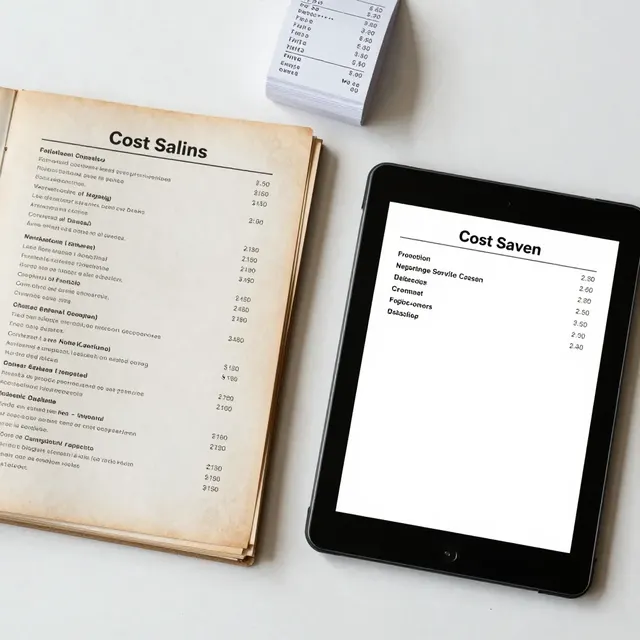
The transition to a digital brunch menu offers immediate benefits beyond cost savings. It eliminates the need to reprint menus every time a special ingredient becomes unavailable or a price changes. More importantly, it aligns with the core values of transparency and sustainability. When customers scan a QR code, they are greeted with an interface that can highlight exactly what is in their food, where it comes from, and the environmental impact of their meal. This level of honesty builds trust, a crucial factor in the competitive brunch market where health-conscious consumers are increasingly demanding clarity about allergens and sourcing.
Furthermore, a digital menu acts as a powerful marketing tool. Unlike a static paper page, a digital menu can be optimized for mobile devices, ensuring that images load quickly and text is easy to read in bright sunlight or dim lighting. It can also integrate seamlessly with your social media strategy, turning every diner into a potential brand ambassador. When a menu is designed with shareability in mind, customers are more likely to snap a photo, post it to their stories, and tag your location, effectively doing your marketing for you.
Designing for the 'Instagrammable' Moment
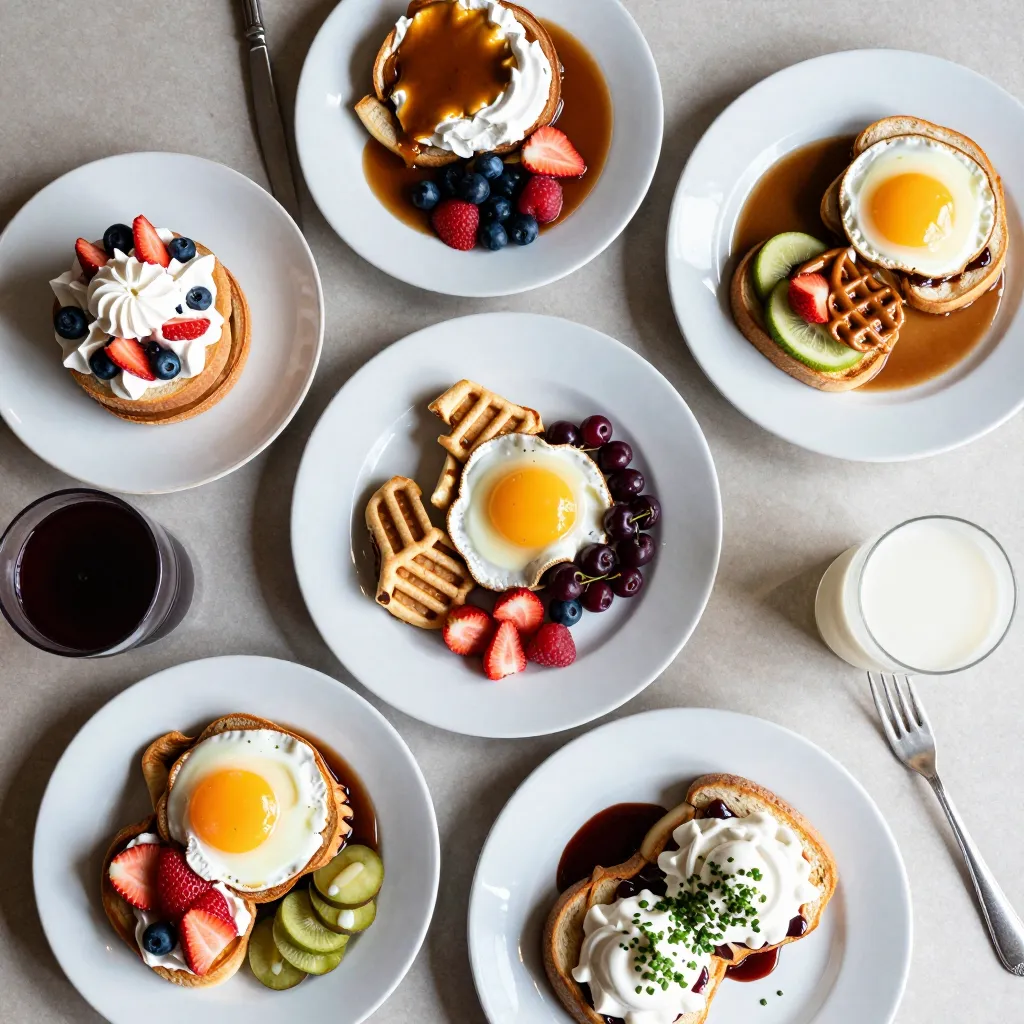
Social media sharing is often driven by the visual appeal of the food. To encourage customers to share your brunch dishes, your digital menu must prioritize high-quality imagery. However, this goes beyond simply uploading photos from a camera roll. The images should be professionally shot, well-lit, and styled to reflect the authentic vibe of your establishment. When customers see a beautifully presented avocado toast or a colorful acai bowl on their phone screen, they are more likely to order it and then capture the moment themselves.
The layout of your digital menu plays a critical role in this process. Avoid cluttered designs that make it difficult to focus on the food. Instead, use a clean, minimalist design that lets the photography shine. Ensure that the images are large enough to be seen clearly on a smartphone screen without excessive zooming. Additionally, consider adding subtle animations or hover effects that highlight popular items or special brunch deals, drawing the eye to the most photogenic dishes.
Transparency is another key element that enhances the social appeal of your menu. Customers love to share stories about ethical eating. Your digital menu can feature sections dedicated to your sourcing practices, such as "locally sourced eggs" or "organic fruits." When a customer sees these details, they feel good about their choice and are more inclined to share that story online. For example, a section titled "Our Green Promise" can explain how your digital-first approach reduces paper waste, appealing to the eco-conscious demographic that is highly active on social media platforms.
Don't forget the details that make a photo pop. Use consistent fonts and color schemes that match your brand identity. Ensure that your menu is fully responsive, meaning it looks perfect on both iPhones and Android devices. A seamless user experience is just as important as the visual content. If a customer struggles to navigate your menu or if images fail to load, they will leave a bad review rather than taking a picture. Smooth navigation, fast loading times, and intuitive categorization are essential for keeping users engaged and encouraging them to share their experience.
Leveraging Transparency to Build Trust and Community
In the era of social media, trust is currency. Customers are skeptical of hidden fees, misleading descriptions, and deceptive photos. A digital menu allows you to be radically transparent, setting your restaurant apart from competitors who rely on vague language or stock images. Start by clearly listing all ingredients for every dish. Include information about common allergens, such as gluten, nuts, and dairy, using easy-to-read icons or tags. This not only helps customers with dietary restrictions but also demonstrates your commitment to their safety and well-being.
Consider adding a section for "Chef's Notes" or "Story Behind the Dish." This is where you can share the history of a signature recipe, the farmer who provided your vegetables, or the story of your family-owned business. These narratives create an emotional connection between the diner and your brand. When a customer reads a heartfelt story about how your sourdough bread is baked daily using traditional methods, they are more likely to feel a sense of connection and pride in sharing that meal with their friends.
Transparency also extends to pricing and costs. Clearly state all prices, including taxes and service charges if applicable. Avoid hidden fees that might surprise customers at the end of the meal. You can also explain the value proposition of your digital menu, such as how it helps reduce your carbon footprint. By being open about your operational choices, you invite customers to be part of your sustainability journey. This kind of honesty fosters a loyal community that advocates for your brand on social media, defending you against negative comments and promoting your positive attributes.
Strategies to Encourage Organic Social Sharing
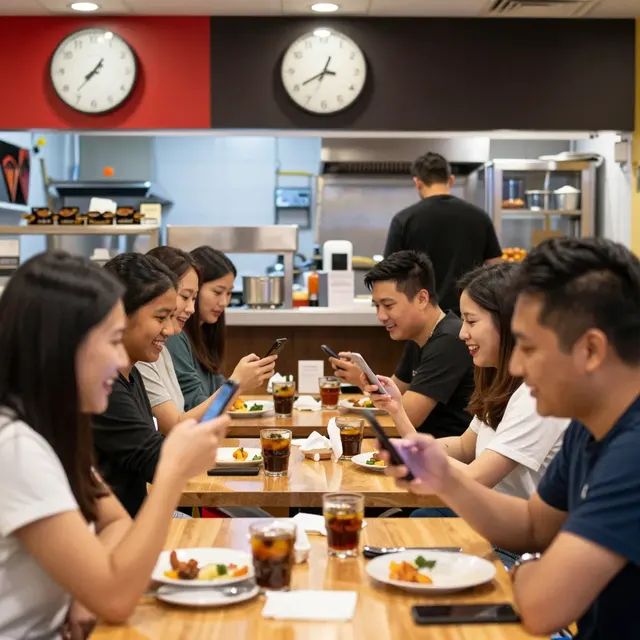
Getting customers to share your menu organically requires intentional design and strategic incentives. One effective method is to create a "Shareable Moment" within your digital menu experience. For instance, after a customer orders a meal, you could prompt them with a friendly message: "Loved your brunch? Share your meal on social media and show us how you styled it!" While this might seem simple, pairing it with a small incentive can significantly increase engagement. You could offer a discount on their next visit, a free dessert, or a chance to win a gift card for every share that includes a specific hashtag and tags your restaurant's official account.
Another strategy is to gamify the experience. Create a "Brunch Challenge" where customers can unlock special items or discounts by sharing their menu or ordering specific dishes. For example, "Order the Rainbow Smoothie Bowl and share your photo for a chance to win a free coffee." These challenges not only drive sales but also generate a steady stream of user-generated content that your restaurant can repost on its own channels.
Make it easy for customers to share. Include direct "Share" buttons within your digital menu that link directly to social media platforms like Instagram, Facebook, and TikTok. Pre-fill the caption with a suggested message that highlights the unique features of your brunch, such as "Freshly made with local ingredients!" This reduces the friction for the user, making it more likely they will hit the share button. Additionally, ensure that your menu includes a direct link to your social media profiles in the footer or header, encouraging users to follow you for more content and updates.
Engage with your audience actively. When a customer shares a photo of your food, respond promptly and positively. Like their post, leave a comment, and thank them for supporting your business. This interaction validates their effort in sharing and encourages them to do it again. It also signals to their followers that your restaurant values its community, further enhancing your brand reputation. By fostering a two-way conversation, you turn a simple menu scan into a meaningful brand interaction.
Optimizing for Local SEO and Mobile Discovery
A digital menu is not just a static display; it is a dynamic tool for local search engine optimization. When customers search for "brunch near me" on their phones, they often land directly on your digital menu page. To ensure your menu appears in these local search results, it is essential to optimize the content with relevant keywords. Include terms like "best brunch in [City Name]," "organic breakfast," "gluten-free options," and "farm-to-table dining" naturally within your menu descriptions and headers.
Ensure that your digital menu is hosted on a platform that supports schema markup, which helps search engines understand the structure of your content. This can improve your visibility in search results and even enable rich snippets, such as displaying prices and ratings directly in the search results page. Since upQR provides a robust digital menu solution, you can easily integrate these SEO best practices without needing a technical background. Regularly update your menu content to keep it fresh and relevant, as search engines favor sites with current information.
Mobile speed is a critical factor for local SEO. Google prioritizes mobile-friendly sites that load quickly. A slow-loading menu can lead to high bounce rates, signaling to search engines that your site provides a poor user experience. Ensure that your images are optimized for web use, compressing them without losing quality. Use a responsive design that adjusts automatically to different screen sizes. By providing a fast, reliable, and mobile-optimized experience, you not only improve your search rankings but also enhance the overall satisfaction of your customers, leading to more positive reviews and higher conversion rates.
Finally, collect and display reviews directly on your digital menu. Encourage satisfied customers to leave feedback, and showcase these testimonials prominently. Social proof is a powerful driver of trust and decision-making. When potential diners see that others have had a great experience, they are more likely to visit your restaurant. This creates a virtuous cycle where happy customers drive more traffic, which in turn generates more reviews and social shares.
Conclusion
Creating a digital brunch menu that gets shared on social media is about more than just putting food on a screen. It is about crafting an experience that resonates with modern diners who value sustainability, transparency, and authenticity. By leveraging a platform like upQR, you can build a menu that not only reduces paper waste but also serves as a powerful marketing engine for your restaurant. From high-quality imagery and clear ingredient lists to engaging gamification strategies and local SEO optimization, every element of your digital menu should be designed to encourage interaction and sharing. When you combine these practical insights with a genuine commitment to your values, you create a digital presence that stands out in a crowded market and turns every customer into a loyal advocate for your brand.
Related Posts
Ready to create your digital menu?
Create your QR menu in minutes and reach your customers in any language.