
How Juice Bars Thrive with QR Ordering Systems
Discover how juice bars can boost efficiency, reduce waste, and enhance customer experience using digital QR menus. Learn the best practices for implementation.
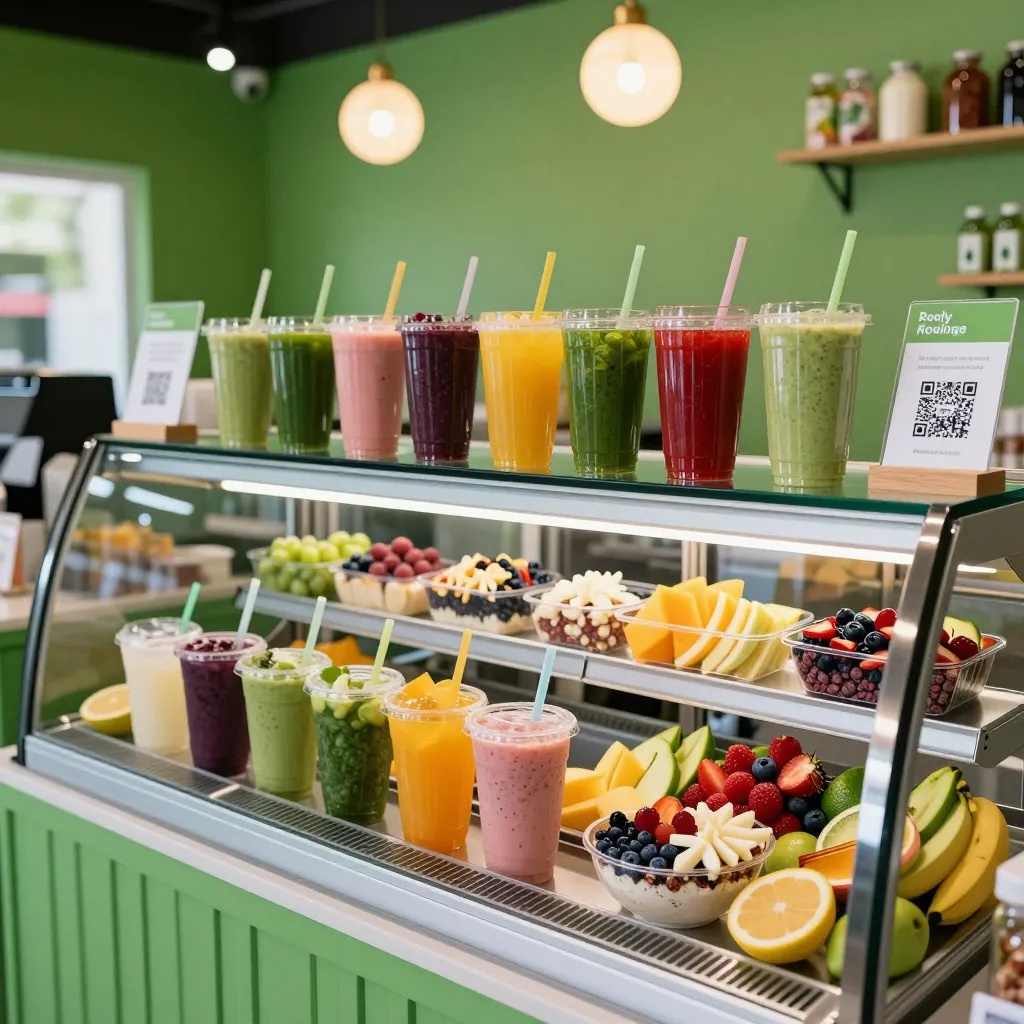
The Digital Shift: Why Juice Bars Need QR Menus
The juice bar industry has undergone a significant transformation over the last decade. What began as a niche market for health-conscious consumers has evolved into a multi-billion dollar sector, with smoothie shops and juice bars popping up in urban centers worldwide. However, the traditional paper menu board-often cluttered with handwritten updates or static images-struggles to keep pace with modern consumer expectations. In 2023, a staggering 85% of consumers prefer digital ordering options, and this preference is even higher among the younger demographics that frequent juice bars. For restaurant owners and cafe managers, adopting a digital QR menu is no longer a luxury; it is a necessity for survival and growth.
Traditional paper menus present several inherent challenges for juice bars. First, they are static. If you run a seasonal promotion on a specific green juice blend or introduce a new superfood shot, you must physically reprint the entire menu. This process not only incurs printing costs but also contributes to environmental waste, directly contradicting the eco-friendly ethos that many juice bars proudly display. Second, paper menus lack interactivity. They cannot display nutritional information, allergen warnings, or preparation times in a way that is easily accessible to every customer. Finally, they offer no data insights. Owners are left guessing about which items are bestsellers without real-time analytics.
Implementing a digital QR menu system solves these issues elegantly. By simply scanning a code, customers are directed to a dynamic, cloud-hosted menu that can be updated in real-time. This ensures that every customer, whether they walk in from the neighborhood or arrive from a delivery app, sees the exact same menu with the latest offerings. For juice bars, where freshness and ingredient transparency are paramount, a digital platform allows you to highlight specific ingredients, such as "organic kale" or "cold-pressed apple," with high-resolution images and detailed descriptions that build trust and appetite.
Operational Efficiency and Waste Reduction
One of the most compelling arguments for adopting a digital ordering system is the drastic reduction in operational waste. The average restaurant generates approximately 10% of its total waste from paper menus and printing materials. For a juice bar, which often markets itself as an environmentally conscious establishment, this statistic is particularly damaging to the brand image. By switching to a digital solution, you eliminate the need for reordering paper, ink, and plastic menu holders. You also save the time and labor associated with updating physical boards. Imagine a scenario where the price of organic berries spikes due to seasonal shortages. With a paper menu, your staff must manually erase old prices and write new ones, a process prone to human error. With a digital menu, you simply update the price in the backend, and the change is instantly reflected for all customers.
Furthermore, digital menus streamline the ordering process, which is critical during peak hours. Juice bars often experience rushes in the morning for breakfast smoothies and in the afternoon for energy-boosting juices. A digital menu can include direct ordering capabilities, allowing customers to add items to a cart and pay via their mobile devices. This reduces the time customers spend waiting at the counter, allowing staff to focus on the complex task of blending and juicing rather than taking orders. Studies suggest that digital ordering can increase table turnover by up to 20%, a metric that directly translates to higher revenue per square foot. For a small juice bar, every extra minute of efficiency can mean the difference between fulfilling an order and losing a sale to a competitor.
Another operational benefit is the ability to manage inventory more effectively. Digital menu platforms can be integrated with inventory management systems. If you run low on a specific type of spinach, you can instantly hide the salads that rely heavily on it from the menu. This prevents customers from ordering items that cannot be fulfilled, reducing food waste and avoiding the embarrassment of telling a customer their order is unavailable. This level of control is impossible with a static paper menu.
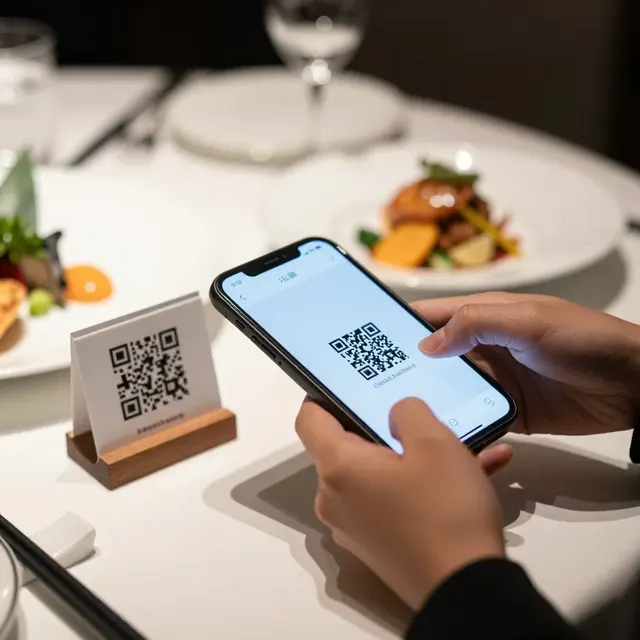
Enhancing Transparency and Building Trust
Transparency is the cornerstone of the juice bar business model. Customers do not just buy a drink; they buy into a lifestyle that values health, sustainability, and honesty. They want to know exactly what is in their glass, where the ingredients come from, and how the product was made. A digital QR menu is the perfect canvas to communicate this information effectively. Unlike a cramped paper menu where ingredient lists are often abbreviated, a digital interface can expand to show full details.
Consider the example of a customer with a severe nut allergy. On a paper menu, this information might be buried in fine print or require a staff member to explain verbally, which can be missed in a rush. A digital menu can feature prominent allergen icons next to every item, with a dedicated section explaining cross-contamination risks. This not only ensures safety but also builds immense trust with the customer. They feel secure knowing that the business prioritizes their well-being.
Moreover, digital menus allow for deep storytelling. You can include sections on your farm-to-table sourcing, explaining the specific farm where your apples are grown or the water filtration system you use. You can share the calorie count, sugar content, and vitamin breakdown for every smoothie. This level of detail appeals to the data-driven consumer who scans a menu and immediately checks the nutritional facts. It also helps with upselling; by showing that a "Green Detox" juice contains 15g of fiber and 500mg of potassium, you educate the customer on the value they are receiving, making them more likely to choose that item over a standard option.
Visual transparency is also crucial. High-quality photography on a digital menu ensures that customers know exactly what they are getting. This eliminates the "expectation gap" that often leads to negative reviews when a drink looks different than a customer imagined. You can use video clips to show the juicing process, reinforcing the message of freshness and lack of preservatives. When customers see the vibrant colors of real fruit being squeezed, it stimulates appetite and reinforces the authenticity of your brand.
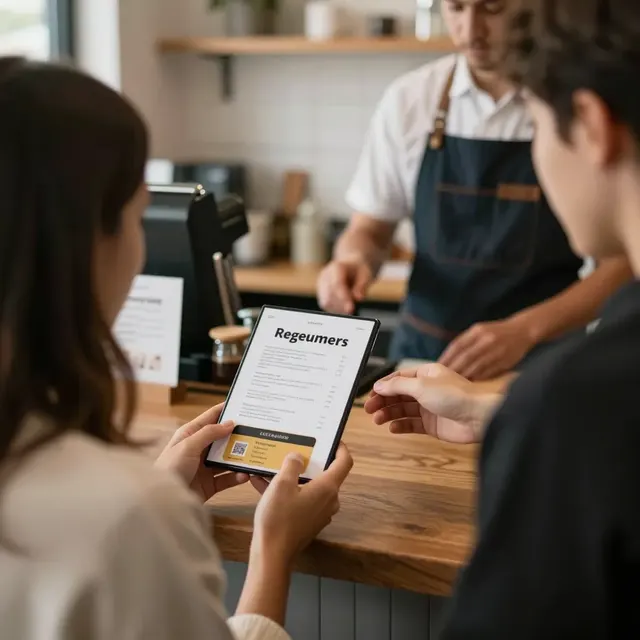
Personalization and Universal Accessibility
The modern consumer expects a personalized experience, and digital menus make this achievable without expensive software. A well-designed QR menu can cater to diverse dietary needs, which is essential for a juice bar that serves everyone from vegans to keto-dieters. You can categorize items clearly-such as "Vegan," "Gluten-Free," "Keto-Friendly," or "High-Protein"-allowing customers to filter their choices instantly. This inclusivity ensures that no customer feels left out, regardless of their dietary restrictions.
Language barriers are another hurdle that digital menus overcome effortlessly. Juice bars in diverse neighborhoods often serve customers who speak different languages. A digital menu can support multiple languages, allowing a customer to scan the code and view the menu in their native tongue. This universal access removes the friction of ordering, ensuring that a non-English speaker can confidently order a complex superfood blend without fear of misunderstanding. It is a simple feature that significantly broadens your customer base and improves the overall experience for all patrons.
Personalization can also be achieved through dynamic content. If you have loyalty programs or special offers, you can display them directly on the menu. "Scan for 10% off your first order" or "Show your membership card for free refills" can be highlighted prominently. This encourages repeat visits and builds a community around your brand. Furthermore, you can use the digital format to showcase seasonal specials. In the summer, highlight cold-pressed juices with refreshing mint; in the winter, feature warming turmeric lattes. This agility keeps the menu exciting and encourages customers to try new things, keeping the brand fresh in their minds.
Future-Proofing Your Business with Data
Finally, the most strategic advantage of a digital QR menu is the access to valuable data. Traditional businesses operate on intuition, guessing what sells based on memory or vague observations. A digital platform provides concrete metrics. You can see exactly which smoothie is the bestseller, which ingredients are most popular, and at what time of day foot traffic peaks. This data empowers you to make informed decisions about your menu engineering. If a particular ingredient consistently leads to waste because it is unpopular, you can remove it. If a specific flavor combination is a hidden gem, you can feature it more prominently or create a new product around it.
Analytics also help in understanding customer behavior. You might find that customers in the afternoon prefer energy-boosting green juices, while morning customers opt for fruit-based smoothies. This insight allows you to optimize your staff scheduling and inventory purchasing. You can also track the success of marketing campaigns. If you run an Instagram ad for a new "Berry Blast" smoothie, you can see if the digital menu reflects a spike in orders for that specific item. This closed-loop feedback system is invaluable for growth.
As the restaurant industry continues to evolve, the businesses that adapt to digital trends will thrive. The transition to a digital QR menu is not just about replacing paper with a screen; it is about embracing a culture of efficiency, transparency, and customer-centricity. For juice bars, this means aligning perfectly with the values of your health-conscious clientele. By choosing a platform that prioritizes sustainability and ease of use, you are not just updating a tool; you are upgrading your entire business model. The path to a successful, future-proof juice bar is paved with digital innovation, and the time to take that step is now.
Related Posts
Ready to create your digital menu?
Create your QR menu in minutes and reach your customers in any language.