
Handle Tourist Season with Multilingual QR Menus
Boost your restaurant revenue during peak tourist seasons by implementing a multilingual QR menu system that eliminates language barriers and reduces wait times.
Transforming the Tourist Season Challenge into an Opportunity
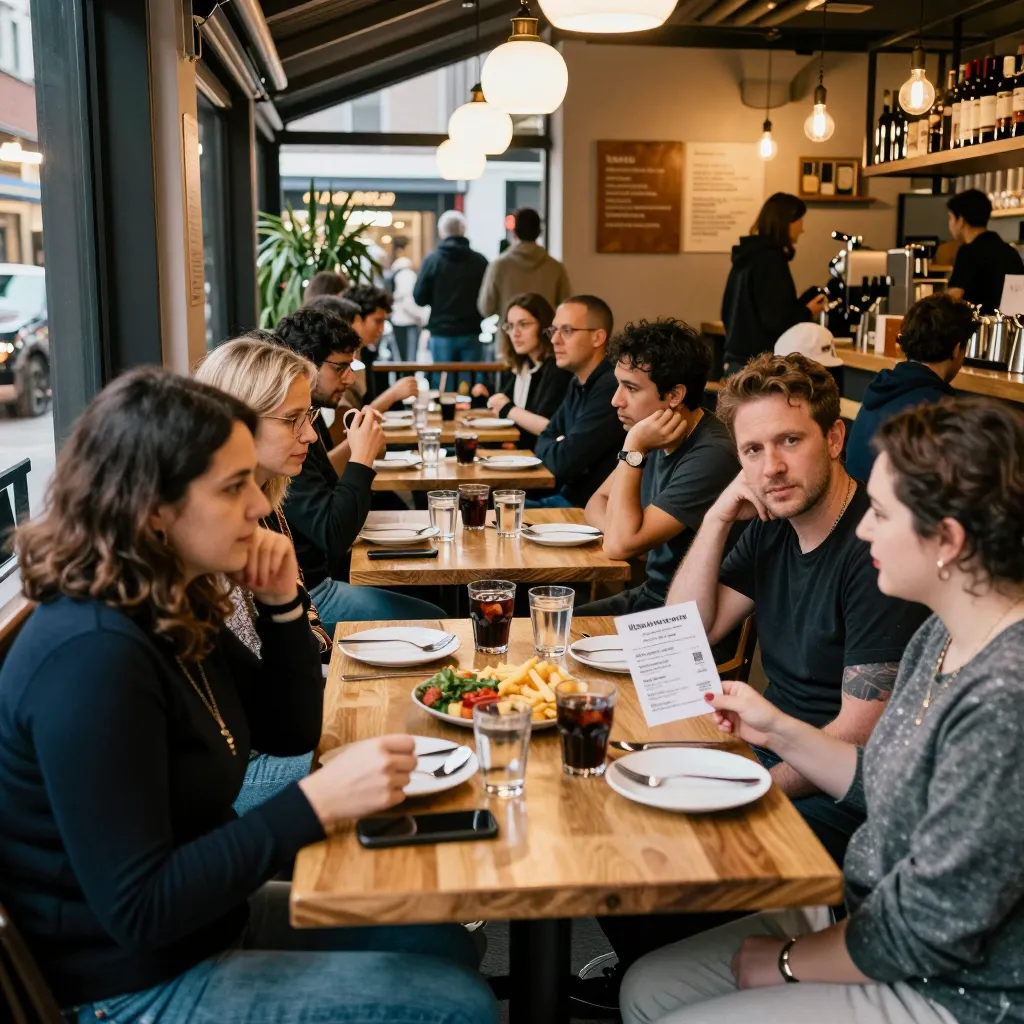
For restaurant owners and cafe managers, the arrival of tourist season is a double-edged sword. On one hand, it brings a surge in foot traffic and potential revenue. On the other, it introduces significant operational challenges that can strain even the most well-oiled kitchens. The primary friction point often lies in communication: the gap between a hungry traveler who doesn't speak the local language and a staff member who is overwhelmed trying to explain dishes in multiple tongues. This disconnect leads to longer consultation times, confused customers, and, unfortunately, a higher rate of food waste when orders are misunderstood or dietary restrictions are overlooked.
The solution to this modern hospitality bottleneck is not hiring more bilingual staff, which is often impossible in the short term, but rather leveraging technology. A multilingual QR menu system acts as a 24/7 translator for your establishment. By digitizing your menu and offering instant language switching, you ensure that every guest, regardless of their native tongue, feels welcomed and informed. This approach aligns perfectly with the core values of transparency and universal access, ensuring that every customer knows exactly what they are ordering before it reaches the kitchen.
According to recent hospitality industry data, restaurants that utilize digital ordering systems see a 20% increase in average ticket size compared to those relying solely on paper menus. When combined with multilingual capabilities, this figure can climb even higher, as the barrier to entry for international tourists is removed. Instead of guessing what a dish is or fearing an allergen reaction, tourists can browse your offerings in their preferred language, leading to more confident ordering and a more enjoyable dining experience.
Eliminating Language Barriers with Instant Translation
The most immediate benefit of a multilingual QR menu is the ability to bridge the language gap instantly. Imagine a scenario where a group of American tourists walks into a cafe in Italy. Traditionally, the staff would need to spend five to ten minutes explaining each dish, checking for allergies, and confirming preferences. With a system like upQR, the customer simply scans the code and selects their language from a dropdown menu. The entire menu translates instantly, preserving the integrity of the original descriptions while adapting to the target language.
This feature is particularly powerful for restaurants located in high-traffic tourist areas. The ability to switch between English, Spanish, French, German, and other major languages allows you to cater to a global audience without needing a specific employee for each demographic. It also ensures honesty and accuracy; when a customer reads the description in their own language, there is no room for mistranslation by a hurried waiter. The text is clear, precise, and honest about ingredients, ensuring that a customer with a nut allergy, for example, can verify the safety of a dish with absolute certainty.
Furthermore, this technology supports the goal of universal access. For travelers who may have limited mobility or visual impairments, a digital interface can be optimized for screen readers and larger text sizes, something a crumpled paper menu cannot offer. By providing a seamless experience across different languages and accessibility needs, you are not just selling food; you are providing a service that respects the dignity and needs of every guest. This level of inclusivity fosters loyalty, encouraging tourists to return to your establishment even if they visit the city again next year.
Operational Efficiency and Reducing Kitchen Errors
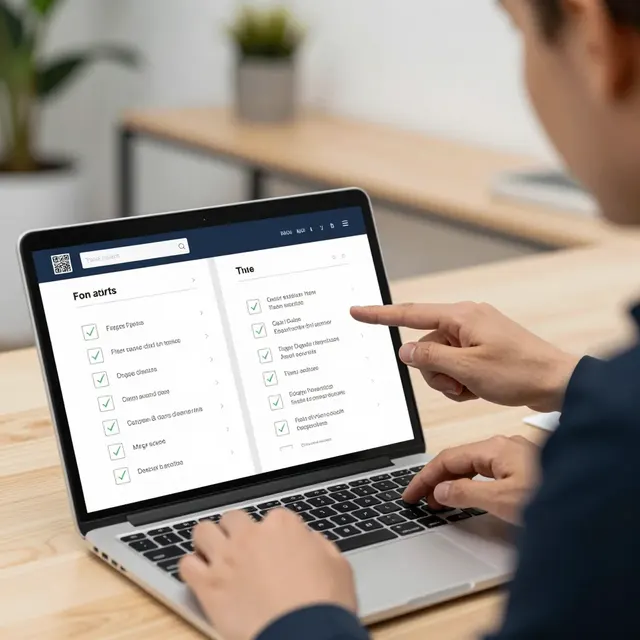
Beyond the customer-facing benefits, a multilingual QR menu system offers profound advantages for your back-of-house operations. During tourist season, the kitchen is often under immense pressure to maintain quality and speed. Miscommunication between the server and the kitchen is a leading cause of errors, which can result in wasted ingredients and angry customers. When a customer scans a QR code, the order is transmitted directly to your Point of Sale (POS) system or kitchen display system in real-time.
This direct line of communication eliminates the human error associated with taking an order over the phone or writing it on a notepad. The kitchen receives the exact order, including any specific dietary notes the customer selected in their chosen language, which can be automatically flagged or highlighted. This ensures that the chef prepares the dish exactly as intended, reducing the likelihood of sending back a meal due to a misunderstanding.
Consider the impact on food waste, a critical concern for environmentally conscious businesses. When orders are accurate and dietary restrictions are clearly communicated, ingredients are used efficiently. There is no need to throw away a steak because the customer wanted it rare, but the kitchen misunderstood the request, or a dessert is returned because the customer was unsure of its contents. By streamlining the ordering process, you reduce the time staff spend on the floor taking orders, allowing them to focus on service and guest interaction. This efficiency translates directly to the bottom line, allowing you to handle higher volumes during peak seasons without compromising on quality or increasing staff burnout.
Enhancing Transparency and Building Trust with Tourists
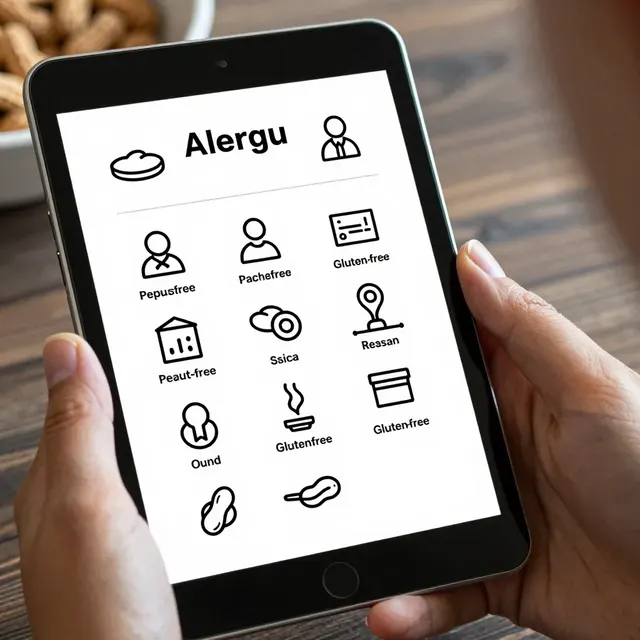
Trust is the currency of the hospitality industry, and tourists are often wary of being misled. They may fear hidden fees, misleading descriptions, or ingredients that could cause an allergic reaction. A multilingual QR menu system promotes radical transparency. You can display detailed ingredient lists, nutritional information, and allergen warnings in the customer's language, ensuring they have full visibility into what they are consuming.
Transparency also extends to pricing. Digital menus allow you to display prices clearly and update them instantly if there are any changes due to inflation or supply chain issues. Unlike paper menus that require reprinting, a digital menu can reflect real-time costs, maintaining your reputation for honesty. For tourists, who may be accustomed to price transparency in their home countries, seeing clear pricing without hidden service charges or confusing conversions builds immediate confidence.
Moreover, the ability to provide accurate information about sourcing and preparation methods helps you tell your brand story. You can explain why a dish is made a certain way or highlight your commitment to sustainable, local sourcing. When a tourist reads this in their native language, they feel a deeper connection to your brand. This honesty and accuracy differentiate your establishment from competitors who might rely on generic, translated descriptions that lack nuance. By being upfront and clear, you create a dining environment where guests feel safe, informed, and valued.
Strategic Implementation for Peak Season Success
Implementing a multilingual QR menu system is not just about adding a feature; it is about strategically preparing your business for the influx of visitors. Start by auditing your current menu content. Ensure that your descriptions are engaging and accurate in the local language, as these will serve as the base for translation. Then, integrate a robust platform like upQR that allows you to upload these descriptions once and automatically generate them in multiple languages.
It is also crucial to manage the digital experience. Ensure that the mobile site loads quickly, even on slower connections common in tourist areas. A slow-loading menu can frustrate customers who are eager to order. Optimize your images to ensure they load fast without sacrificing quality, as visual appeal is a major driver for tourists who may not understand the text yet. Additionally, use the analytics provided by your QR menu system to track which languages are most popular. If you notice a high number of users switching to Spanish, you can prioritize Spanish-language content or even tailor promotions for that demographic.
Don't forget to promote the QR code effectively. Place signage at the entrance and on tables that explains the benefits of the digital menu in both the local language and English. Phrases like "Scan to order in your language" can set the right expectation. Training your staff to direct customers to the QR code rather than relying solely on manual order-taking is also essential. Encourage them to frame the digital menu as a way to help the kitchen prepare faster and ensure accuracy, turning a technological tool into a customer service advantage.
Conclusion: A Future-Proof Approach for Hospitality
As the tourism industry continues to evolve, the expectations of travelers are rising. They expect convenience, speed, and a personalized experience that respects their cultural and linguistic background. A multilingual QR menu system is no longer a luxury; it is a necessity for restaurants and cafes that want to thrive during tourist season. By adopting this technology, you are not just selling food; you are building a bridge between cultures, ensuring that every guest feels at home, regardless of where they are from.
At upQR, we believe in creating a dining environment that is transparent, accessible, and sustainable. Our platform empowers you to handle the challenges of peak season with ease, turning potential friction points into opportunities for growth and connection. Whether you are a small cafe or a large restaurant chain, the ability to communicate clearly and efficiently with a global audience is the key to unlocking your full potential. Embrace the future of digital menus today and watch your customer satisfaction and revenue soar during the busiest times of the year.
Related Posts
Ready to create your digital menu?
Create your QR menu in minutes and reach your customers in any language.