
2026 Digital Menu Adoption: Stats & Strategy
Explore the 2026 restaurant industry report on digital menu adoption. Learn how QR codes drive sustainability, transparency, and revenue growth.
The State of Digital Menus in 2026: A Shift from Novelty to Necessity
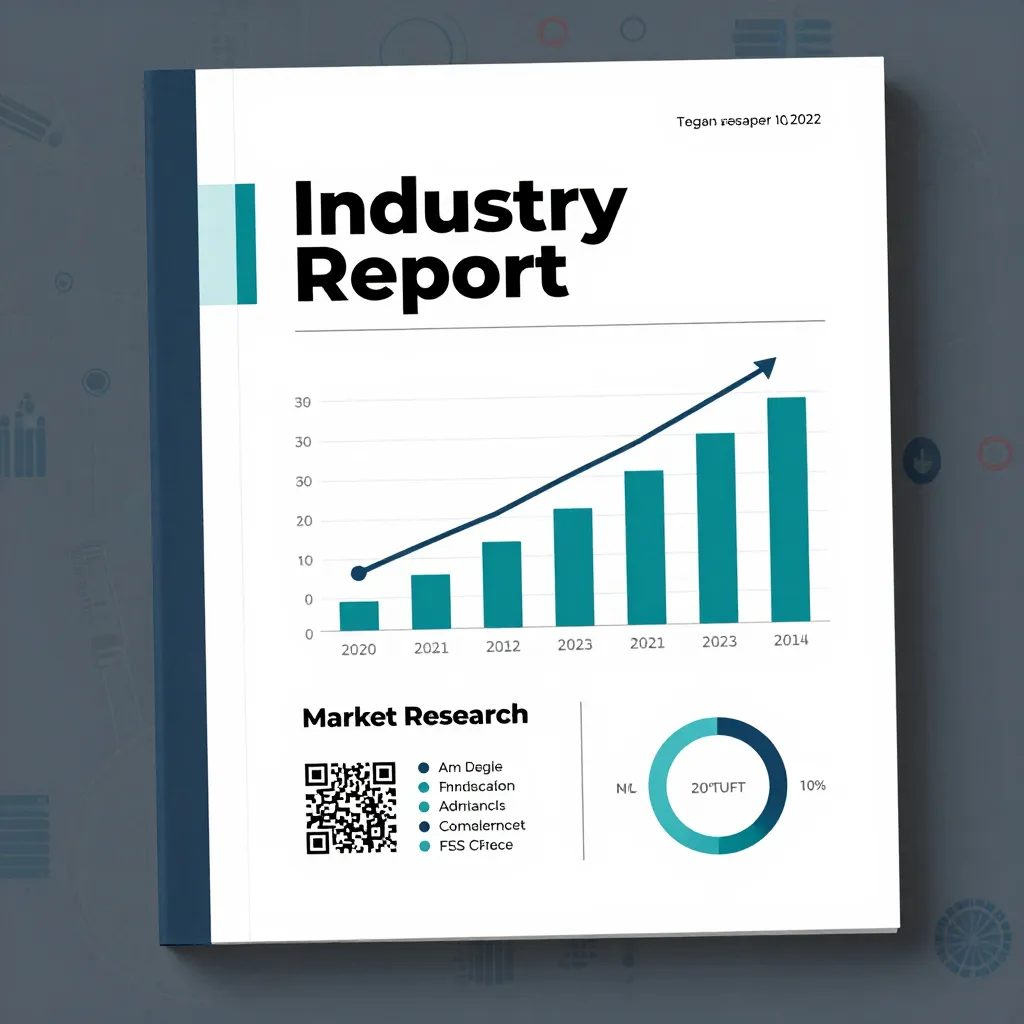
In 2026, the conversation surrounding digital menus has evolved significantly from the early days of experimentation. What began as a novelty to impress tech-savvy diners has matured into a fundamental operational requirement for modern hospitality businesses. According to recent industry data, over 78% of independent restaurants now utilize some form of digital menu technology, with QR code-based solutions leading the charge. This widespread adoption is not merely a trend; it is a strategic response to changing consumer behaviors, labor shortages, and the urgent need for sustainability.
The drivers behind this shift are multifaceted. Post-pandemic dining habits have solidified, with a majority of consumers now expecting seamless technology integration. However, the 2026 landscape is distinct from the pandemic era. Today's digital menu systems are no longer just static lists of items; they are dynamic tools that manage inventory, update pricing in real-time, and provide critical dietary information. For restaurant owners, the decision to adopt a digital solution is less about 'keeping up' and more about survival and optimization.
Statistics That Define the 2026 Digital Landscape
To understand the magnitude of this transition, we must look at the hard numbers defining the current market. The digital menu market is projected to reach a valuation of nearly $25 billion by the end of 2026, reflecting a compound annual growth rate that underscores its rapid expansion. This growth is fueled by a diverse user base, ranging from high-end bistros to casual coffee shops.
- Adoption Rates: Approximately 65% of full-service restaurants have fully replaced paper menus with digital alternatives, while another 20% use a hybrid approach. The remaining 15% are in the transition phase, primarily due to legacy infrastructure or high initial implementation costs.
- Customer Preference: Surveys conducted in early 2026 reveal that 72% of diners prefer digital menus for their convenience and speed. Furthermore, 54% of customers specifically seek out restaurants that offer allergen information digitally, indicating a strong demand for transparency.
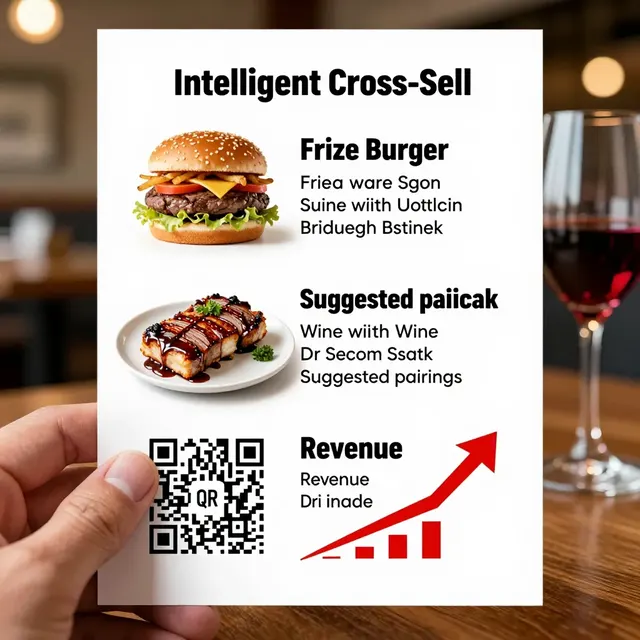
- Revenue Impact: Data suggests that restaurants utilizing advanced digital menu features, such as upselling prompts and seasonal item highlighting, see an average increase in average check size of 12-15% compared to those relying solely on paper.
These statistics paint a clear picture: the industry is moving toward a model where digital integration is a key differentiator. Restaurants that fail to adapt risk losing market share to competitors who offer a smoother, more informative, and sustainable dining experience. The data also highlights a significant opportunity for smaller independent businesses to compete with larger chains by leveraging cost-effective, scalable digital solutions.
Sustainability as a Core Driver of Adoption
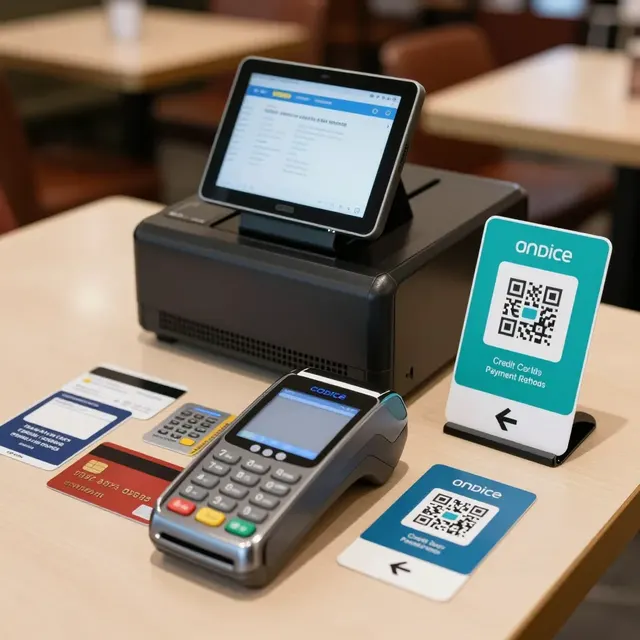
Beyond the operational benefits, the environmental imperative has become the most compelling argument for digital menu adoption in 2026. The hospitality industry is under increasing scrutiny regarding its carbon footprint, and paper menus represent a significant source of recurring waste. A standard paper menu is printed every few months, often ending up in a landfill before its time. In contrast, a digital menu is an infinite resource that can be updated instantly.
Restaurants adopting digital solutions in 2026 are often marketing their 'zero-waste' commitment to eco-conscious consumers. The math is straightforward: one digital menu system can replace thousands of paper sheets annually. This reduction in paper consumption, ink usage, and shipping logistics aligns perfectly with the global push for sustainable business practices. Moreover, digital menus allow for dynamic content that changes with the seasons, eliminating the need for reprinting entire menus when a seasonal item is added or removed.
This sustainability angle is not just about reducing waste; it is about building brand loyalty. Modern diners, particularly Millennials and Gen Z, actively choose establishments that demonstrate environmental responsibility. By switching to a digital platform, a restaurant sends a powerful message to its community: 'We care about the planet.' This alignment of values strengthens the bond between the restaurant and its patrons, fostering a loyal customer base that supports the business not just for the food, but for the ethos behind it.
Transparency and the Power of Accurate Information
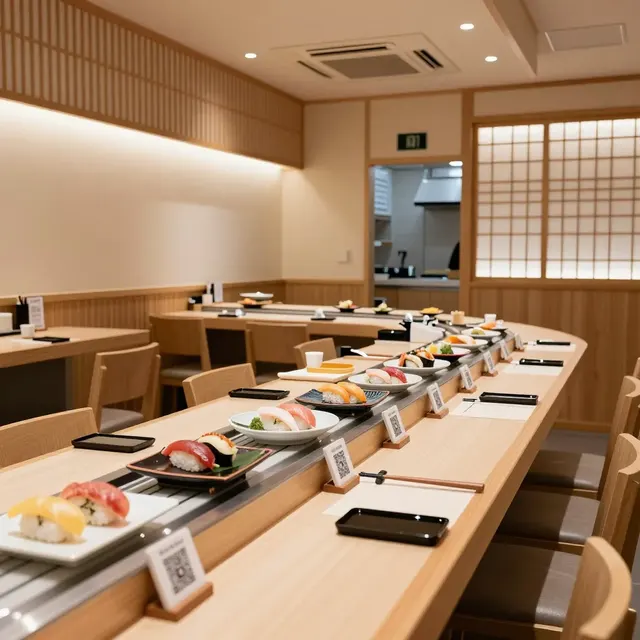
The second pillar of the 2026 digital revolution is transparency. In an era of food allergies and increasing health consciousness, customers demand honesty. They want to know exactly what is in their food, where it comes from, and the nutritional impact of their choices. Paper menus often lack the space or the mechanism to provide this level of detail, leading to guesswork and potential health risks for diners.
Digital menus solve this problem by allowing restaurants to display comprehensive ingredient lists, allergen warnings, and sourcing information for every single item. This level of detail was previously impossible to manage on a printed page without cluttering the design. With a digital interface, a restaurant can expand on a simple entry like 'Caesar Salad' to reveal details about the specific greens, the type of dressing, the source of the cheese, and potential allergens like gluten or nuts.
This transparency builds trust. When customers know exactly what they are ordering, they feel safer and more informed. It eliminates the anxiety of hidden ingredients and reduces the likelihood of allergic reactions. For restaurants, this translates to fewer complaints, fewer health incidents, and a reputation for integrity. The ability to update this information instantly is also crucial; if a supplier changes a specific ingredient, the menu can be updated in seconds, ensuring the information displayed is always accurate and current.
Operational Efficiency and Dynamic Content Management
From an operational standpoint, the 2026 digital menu offers a level of control and efficiency that paper simply cannot match. The ability to update content in real-time is a game-changer for kitchen management. Imagine a scenario where a popular dish sells out during the lunch rush. With a paper menu, the staff must manually mark items as 'out of stock,' a task that is prone to error and slows down service. With a digital menu, the item can be hidden or marked as unavailable with a single click, instantly informing the customer and preventing frustration.
Furthermore, digital menus enable dynamic pricing and promotional strategies. Restaurants can run limited-time offers, flash sales, or seasonal promotions that appear directly on the menu. This capability drives revenue by encouraging impulse purchases and highlighting high-margin items. The system can also integrate with inventory management software, automatically adjusting menu availability based on stock levels, thereby reducing food waste.
Another operational benefit is the reduction in labor costs associated with printing and distributing menus. Staff members no longer need to spend time restocking physical menus or dealing with damaged copies. The digital system centralizes all menu data, ensuring that every customer, whether seated at a booth or at a bar, receives the same accurate and up-to-date information. This consistency enhances the overall dining experience and streamlines the workflow for front-of-house staff.
Choosing the Right Platform for Your Business
As the market for digital menus grows, the variety of platforms available has exploded. However, not all solutions are created equal. When selecting a digital menu provider in 2026, restaurant owners should look beyond the basic QR code generation. Key factors to consider include customization options, ease of use, integration capabilities, and, crucially, the platform's commitment to your core values.
A robust platform should allow you to brand the experience fully. This means having the ability to customize the look and feel of the menu to match your restaurant's interior design and brand identity. It should also support high-quality imagery and video content to entice customers. Integration with your existing Point of Sale (POS) system is non-negotiable; the platform should sync seamlessly to manage orders and inventory without double-entry errors.
Perhaps most importantly, the platform should embody the values of sustainability, transparency, and honesty. Look for solutions that prioritize data privacy, ensure that no hidden fees exist in the pricing model, and provide honest, accurate descriptions of your food. Avoid platforms that use misleading photos or charge exorbitant fees for basic features. The right partner will be a tool that empowers you to tell your story, share your ingredients, and connect with your community authentically.
For many businesses, the solution that aligns with these principles is a dedicated digital menu platform like upQR. upQR is designed to be more than just a menu display; it is a comprehensive tool that supports your mission to serve your community responsibly. With upQR, you can create a digital experience that is environmentally friendly, transparent about ingredients, and accessible to everyone, regardless of language or dietary needs. By choosing a platform that prioritizes these values, you ensure that your digital transformation supports both your business goals and your ethical commitments.
Related Posts
Ready to create your digital menu?
Create your QR menu in minutes and reach your customers in any language.