
Restaurant Speed of Service: How QR Ordering Cuts Time in Half
Discover how digital QR menus streamline ordering, reduce wait times, and boost table turnover for busy restaurant owners and cafe managers.
Why Speed of Service Matters More Than Ever
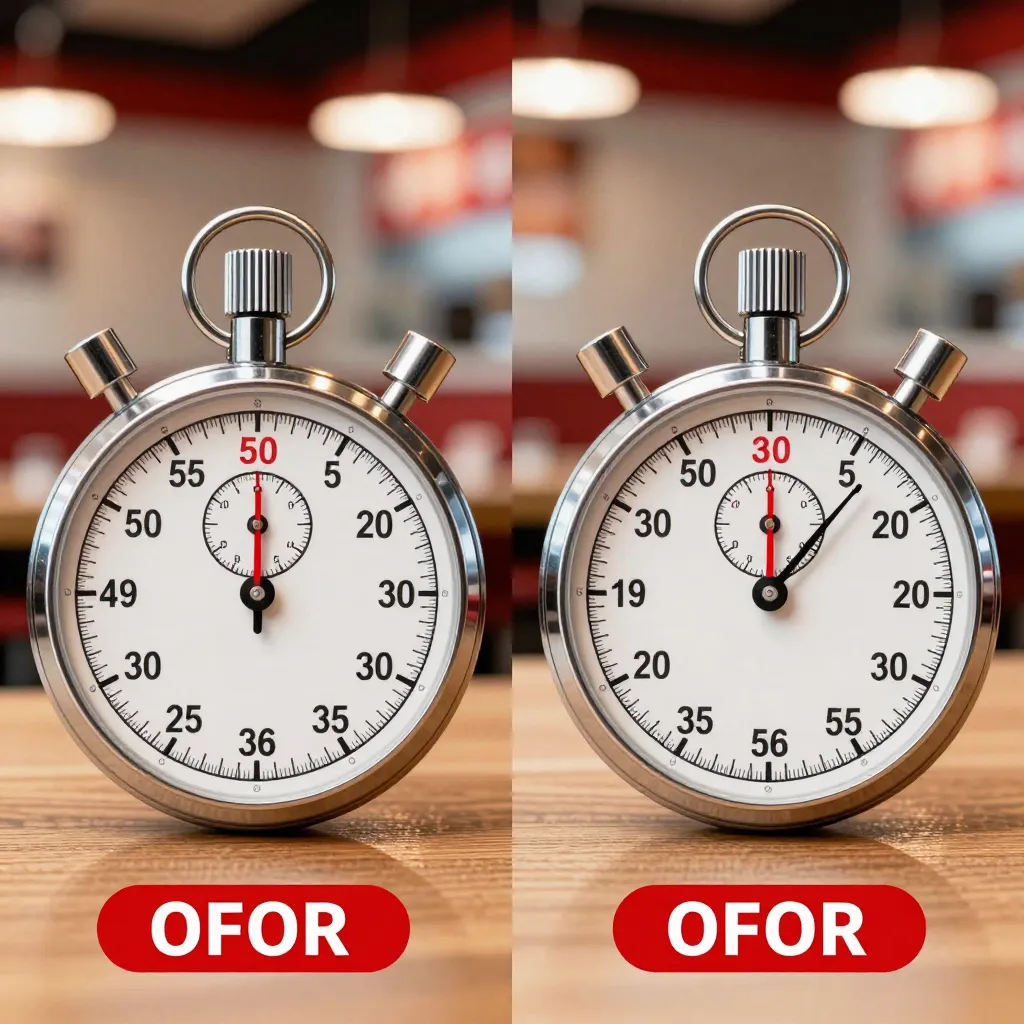
In the modern dining landscape, speed of service is no longer just a convenience; it is a critical metric for business survival and customer satisfaction. Industry data consistently shows that customers are willing to wait only about 10 to 15 minutes for their food before frustration sets in. When wait times exceed this threshold, the likelihood of a customer leaving increases significantly, directly impacting revenue and brand reputation. For restaurant owners and cafe managers, optimizing the speed of service is essential to maintaining high table turnover rates without compromising the quality of the dining experience.
The traditional ordering process introduces several bottlenecks that slow down operations. Guests must wait for a server to arrive, read the physical menu, ask clarifying questions, and place the order. Once the order is taken, it must be relayed to the kitchen, often through a verbal chain of communication that is prone to errors. These friction points accumulate, creating delays that can cost a restaurant hundreds of dollars in lost revenue per day. By addressing these inefficiencies, establishments can create a smoother flow from seating to dining, ensuring that every guest feels valued and well-served.
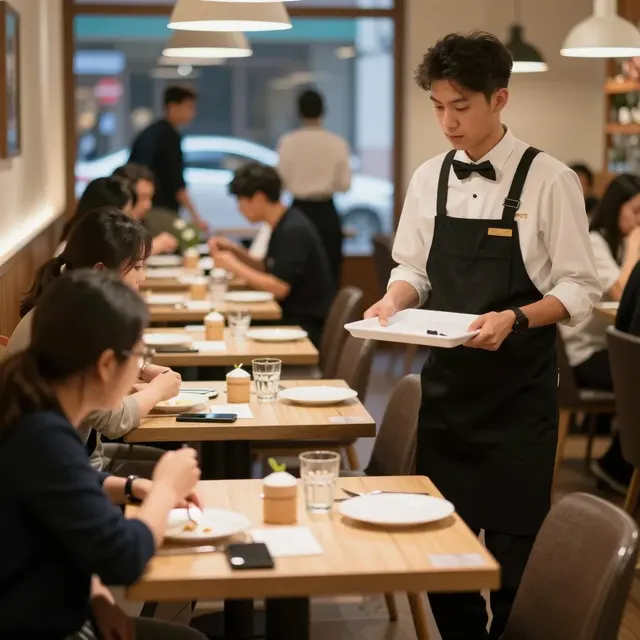
Furthermore, speed of service impacts operational efficiency. When servers spend less time standing at tables waiting for orders to be placed, they can focus on other critical tasks such as checking on food quality, managing reservations, and providing exceptional hospitality. This shift allows the entire staff to work more harmoniously, reducing stress levels and improving overall morale. As dining habits evolve with the post-pandemic consumer, who increasingly values convenience and efficiency, adopting technologies that accelerate the ordering process is not just an option but a necessity for staying competitive in the market.
Eliminating the Menu Reading Friction
One of the most significant contributors to slow service is the time spent reading and interpreting physical menus. In a traditional setup, guests arrive at a table and immediately begin scanning the printed pages, often struggling to find specific items or deciphering complex descriptions. This process can take anywhere from two to five minutes per table, a delay that multiplies quickly as more guests are seated. Physical menus also suffer from the "blur effect," where items appear distorted or unreadable when viewed from a distance, forcing guests to lean in or ask a server to read aloud, further extending the wait time.
Introducing a digital QR menu solution like upQR eliminates these friction points instantly. When a guest scans the code, the menu loads on their device within seconds, presenting high-resolution images and clear, concise descriptions. This immediacy allows customers to start browsing the moment they are seated, effectively removing the initial waiting period. The digital format also enables dynamic content, where items can be highlighted, categorized, or recommended based on time of day or availability, guiding customers faster toward a decision. For example, a cafe can instantly promote their signature lattes or daily specials with a featured section, drawing attention away from indecision and accelerating the ordering process.
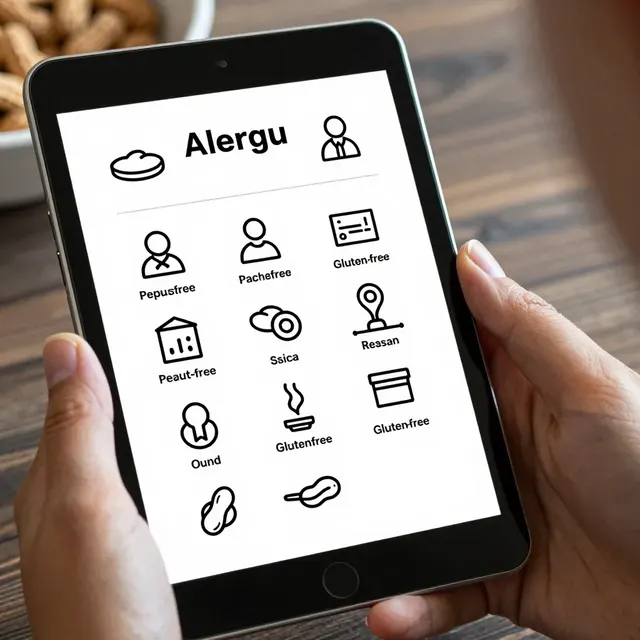
The visual clarity of digital menus also plays a crucial role in speed. High-quality photography helps customers visualize the dish, reducing the cognitive load required to imagine the meal. When customers are confident in what they are ordering, they are less likely to ask extensive questions or request modifications that delay the kitchen. Additionally, the ability to search for specific ingredients or allergens within a digital menu empowers guests to make informed decisions quickly, addressing dietary concerns without needing to interrupt the server. This seamless experience ensures that the time spent at the table is dedicated to enjoyment rather than administrative tasks, setting the stage for a more efficient service flow.
Streamlining the Ordering and Payment Process
Once the menu has been explored, the ordering and payment phases often become new sources of delay. In a traditional environment, guests must verbally communicate their orders to a server, who then writes them down or inputs them into a handheld device. This manual transcription introduces the risk of errors, such as missing items or incorrect modifiers, which can lead to kitchen confusion and slower plate times. Moreover, the server must return to the table multiple times to confirm orders and collect payments, extending the duration of the interaction.
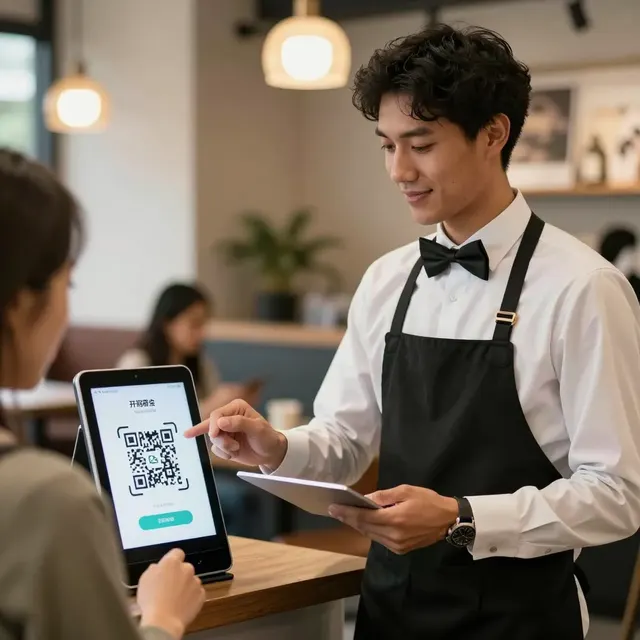
With upQR, the entire ordering process is digitized and streamlined. Guests can tap the screen to select items, customize their orders with precise modifiers, and add them to their cart with a single tap. The system automatically compiles the order and sends it directly to the kitchen display system (KDS), eliminating the need for manual entry and reducing the potential for human error. This direct digital handoff ensures that the kitchen receives the order instantly, allowing chefs to begin preparation immediately. The result is a significant reduction in the time between order placement and food readiness.
Payment processing is another area where digital menus offer substantial speed advantages. Traditional cash transactions require time for counting, change-making, and handling physical notes, while card payments often involve waiting for the server to retrieve a machine, swipe the card, and verify the signature. With upQR, guests can pay via mobile wallet, credit card, or digital payment methods directly from their device. The payment is processed securely and instantly, with the receipt generated digitally. This convenience encourages guests to settle their bills faster, clearing the table more quickly and increasing the number of covers a restaurant can serve in a given period. The ability to split bills effortlessly among friends or family also removes the awkwardness and time associated with manual bill splitting, further enhancing the speed of the dining experience.
Boosting Table Turnover and Revenue
The ultimate goal of improving speed of service is to increase table turnover, which directly correlates to revenue growth. A table that is occupied for a shorter duration but served efficiently allows a restaurant to accommodate more guests during peak hours. For example, if a restaurant can reduce the average dining time from 90 minutes to 75 minutes through faster ordering and payment, it can potentially fit an additional 15-20% of covers into its schedule. Over a month, this incremental increase can translate to thousands of dollars in additional revenue, even if the average check size remains constant.
Moreover, faster service does not mean rushed service. When the ordering process is efficient, servers are freed from the pressure of constantly taking orders and can instead focus on hospitality. They can greet guests warmly, explain menu items, and ensure that the dining experience is memorable. This balance between speed and quality is crucial for maintaining customer loyalty. Guests appreciate when their time is respected, and when they see that the restaurant values their convenience. This perception of efficiency often leads to positive reviews and word-of-mouth recommendations, which are invaluable assets for any food service business.
Data from restaurants that have implemented digital ordering systems consistently shows a measurable improvement in turnover rates. Some establishments report a 20% increase in table turnover within the first three months of adoption. This metric is particularly important for high-volume venues like cafes, fast-casual dining, and busy bistros where the demand for seating often exceeds capacity. By leveraging the speed of digital menus, these businesses can maximize their seating potential without hiring additional staff, keeping labor costs in check while improving profitability. The ability to scale operations efficiently is a key advantage that digital tools like upQR provide to forward-thinking restaurant owners.
Enhancing Staff Efficiency and Reducing Errors
Improving speed of service also has a profound impact on staff efficiency and operational accuracy. In a traditional setting, servers are often burdened with the dual role of hospitality provider and order taker. This division of labor can lead to burnout, as staff members struggle to keep up with the demands of seating, serving, and managing complex orders simultaneously. By offloading the ordering and payment tasks to the digital system, servers can focus on what they do best: creating a welcoming atmosphere and ensuring guest satisfaction.
The reduction in order-taking duties also minimizes the risk of errors that can arise from miscommunication or manual entry. When an order is entered directly by the guest into a digital system, the kitchen receives a clear, itemized list that is less likely to be misinterpreted. This clarity allows kitchen staff to prepare food with greater precision, reducing the need for remakes or corrections. Fewer errors mean less wasted food, lower costs, and happier customers who receive exactly what they ordered. The synergy between the front-of-house and back-of-house operations is strengthened when the ordering process is seamless and error-free.
Training new staff members becomes significantly easier when the technology handles the complex parts of the ordering process. New hires can focus on learning customer service skills and menu knowledge rather than mastering the intricacies of POS systems or taking detailed orders. This shift allows for a faster onboarding process, ensuring that new team members become productive sooner. Additionally, the digital system provides a consistent standard for all tables, ensuring that every guest receives the same level of service regardless of which server is attending to them. This consistency is vital for building a strong brand identity and maintaining high standards across multiple locations.
Implementing Digital Menus for Maximum Impact
To fully realize the benefits of speed of service, restaurant owners must implement a digital menu solution that is user-friendly, reliable, and integrated with existing systems. Platforms like upQR offer robust features that cater to the specific needs of modern dining establishments. The setup process is straightforward, allowing owners to upload their menu items, set prices, and customize the design to match their brand identity. The system is accessible on any smartphone or tablet, ensuring that guests can order from any device without compatibility issues.
Integration with existing Point of Sale (POS) systems is another critical factor. A seamless connection between the digital menu and the POS ensures that inventory levels are updated in real-time, and sales data is tracked accurately. This integration provides valuable insights into customer preferences and sales trends, helping owners make data-driven decisions about menu engineering and inventory management. For instance, if a particular item is frequently ordered but often modified, the owner can adjust the description or availability to streamline the process.
Finally, it is important to communicate the benefits of the digital menu to guests. Clear signage at the entrance and on tables should guide customers on how to scan the QR code and use the menu. Providing a brief tutorial or FAQ on the website can help alleviate any concerns about technology usage. By making the transition to digital ordering as smooth as possible, restaurants can ensure that guests embrace the new process without hesitation. The result is a dining experience that is faster, more efficient, and more enjoyable for everyone involved, setting the stage for long-term success in a competitive market.
Related Posts
Ready to create your digital menu?
Create your QR menu in minutes and reach your customers in any language.