
Digital Menus in Healthcare Cafeterias: A Guide to UpQR
Discover how hospitals and clinics use QR menus to reduce waste, ensure allergen transparency, and improve patient care with upQR.
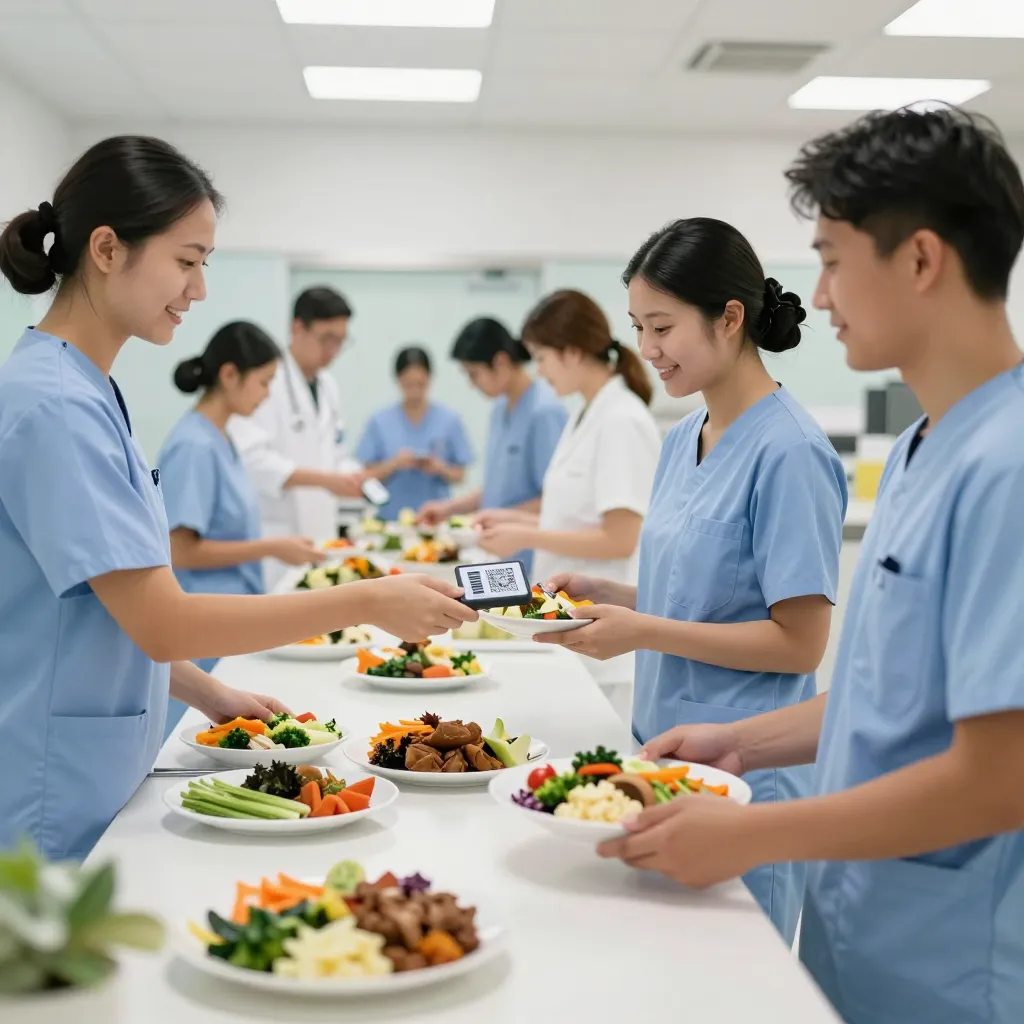
The Critical Role of Digital Menus in Healthcare Food Service
In the high-stakes environment of a hospital or clinic, the cafeteria is more than just a place to grab a quick lunch; it is a vital component of patient recovery and staff well-being. For food service professionals managing these facilities, the transition from traditional paper menus to digital solutions like upQR is not merely an aesthetic upgrade but a strategic operational necessity. The healthcare sector faces unique challenges regarding dietary restrictions, allergen management, and environmental compliance, all of which are significantly streamlined by a robust digital menu system.
Traditional paper menus often lead to confusion and waste. When a patient or staff member scans a QR code, they are immediately presented with a dynamic interface that can be updated in real-time. This immediacy is crucial in healthcare settings where nutritional information must be accurate and accessible at a glance. According to industry data, foodservice operations in healthcare facilities manage millions of meals annually, and even a small reduction in paper usage translates to a massive decrease in landfill waste. By adopting a platform like upQR, facilities align their operations with strict environmental sustainability goals, eliminating the constant cycle of printing, laminating, and discarding outdated menus.
Enhancing Transparency and Allergen Safety
Transparency is the cornerstone of safe food service in healthcare. Patients recovering from surgery, individuals with chronic conditions like diabetes, or those with severe allergies rely on accurate information to make safe choices. A static paper menu often lacks the space or clarity to list every single ingredient or potential cross-contamination risk. In contrast, digital menus hosted on upQR can provide exhaustive details that go beyond the basics.
Consider a patient with a severe nut allergy. On a paper menu, this information might be buried in a small footnote or require a staff member to verbally explain. With an upQR digital menu, the user can tap directly on the dish name to reveal a detailed breakdown of ingredients, including potential traces of allergens. This level of granular transparency empowers the diner to make informed decisions instantly, reducing anxiety and preventing medical emergencies. Furthermore, the system can automatically highlight dishes that are naturally free from common allergens or those specifically prepared in a dedicated allergy-friendly kitchen, ensuring that dietary needs are met without the need for complex verbal inquiries that can lead to errors.
This transparency extends to pricing and nutritional data as well. Healthcare facilities often have specific pricing structures or subsidies. A digital menu can clearly display the net cost of items, avoiding any hidden fees or confusion that might arise from complex paper layouts. For patients on strict budgets, seeing the exact cost of a nutritious meal is empowering. The ability to filter menus by dietary preference-such as low-sodium, high-protein, or gluten-free-directly on the screen ensures that the right food reaches the right person, fostering a sense of control and care.
Bridging the Language and Literacy Gap
One of the most significant barriers in diverse healthcare communities is the language gap. Hospitals and clinics serve populations with varying levels of English proficiency and different cultural backgrounds. A paper menu written entirely in English can be a source of frustration and confusion, potentially leading to poor nutritional choices or missed meals. Digital menus solve this problem elegantly through multilingual support.
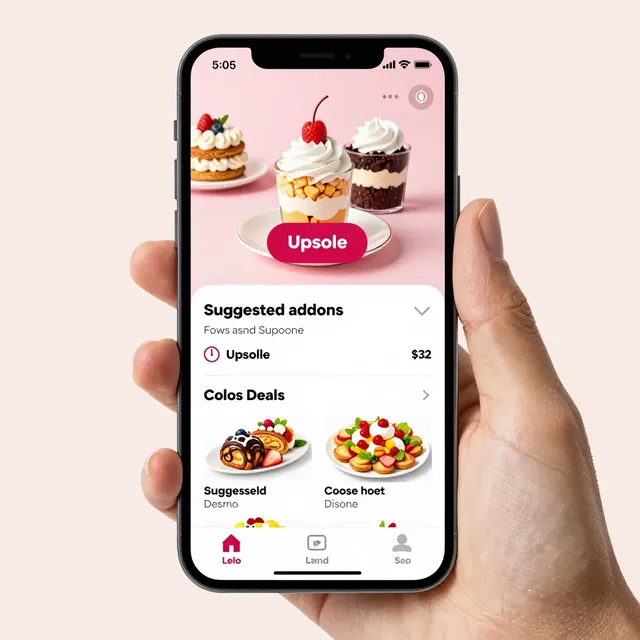
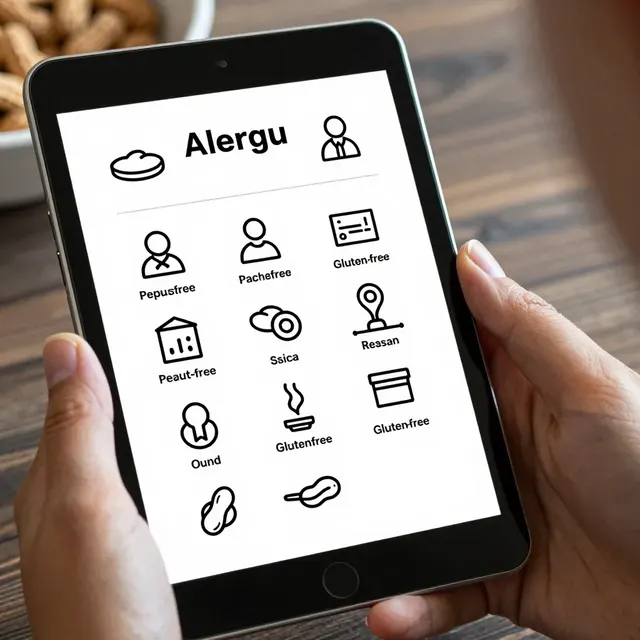
Using an upQR menu, a facility can offer the same menu in English, Spanish, Vietnamese, Arabic, or any other language required by the local community. When a patient scans the code, they can select their preferred language, and the entire menu-including ingredient descriptions and allergen warnings-translates instantly. This ensures universal access to safe food, regardless of linguistic ability. It is not just about translation; it is about clarity. Complex medical terms can be replaced with simple, universally understood icons and descriptions. For instance, instead of just listing "gluten-free," the menu can use a recognized symbol and a brief explanation in the user's native language, ensuring that dietary restrictions are understood correctly by everyone.
This feature is particularly valuable for elderly patients or those with visual or cognitive impairments. Large, clear fonts and intuitive navigation designed for digital platforms make the ordering process accessible to those who might struggle with small print on paper menus. The result is a dining environment where every individual feels included and capable of making safe, healthy choices.
Operational Efficiency and Real-Time Updates
Food safety is paramount in healthcare cafeterias. If a supplier delivers contaminated ingredients or if a specific batch of food is recalled, the response time is critical. With paper menus, updating this information requires physically reprinting and distributing new laminated sheets, a process that can take hours or even days, during which time unsafe food might be served. Digital menus change the game entirely.
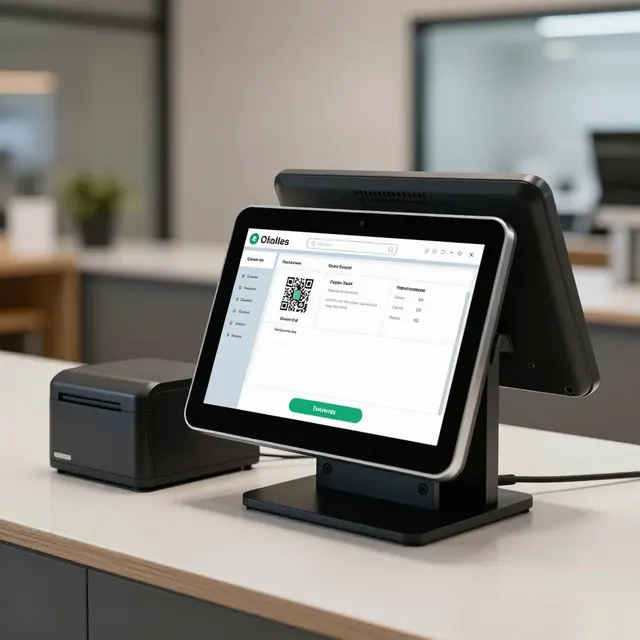
With upQR, administrators can update the menu in seconds. If a dish is temporarily unavailable due to food safety concerns, it can be instantly removed from the digital display, and a message can be posted explaining the situation. This real-time capability ensures that only safe, available items are offered to patients and staff. Additionally, nutritional data can be updated to reflect seasonal changes or new dietary guidelines without any physical intervention. This agility allows food service managers to respond to health department regulations or internal safety protocols with speed and precision, maintaining the highest standards of care.
Operational efficiency also extends to inventory management. By tracking which items are scanned most frequently, managers can identify popular dishes and adjust purchasing orders accordingly, reducing food waste. Conversely, items that are rarely ordered can be flagged for review or removal. This data-driven approach helps hospitals optimize their food budgets, ensuring that resources are allocated to the meals that patients and staff actually want and need.
Implementing a Successful Digital Transition
Transitioning to a digital menu system like upQR requires thoughtful planning. The first step is assessing the current workflow and identifying pain points with the existing paper-based system. Is the paper getting dirty? Are patients asking too many questions about ingredients? Are you struggling with multilingual requests? Once these needs are identified, selecting the right digital platform is essential. Look for a solution that offers easy customization, robust security, and the specific features needed for healthcare, such as allergen filtering and multilingual support.
Training is another critical component. Staff members, from the cafeteria workers to the administrative team, need to understand how to manage the digital menu. They should know how to update items, troubleshoot scanning issues, and guide patients who are new to the technology. UpQR provides intuitive tools that minimize the learning curve, but clear communication is key. Involve the patients and staff in the testing phase. Ask them to scan the code and navigate the menu. Their feedback is invaluable in refining the user experience.
Finally, promote the new system. Patients and visitors may be hesitant to scan a QR code if they are not familiar with the technology. Clear signage, perhaps with a simple QR code displayed prominently on tables and bulletin boards, along with a brief explanation of the benefits, can encourage adoption. Emphasize the safety and convenience aspects. When people understand that the digital menu helps them avoid allergens and see exactly what they are eating, they are more likely to embrace the change.
Conclusion
The integration of digital QR menus into hospital and healthcare cafeterias represents a significant leap forward in patient care and operational excellence. By leveraging platforms like upQR, healthcare facilities can achieve a trifecta of benefits: environmental sustainability through the elimination of paper waste, enhanced safety through transparent allergen information, and inclusive access for all patients regardless of language or ability. In an industry where trust and accuracy are non-negotiable, the digital menu provides the reliability and clarity that modern healthcare demands. It is a practical, cost-effective solution that aligns perfectly with the core values of transparency, honesty, and universal access, making it the ideal choice for forward-thinking food service professionals.

Related Posts

Ready to create your digital menu?
Create your QR menu in minutes and reach your customers in any language.